Highlights

  • India considers allowing private players in Nuclear power sector
  • The nation aims to expand power capacity to almost 22.5 gigawatts by 2031: Jitendra Singh
  • India mulls collaboration with foreign countries for developing reactors

Latest news

Apple Overhauls iPad mini with 8.5-Inch OLED Display and A20 Pro Chip

Apple Overhauls iPad mini with 8.5-Inch OLED Display and A20 Pro Chip

Oppo Find X10 Pro Max Review: A new breed of flagships

Oppo Find X10 Pro Max Review: A new breed of flagships

Mivi One 5G Review: Can an Audio Brand Crack the Entry-Level Smartphone Market?

Mivi One 5G Review: Can an Audio Brand Crack the Entry-Level Smartphone Market?

Vivo S2 FE Review: A Battery Beast With a Sensible Side

Vivo S2 FE Review: A Battery Beast With a Sensible Side

Samsung Galaxy Tab S12 Ultra Review: As Good As Android Tablets Get
Samsung Galaxy Tab S12 Ultra Review: As Good As Android Tablets Get

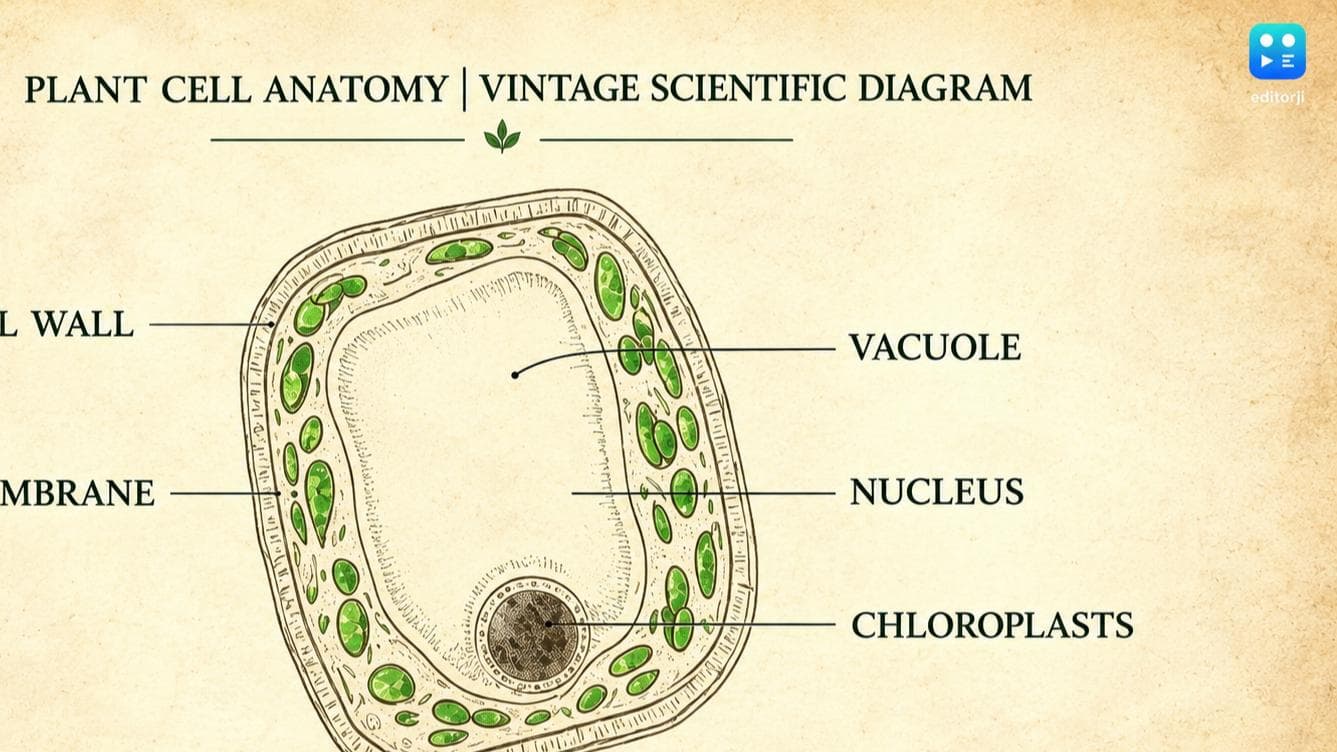
Easily Animate Vintage Scientific Illustrations for Educational Reels

Easily Animate Vintage Scientific Illustrations for Educational Reels

Vivo X Fold6 Review: Flagship Power Meets Foldable Convenience

Vivo X Fold6 Review: Flagship Power Meets Foldable Convenience

Apple iPhone 18 Pro Max Review: The Pro Max Means Business This Year

Apple iPhone 18 Pro Max Review: The Pro Max Means Business This Year

India mulls allowing private companies' participation to develop nuclear plants

Union Minister Jitendra Singh has said that India is reviewing its atomic energy law to allow private players in the Nuclear power sector and is considering a collaboration with foreign countries to build Small Modular Reactors

India mulls allowing private companies' participation to develop nuclear plants

In a bid to expand the Nuclear power sector, India is mulling to allow private companies' participation. This state-controlled sector is aiming to develop small modular reactors to help decarbonize industry.

Atomic Energy minister Jitendra Singh in a written reply to questions in Parliament revealed that India is reviewing its six-decade-old atomic energy law to allow more involvement from non-state companies. Currently private technology and construction in nuclear plants are allowed, however, operations and fuel management are controlled by federal government companies.

The Union Minister also said that detailed technical talks are underway to assess the feasibility of the SMR technology, and the government is exploring collaboration with other countries for jointly developing such reactors.

India currently has about 7.5 gigawatts of atomic power capacity, all operated by state-run Nuclear Power Corp. of India Ltd. The nation aims to expand it to almost 22.5 gigawatts by 2031, Singh said. He further added that the increase will primarily happen through large-sized plants.

India which is the world's third largest emitter of greenhouse gases seeks clean sources of power to reduce its dependence on coal, which currently produces about 70% of India’s electricity. This has pushed for more discussions about modular reactors or SMRs. India has also committed to have half its power generation capacity run on clean sources by the end of this decade.

Frequently Asked Questions

India currently has about 7.5 gigawatts of atomic power capacity, all operated by state-run Nuclear Power Corp. of India Ltd.

ADVERTISEMENT

Up Next

India mulls allowing private companies' participation to develop nuclear plants

India mulls allowing private companies' participation to develop nuclear plants

How Does a Critical Illness Policy Work? Coverage, Claims & Benefits Explained

How Does a Critical Illness Policy Work? Coverage, Claims & Benefits Explained

Sensex Falls 252 Points, Nifty Slips as Crude Oil Tops $106

Sensex Falls 252 Points, Nifty Slips as Crude Oil Tops $106

Sensex Jumps Over 1,100 Points, Nifty Gains 1.6% as IT Stocks Rally

Sensex Jumps Over 1,100 Points, Nifty Gains 1.6% as IT Stocks Rally

Sensex falls 429 points, Nifty slips 173 points after RBI rate hike

Sensex falls 429 points, Nifty slips 173 points after RBI rate hike

RBI raises repo rate by 25 bps to 5.50%, shifts policy towards tightening

RBI raises repo rate by 25 bps to 5.50%, shifts policy towards tightening

ADVERTISEMENT

editorji-whatsApp

More videos

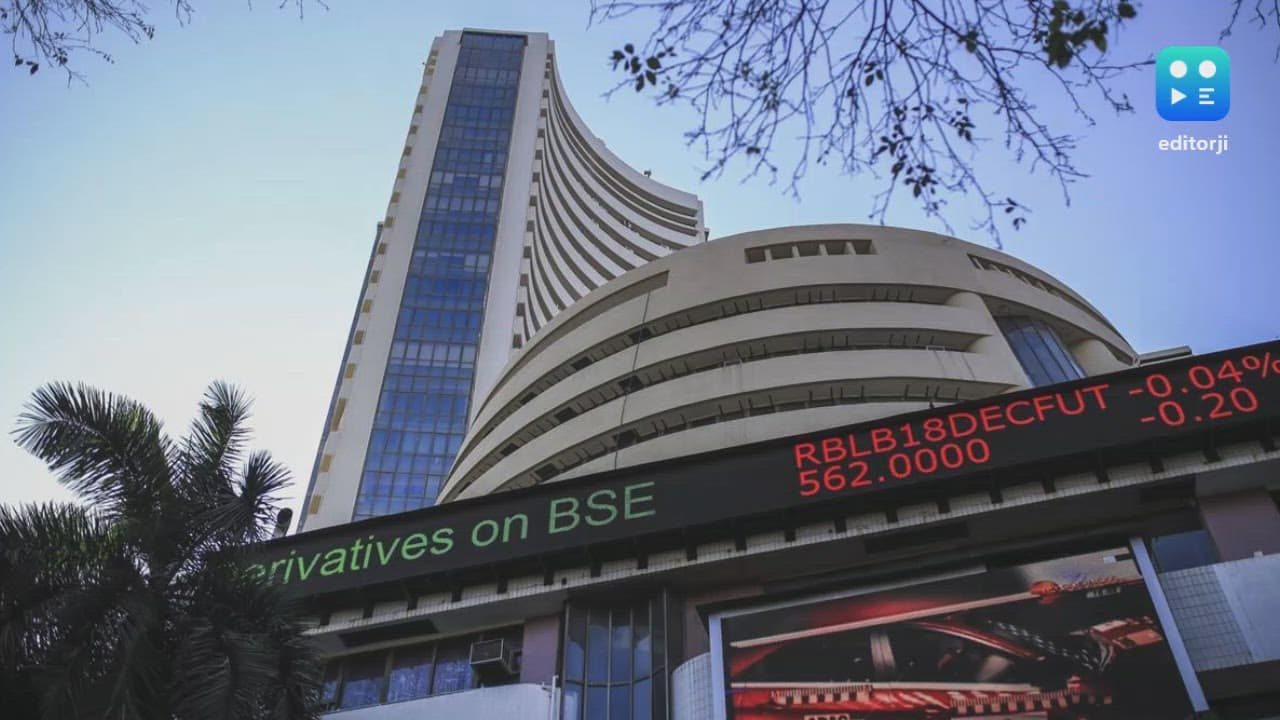
GST rates likely unchanged as 57th Council meeting focuses on reforms
GST rates likely unchanged as 57th Council meeting focuses on reforms

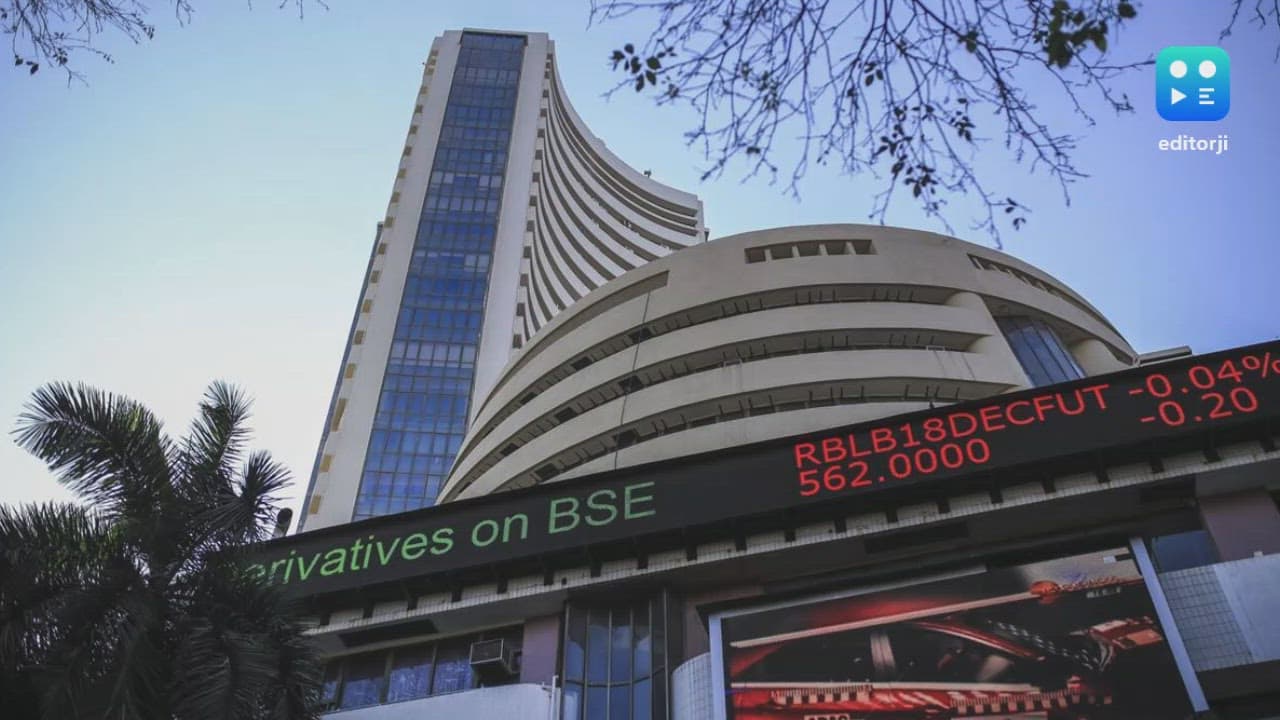
Sensex gains 685 points, Nifty rises 220 points to cross 22,700
Sensex gains 685 points, Nifty rises 220 points to cross 22,700

Sensex gains 473 points, Nifty rises 134 points as markets stage recovery

Sensex gains 473 points, Nifty rises 134 points as markets stage recovery

India To Grow 7% In FY27, Next Growth Phase Hinges On Infra, Deeper Capital Markets: S&P Global

India To Grow 7% In FY27, Next Growth Phase Hinges On Infra, Deeper Capital Markets: S&P Global

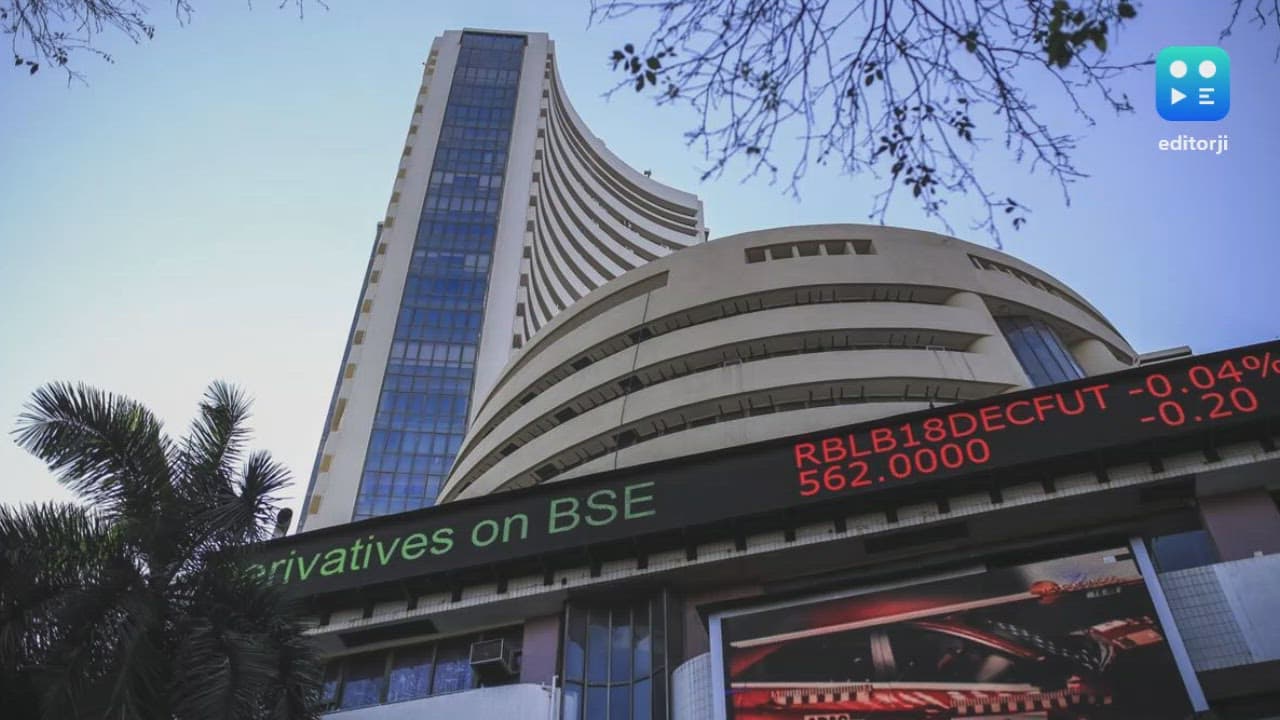
Sensex Falls 49 Points, Nifty Slips 96 As Selling Pressure Returns
Sensex Falls 49 Points, Nifty Slips 96 As Selling Pressure Returns

Sensex falls 243 points, Nifty slips 64 points as foreign outflows and crude prices weigh

Sensex falls 243 points, Nifty slips 64 points as foreign outflows and crude prices weigh

India launches anti-dumping probes into 7 Chinese products, including key pharma ingredients

India launches anti-dumping probes into 7 Chinese products, including key pharma ingredients

Sensex crashes 1,124 points, Nifty falls 1.56% as crude surges above $107

Sensex crashes 1,124 points, Nifty falls 1.56% as crude surges above $107

Sensex Rises 315 Points, Nifty Gains 77 as Markets Recover After Sharp Sell-Off

Sensex Rises 315 Points, Nifty Gains 77 as Markets Recover After Sharp Sell-Off

Sensex Crashes 1,248 Points, Nifty Falls 1.64% Amid Global Cues

Sensex Crashes 1,248 Points, Nifty Falls 1.64% Amid Global Cues

Editorji Technologies Pvt. Ltd. © 2022 All Rights Reserved.