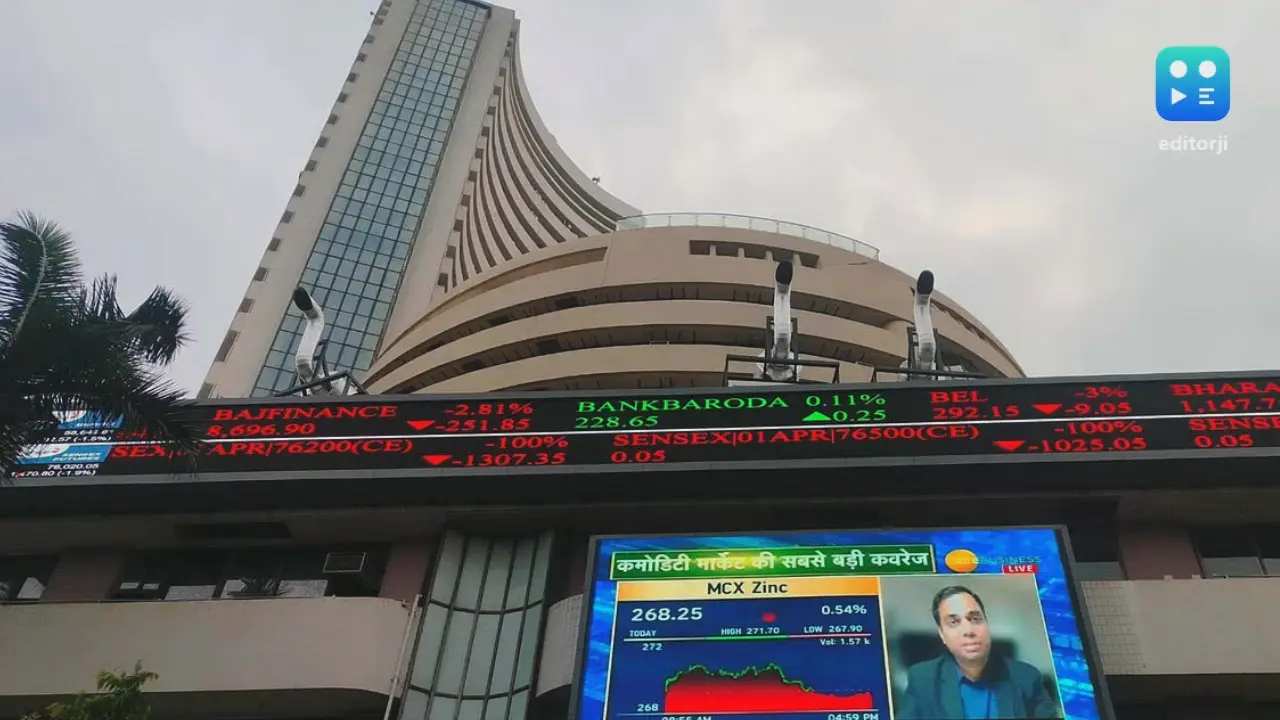
Highlights

  • Salaried individuals have a lot of flexibility to switch between old and new tax regimes
  • Non-salaried individuals must make a one-time, well-informed decision as switching in not an option.

Latest news

From Silent Retreats to Solo Trips: What Indians Are Googling About Travel

From Silent Retreats to Solo Trips: What Indians Are Googling About Travel

How to Open an FD Account and Choose the Right Deposit Amount, Tenure and Interest Payout Option

How to Open an FD Account and Choose the Right Deposit Amount, Tenure and Interest Payout Option

Credit Card Cash Withdrawal: Charges You Must Know Before You Swipe

Credit Card Cash Withdrawal: Charges You Must Know Before You Swipe

A New Chapter in PCs: NVIDIA RTX Spark PCs Launched in India Starting at ₹2.99 Lakh

A New Chapter in PCs: NVIDIA RTX Spark PCs Launched in India Starting at ₹2.99 Lakh

From Toy Faces To Lucky Charms, DailyObjects’ New Cases Put Art On iPhones
From Toy Faces To Lucky Charms, DailyObjects’ New Cases Put Art On iPhones

Why Retirement Planning is Shifting From Wealth Accumulation to Income Sustainability

Why Retirement Planning is Shifting From Wealth Accumulation to Income Sustainability

OPPO 45W 20000mAh Power Bank Review: No Mess, Fast Speeds, Real Value 

OPPO 45W 20000mAh Power Bank Review: No Mess, Fast Speeds, Real Value 

One in Three Laptop Buyers Wants to Upgrade for AI; 24% Are Open to Snapdragon, Survey Finds

One in Three Laptop Buyers Wants to Upgrade for AI; 24% Are Open to Snapdragon, Survey Finds

Invest Smart 2024: Understand old & new tax regimes for better tax planning

In this episode of Invest Smart, Aarti Raote, Partner at Deloitte India, and Editorji's Avni Raja discuss the old and the new tax regimes and how taxpayers should navigate them

Invest Smart 2024: Understand old & new tax regimes for better tax planning

We are approaching the end of the financial year and we are also counting down to the interim budget on February 1, two events that have a lot of us focussed on tax planning. To discuss this in detail, Avni Raja caught up with Aarti Raote, Partner, Deloitte India.

Old Tax Regime vs New Tax Regime

Raote began by addressing the fundamental choice between the old and new tax regimes. She said that for salaried individuals, there's a lot of flexibility to switch between the two regimes, allowing changes on multiple occassions. However, non-salaried individuals must make a one-time, well-informed decision as switching in and out is not an option. For the non-salaried class, Raote emphasised the need for a long-term view, considering factors like home loans, investments, and education plans.

Switching Tax Regimes: Keep this in Mind

When questioned about switching from the new to the old tax regime in a given financial year, Raote said employees must meticulously document and submit supporting documents for missed deductions during the year. She encouraged individuals to make a conscious decision at the beginning of the financial year to avoid the cumbersome processes during tax filing.

New Tax Regime & Allowances

The discussion also extended to allowances and reimbursements under the new tax regime. Raote clarified that employees can still enjoy benefits like fuel conveyance, phone bill reimbursements, and more, depending on their employer's offerings. She added the choice of exemptions and benefits is often tied to the employer's compensation structure.

Expectations from FM Nirmala Sitharaman

Talking about the expectations from Finance Minister Nirmala Sitharaman in the upcoming interim budget, Raote said she expects the FM to enhance the ease of compliance and address operational issues within the tax system. While major announcements may be reserved for post-election budgets, small-scale improvements could streamline tax processes and offer relief to taxpayers.

Old Tax Regime: The Road Ahead

Looking ahead, Raote envisions the phasing out of the old tax regime, making the new regime the default option. She noted that the attractiveness of the new tax regime, especially for higher income brackets, has led to a significant shift in taxpayer preferences.

In conclusion, Raote outlined the available tax savings under the new tax regime, emphasizing deductions for car benefits, fuel reimbursements, telephone reimbursements, transport allowances for differently-abled individuals, and deductions for the employer's contribution to the new pension scheme.

As taxpayers navigate the intricate landscape of tax planning, Raote's insights shed light on critical considerations, providing viewers with valuable guidance for the financial year.

Frequently Asked Questions

The old tax regime offers higher tax deductions, while the new tax regime has lower tax rates but fewer deductions. Salaried individuals can switch between the two regimes multiple times a year, whereas non-salaried individuals must make a one-time decision and cannot switch easily.

ADVERTISEMENT

Up Next

Invest Smart 2024: Understand old & new tax regimes for better tax planning

Invest Smart 2024: Understand old & new tax regimes for better tax planning

How to Open an FD Account and Choose the Right Deposit Amount, Tenure and Interest Payout Option

How to Open an FD Account and Choose the Right Deposit Amount, Tenure and Interest Payout Option

Credit Card Cash Withdrawal: Charges You Must Know Before You Swipe

Credit Card Cash Withdrawal: Charges You Must Know Before You Swipe

Why Retirement Planning is Shifting From Wealth Accumulation to Income Sustainability

Why Retirement Planning is Shifting From Wealth Accumulation to Income Sustainability

How Does a Critical Illness Policy Work? Coverage, Claims & Benefits Explained
How Does a Critical Illness Policy Work? Coverage, Claims & Benefits Explained

Sensex Falls 252 Points, Nifty Slips as Crude Oil Tops $106

Sensex Falls 252 Points, Nifty Slips as Crude Oil Tops $106

ADVERTISEMENT

editorji-whatsApp

More videos

Sensex Jumps Over 1,100 Points, Nifty Gains 1.6% as IT Stocks Rally
Sensex Jumps Over 1,100 Points, Nifty Gains 1.6% as IT Stocks Rally

Sensex falls 429 points, Nifty slips 173 points after RBI rate hike

Sensex falls 429 points, Nifty slips 173 points after RBI rate hike

RBI raises repo rate by 25 bps to 5.50%, shifts policy towards tightening
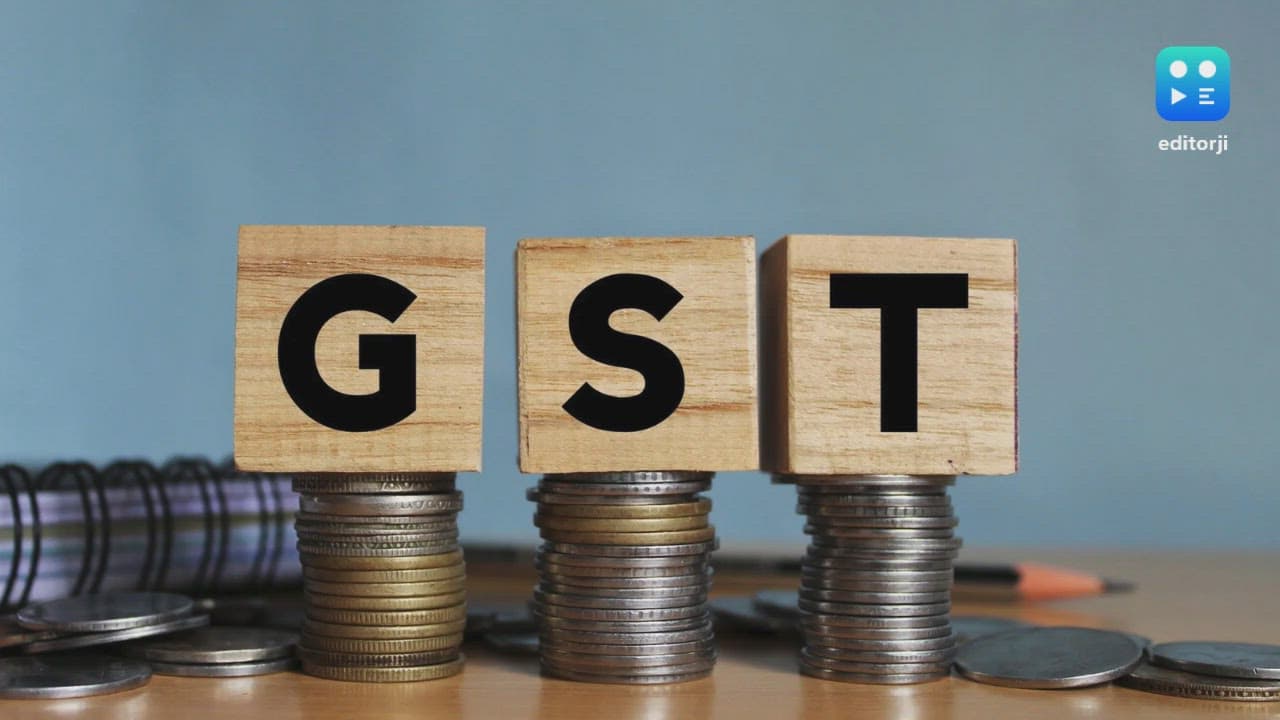
RBI raises repo rate by 25 bps to 5.50%, shifts policy towards tightening

GST rates likely unchanged as 57th Council meeting focuses on reforms
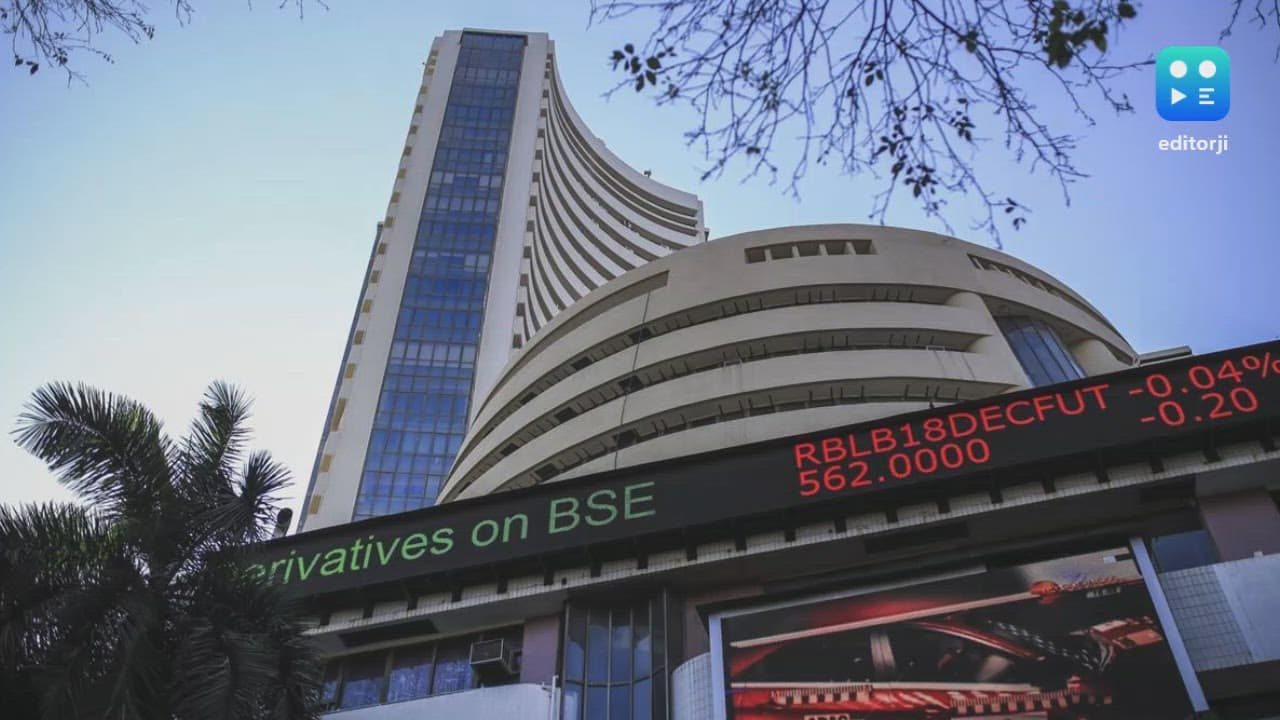
GST rates likely unchanged as 57th Council meeting focuses on reforms

Sensex gains 685 points, Nifty rises 220 points to cross 22,700
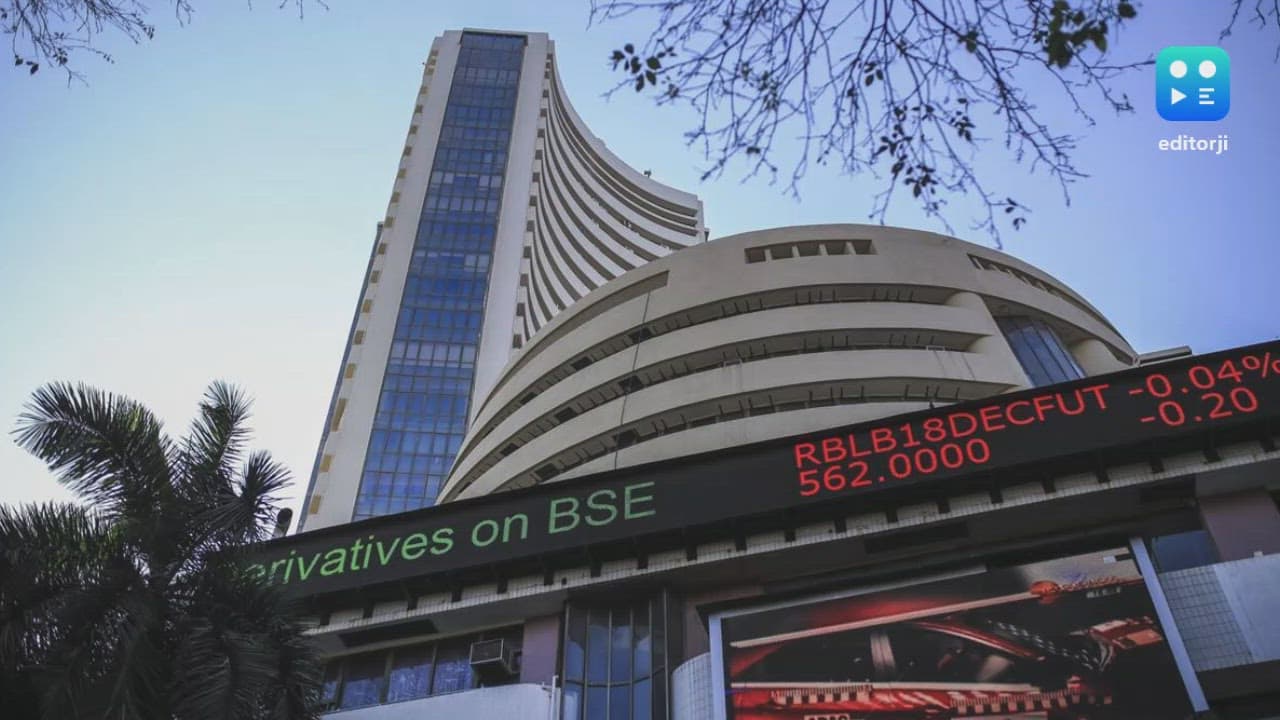
Sensex gains 685 points, Nifty rises 220 points to cross 22,700

Sensex gains 473 points, Nifty rises 134 points as markets stage recovery
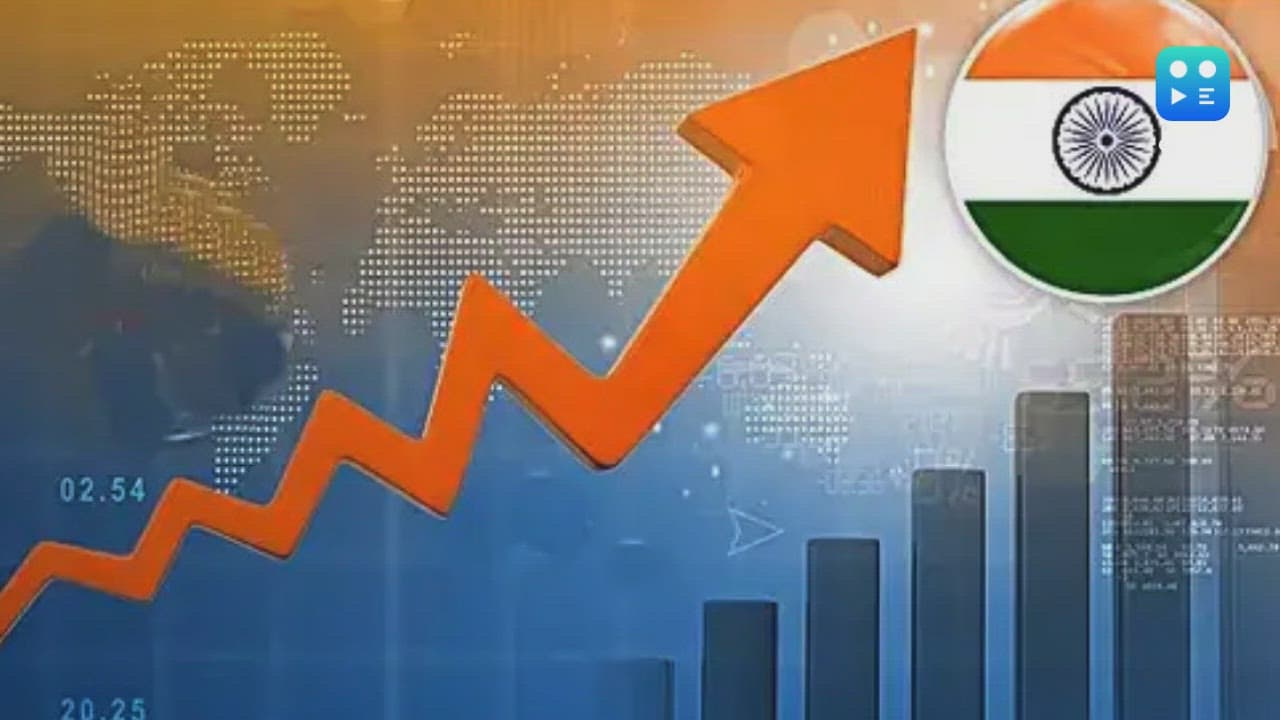
Sensex gains 473 points, Nifty rises 134 points as markets stage recovery

India To Grow 7% In FY27, Next Growth Phase Hinges On Infra, Deeper Capital Markets: S&P Global
India To Grow 7% In FY27, Next Growth Phase Hinges On Infra, Deeper Capital Markets: S&P Global

Sensex Falls 49 Points, Nifty Slips 96 As Selling Pressure Returns
Sensex Falls 49 Points, Nifty Slips 96 As Selling Pressure Returns

Sensex falls 243 points, Nifty slips 64 points as foreign outflows and crude prices weigh

Sensex falls 243 points, Nifty slips 64 points as foreign outflows and crude prices weigh

India launches anti-dumping probes into 7 Chinese products, including key pharma ingredients

India launches anti-dumping probes into 7 Chinese products, including key pharma ingredients

Editorji Technologies Pvt. Ltd. © 2022 All Rights Reserved.