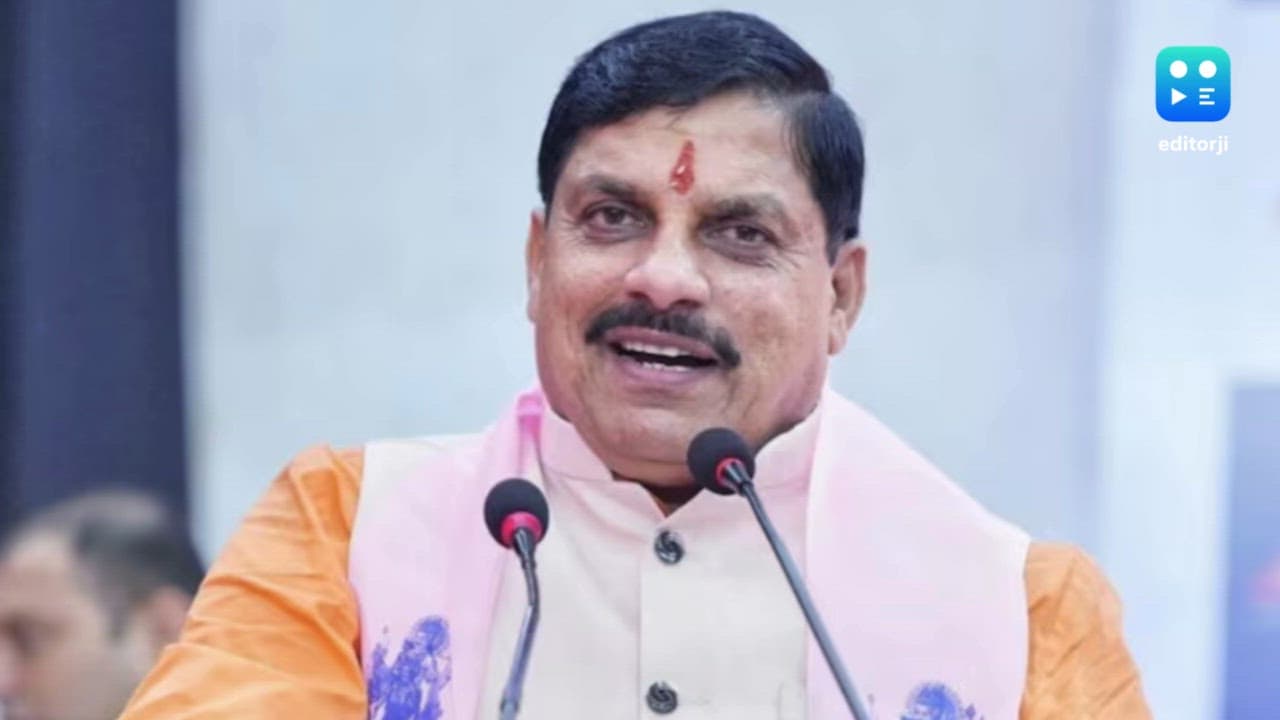
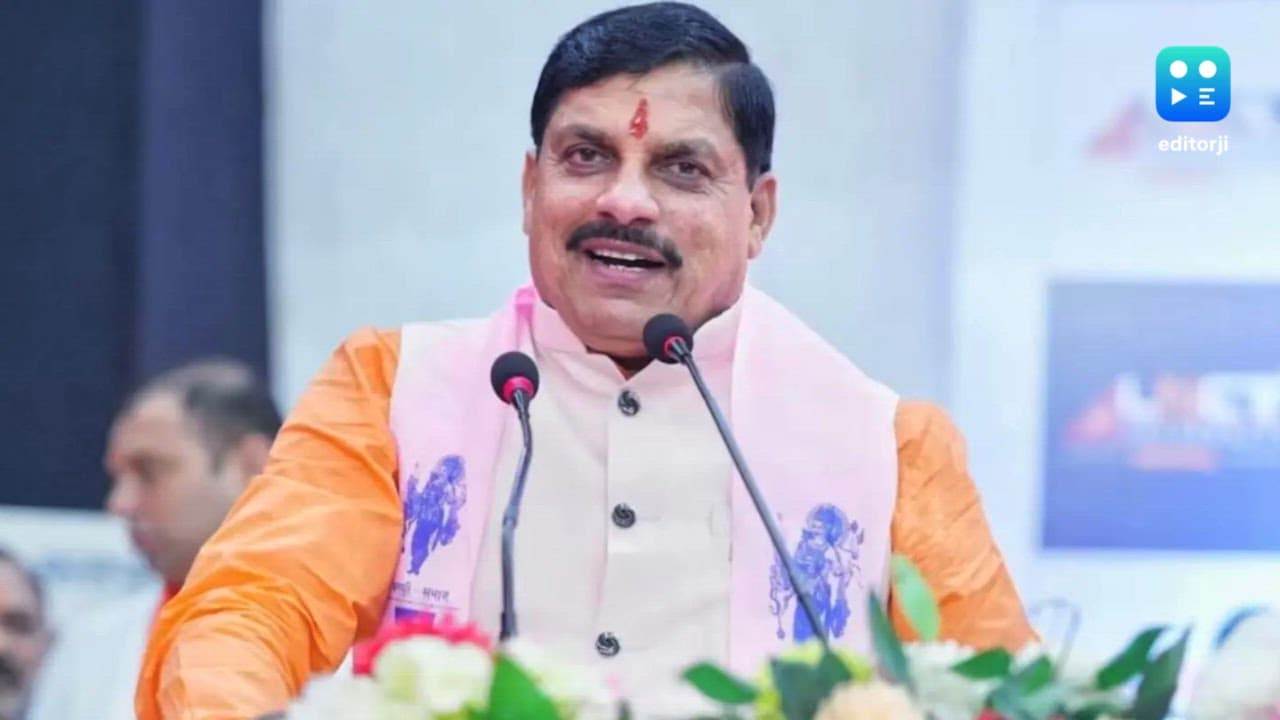
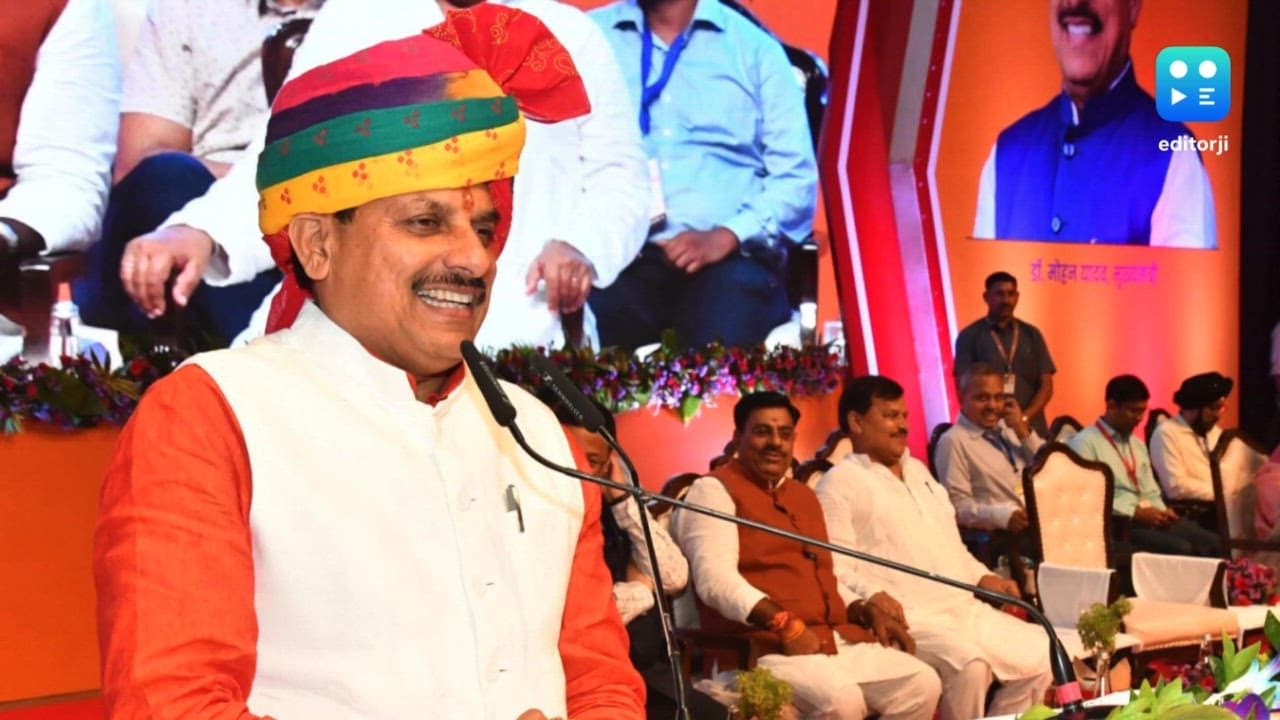
Madhya Pradesh Chief Minister Dr. Mohan Yadav has called for strict and proactive measures to tackle all forms of crime across the state.
Highlighting the state’s leadership in crime control and innovative policing practices, he said, “Madhya Pradesh has been a frontrunner in crime control and related innovations, and efforts must continue to further enhance this position.”
He also underlined the importance of eliminating distrust in Naxal-affected regions and ensuring equitable development for all. “Mistrust in Naxal-affected areas must be completely eradicated, and inclusive development and welfare for all sections of society must be ensured. Priority must be given to both development and security to build lasting public trust,” the Chief Minister said.
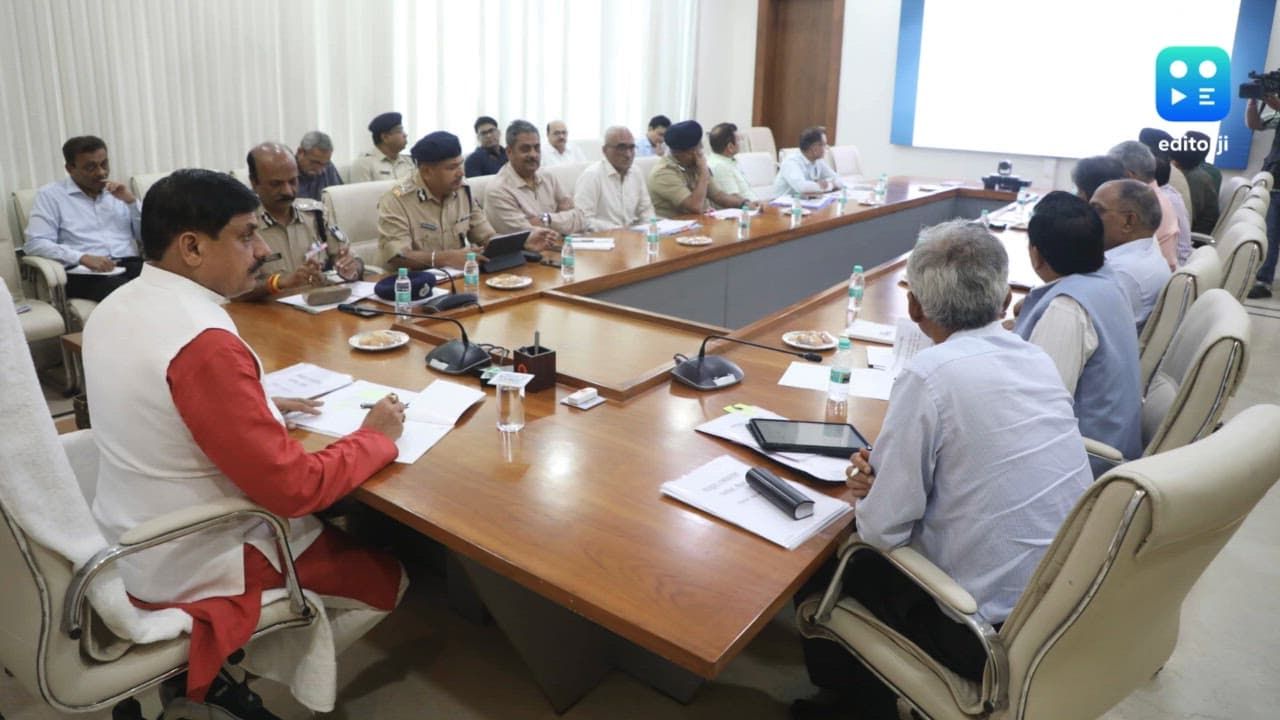
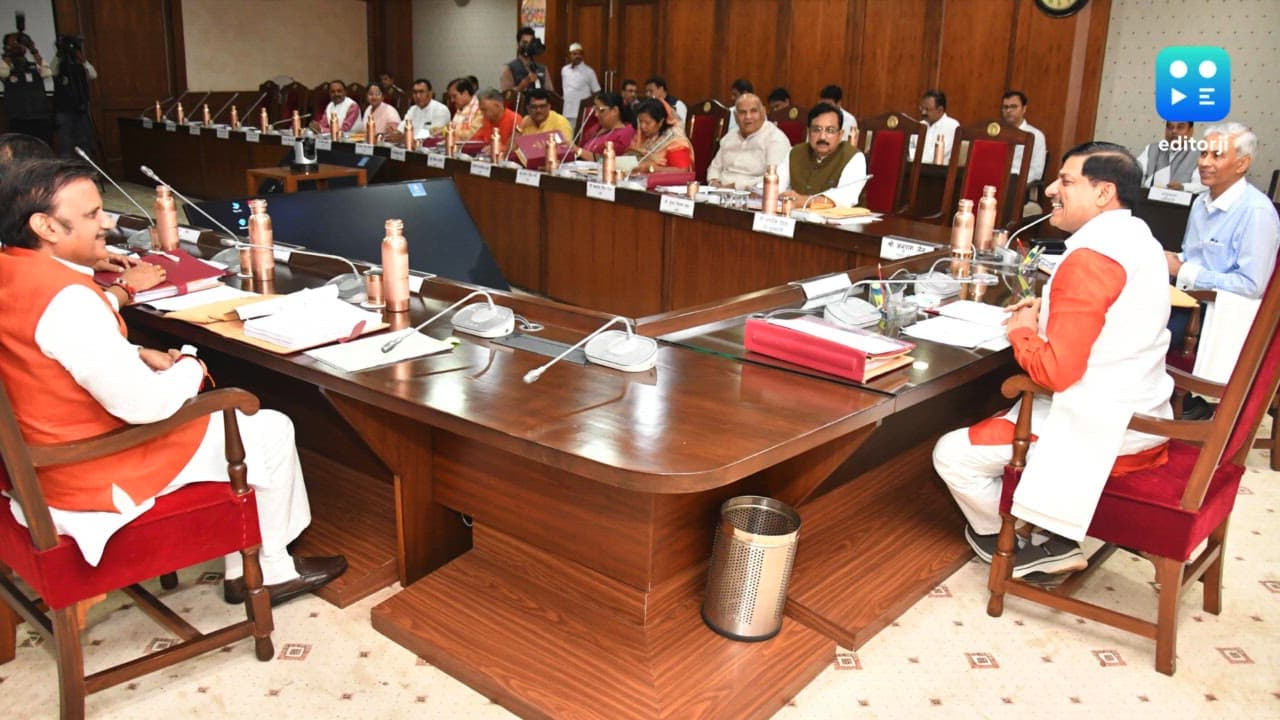
Dr. Yadav made these remarks during a high-level meeting on the state’s law and order situation, held on Tuesday evening at his official residence, Samatva Bhavan. During the session, he reviewed the ground-level scenario through video conferencing with senior administrative and police officials from Naxal-impacted districts and gave necessary instructions.
Focusing on urban safety and public confidence in policing, the Chief Minister directed authorities to act strictly against street crimes and urban law violations. “Strict action be taken against individuals involved in illegal street stunts, brandishing of weapons, cruelty toward cattle, and drug-related crimes in urban areas,” he stated. He further emphasized that “the police presence must be visible not only on the streets but also felt in the hearts of citizens.”
Calling for coordinated legal procedures, Dr. Yadav instructed that the Home and Law Departments work closely to ensure all cases are processed in accordance with the law. He highlighted that the Union Home Minister has appreciated the state's proactive role in adopting new criminal laws. “The Government of India has also commended the state’s efforts and innovations in crime control,” he noted, urging officials to “sustain this momentum and further build on these achievements.”
During the meeting, updates on anti-Naxal efforts were shared, including significant operations in Balaghat district. On June 14, security forces neutralized four Maoists, recovering weapons. A subsequent encounter on July 19 in the Lanji region led to the seizure of equipment including a computer tablet and binoculars near the tri-junction of Madhya Pradesh, Chhattisgarh, and Maharashtra.
District-level administrative efforts were also reviewed. Officials informed that public service camps are being held weekly in Naxal-affected villages, and 344 tribal dance groups have received traditional musical instruments and costumes. Welfare schemes are being linked through Single Window Centers, and Forest Rights Certificates are being actively distributed. Additionally, millets are being supplied to ensure food security.
The Balaghat Collector reported timely honorarium payments to tendu leaf collectors. In Mandla, health camps are identifying sickle cell anemia cases, and efforts are ongoing to double the cultivation of kodo and kutki millets. The Dindori district is processing applications under the Forest Rights Act, while Jabalpur division is focusing on improving health, women and child welfare, and food schemes.
Chief Secretary Anurag Jain, DGP Kailash Makwana, and several senior officials were present at the meeting.
Among key directives issued by CM Dr. Yadav were:
- Police must take prompt action against all types of crimes.
- Madhya Pradesh is leading in the implementation of new criminal laws; this recognition by the Government of India must be sustained and enhanced.
- Training programs related to e-evidence and advancements in e-summons are commendable and should be further improved.
- Effective use of information technology in crime control must be ensured; new technologies should be fully utilized.
- All infrastructure development works in Naxal-affected areas must be completed on priority.
- Beneficiary-oriented schemes in Naxal-hit regions should be effectively implemented, with the goal of achieving 100% saturation.
- Projects such as mobile tower installations in Naxal-affected areas must be expedited, as improved connectivity will enhance the outcomes of anti-Naxal operations.
- Necessary actions related to the issuance of Forest Rights Certificates must be completed in all relevant areas.
Dr. Yadav reaffirmed his government’s commitment to ensuring both safety and development, particularly in regions affected by extremism.