


Highlights
- India says US targeted three merchant vessels
- Three Indian seafarers killed in tanker strike
- New Delhi lodges strong protest with Washington
Latest news

vivo Buds Review: The Budget Earbuds I’d Actually Trust for a Full Workweek

Infinix HOT 70 Pro 5G Review: Big Battery, Distinct Design, But Is It Worth It?

Apple iPhone Duo Price In India: What Do You Get For ₹2,99,900?

iPhone Duo Costs ₹2,99,900 In India. Here’s What It Costs In Other Countries

iPhone 18 Pro vs iPhone 17 Pro: What Does Apple Actually Give You For ₹1.65 Lakh?

Google Pixel 11 Pro XL Review: Google Knows Exactly What It’s Good At

Logitech Launches MX Keypad in India, Brings Physical Controls to AI Coding Workflows

Smartphone Habits Are Reshaping What Indian Consumers Expect From Laptops and AI PCs
3 vessels with Indian seafarers attacked by US Navy; India says these strikes must stop


Frequently Asked Questions
Up Next

3 vessels with Indian seafarers attacked by US Navy; India says these strikes must stop
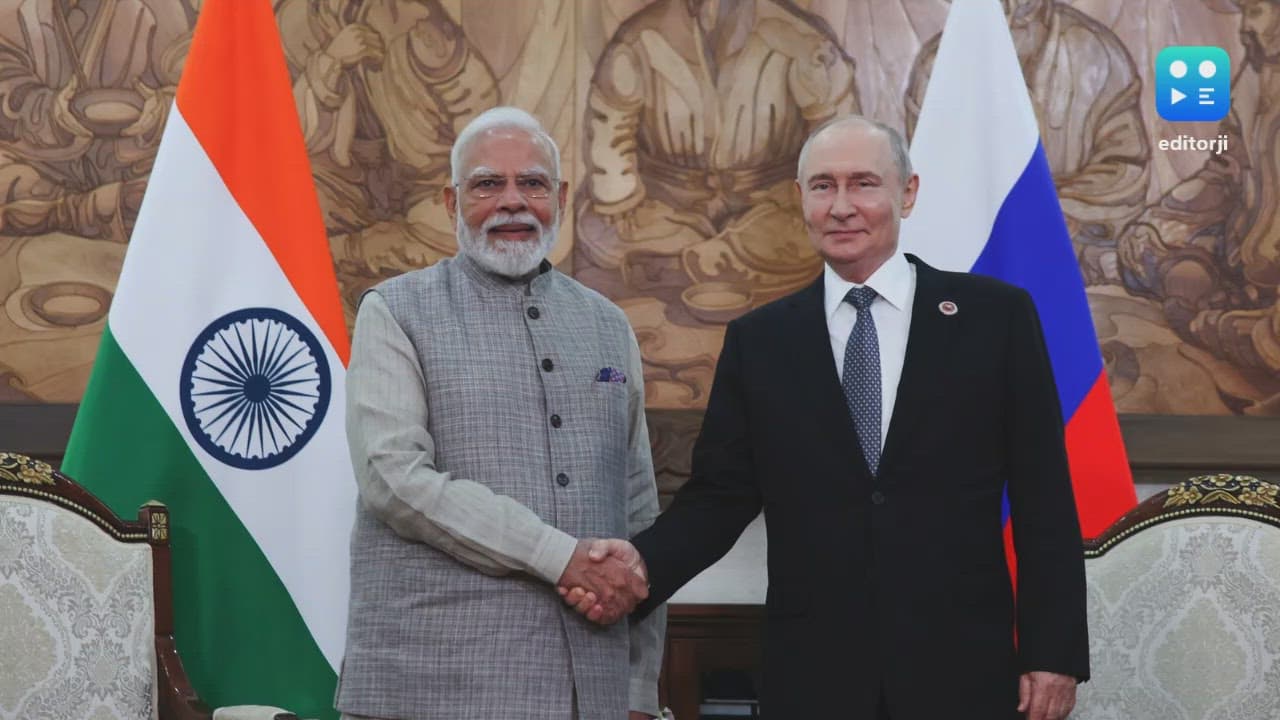
PM Modi, Putin Discuss Global Issues, India-Russia Ties At Bishkek Meeting

“No Need To Panic”: AIIMS Rishikesh Director On Rising COVID, H1N1 Cases In Uttarakhand
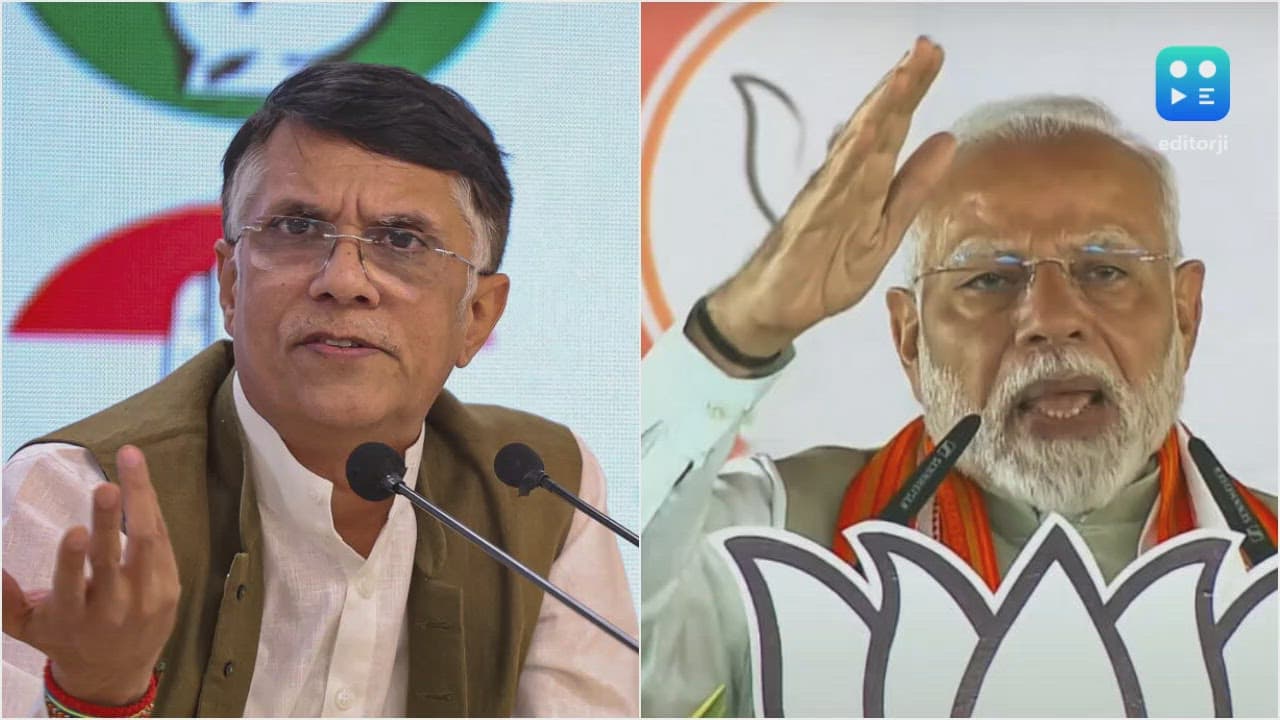
Pawan Khera Hits Back At Modi Over 7.8% GDP Growth, Asks ‘Where Are The Jobs?’

Ankit Baliyan Murder: Wife Thanks Yogi After Two Suspects Killed In Encounter

Himachal Monsoon Death Toll Rises To 256, Losses Cross Rs 1,202 Crore

More videos
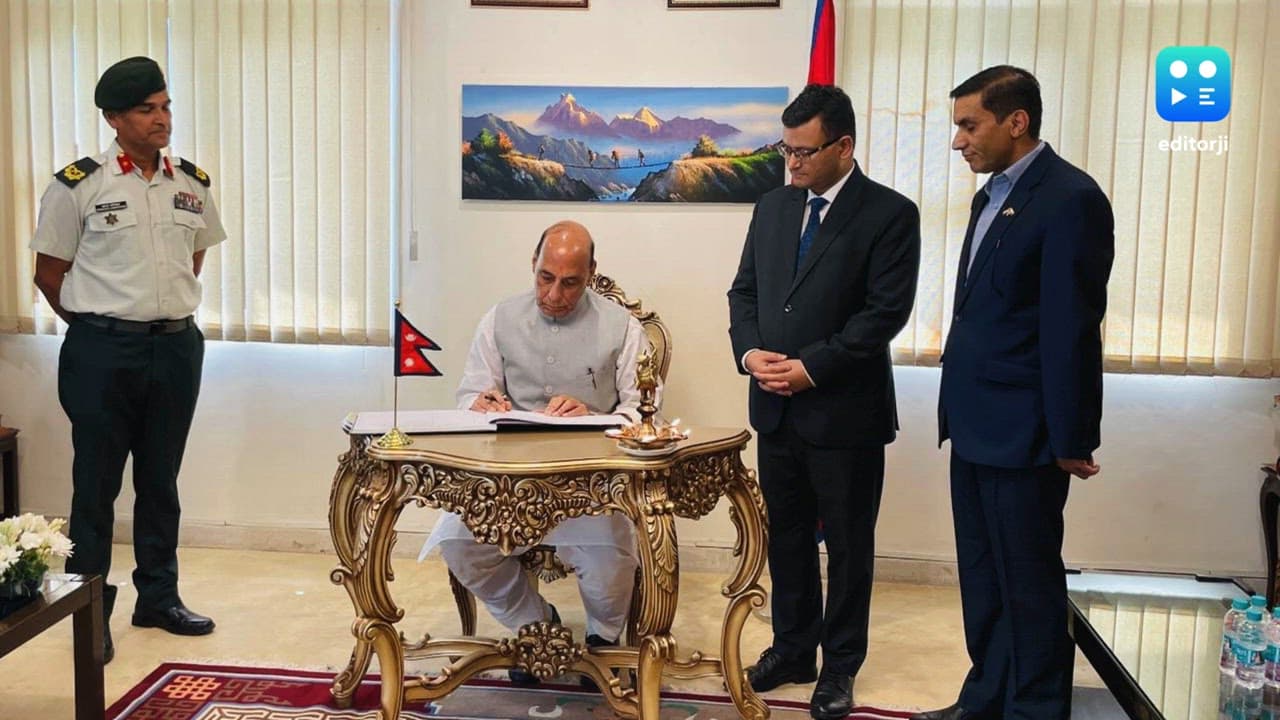
Rajnath Singh Visits Nepal Embassy, Assures Support Amid Flood Crisis
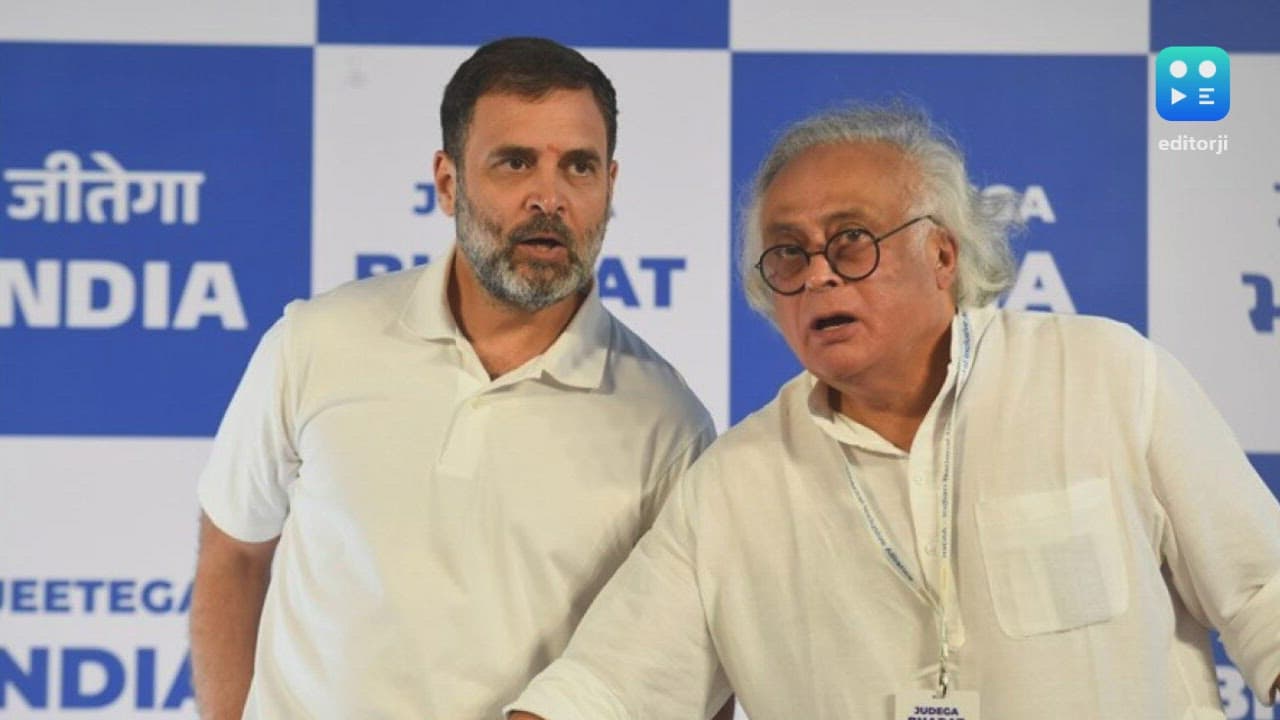
Haldwani ‘Shuddhikaran’ Row: FIR Against Rahul Gandhi, Congress Hits Back

Delhi: Two Arrested In Teenage Girl’s Gang Rape Case On Moving Bus
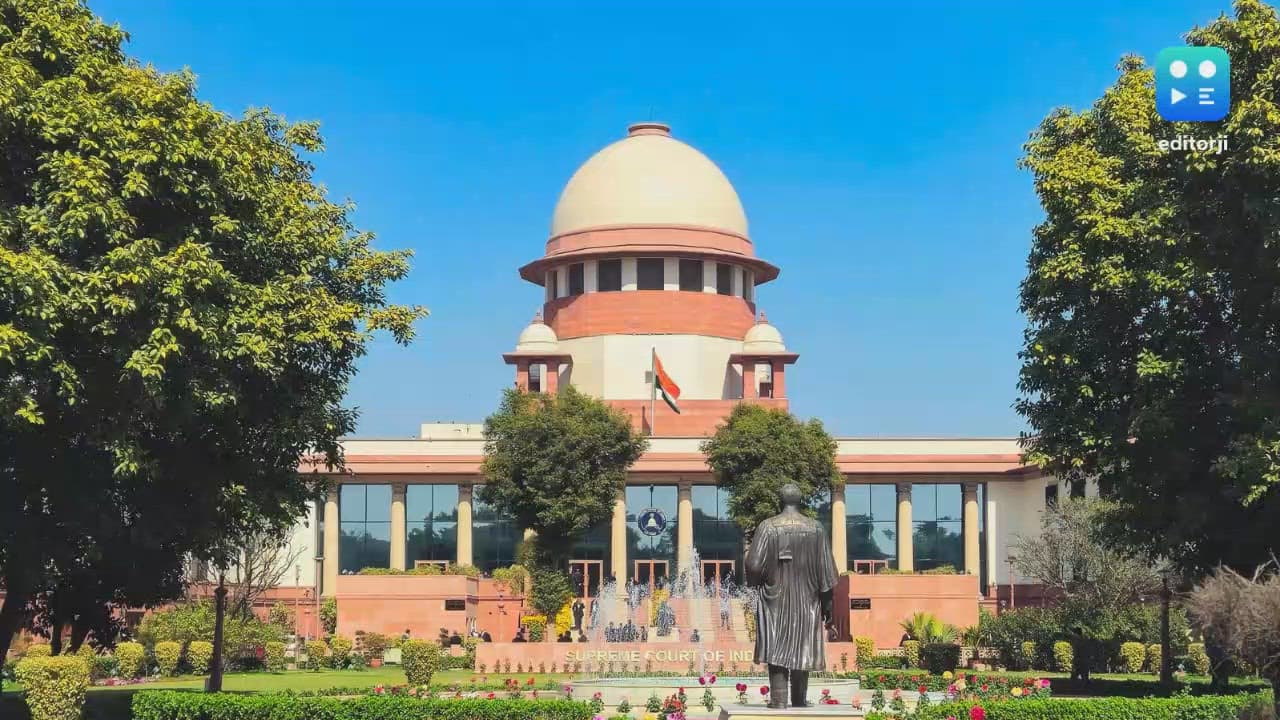
Supreme Court Refuses Urgent Plea Against CJP’s September 5 Protest March

Editorji Launches Hook Global, Its International Digital News Brand
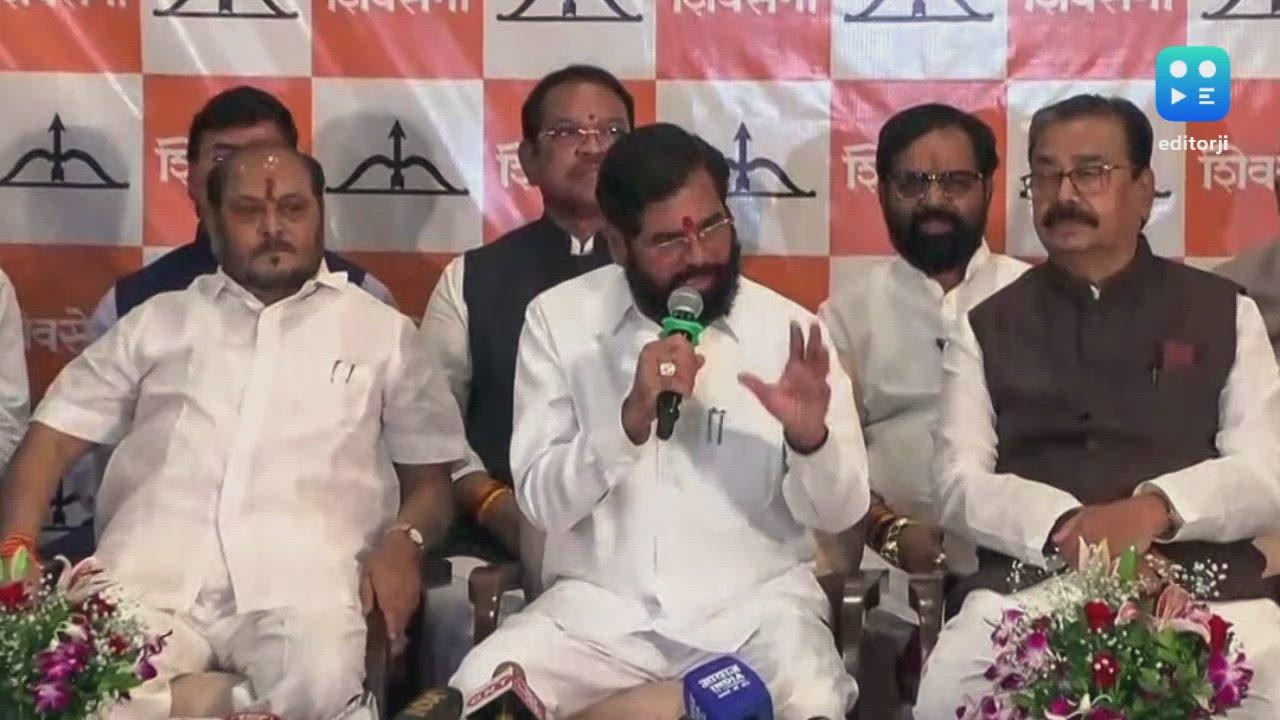
'Operation Tiger is complete,' roars Shinde as 6 Uddhav MPs join his Sena; calls them Dhurandhar
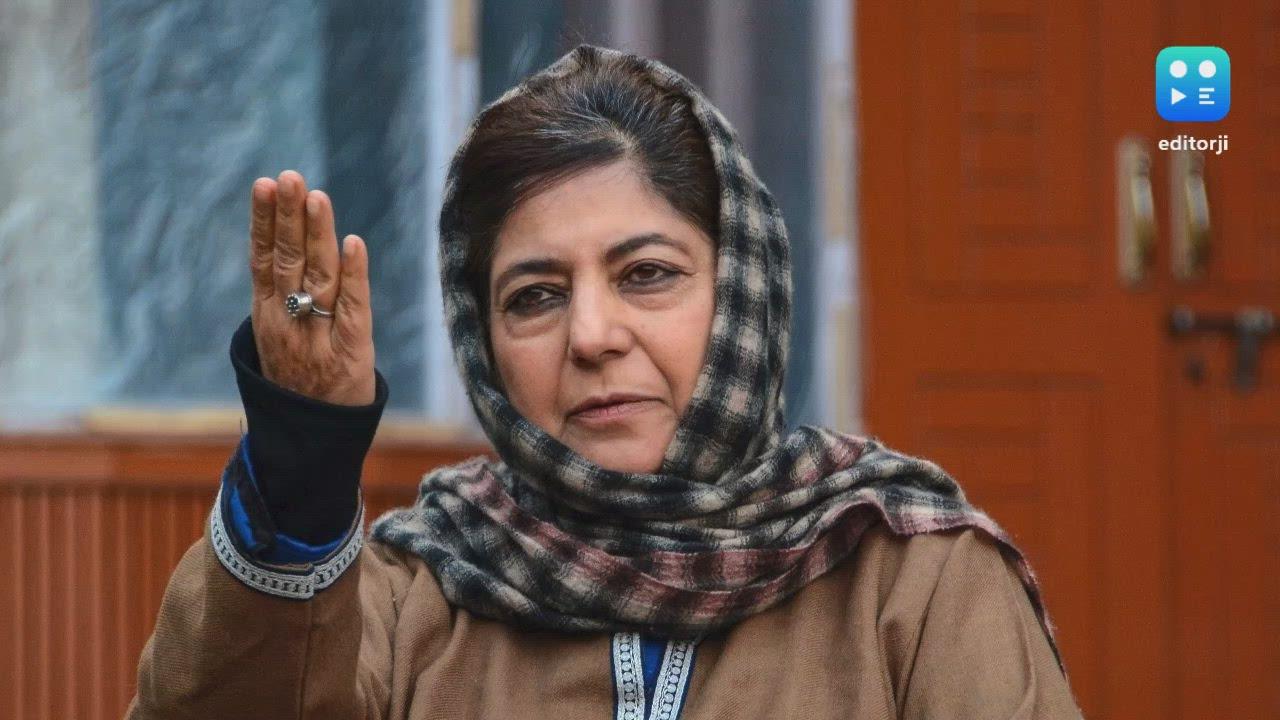
Kashmiri Pandits should move on, stop being prisoners of past: Mehbooba
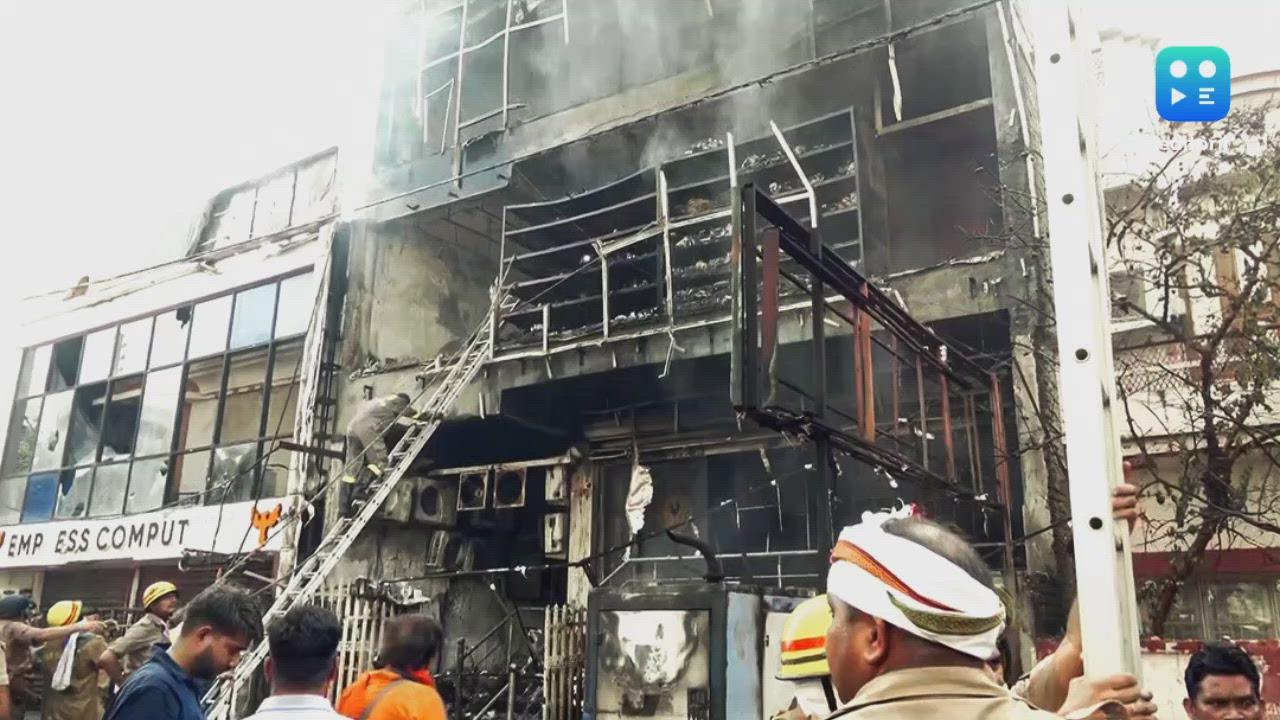
At least 15 dead as fire rips through Lucknow building, students among victims
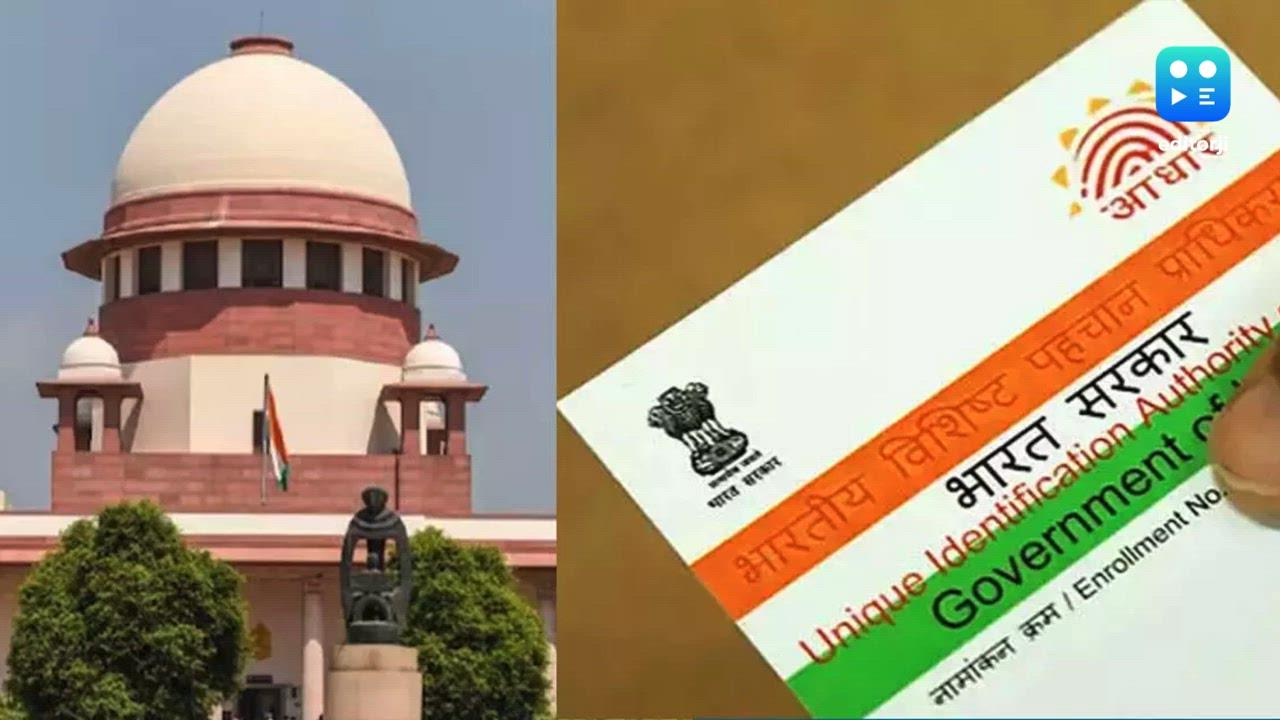
SC seeks responses of Centre, States on plea for use of Aadhaar as identity proof only
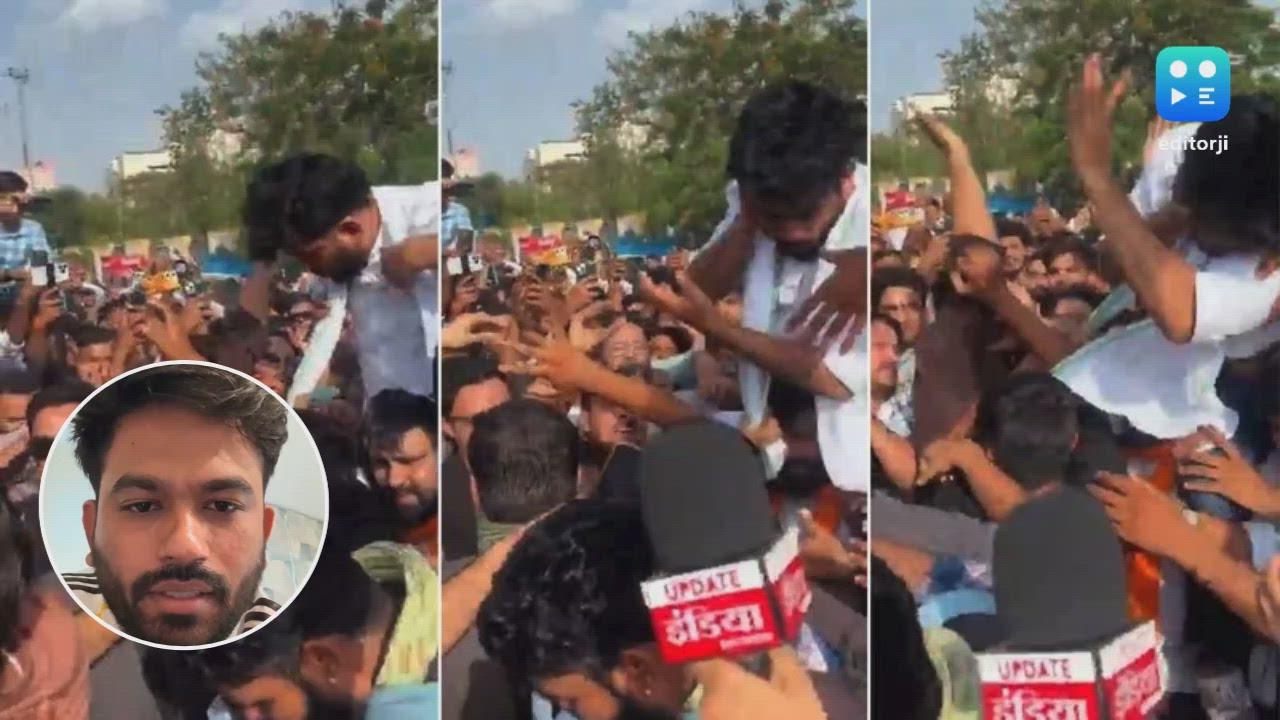
Abhijeet Dipke slapped during Jaipur protest; 'intimidation tactics', alleges CJP founder