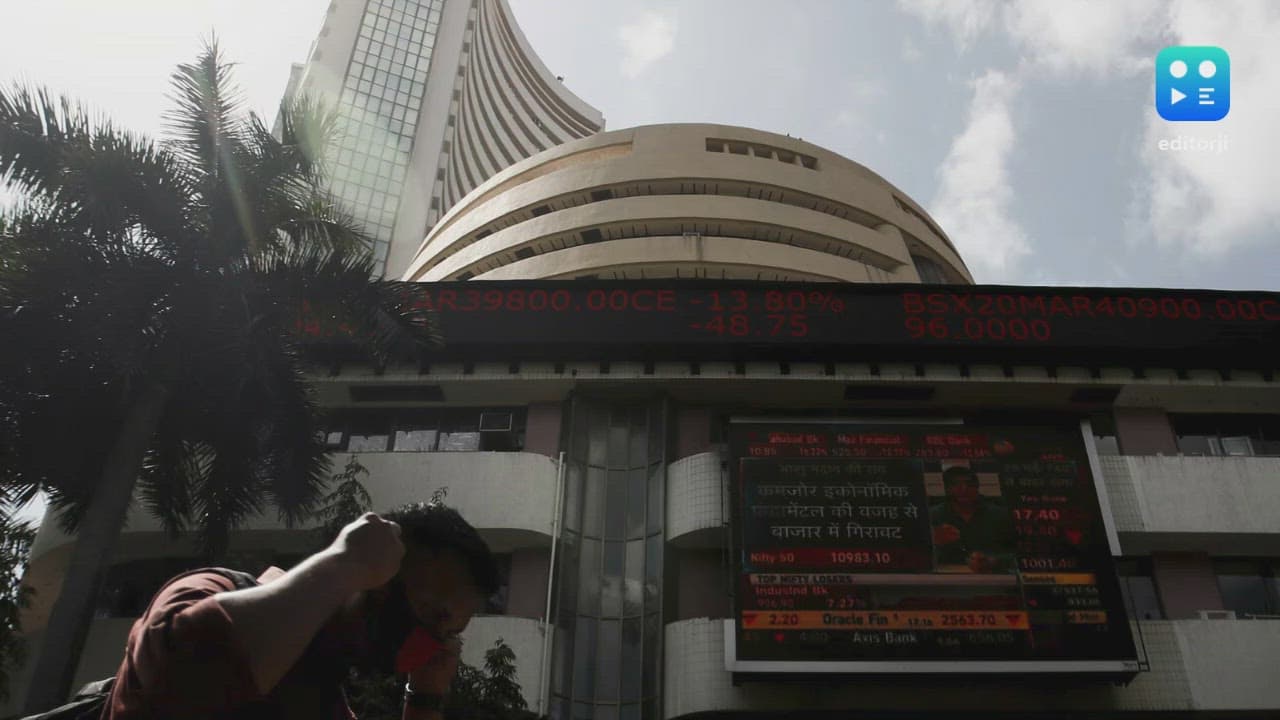
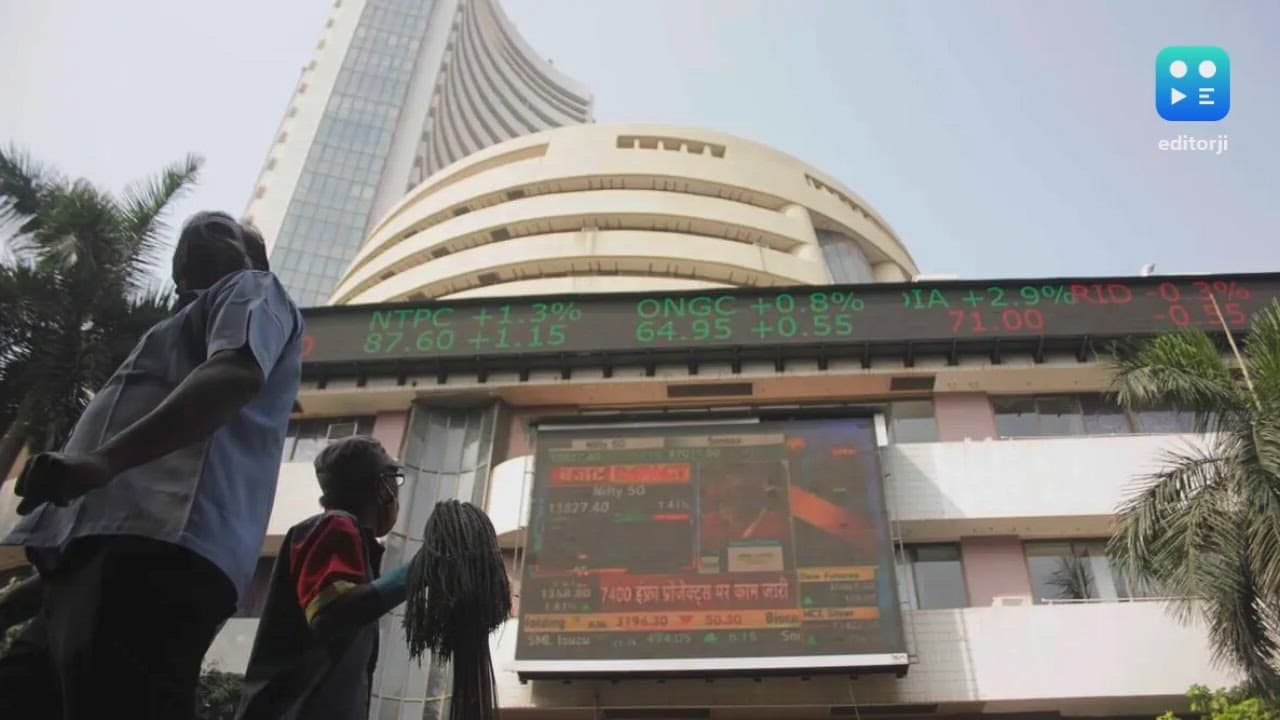
Indian equity markets witnessed a sharp sell-off on Monday, with the Sensex plunging over 1,100 points and the Nifty 50 declining more than 1.5 per cent as rising crude oil prices, elevated US bond yields and a weakening rupee intensified concerns over inflation and foreign fund outflows.
The BSE Sensex settled at 72,771.72, shedding 1,124.02 points or 1.52 per cent. The Nifty 50 closed at 22,780.25, down 360.25 points or 1.56 per cent.
The decline extended across sectors, with nearly all sectoral indices on the NSE ending in negative territory. Banking, realty, metals and oil and gas stocks faced considerable selling pressure, reflecting concerns over rising input costs and the broader global economic outlook.
The Nifty PSU Bank index led the losses among major sectoral indices, tumbling more than 3.20 per cent. Nifty Realty dropped 2.32 per cent, while Nifty Oil and Gas declined 1.97 per cent and Nifty Metal fell 1.90 per cent.
Nifty Auto slipped 1.74 per cent, Nifty FMCG declined 1.38 per cent, while Nifty IT registered a relatively modest fall of 0.09 per cent.
Crude oil, US bond yields weigh on investor sentiment
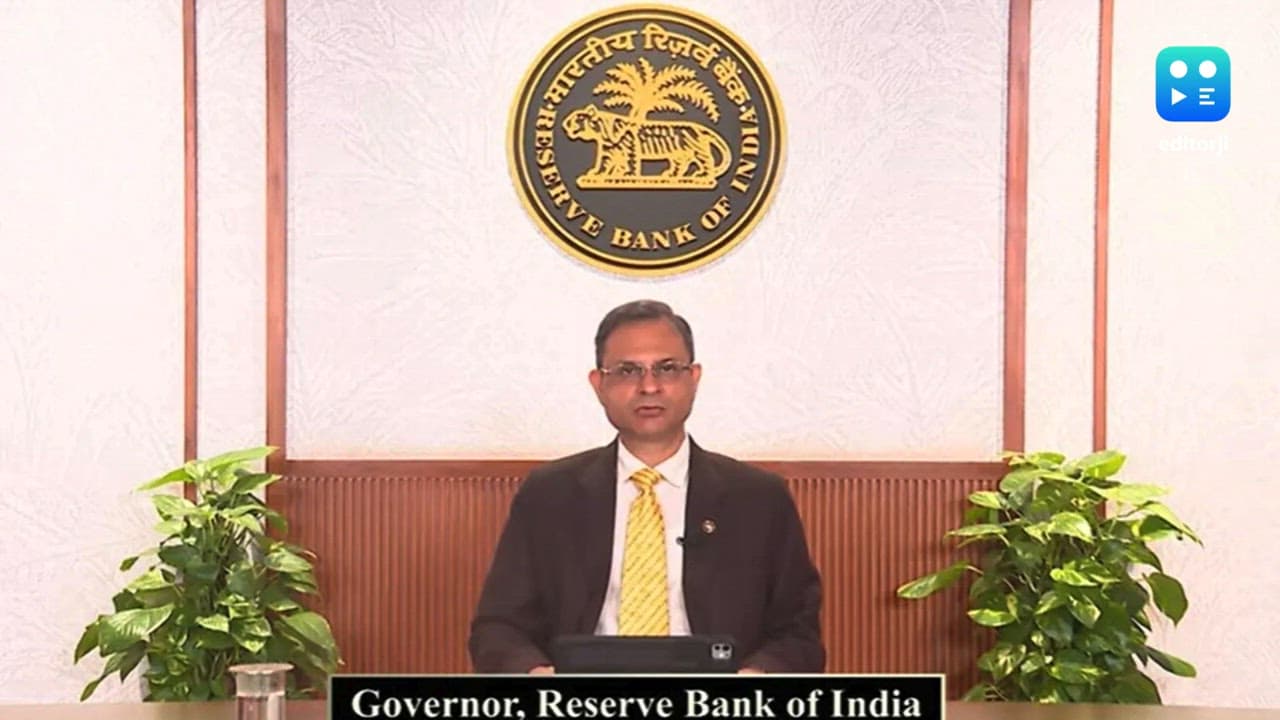
Vikram Kasat, Chief Business Officer – Advisory and Dealing at PL Capital, attributed the market downturn to mounting international macroeconomic pressures rather than domestic factors alone.
“With Brent crude moving above USD 106, US 10-year yields near 5.2 per cent and the rupee weakening towards Rs 96 per dollar, concerns around inflation, import costs and emerging-market flows have intensified,” Kasat said.
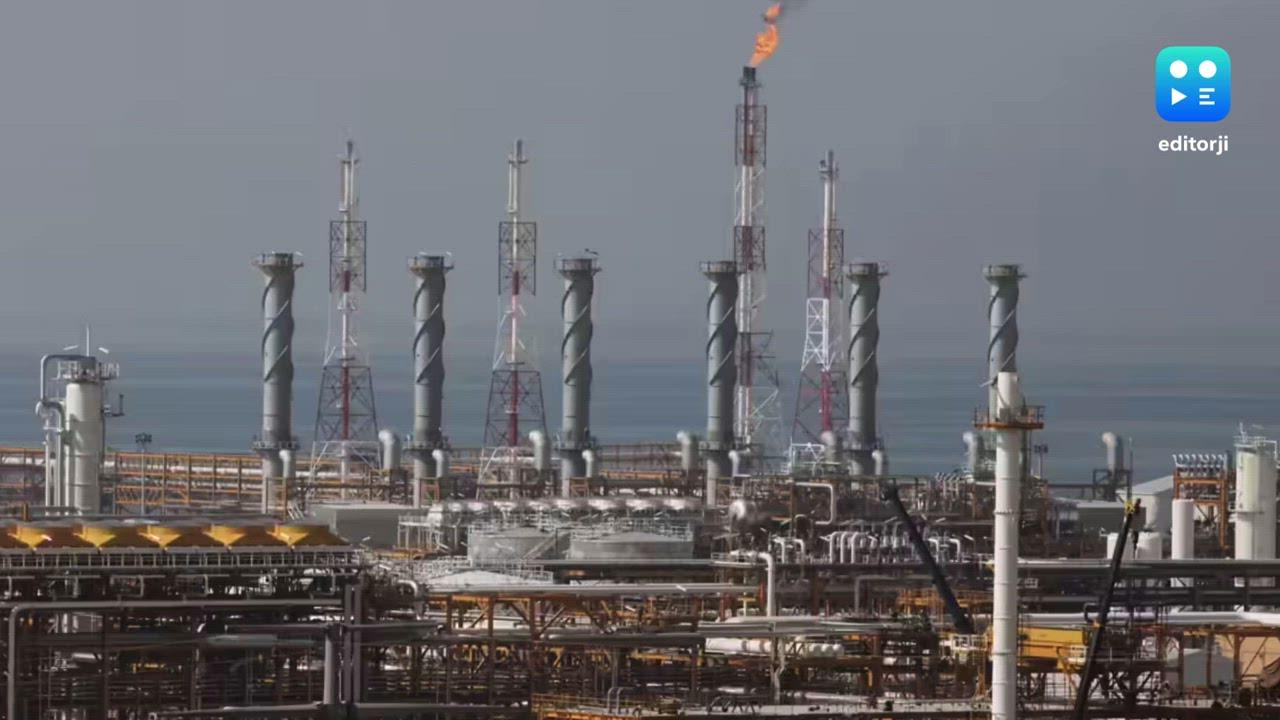
Brent crude prices climbed more than 3 per cent on Monday, reaching USD 107.88 per barrel at the time of reporting. The increase heightened concerns for India, which relies heavily on imported crude oil to meet its energy requirements.
Kasat cautioned that continued increases in crude prices and additional foreign institutional investor (FII) outflows could prolong volatility in domestic equities.
However, he noted that any easing of tensions between the US and Iran, a correction in oil prices or a decline in bond yields could help markets stabilise.
He advised investors to remain selective, prioritising companies with earnings visibility and strong balance sheets amid the uncertain environment.
Dr Reddy's, Infosys buck market trend; Jio Financial among top losers
Selling pressure was also evident in individual stocks, with just two Nifty 50 constituents, Dr Reddy's and Infosys, managing to close in positive territory.
Jio Finance, Adani Enterprises, TMPV, Tata Consumer and Bajaj Auto featured among the biggest losers in the benchmark index.
The weakness extended to precious metals, with gold and silver prices registering sharp declines.
Gold fell more than 2.5 per cent to Rs 1,47,100 per 10 grams for 24-carat gold at the time of reporting. Silver prices declined 3.25 per cent to Rs 2,26,988 per kg.
Middle East tensions keep crude oil markets on edge
N S Ramaswamy, Head of Commodity & CRM at Ventura, said Brent crude November futures had moved back above the $106-per-barrel mark as concerns persisted over prolonged disruptions to oil supplies from the Middle East.
He said, “Market sentiment has been supported by uncertainty around the Strait of Hormuz after U.S. President Donald Trump rejected Iran’s proposal to reopen the key shipping route, while Iran continues to await a clear U.S. response. Meanwhile, tensions between Saudi Arabia and the Houthis remain elevated, with Saudi Arabia intercepting drones amid renewed security concerns”.
Ramaswamy identified the $108-$109 per barrel range as the immediate resistance zone for crude oil. A sustained move above this level could push prices towards $112 and $115 per barrel.
On the downside, immediate support levels were placed at $104, $101 and $97 per barrel.
The developments around the Strait of Hormuz and continued regional tensions have kept attention focused on the potential impact on global energy supplies and oil-importing economies.
Asian markets deliver mixed performance
Equity markets across Asia ended Monday's session on a mixed note, with losses in Japan and South Korea contrasting with gains in Singapore and Hong Kong.
Japan's Nikkei 225 declined 0.20 per cent to close at 66,230, while South Korea's KOSPI recorded a sharper fall of 2.77 per cent, ending at 6,889.
In contrast, Singapore's Straits Times index gained 0.31 per cent to settle at 5,729. Hong Kong's Hang Seng also advanced, rising 0.47 per cent to close at 24,626.