


Highlights
- RBI Keeps Repo Rate Unchanged At 5.25%
- Home Loan Rates Depend On Benchmark, Spread And Reset
- Borrowers Should Check Their Loan Terms Before Acting
Latest news

How to Open an FD Account and Choose the Right Deposit Amount, Tenure and Interest Payout Option

Credit Card Cash Withdrawal: Charges You Must Know Before You Swipe

A New Chapter in PCs: NVIDIA RTX Spark PCs Launched in India Starting at ₹2.99 Lakh

From Toy Faces To Lucky Charms, DailyObjects’ New Cases Put Art On iPhones

Why Retirement Planning is Shifting From Wealth Accumulation to Income Sustainability

OPPO 45W 20000mAh Power Bank Review: No Mess, Fast Speeds, Real Value

One in Three Laptop Buyers Wants to Upgrade for AI; 24% Are Open to Snapdragon, Survey Finds

Dell’s New Pro Headsets Offer AI Noise Reduction and Replaceable Batteries
Repo rate today at 5.25%: how long an RBI decision takes to reach your home loan interest rate


The repo rate today stands at 5.25%, unchanged after the RBI's Monetary Policy Committee (MPC) meeting on 5 August 2026. A change in the repo rate does not automatically lower your home loan interest rate on the same day. Whether your rate moves, and when, depends on your loan type, benchmark, spread, and reset terms.
Floating-rate loans linked to an external benchmark are most directly affected. Fixed-rate loans are not. If you're reviewing your loan after an RBI decision, your first step is to check your sanction letter, not the headline rate.
Bajaj Finance offers home loans up to Rs. 15 crore*, with interest rates starting at 7.25%* p.a. and a repayment tenure of up to 32 years*.
What does the repo rate have to do with your home loan interest rate?
The repo rate is the rate at which the Reserve Bank of India (RBI) lends short-term funds to eligible financial institutions against approved securities. Your home loan interest rate is what your lender charges on the outstanding loan balance.
The two are connected when your loan uses a floating rate tied to an external benchmark. The RBI's external benchmark framework requires banks to link new floating-rate retail loans, including housing loans, to specified external benchmarks.
When that benchmark changes, your lending rate can adjust, based on your loan's reset terms and your lender's spread.
So, when can the repo rate change your home loan interest rate?
There is no fixed waiting period. The transmission chain works like this: the RBI changes the policy repo rate, the applicable external benchmark adjusts, your lender applies the contractual spread and reset terms, and your home loan interest rate can then move.
Your lender does not simply swap your current rate with 5.25%. Your actual rate is the sum of your benchmark at the time of reset and the spread set at sanction. A fixed-rate loan sits entirely outside this chain - it does not respond to repo-rate movements during the fixed period. The RBI's external benchmark regime requires banks to monitor how benchmark changes transmit into lending rates, but only floating-rate borrowers are in scope.
What decides how quickly your home loan interest rate moves?
Four factors determine the timing and size of any rate change for floating-rate borrowers.
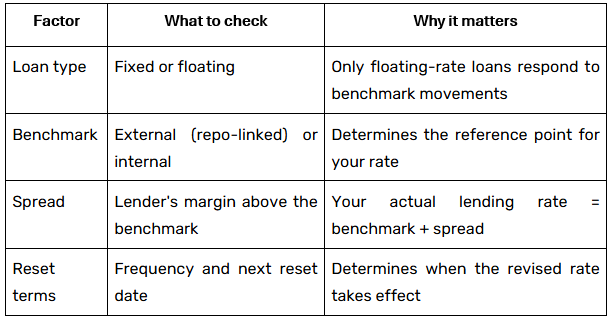
The repo rate today is 5.25%. That is not your home loan interest rate. Understanding these four factors tells you far more than any RBI headline number.
What happens when the repo rate stays at 5.25%?
On 5 August 2026, the MPC voted unanimously to hold the policy repo rate under the liquidity adjustment facility (LAF) at 5.25%. The standing deposit facility (SDF) rate remained at 5.00%. The marginal standing facility (MSF) rate and Bank Rate remained at 5.50%. The MPC continued with a neutral stance.
For borrowers, a hold means there is no new rate movement for a lender to pass through. Your existing home loan interest rate will not change as a direct result of this decision. If a cut does occur in a future MPC meeting, three outcomes become possible depending on your loan terms: your EMI can reduce, your tenure can shorten, or both can adjust partially. The RBI's borrower-protection framework states that applicable floating-rate borrowers can be offered choices involving EMI, tenure, or both when a benchmark shift affects repayment.
A lower EMI improves your monthly cash position. A shorter tenure reduces total interest cost but may require a higher monthly payment. Neither is automatically better; it depends on your current income and repayment capacity.
Why the reset date matters more than the RBI announcement date
Consider Arnav, a 34-year-old salaried professional in Bengaluru with a floating-rate home loan. After an RBI rate cut, he expects his EMI to fall within days. That assumption is likely wrong.
Here is the correct sequence. First, confirm whether the loan's benchmark is repo-linked. Second, find the next reset date - that is when the revised rate applies, not the date of the RBI announcement. Third, calculate the revised lending rate using the new benchmark plus the spread. Fourth, check whether the lender adjusts the EMI, the tenure, or both.
The reset date, not the RBI announcement date, drives the timing. Even in a rate-cut scenario, Arnav's EMI will not change until the reset date arrives and the lender applies the revised benchmark. In the current case, where the rate was held, nothing changes at all until a future rate movement and a subsequent reset date align.
What should you compare before choosing a home loan rate?
A repo-rate headline is one input among several. Before choosing a loan, compare these:
● Starting interest rate and rate type
● Benchmark used and how often it resets
● Lender's spread and whether it can change
● Repayment tenure available
● EMI at the chosen loan amount
● Part-prepayment and foreclosure terms
● Processing charges
For reference, Bajaj Finance home loans offer interest rates starting at 7.25%* p.a. with an EMI of Rs. 671 per lakh*, a loan amount up to Rs. 15 crore*, and a repayment tenure of up to 32 years*. Borrowers can opt for an externally benchmarked interest rate. For individual borrowers choosing a floating rate for non-business purposes, there is no foreclosure charge on the full loan amount or part-prepayment, subject to applicable terms. Processing fees are up to 4% of the loan amount plus GST.
Salaried applicants can apply between the ages of 23 and 67. Self-employed professionals can apply between 23 and 70. A CIBIL Score of 725 or above is the stated minimum. The 7.25%* p.a. starting rate reflects the best-case pricing - your actual rate depends on your profile, income, and loan amount. Applications can receive approval within 48 hours* of submission, subject to documentation and terms. This product may not suit a borrower seeking a fully fixed rate for the entire tenure or one who does not meet the CIBIL threshold.
What the repo rate today means for you
The repo rate today is 5.25%, as confirmed by the RBI's MPC on 5 August 2026. Because the rate was held, there is no new movement for lenders to pass through, and no automatic change to any home loan interest rate as a result. What is worth doing is understanding your own loan terms - your benchmark, spread, and next reset date - so you're positioned to act when a future MPC decision does produce a change.
If you're considering a new loan, the benchmark mechanism, rate, tenure, and charges matter more than the headline repo rate. Bajaj Finance home loans start at 7.25%* p.a. with tenure up to 32 years* and amounts up to Rs. 15 crore*. Check your eligibility, estimate your EMI, and review the terms before applying.
Frequently Asked Questions
Up Next

Repo rate today at 5.25%: how long an RBI decision takes to reach your home loan interest rate
How to Open an FD Account and Choose the Right Deposit Amount, Tenure and Interest Payout Option
Credit Card Cash Withdrawal: Charges You Must Know Before You Swipe
Why Retirement Planning is Shifting From Wealth Accumulation to Income Sustainability

How Does a Critical Illness Policy Work? Coverage, Claims & Benefits Explained
Sensex Falls 252 Points, Nifty Slips as Crude Oil Tops $106

More videos
Sensex Jumps Over 1,100 Points, Nifty Gains 1.6% as IT Stocks Rally
Sensex falls 429 points, Nifty slips 173 points after RBI rate hike

RBI raises repo rate by 25 bps to 5.50%, shifts policy towards tightening

GST rates likely unchanged as 57th Council meeting focuses on reforms
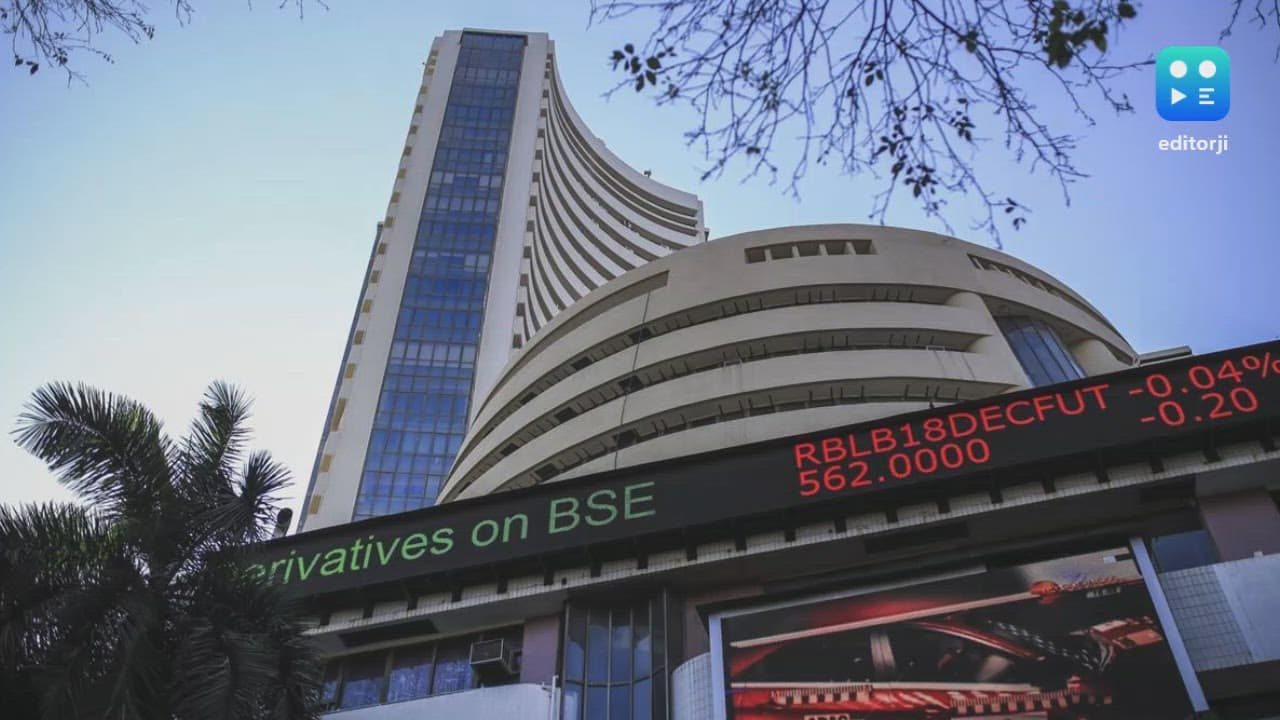
Sensex gains 685 points, Nifty rises 220 points to cross 22,700
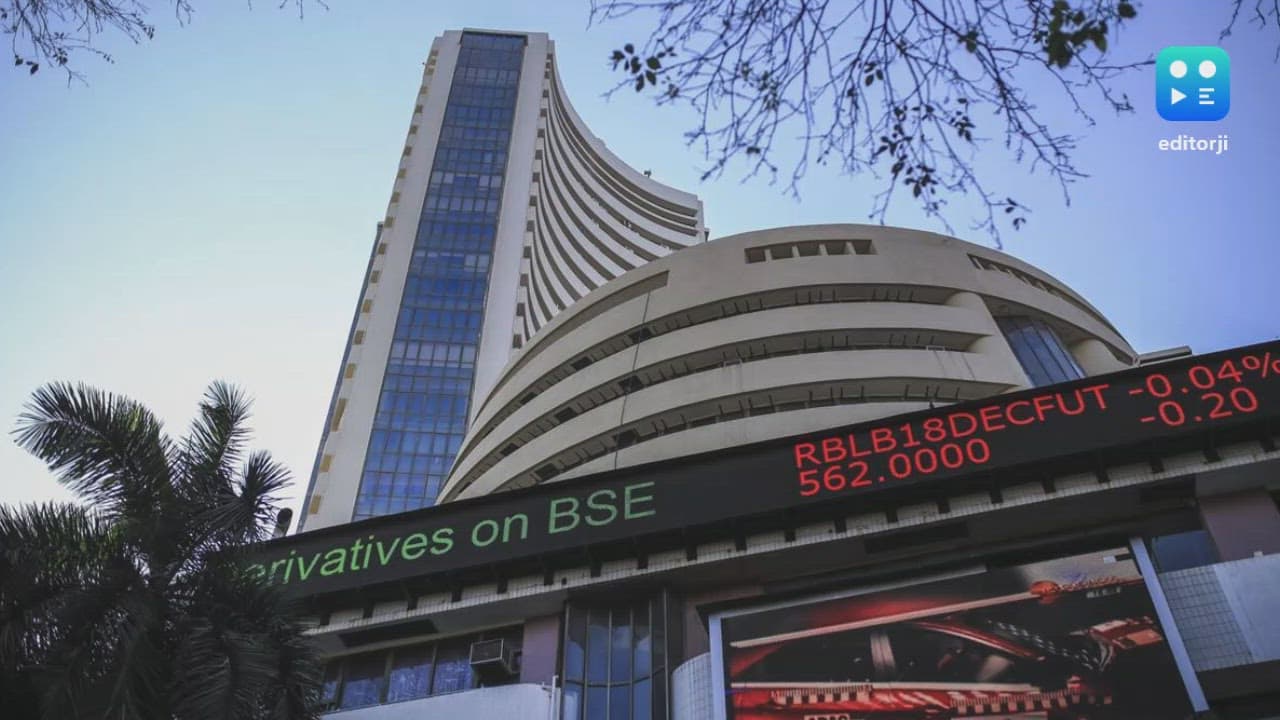
Sensex gains 473 points, Nifty rises 134 points as markets stage recovery

India To Grow 7% In FY27, Next Growth Phase Hinges On Infra, Deeper Capital Markets: S&P Global
Sensex Falls 49 Points, Nifty Slips 96 As Selling Pressure Returns
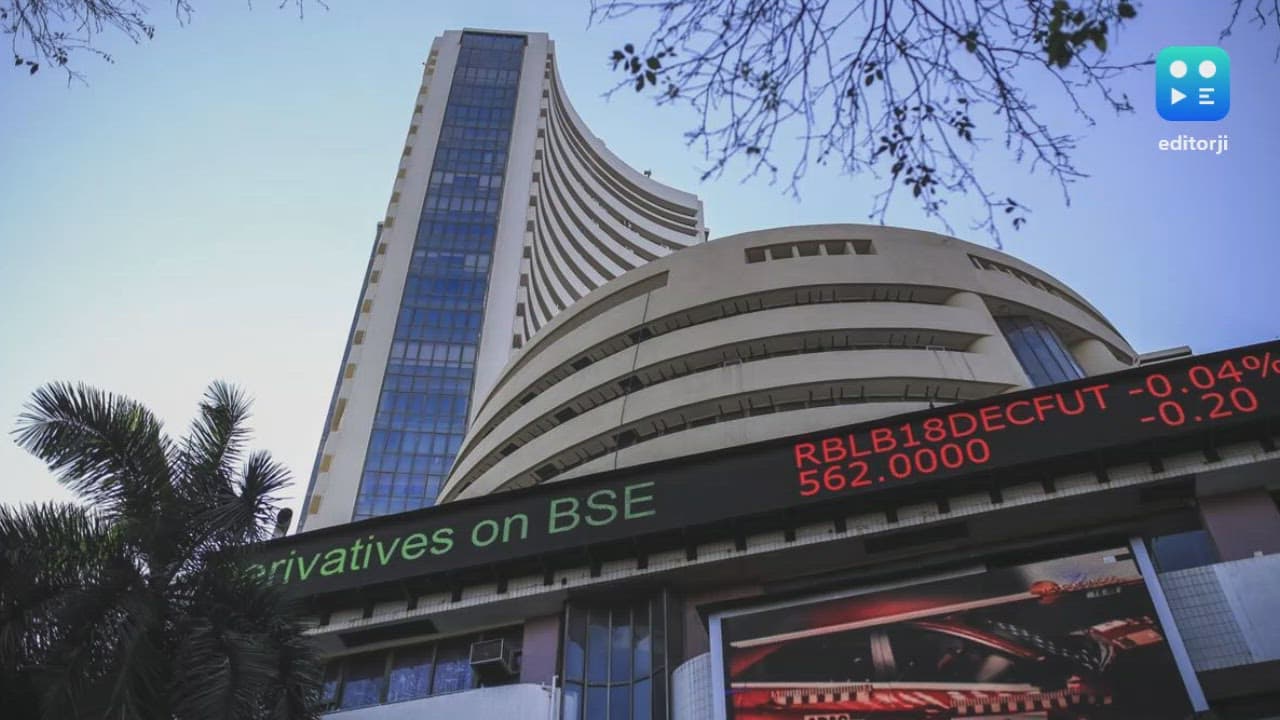
Sensex falls 243 points, Nifty slips 64 points as foreign outflows and crude prices weigh

India launches anti-dumping probes into 7 Chinese products, including key pharma ingredients