Highlights

  • About 40% of gig workers earn below Rs 15,000 monthly
  • Survey recommends minimum per-task pay and fair protections
  • Policy urges co-investment and algorithm transparency for workers

Latest news

ASUS Vivobooks Add Intel-Powered Flip Laptops, Snapdragon Battery Champs And AMD Power

ASUS Vivobooks Add Intel-Powered Flip Laptops, Snapdragon Battery Champs And AMD Power

POCO X8 Power Review: The 10,000mAh Battery Phone Done Right 

POCO X8 Power Review: The 10,000mAh Battery Phone Done Right 

Samsung Galaxy S26 FE Launched in India at Rs 79,999 With Exynos 2500 and One UI 9

Samsung Galaxy S26 FE Launched in India at Rs 79,999 With Exynos 2500 and One UI 9

vivo Buds Review: The Budget Earbuds I’d Actually Trust for a Full Workweek

vivo Buds Review: The Budget Earbuds I’d Actually Trust for a Full Workweek

Infinix HOT 70 Pro 5G Review: Big Battery, Distinct Design, But Is It Worth It?

Infinix HOT 70 Pro 5G Review: Big Battery, Distinct Design, But Is It Worth It?

Apple iPhone Duo Price In India: What Do You Get For ₹2,99,900?

Apple iPhone Duo Price In India: What Do You Get For ₹2,99,900?

iPhone Duo Costs ₹2,99,900 In India. Here’s What It Costs In Other Countries

iPhone Duo Costs ₹2,99,900 In India. Here’s What It Costs In Other Countries

iPhone 18 Pro vs iPhone 17 Pro: What Does Apple Actually Give You For ₹1.65 Lakh?

iPhone 18 Pro vs iPhone 17 Pro: What Does Apple Actually Give You For ₹1.65 Lakh?

'40 pc gig workers earn below Rs 15K/month'; Economic Survey advocates minimum per-task earnings

The Economic Survey 2025-26 highlights low earnings, income volatility, and algorithmic concerns in India’s gig economy, urging minimum pay rules, asset co-investment, and worker protections.

'40 pc gig workers earn below Rs 15K/month'; Economic Survey advocates minimum per-task earnings

Stating that about 40 per cent of gig workers in India earn below Rs 15,000 per month, the Economic Survey 2025-26 called for significant policy interventions in the gig economy, suggesting the setting of "minimum per-hour or per-task earnings", which includes compensation for waiting time, to ensure fair wages and reduce the cost disparity between regular and gig employment.

Tabled in Parliament on Thursday, the Survey said the aim of the gig-economy policy should be to reshape terms, allowing workers to exercise genuine choice instead of being forced into gigs by weak demand, skill mismatches, or the lack of a safety net.

The gig economy continues to expand rapidly, yet income volatility remains a key issue, creating obstacles to credit access. Financial inclusion for gig workers also trails behind; they face limited 'thin-file' credit options, which continue to raise concerns.

Platform algorithms control work allocation, performance monitoring, wages, and supply-demand matching, raising concerns about algorithmic biases and burnout.

"About 40 per cent of gig workers report earnings below Rs 15,000 per month," the Survey said, adding that limited skilling and fears of job losses due to technological advances such as Artificial Intelligence (AI) and Machine Learning (ML) exacerbate worker vulnerability.

"Platforms have become essential gig-market infrastructure for finding workers and work. This concentration of power raises concerns over fees, algorithms, and worker protections. Policy should address this through competition rules, data access, and algorithmic transparency, while reorganising the social contract so that gig work benefits workers more fairly.

Policy can reduce the cost gap between regular and gig work by limiting incentives to avoid mandatory benefits and by setting minimum per-hour or per-task earnings (including waiting time), encouraging formal employment and raising incomes for low- and medium-skilled gig workers," the Survey noted.

Identifying limited access to productive assets as a major hurdle for upward mobility, the Survey suggested that platforms and employers should be encouraged to "co-invest" in assets and training. "Many cannot upgrade from low- to medium-skilled gigs because they lack tools (for example, a bike, car, or specialised equipment)," the document observed.

It argued that such co-investment would help workers progress into more secure, higher-quality jobs.

Gig workers in India -- including quick commerce and food delivery riders -- recently staged strikes and protests through their unions to demand better payouts, improved working conditions, formal recognition under the country's labour laws and removal of tight 10-minute delivery deadlines, with their unions taking up the issue with the Union Ministry of Labour and Employment.

Consequent to the agitation, the government asked e-commerce players to remove 10-minute delivery branding from their platforms.

India's gig economy has undergone a structural shift, with the workforce expanding 55 per cent to 1.2 crore in FY25 from 77 lakh in FY21. It now accounts for more than 2 per cent of the total workforce in India.

Growth in gig workers has outpaced overall employment, with non-agricultural gigs forecast to make up 6.7 per cent of the workforce by 2029-30 and contribute Rs 2.35 lakh crore to the GDP.

Frequently Asked Questions

About 40 per cent of gig workers in India earn below Rs 15,000 per month.

ADVERTISEMENT

Up Next

'40 pc gig workers earn below Rs 15K/month'; Economic Survey advocates minimum per-task earnings

'40 pc gig workers earn below Rs 15K/month'; Economic Survey advocates minimum per-task earnings

UPI Payments In Uzbekistan: Indian Travellers To Get QR-Based Payment Option

UPI Payments In Uzbekistan: Indian Travellers To Get QR-Based Payment Option

India’s Q1 GDP Growth Hits 7.8%, Beats RBI Estimate

India’s Q1 GDP Growth Hits 7.8%, Beats RBI Estimate

Repo rate today at 5.25%: how long an RBI decision takes to reach your home loan interest rate

Repo rate today at 5.25%: how long an RBI decision takes to reach your home loan interest rate

Step-by-step guide to apply for a mortgage loan online with minimal documentation
Step-by-step guide to apply for a mortgage loan online with minimal documentation

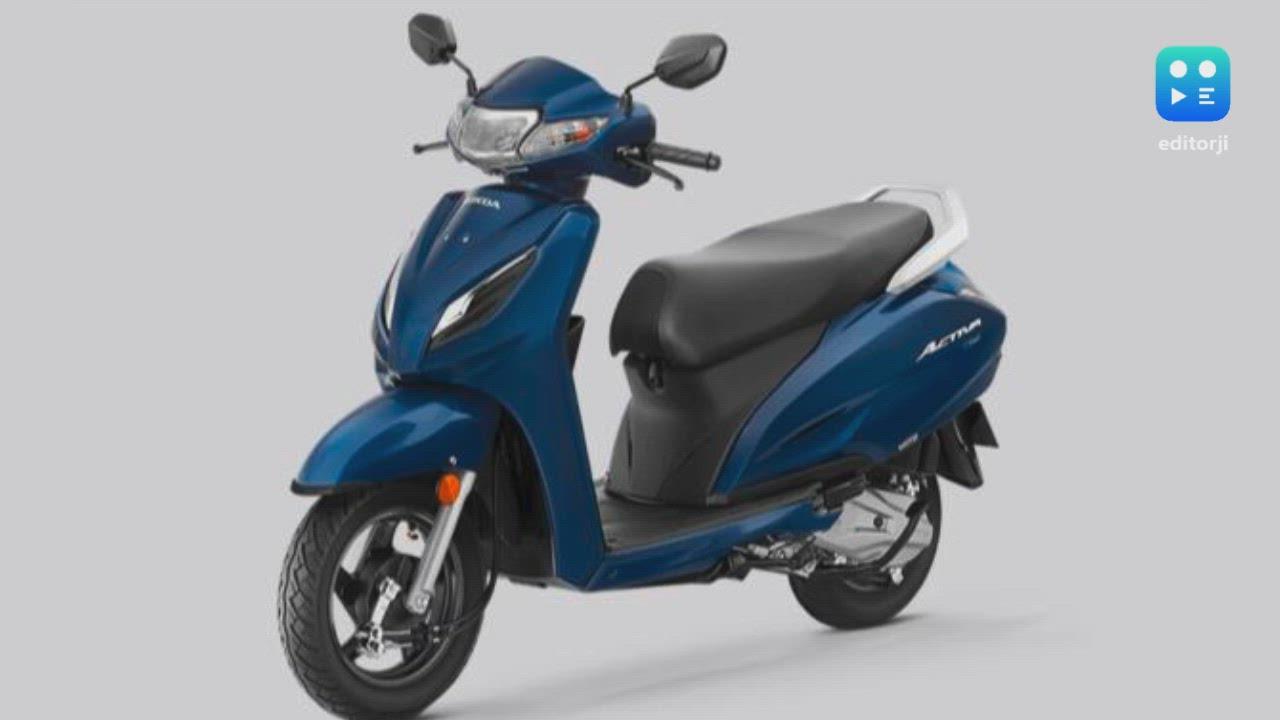
Honda Activa 6G: Everything You Need to Know Before Buying

Honda Activa 6G: Everything You Need to Know Before Buying

ADVERTISEMENT

editorji-whatsApp

More videos

How much does a ULIP plan really cost? A break-down of all charges

How much does a ULIP plan really cost? A break-down of all charges

Centre plans to borrow Rs 8.20 lakh cr from market in first half of FY27

Centre plans to borrow Rs 8.20 lakh cr from market in first half of FY27

Reliance denies buying Iranian oil amid US sanctions waiver
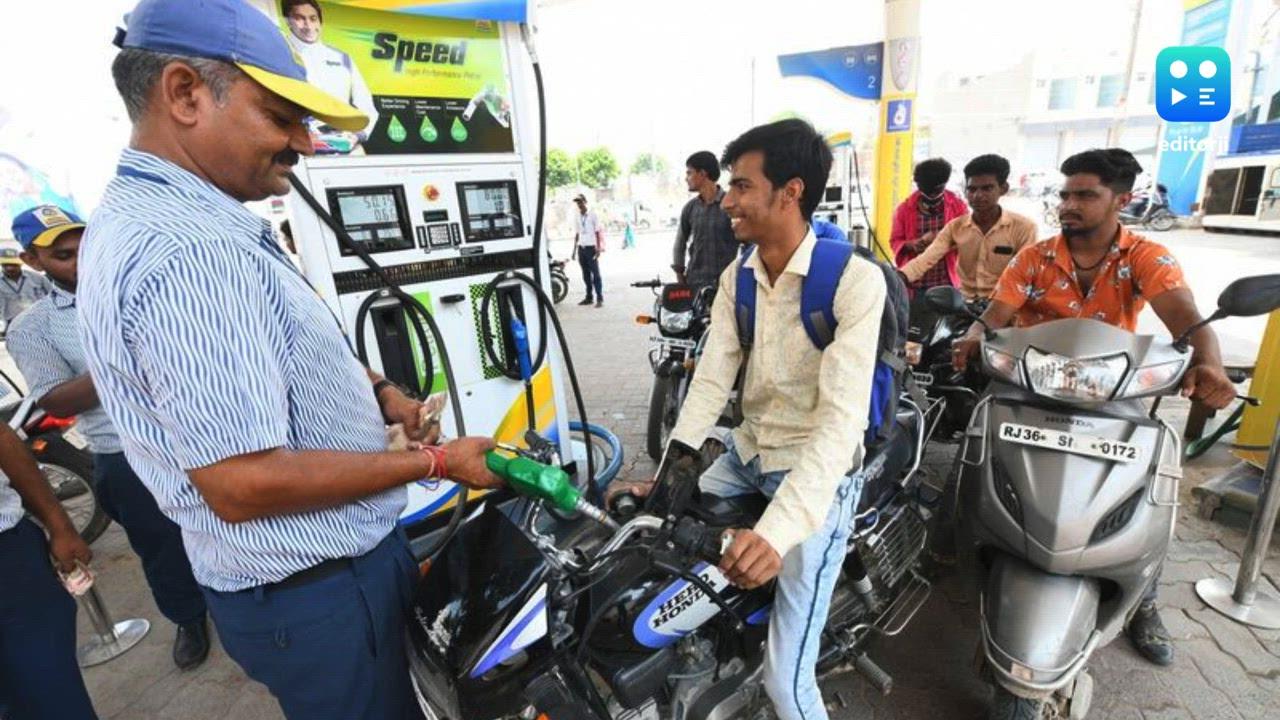
Reliance denies buying Iranian oil amid US sanctions waiver

Premium petrol price up Rs 2, industrial diesel up Rs 22; no change in normal petrol, diesel rates

Premium petrol price up Rs 2, industrial diesel up Rs 22; no change in normal petrol, diesel rates

India's GDP expected to register over 8 pc growth in Sep-Dec: Report

India's GDP expected to register over 8 pc growth in Sep-Dec: Report

Govt announces seven measures to help boost exports
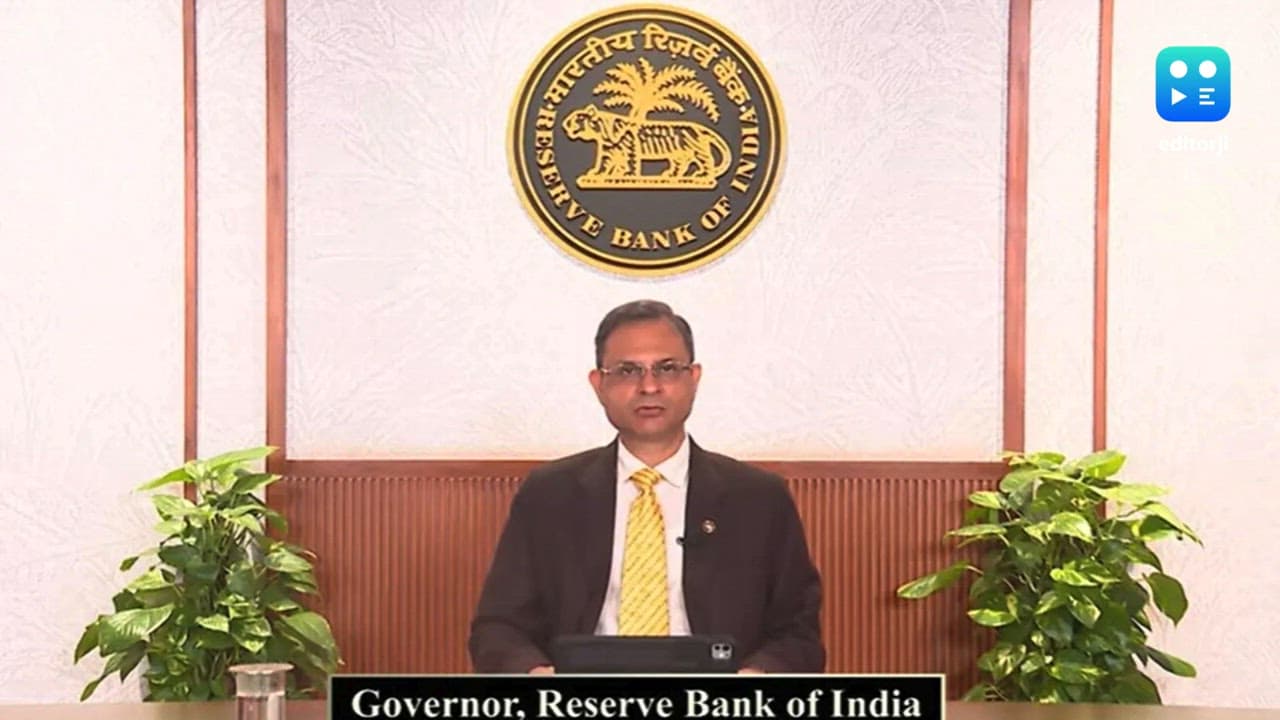
Govt announces seven measures to help boost exports

RBI keeps interest rates on hold after US trade deal boosts outlook

RBI keeps interest rates on hold after US trade deal boosts outlook

RBI proposes to compensate customers up to Rs 25,000 loss due to fraud
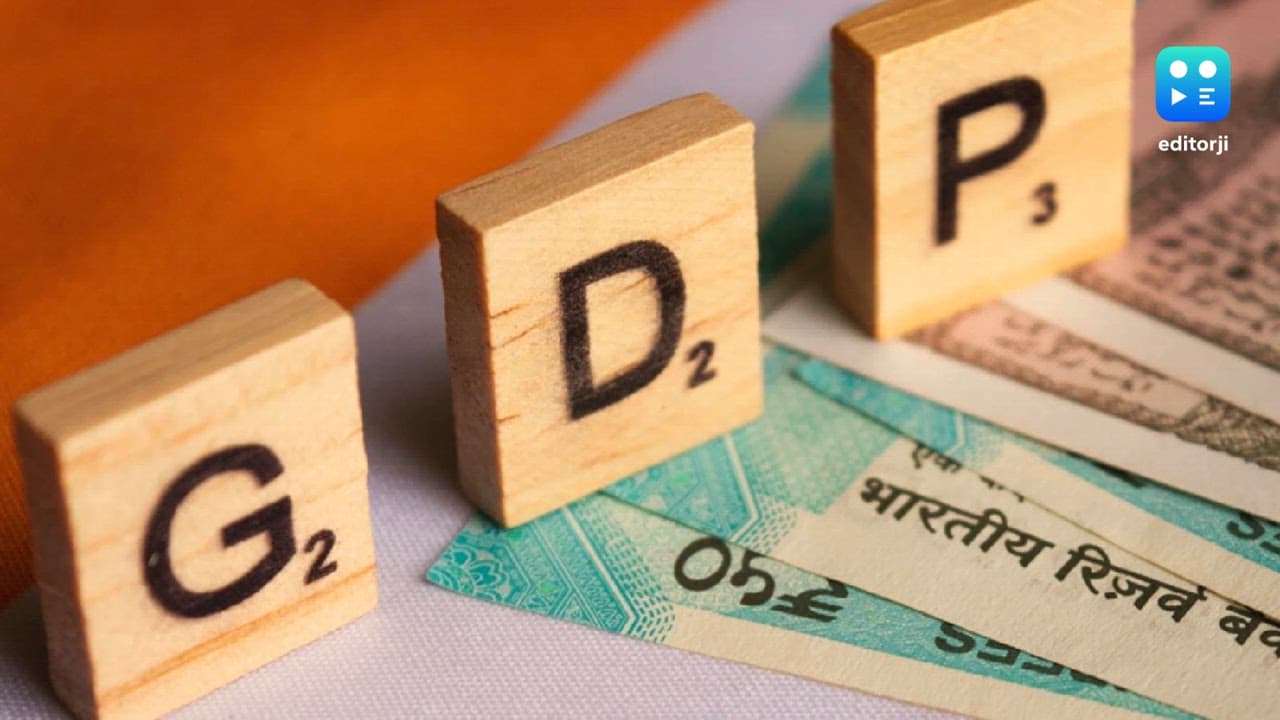
RBI proposes to compensate customers up to Rs 25,000 loss due to fraud

RBI raises GDP growth projection of Q1, Q2 of FY27
RBI raises GDP growth projection of Q1, Q2 of FY27

RBI pauses rate cuts, retains interest rate at 5.25 pc

RBI pauses rate cuts, retains interest rate at 5.25 pc

Editorji Technologies Pvt. Ltd. © 2022 All Rights Reserved.