


Highlights
- Find X10 Pro Max launches with Dimensity 9600 Pro
- 6.78-inch flat LTPO display supports up to 144Hz
- IP66, IP68 and IP69 ratings with Crystal Shield Glass
Latest news

Josh Hazlewood Takes Six as Australia Beat South Africa by 214 Runs in First Test

'We're not giving up': Activist Thunberg joins France student protests

Arijit Singh Reacts as ‘Phir Se’ from Dhurandhar: The Revenge Enters Grammy Consideration
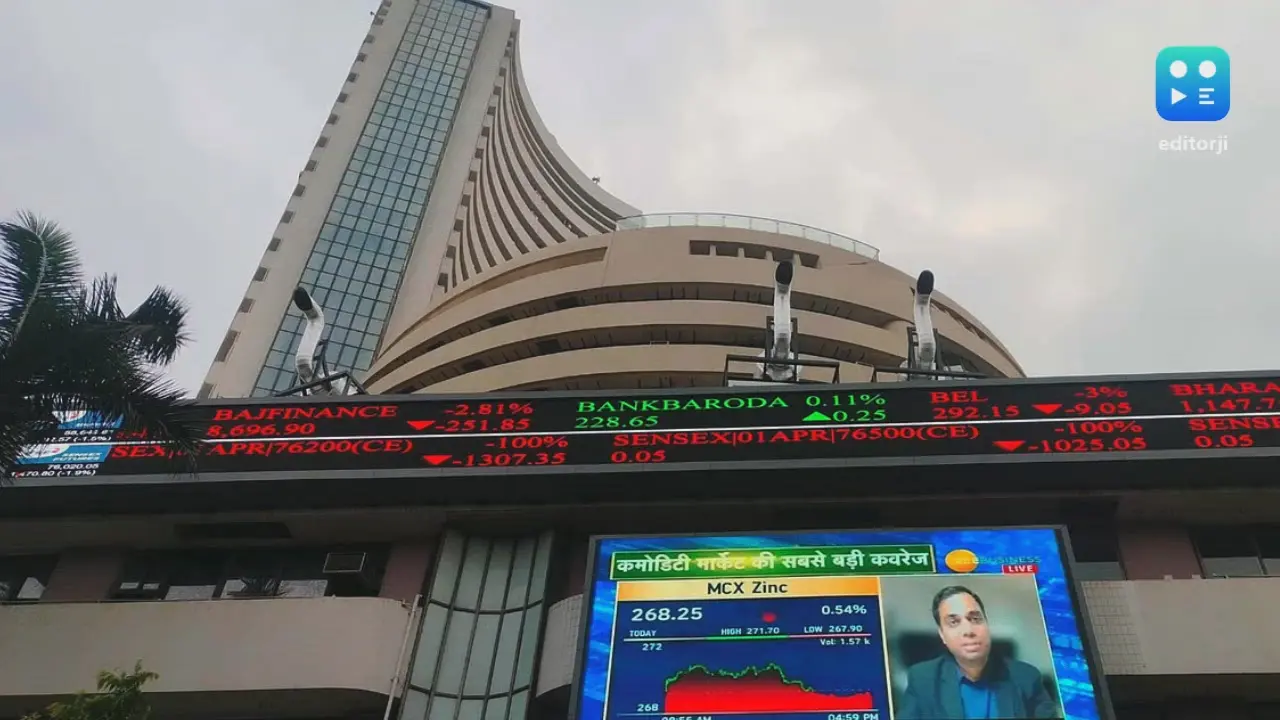
Sensex Jumps Over 1,100 Points, Nifty Gains 1.6% as IT Stocks Rally
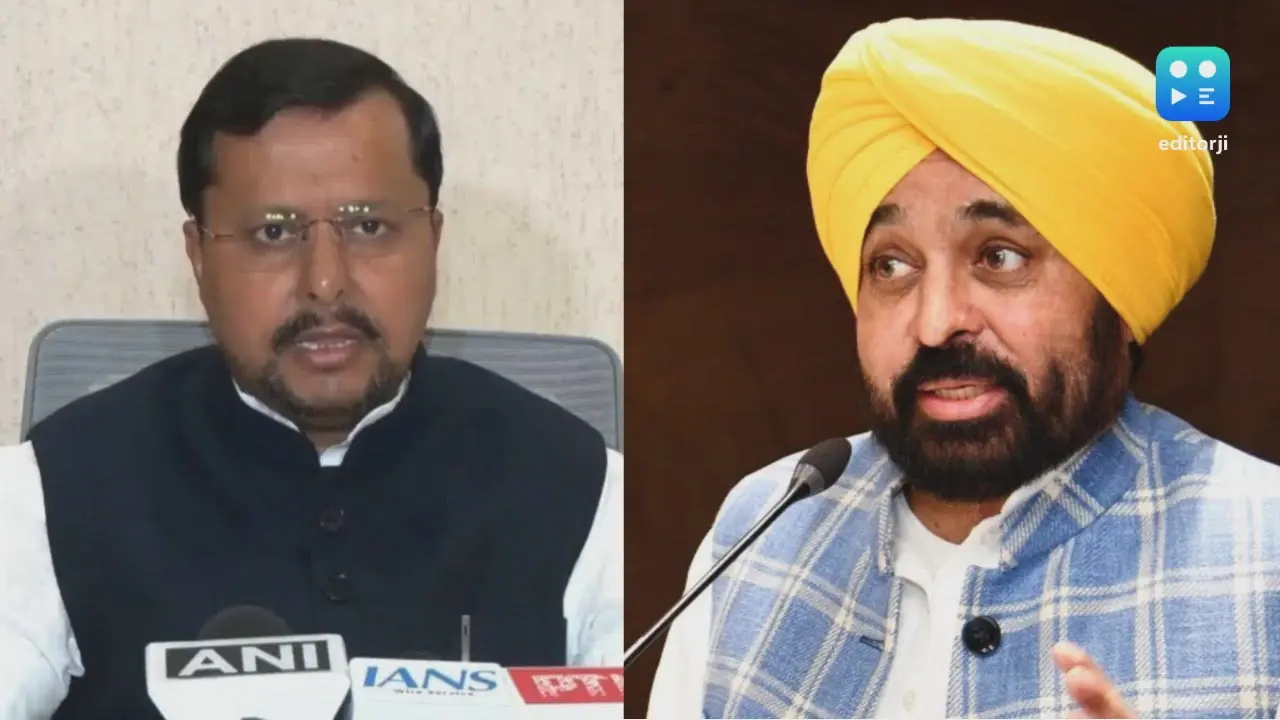
Nitin Nabin Targets Punjab's Bhagwant Mann Govt Over Anti-Drug Activist Parminder Jhota’s Death
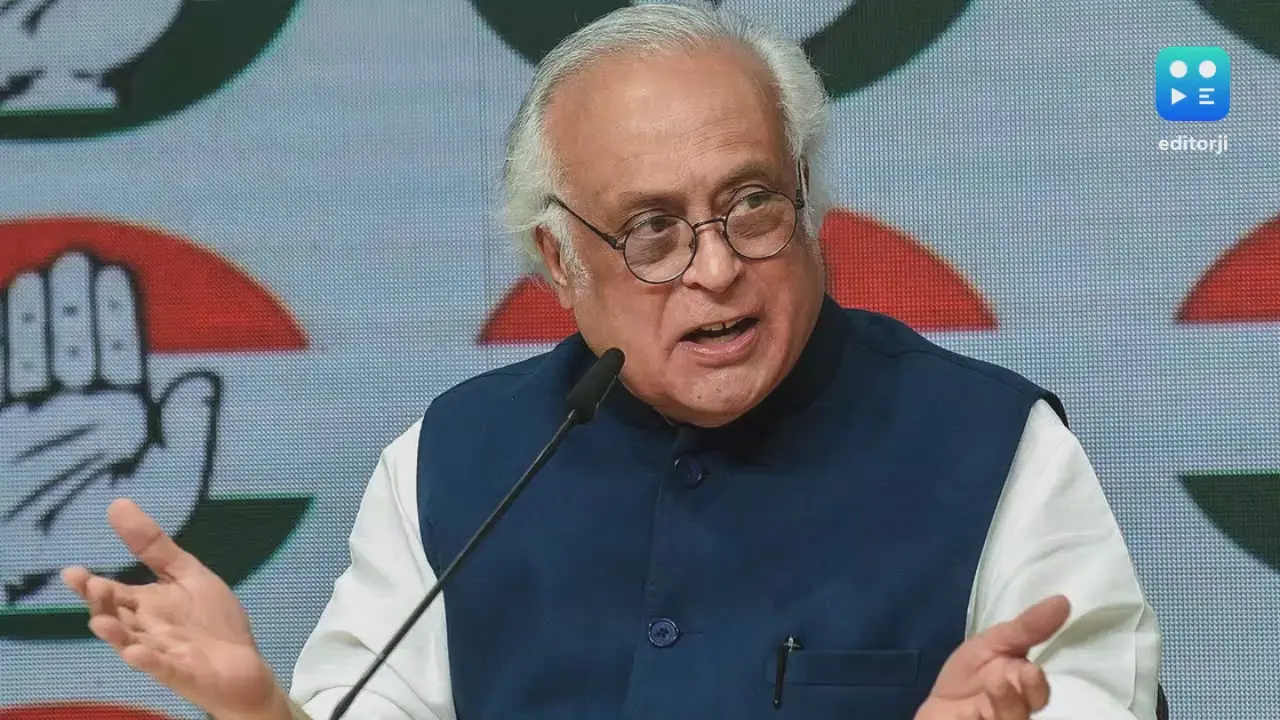
Jairam Ramesh Questions Modi Govt’s ‘U-Turn’ as UPI MDR Charges Deferred Till After Diwali
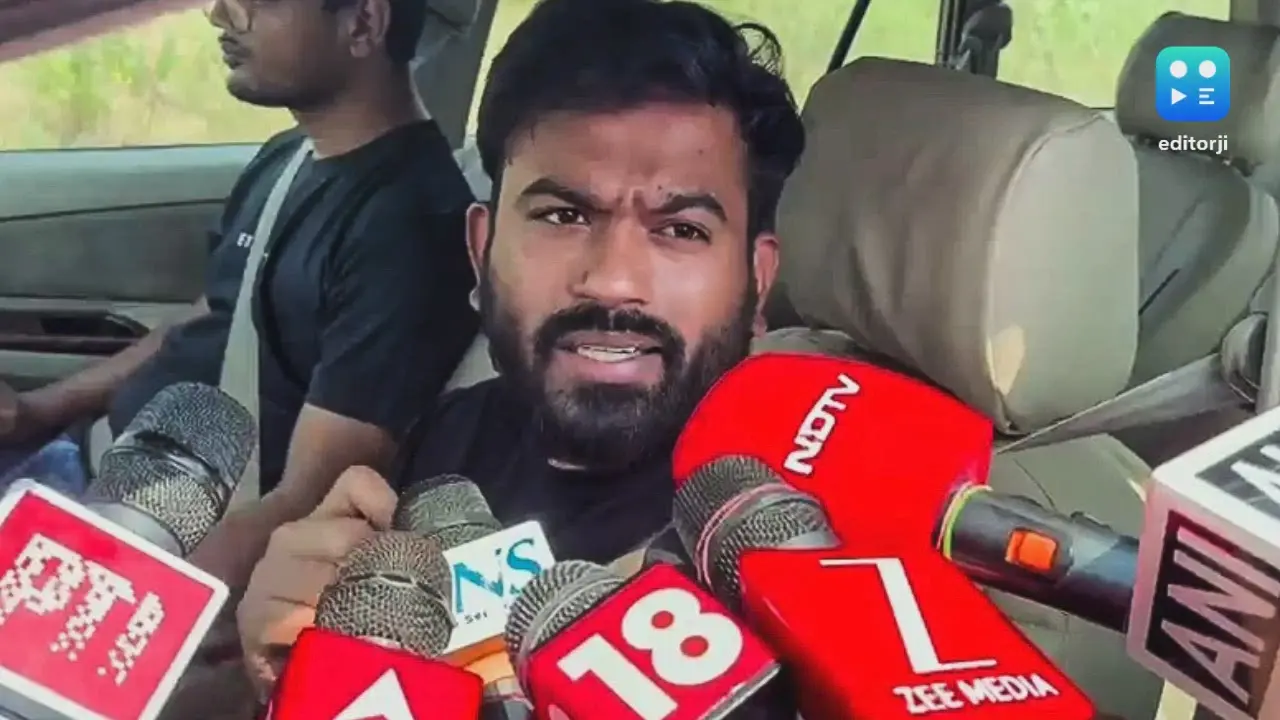
CJP’s Abhijeet Dipke Alleges Police Deny Lawyers Access to Detained Party Leaders

CJP Condemns Jantar Mantar Denotification, Calls It Setback for Right to Protest
Oppo Find X10 Pro Max Launches On October 22 With MediaTek’s 2nm Dimensity 9600 Pro



Frequently Asked Questions
Up Next
Oppo Find X10 Pro Max Launches On October 22 With MediaTek’s 2nm Dimensity 9600 Pro
ColorOS 17 First Look on OnePlus 15: Oppo & OnePlus Phones Are Getting Smarter And Smoother
Oppo K14 Plus 5G Review: The Battery Titan That Redefines Mid-Range Endurance
Asus Pad T3201 Review: OLED Brilliance Meets Everyday Mid-Range Power

Qualcomm Showcases Snapdragon 8 Elite Gen 6 Chips At IMC 2026, Teases New Flagships

Shokz Diwali Sale Brings Discounts On Open-Ear Headphones Across Amazon And Flipkart

More videos

iQOO 16 Confirmed For India With Snapdragon 8 Elite Extreme Gen 6 And OriginOS 7

ASUS Announces Festive Discounts Across Laptops, Gaming PCs And Tablets

Redmi 17C 5G Review: Big Screen, Bigger Battery, Budget Sensibilities

Need A New Laptop? These Five Options Cover The Basics And More

Vivo V80 Review: Big Battery, Proper Cameras, Serious Ambition

Jabra Showcases AI-Ready Headsets And Meeting-Room Gear At InfoComm India 2026

India Smartphone Prices Rose 16% in H1; OnePlus Among Few to Buck the Trend

India’s TV Market Is Shrinking, But Demand for Bigger, Better TVs Is Growing

Samsung Galaxy Tab S12 Series Brings A ₹1.3 Lakh Entry Price And A New Upgrade Scheme

Google Apps Script Abuse: Phishing, Fraud, Malware and CSAM Risks Identified in TraceX Labs Report