Highlights

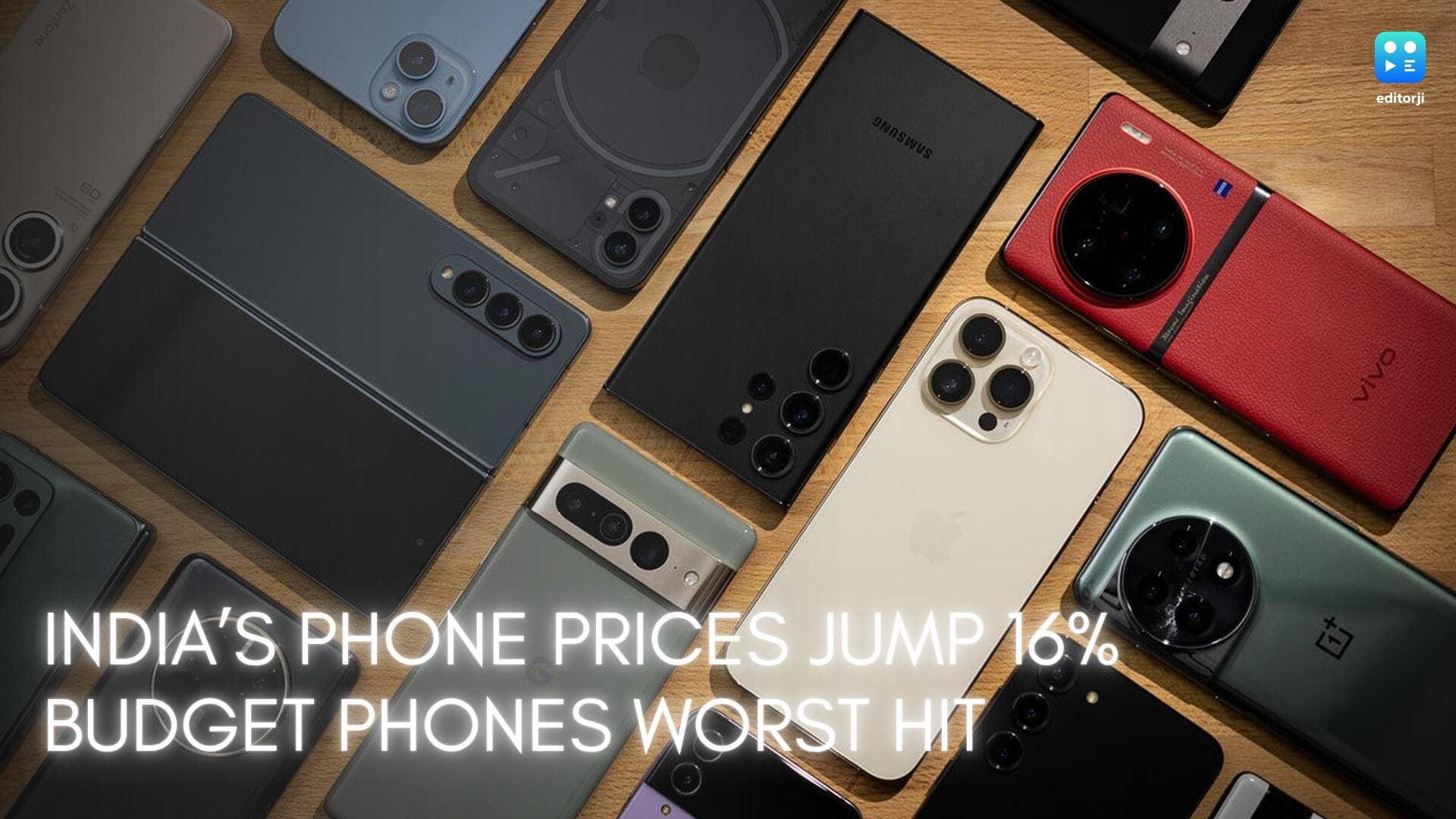
  • India’s average smartphone prices rose 16% year-on-year in H1 2026
  • The sub-₹10,000 segment saw average prices rise by about one-third
  • OnePlus raised prices by 8% on average, below the industry-wide 16% increase.

Latest news

Jabra Showcases AI-Ready Headsets And Meeting-Room Gear At InfoComm India 2026
Jabra Showcases AI-Ready Headsets And Meeting-Room Gear At InfoComm India 2026

India Smartphone Prices Rose 16% in H1; OnePlus Among Few to Buck the Trend

India Smartphone Prices Rose 16% in H1; OnePlus Among Few to Buck the Trend

India’s TV Market Is Shrinking, But Demand for Bigger, Better TVs Is Growing
India’s TV Market Is Shrinking, But Demand for Bigger, Better TVs Is Growing

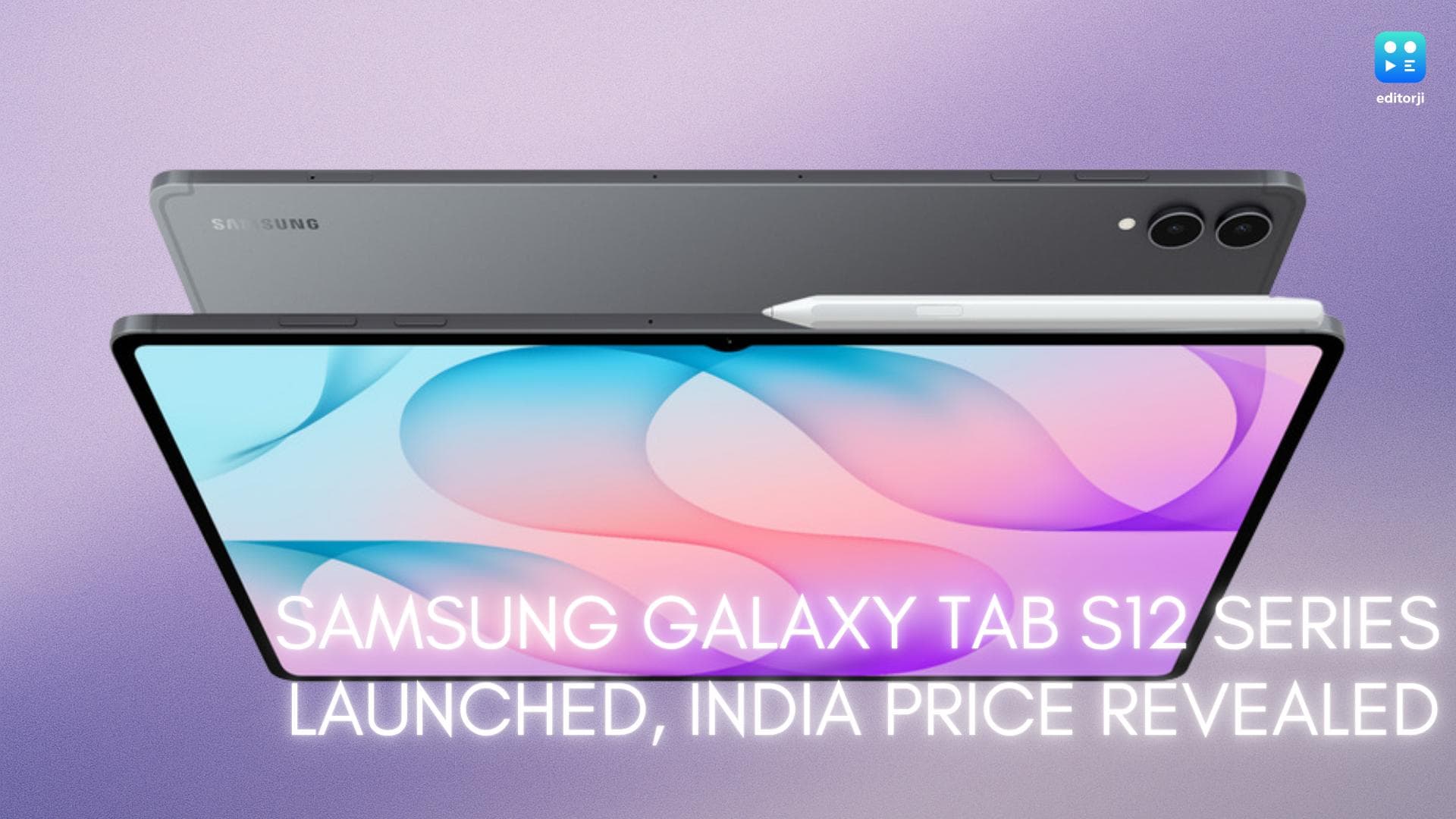
Samsung Galaxy Tab S12 Series Brings A ₹1.3 Lakh Entry Price And A New Upgrade Scheme

Samsung Galaxy Tab S12 Series Brings A ₹1.3 Lakh Entry Price And A New Upgrade Scheme

Google Apps Script Abuse: Phishing, Fraud, Malware and CSAM Risks Identified in TraceX Labs Report

Google Apps Script Abuse: Phishing, Fraud, Malware and CSAM Risks Identified in TraceX Labs Report

Karan Johar Announces Final Season Of 'Koffee With Karan', Show To End After 22 Years

Karan Johar Announces Final Season Of 'Koffee With Karan', Show To End After 22 Years

India To Grow 7% In FY27, Next Growth Phase Hinges On Infra, Deeper Capital Markets: S&P Global
India To Grow 7% In FY27, Next Growth Phase Hinges On Infra, Deeper Capital Markets: S&P Global

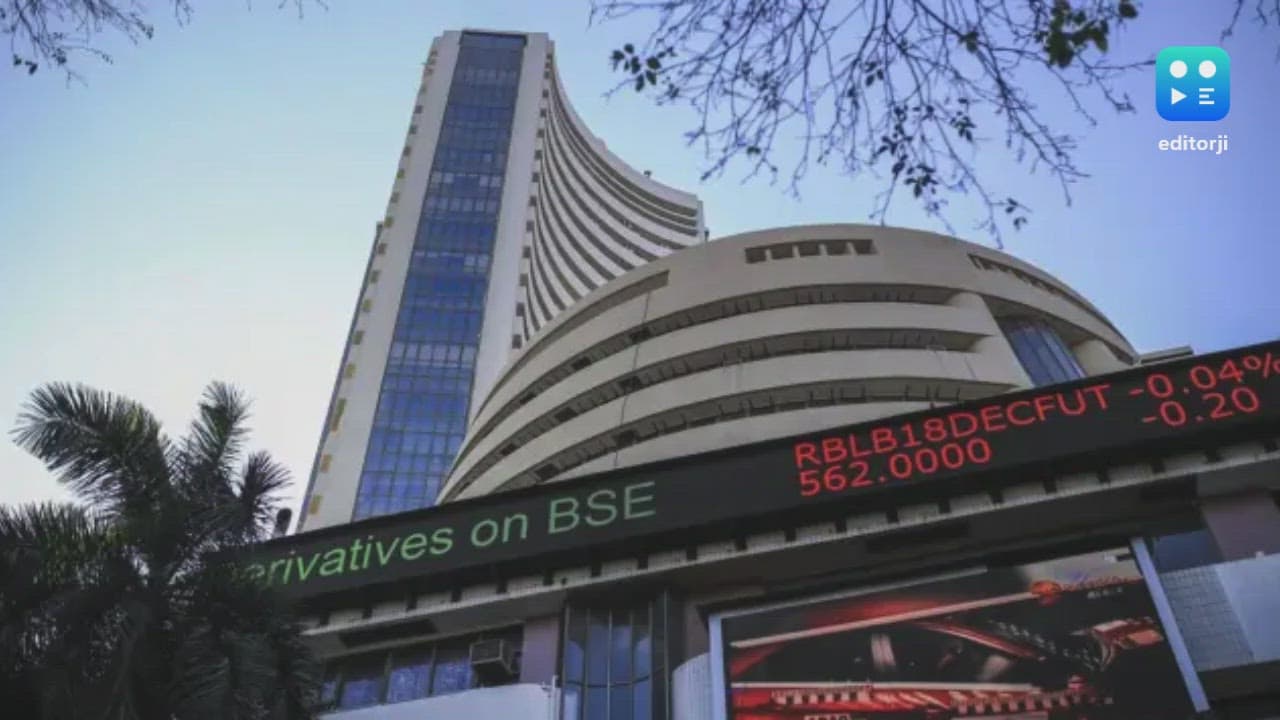
Sensex Falls 49 Points, Nifty Slips 96 As Selling Pressure Returns

Sensex Falls 49 Points, Nifty Slips 96 As Selling Pressure Returns

India Smartphone Prices Rose 16% in H1; OnePlus Among Few to Buck the Trend

India’s average smartphone price rose 16% in H1 2026 as memory costs and a weaker rupee put the heaviest pressure on affordable phones.

India Smartphone Prices Rose 16% in H1; OnePlus Among Few to Buck the Trend

India Smartphone Prices Rose 16% in H1; OnePlus Among Few to Buck the Trend
India’s smartphone market became considerably more expensive in the first half of 2026, with average handset prices rising 16% year-on-year, according to Counterpoint Research. OnePlus was among the relatively few brands that stayed below that average, but the larger trend is clear: making and buying a smartphone in India is getting costlier.

Rising memory prices and a weaker rupee are raising costs across the industry, hitting affordable phones particularly hard. India’s average smartphone selling price reached a record $318 in Q2 2026, even as entry-level buyers began stepping away from the market.

Rising component costs are reshaping smartphone prices

The main culprit is memory. Global demand for DRAM and NAND has surged as AI data centres consume more supply, increasing the cost of the storage and RAM used in virtually every smartphone. A weaker rupee has made imported components even more expensive for manufacturers.

OnePlus, for instance, raised prices by 8% on average in H1 2026, against the industry average of 16%. That is still a meaningful increase for consumers, but notably lower than what most rivals passed on during the same period.

Counterpoint says OnePlus had secured components earlier in the year, before prices rose further, and had a broad enough product portfolio to distribute the pressure across different price bands. Across the market, however, the impact was far more severe, with more than 380 smartphone models affected and the highest individual price hike reaching 113%.

Affordable phones are under pressure while premium devices keep growing

The sub-₹10,000 segment bore the biggest hit, with average prices rising by roughly a third. Shipments in that category fell 65% year-on-year in H1 2026. The ₹10,000-₹15,000 bracket, another crucial volume segment, declined 20%.

That contrast is stark when compared with smartphones above ₹20,000, which continued to grow. Trade-ins, bank offers and no-cost EMIs have helped buyers manage higher prices in the premium segment, benefits that matter far less to someone shopping for the most affordable device.

OnePlus’ 49% quarter-on-quarter shipment growth in Q2 shows how a smaller price increase can matter when buyers are weighing alternatives. But OnePlus is not immune to the same component-cost pressures facing the rest of the industry, and its performance does not change what is happening to India’s most price-sensitive buyers.

The affordability problem may not ease anytime soon

Counterpoint expects memory costs to stay elevated until at least 2028, leaving brands with few easy choices: absorb the increase, cut specifications or raise prices again.

OnePlus’ approach shows that timely component procurement and a wide product range can soften the blow, but not every brand has that flexibility. For consumers, the likely result is a longer upgrade cycle, more dependence on sale prices, and a sharper focus on older models that offer better value.

India’s smartphone market may be moving towards higher average selling prices, but the fall in entry-level shipments suggests that this is not simply premiumisation. It is also a warning that smartphones are becoming harder to afford for the buyers who once powered the market’s growth.

Frequently Asked Questions

16%

ADVERTISEMENT

Up Next

India Smartphone Prices Rose 16% in H1; OnePlus Among Few to Buck the Trend

India Smartphone Prices Rose 16% in H1; OnePlus Among Few to Buck the Trend

India’s TV Market Is Shrinking, But Demand for Bigger, Better TVs Is Growing

India’s TV Market Is Shrinking, But Demand for Bigger, Better TVs Is Growing

Samsung Galaxy Tab S12 Series Brings A ₹1.3 Lakh Entry Price And A New Upgrade Scheme

Samsung Galaxy Tab S12 Series Brings A ₹1.3 Lakh Entry Price And A New Upgrade Scheme

Google Apps Script Abuse: Phishing, Fraud, Malware and CSAM Risks Identified in TraceX Labs Report
Google Apps Script Abuse: Phishing, Fraud, Malware and CSAM Risks Identified in TraceX Labs Report

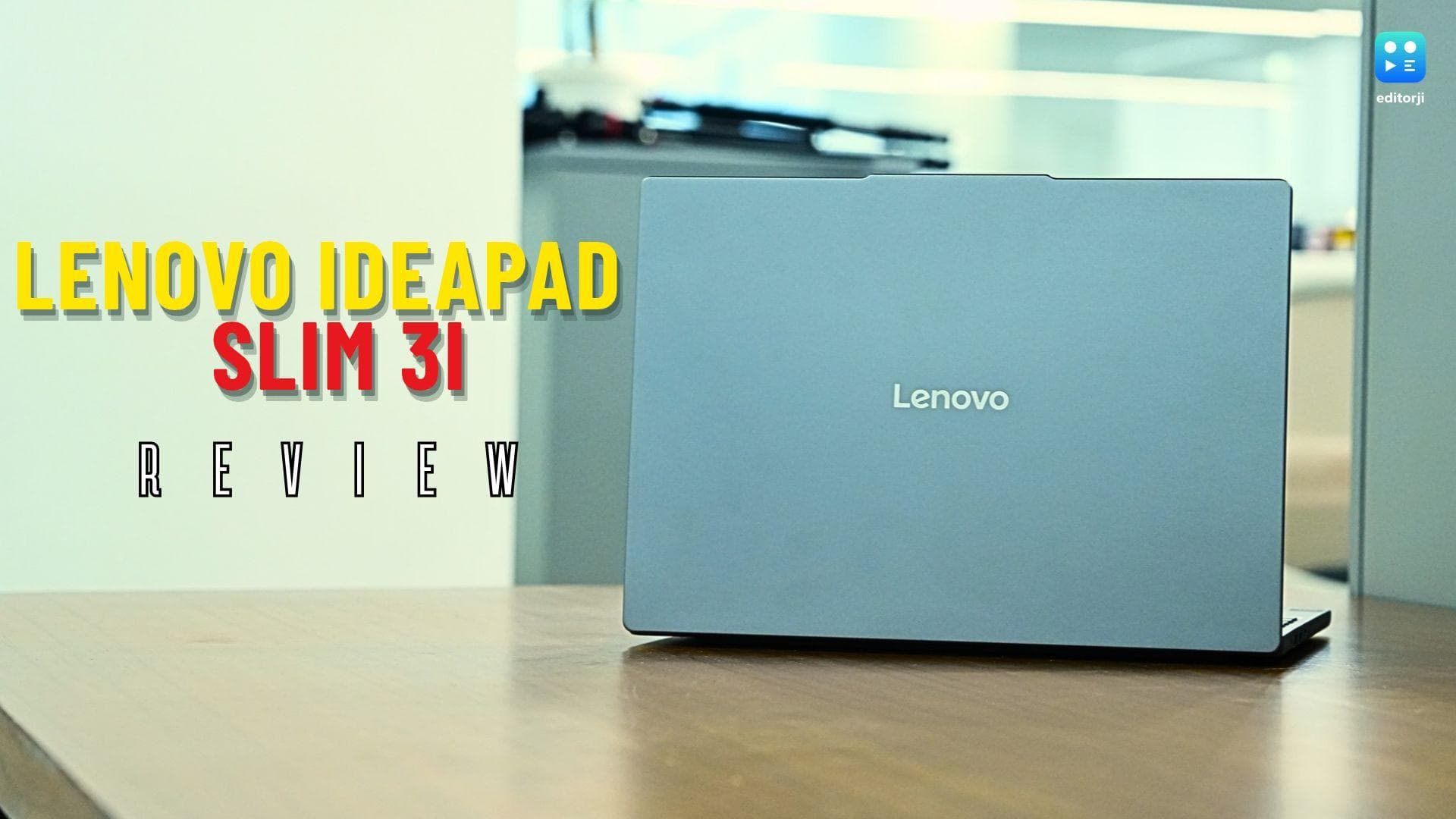
Lenovo IdeaPad Slim 3i Gen 11 Review: Is This The Right Everyday Laptop For You?
Lenovo IdeaPad Slim 3i Gen 11 Review: Is This The Right Everyday Laptop For You?

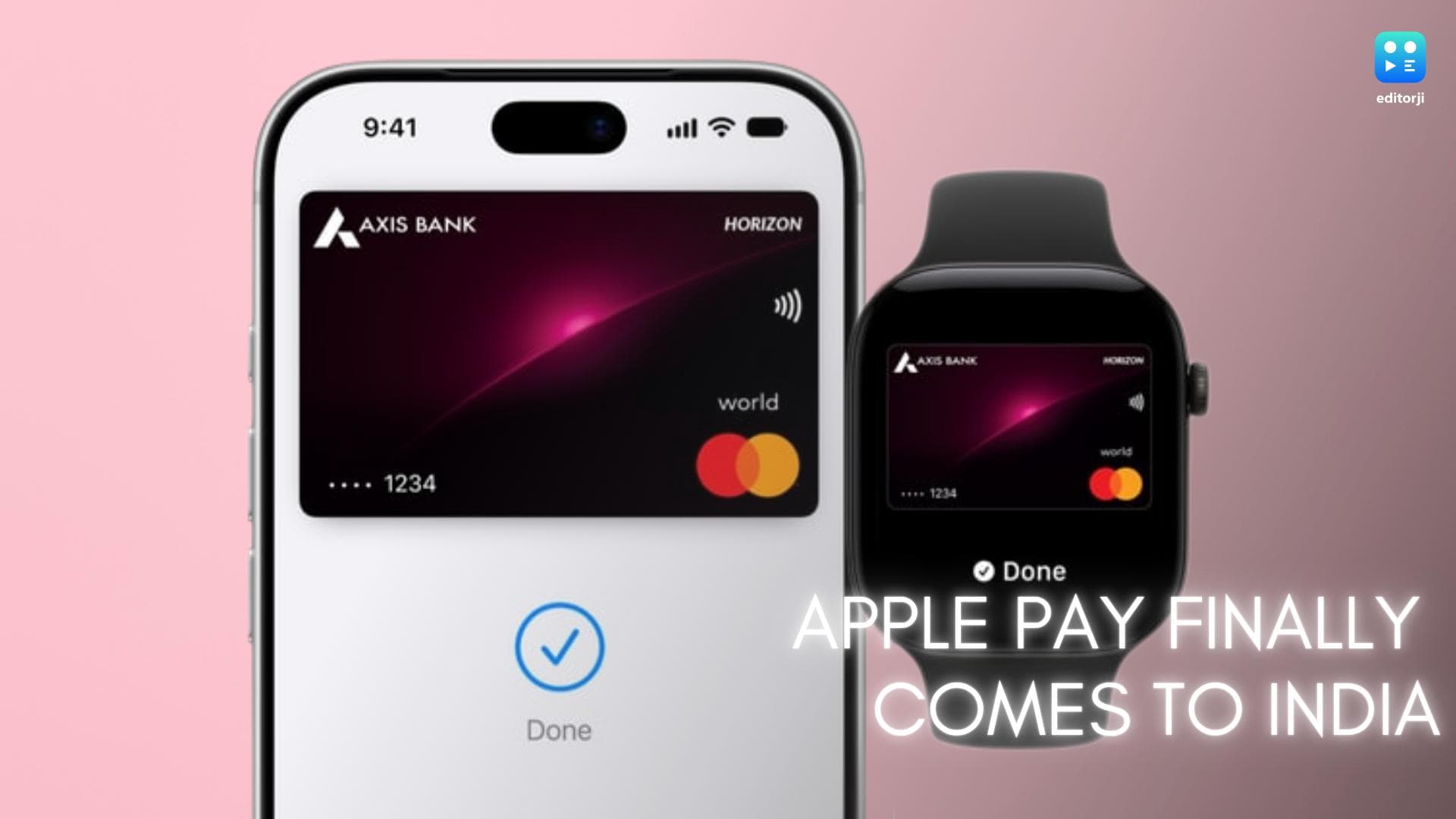
Apple Pay Finally Comes to India, Launches With Axis Bank Visa And Mastercard Credit Cards

Apple Pay Finally Comes to India, Launches With Axis Bank Visa And Mastercard Credit Cards

ADVERTISEMENT

editorji-whatsApp

More videos

TraceX Labs Launches GEOX AI To Identify Locations From Images Without GPS Data

TraceX Labs Launches GEOX AI To Identify Locations From Images Without GPS Data

Xiaomi Mijia Smart Air Purifier 4 Compact Review: A Sensible First Buy

Xiaomi Mijia Smart Air Purifier 4 Compact Review: A Sensible First Buy

Sennheiser Momentum True Wireless 5 Review: Premium Sound, ANC And Batteries You Can Replace

Sennheiser Momentum True Wireless 5 Review: Premium Sound, ANC And Batteries You Can Replace

Dyson’s Most Powerful Vacuum, The V16 Piston Animal, Launches In India At ₹79,900

Dyson’s Most Powerful Vacuum, The V16 Piston Animal, Launches In India At ₹79,900

Sony WH-1000XM6 Long-Term Review: Still The Headphones To Beat In 2026

Sony WH-1000XM6 Long-Term Review: Still The Headphones To Beat In 2026

Redmi Note 17 Pro Max Review: 10,000mAh Battery, 100W Charging And Plenty More

Redmi Note 17 Pro Max Review: 10,000mAh Battery, 100W Charging And Plenty More

Sennheiser’s New Momentum Headphones And Earbuds Put Battery Replacement In Your Hands

Sennheiser’s New Momentum Headphones And Earbuds Put Battery Replacement In Your Hands

Apple’s Mac Mini Gets M6 Power, While Mac Studio Goes All-Out For Local AI models With The M5 Ultra

Apple’s Mac Mini Gets M6 Power, While Mac Studio Goes All-Out For Local AI models With The M5 Ultra

Samsung Galaxy S26 FE Review: Samsung Gets Most Things Right 

Samsung Galaxy S26 FE Review: Samsung Gets Most Things Right 

Asus Wireless Mouse MD105 Review: Comfortable Mouse for Everyday Work

Asus Wireless Mouse MD105 Review: Comfortable Mouse for Everyday Work

Editorji Technologies Pvt. Ltd. © 2022 All Rights Reserved.