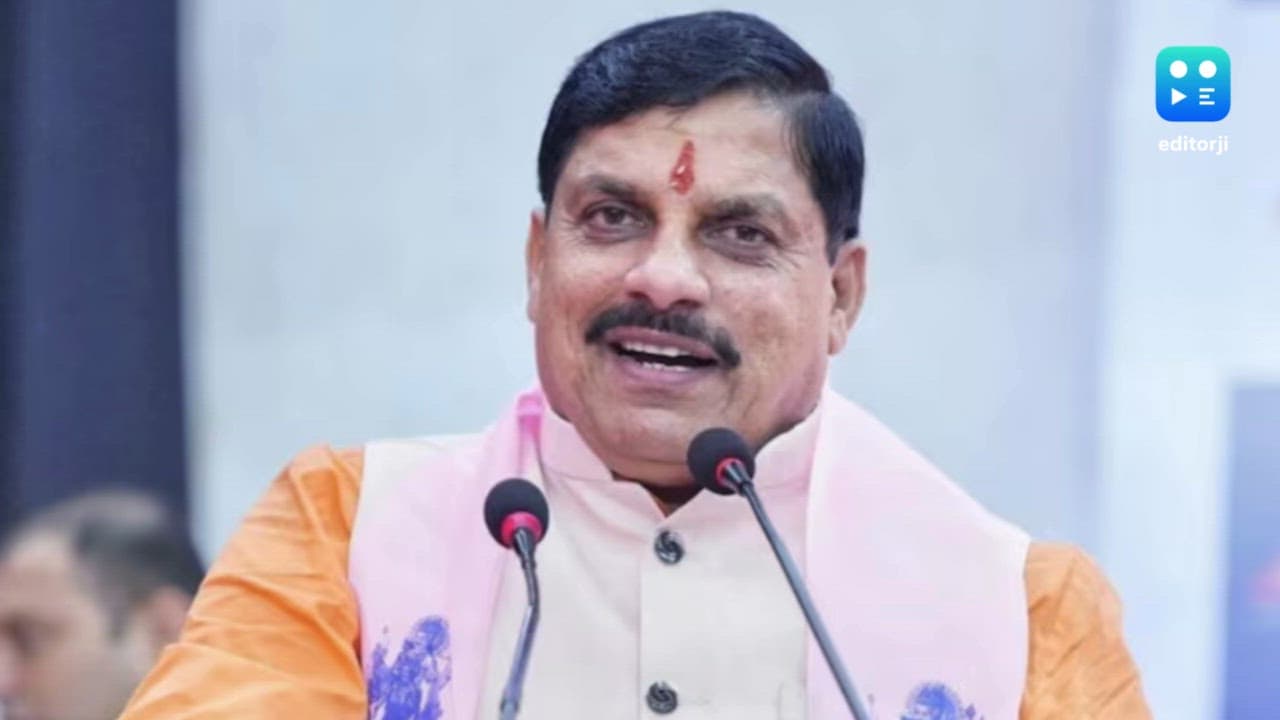
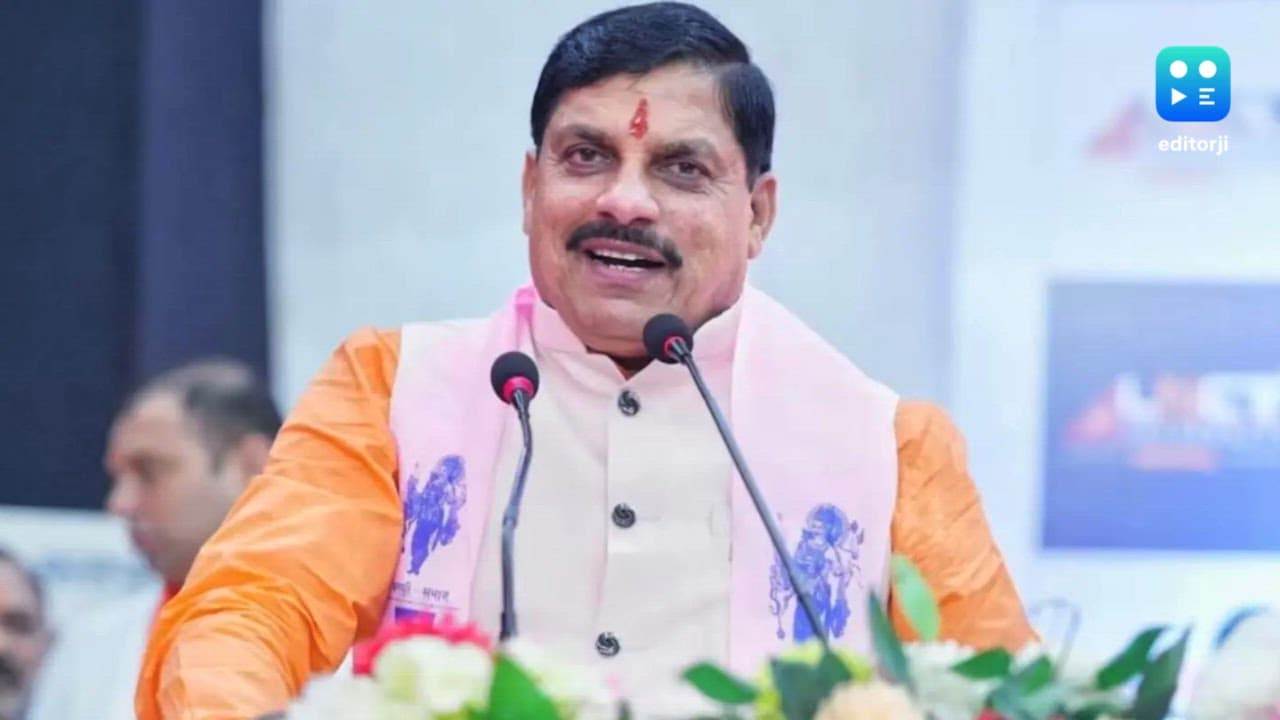
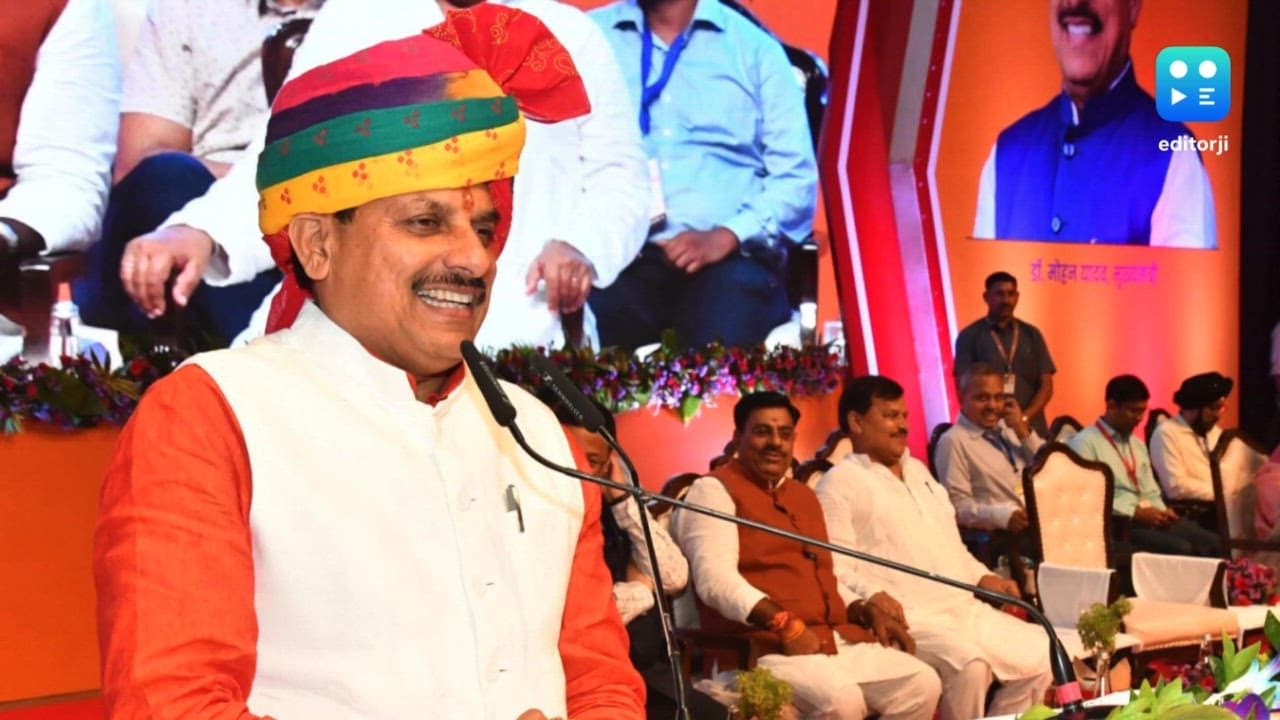
Madhya Pradesh Chief Minister Dr. Mohan Yadav has reiterated the state government's commitment to empowering tribal communities and forest dwellers through focused implementation of the Forest Rights Act and the PESA Act.
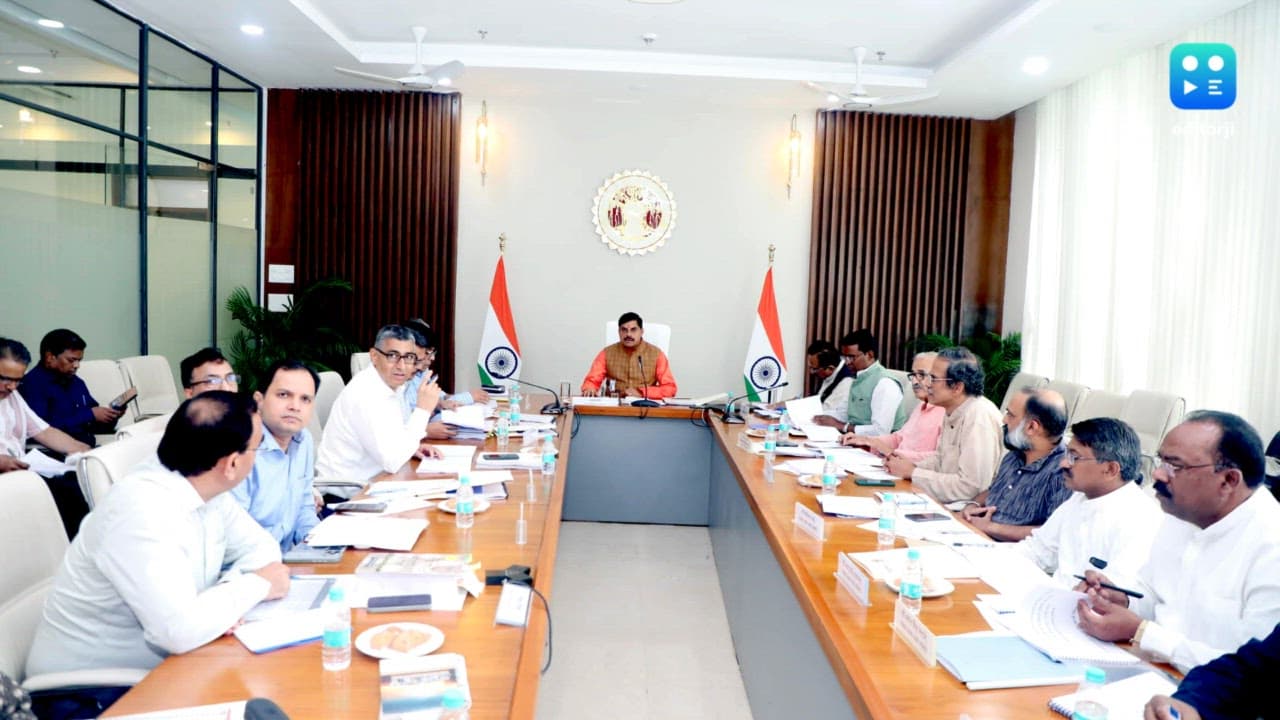
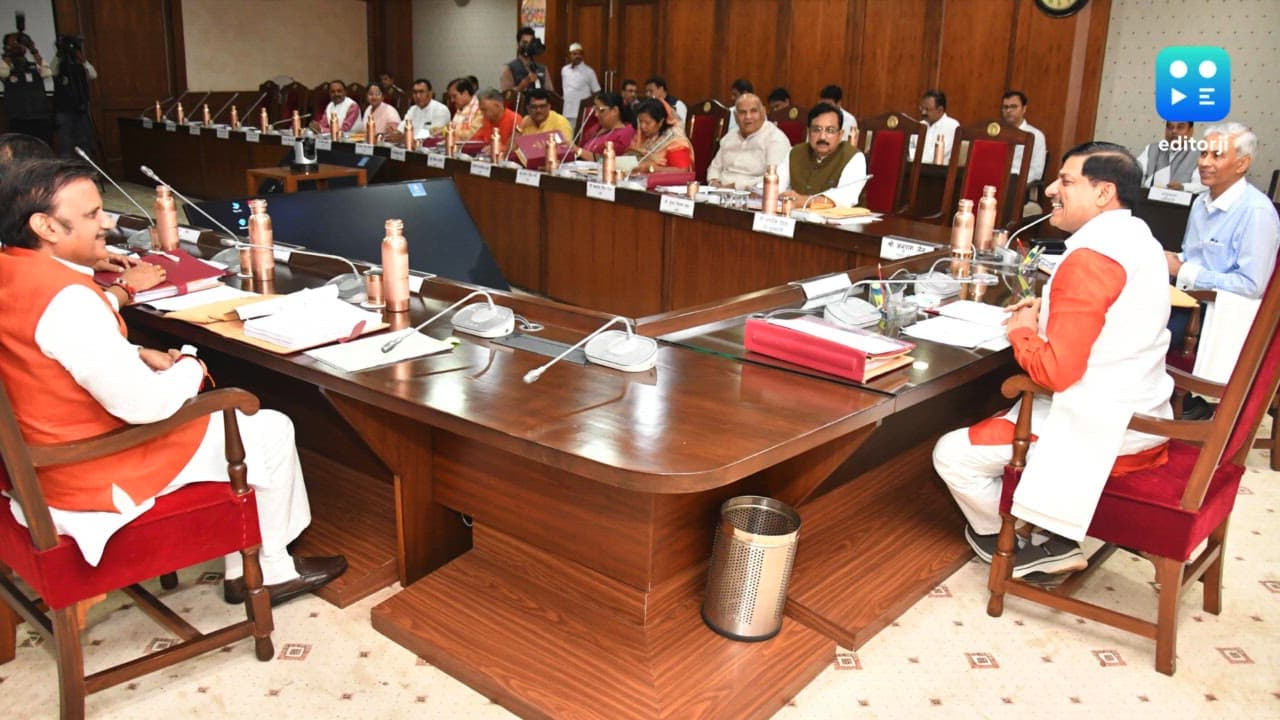
Chairing the meeting of the Apex Committee and Executive Committee of the State-Level Task Force at Samatva Bhavan, the Chief Minister issued several key directives aimed at improving claim resolution, boosting livelihoods, and ensuring inclusive development.
Dr. Yadav stressed that the government's support for forest dwellers must be sincere and reciprocal. "The message that the government stands firmly with forest dwellers must be conveyed with full sincerity," he said, while also highlighting the importance of ensuring all forest-dwelling families are integrated with government welfare schemes.
To make governance more participatory, he announced that Gram Sabhas will now have the power to appoint and remove PESA Mobilisers based on performance, increasing transparency and accountability at the grassroots level.
Emphasising the importance of outreach, CM Yadav instructed officials to organise social conventions for tribal youth engaged in education or employment. These events will provide feedback on government schemes and ensure benefits reach the intended recipients.
He also urged Tribal Welfare and Forest Department officials to ensure zero pendency of individual and community claims under the Forest Rights Act by December 31, 2025.
Taking a firm stance against illegal encroachments, the Chief Minister directed the Forest Department to prevent any new occupation of forest land. He also suggested replicating Maharashtra’s "Jalyukt-Shivar" campaign with a suitable model tailored for Madhya Pradesh after a thorough study of best practices from other states.
The CM further directed that provisions related to the Forest Rights Act and PESA be incorporated into all constituency Vision Documents submitted by MLAs. Special focus will also be placed on road construction in remote tribal areas and on strengthening the autonomy of PESA Gram Sabhas in managing development funds.
During the meeting, former MLA and Task Force member Bhagat Singh Netam shared that police outposts in Balaghat have established Single-Window Help Centres to assist in filing forest rights claims, resulting in 450 claims so far. The Chief Minister praised this initiative and instructed that the "Balaghat Model" be shared with all 88 tribal development block collectors for replication.
"Development Proposals for all Forest Villages must be prepared with an action plan. All claims must be filed and resolved by December 31, 2025. Forest officer training should be completed by August 15. If technical challenges arise, the Forest and Tribal Welfare Departments may jointly develop a new dedicated portal to streamline the process," Dr. Yadav instructed.
Empowering Forest Area Development Centres
Dr. Yadav stressed that Forest Area Development Centres should play a more dynamic role in supporting tribal welfare. He called for these centres to integrate traditional tribal knowledge into policy decisions and contribute to forest resource management, biodiversity protection, and fair distribution of benefits. He also emphasized their role in forest research, training, and improving market linkages with the help of CSR and CAMPA funds.
Livelihoods at the Centre
The Chief Minister identified livelihoods as a top development priority. He urged that tribal families be provided milch animals under government schemes to promote dairy production and improve incomes. He also directed efforts to link them with employment-driven programs through the Grameen and Kuteer Udyog Department.
He underscored the importance of giving tribals a fair share in the profits from the collection, processing, and sale of minor forest produce (MFP), while also promoting medicinal plant farming to improve market access. To discourage migration and promote local employment, Dr. Yadav proposed setting up value addition centres for tribal products.
He encouraged millet farming and noted that the rising demand for millets such as Kodo-Kutki—especially as fasting foods—presents an opportunity to enhance market connections for millet-based products like biscuits, porridge, and sweets.
Dr. Yadav called for a converged implementation of the Forest Rights Act (FRA), PESA Act, and the Biodiversity Act at the Gram Sabha level, making it the central decision-making authority. "All departmental schemes," he said, "should be routed through Gram Sabhas to ensure inclusive development and environmental sustainability."
He proposed a collaborative framework involving Gram Sabhas, the Forest Department, and investors for transparent operations and direct community benefits.
Committee members also presented valuable suggestions to improve on-ground implementation of FRA and PESA.
Over 2.89 Lakh Forest Rights Claims Approved
Principal Secretary of Tribal Affairs reported that between 2008 and 2023, 2,89,461 forest rights claims have been approved in the state.
Of the remaining 2,73,457 pending claims, 87,283 are under re-examination, while 1,86,224 are new submissions. Re-verification has also led to the cancellation of previously approved but now ineligible claims. Districts such as Barwani, Dhar, Khargone, Mandla, and others have each approved over 7,000 claims.
The first meeting of the Apex Committee was attended by Dr. Kunwar Vijay Shah, Vice Chairman and Minister for Tribal Affairs, along with key officials including Dilip Ahirwar, Minister of State for Forest and Environment, Chief Secretary Anurag Jain, Principal Secretary Gulshan Bamra (Tribal Affairs), Additional Chief Secretaries Dr. Rajesh Rajora and Ashok Barnwal, Principal Secretary Vivek Porwal, Director Ram Dangore, and other senior members of the Tribal Advisory Council, thematic experts, and legal advisors.