


Highlights
- MP to develop model ‘Vrindavan Grams’ in villages
- ₹4,572 crore approved to rebuild 1,766 bridges
- Rashtriya Raksha University campus to open in Bhopal
Latest news

Tata Motors PV sales surge 31% YoY in April at 59,701 units, Tata Motors posts 28 per cent YoY sales growth in April at 34,833 Units

Top 7 Agentic AI Programs to Build Autonomous AI Systems in 2026
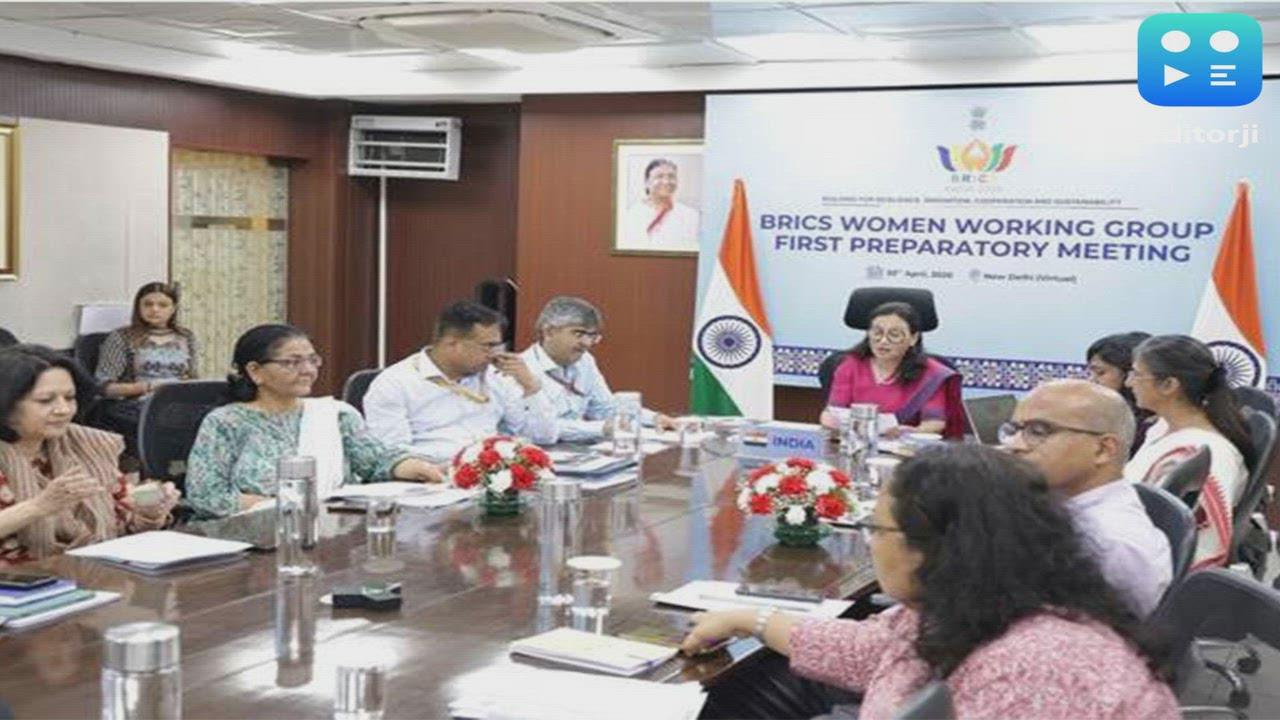
India reaffirms commitment to women-led development at BRICS preparatory meeting

Ram Charan starrer 'Peddi' wraps shooting, Rathnavelu reflects on "memorable journey"

Ai+ Smartphone Announces Return of Sales for Nova 2 5G & Nova2 Ultra 5G Sale on May 1, 12 pm
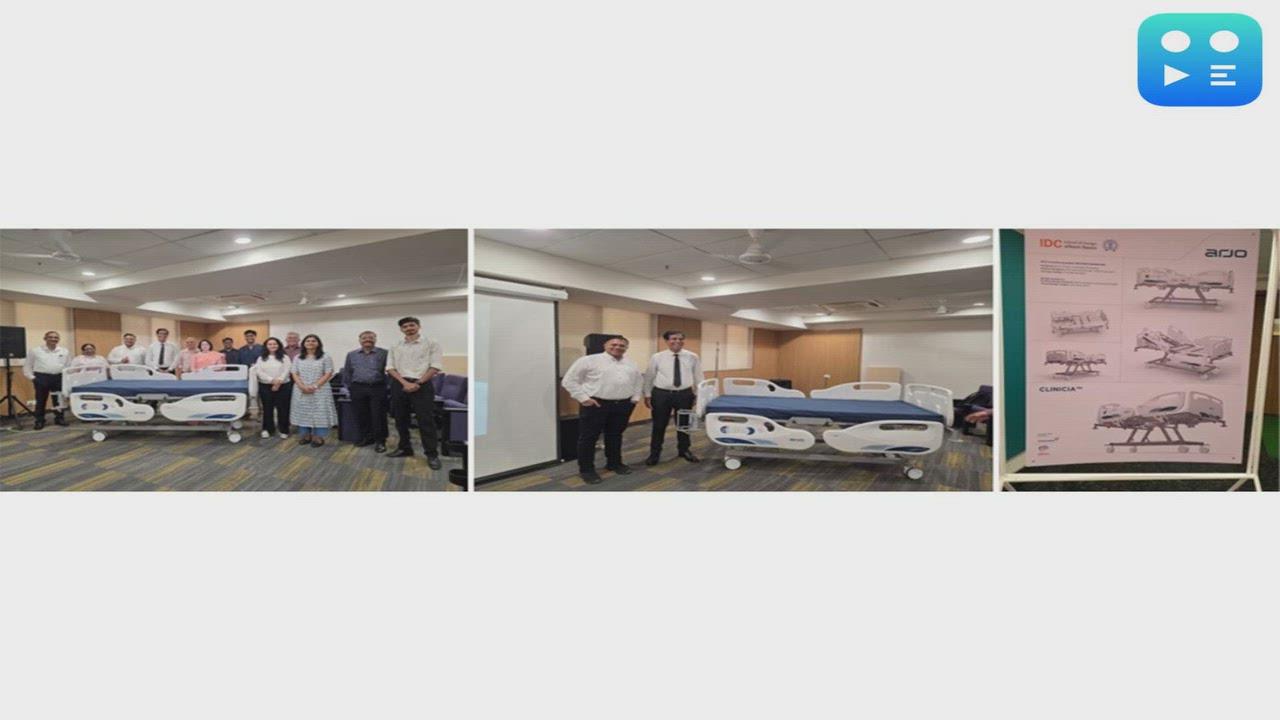
Mitsu Chem Plast Limited Honoured to Be Part of Arjo's Clinicia Bed Series Launch at IDC, IIT Mumbai

Sidharth Malhotra, Kiara Advani win internet with new beach vacation pics
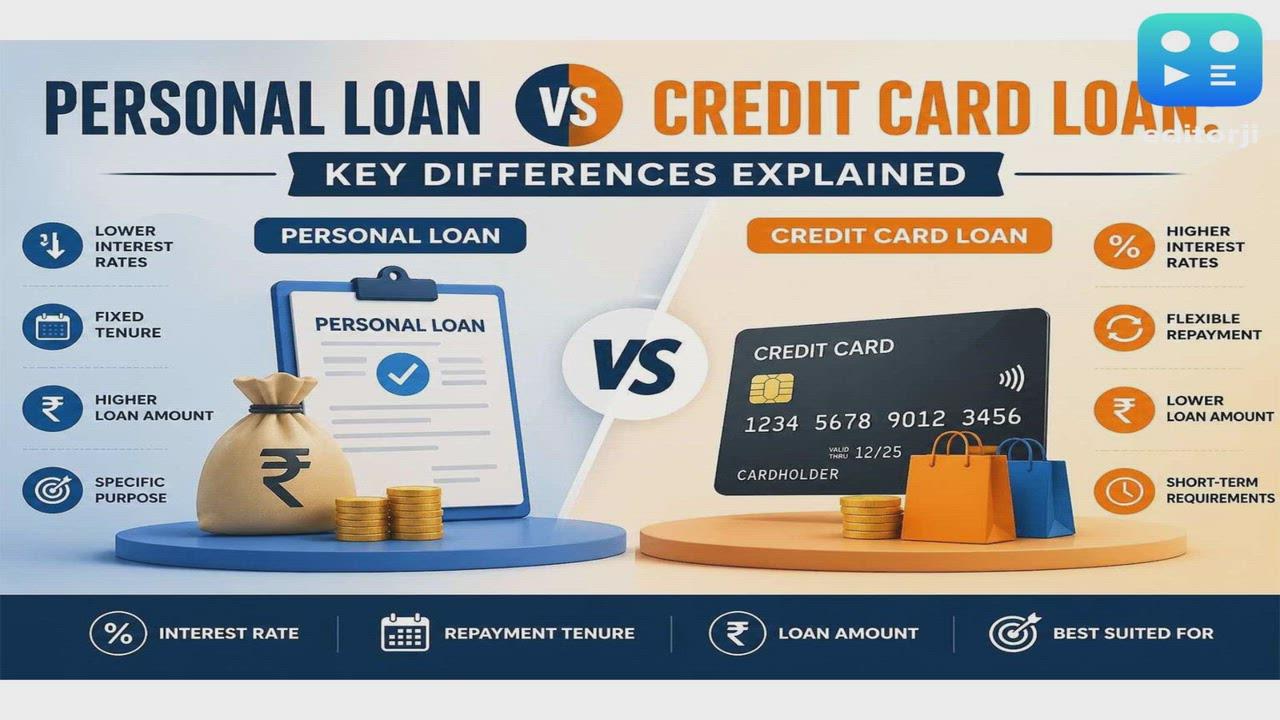
How to Use Personal Loan EMI Calculator Before Taking a Loan
Madhya Pradesh Cabinet approves ‘Mukhya Mantri Vrindavan Gram Yojana’ to make villages self-reliant


Up Next
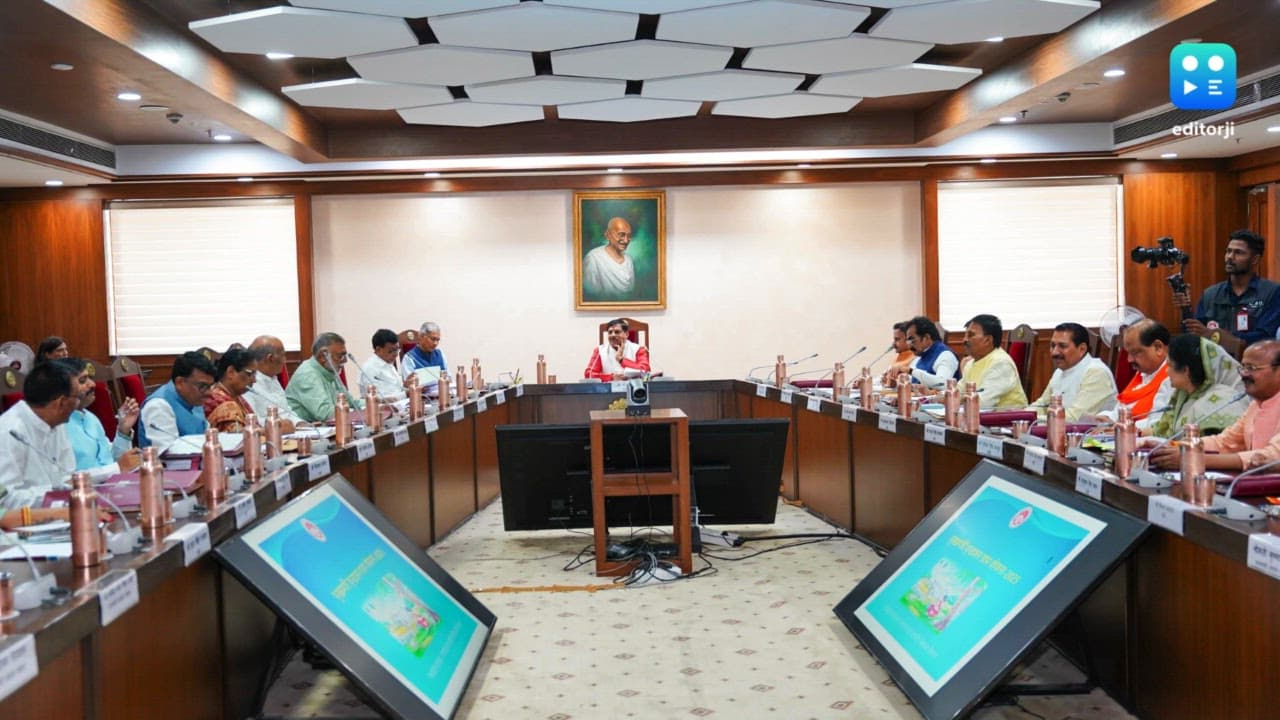
Madhya Pradesh Cabinet approves ‘Mukhya Mantri Vrindavan Gram Yojana’ to make villages self-reliant

Three new cubs born to Cheetah Gamini in MP's Kuno Park; India's count rises to 38

Several people fall ill after consuming contaminated water in Indore's Mhow
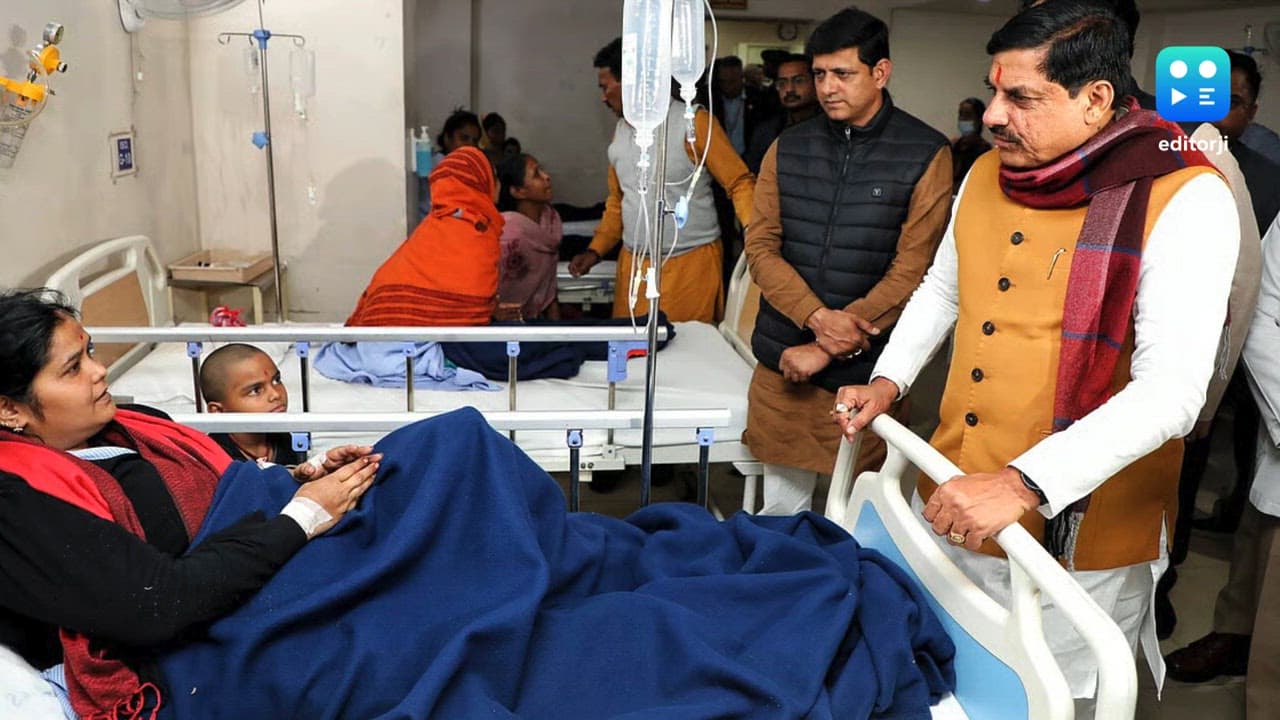
MP govt sets up panel to probe Indore water contamination
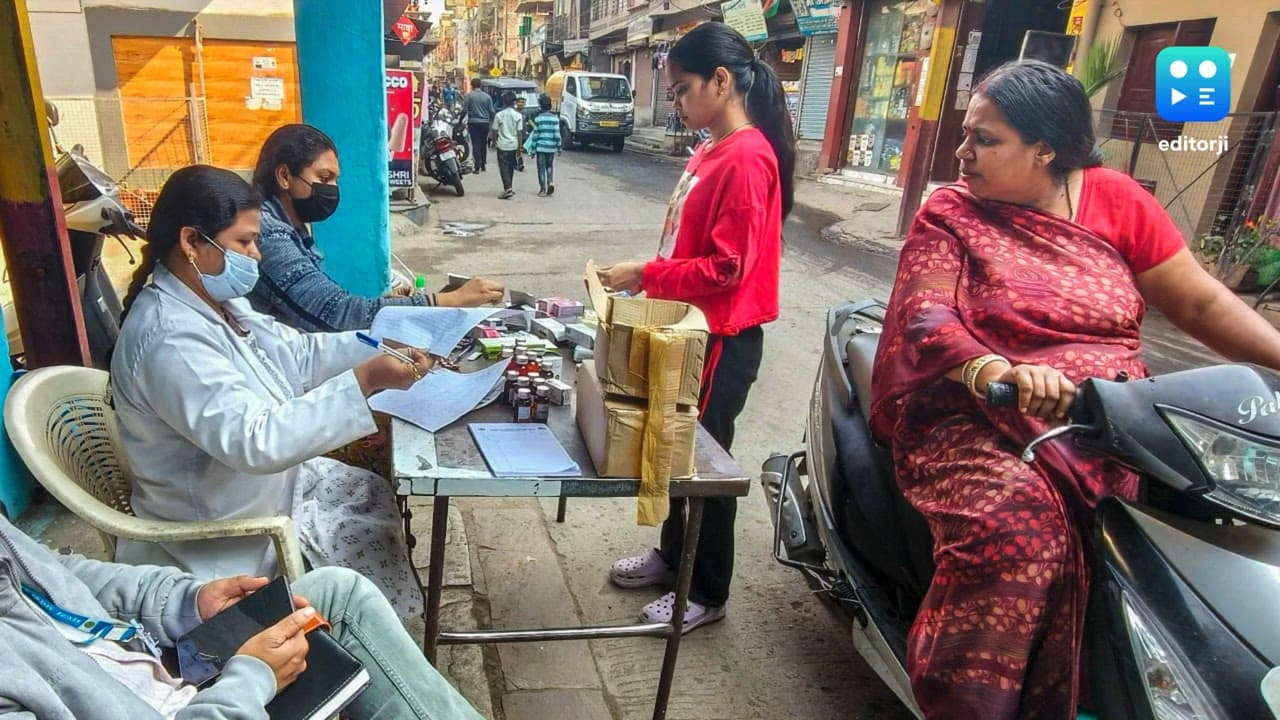
Water contamination: Audit indicates 15 deaths linked to diarrhoea outbreak in Indore

200 parrots die of food poisoning in MP's Khargone district

More videos
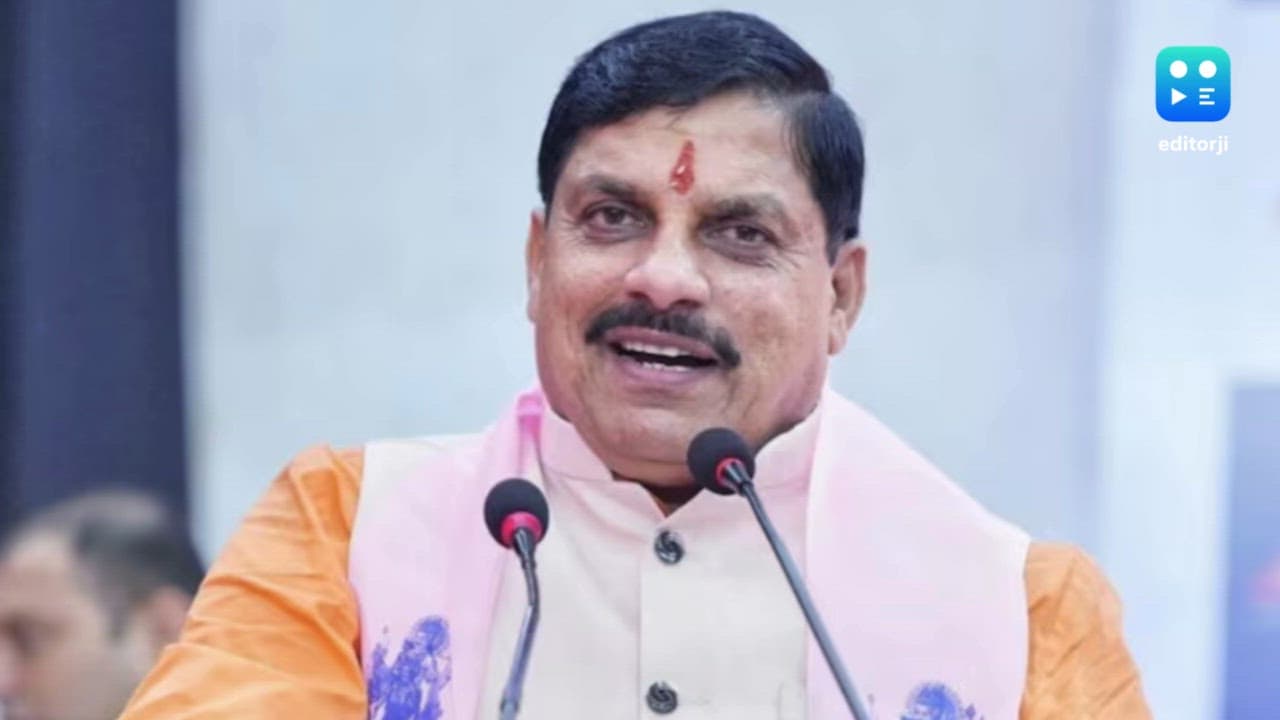
BJP uprooted Naxalism, Cong has double standards over it: MP CM Mohan Yadav

10 Naxalites surrender in MP; CM Yadav says Dindori, Mandla free of Naxal menace

MP CM Yadav, union minister Shekhawat inaugurate RoohMantic spiritual tourism conclave in Ujjain

Singhasth 2028 to break all records with Baba Mahakal's blessings: CM Mohan Yadav

Ujjain's spiritual legacy driving global tourism, says MP CM Dr. Mohan Yadav
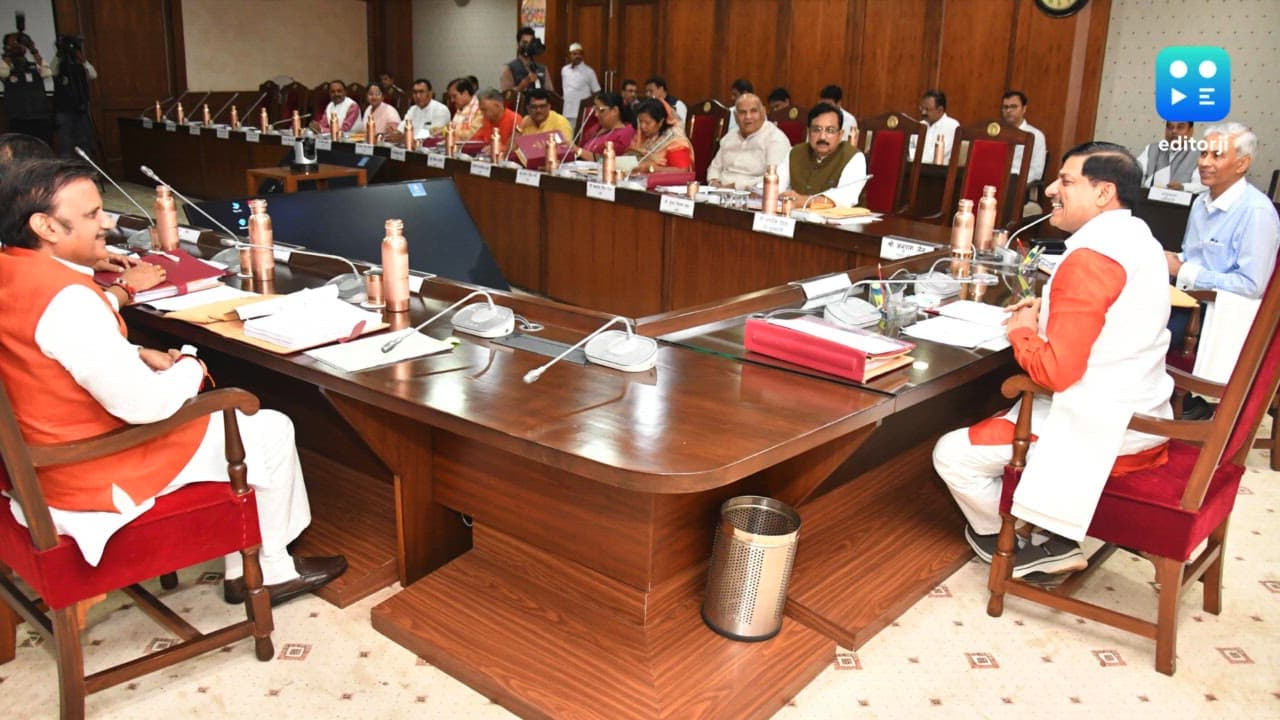
MP cabinet approves consultancy fee for Ujjain-Indore metro project
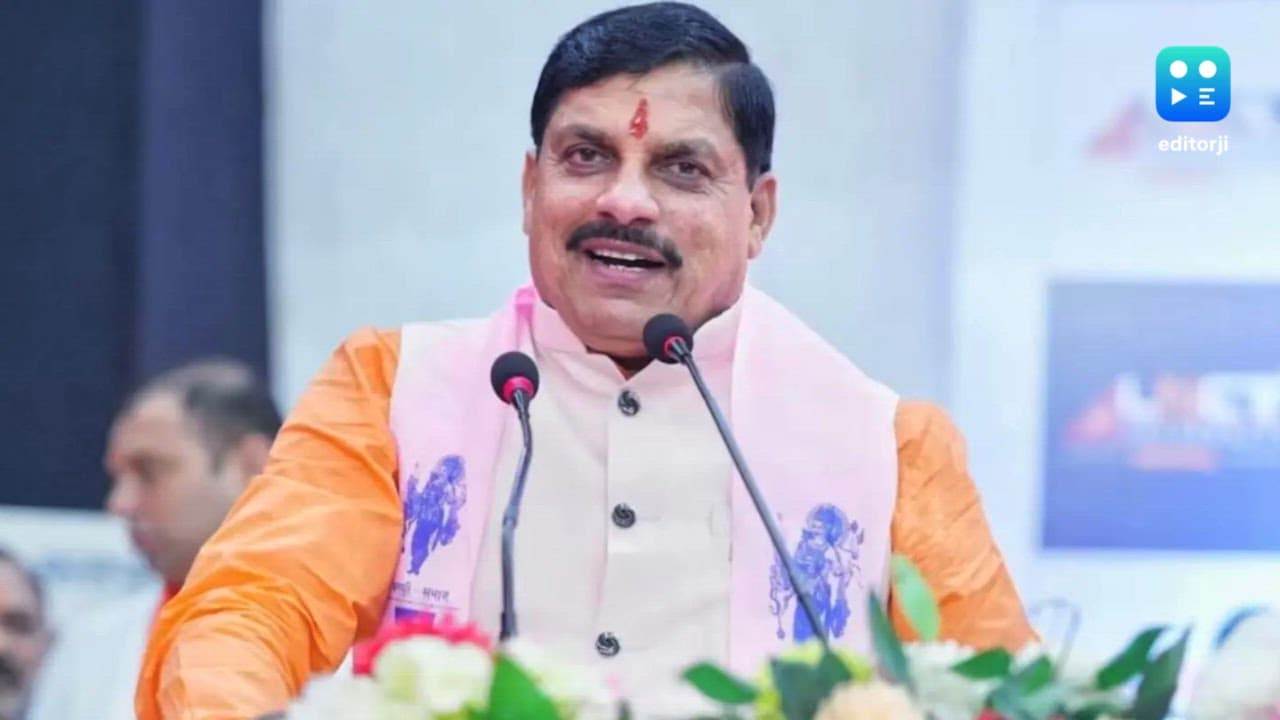
Promote use of Swadeshi goods in Ganesh Chaturthi and Navratri celebrations: MP CM Mohan Yadav
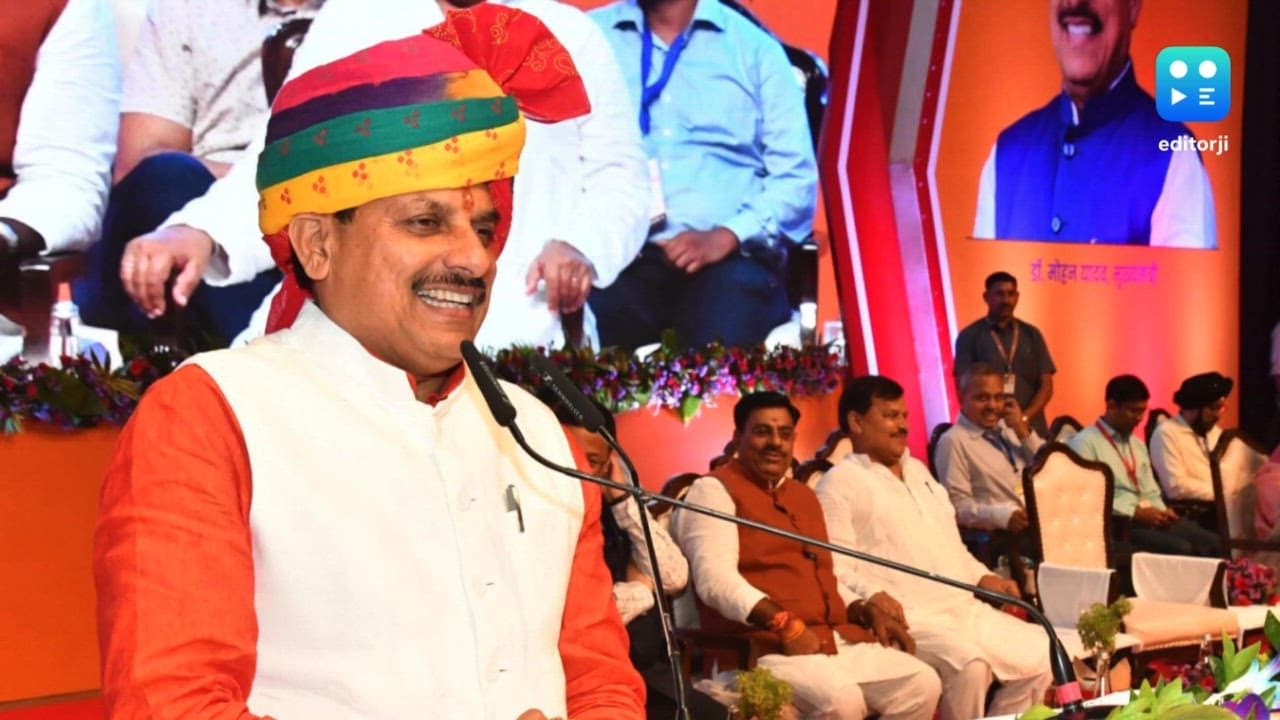
Madhya Pradesh is meeting the power needs of both the state and the nation: CM Mohan Yadav

JP Nadda praises Madhya Pradesh as model for healthcare growth

CM Mohan Yadav to distribute appointment letters to 1,060 power company recruits