


Highlights
Asrani dies at 84 on Diwali. Iconic jailor in 'Sholay'. Over 300 films in a six-decade career.
Latest news
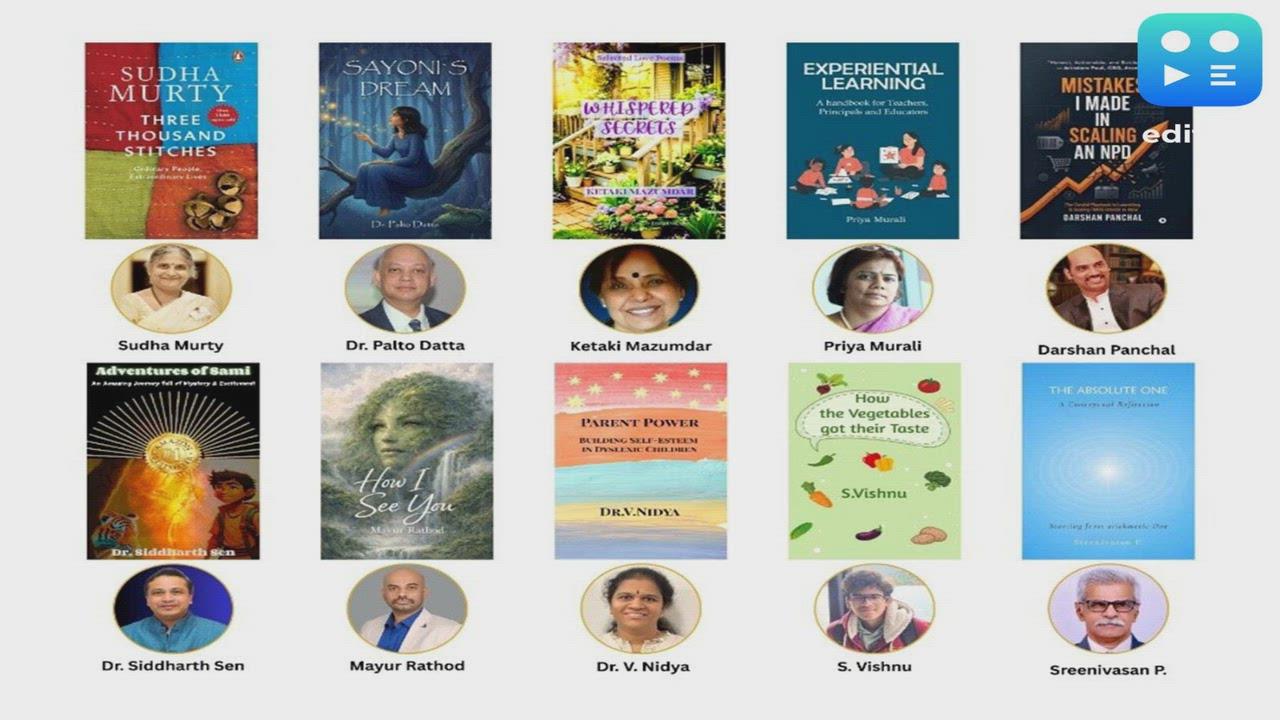
Ten Best Books You Must Read in 2026 and the Brilliant Authors Behind Them

India outperforms global peers, steel output jumps 11% amid global slowdown: Centrum
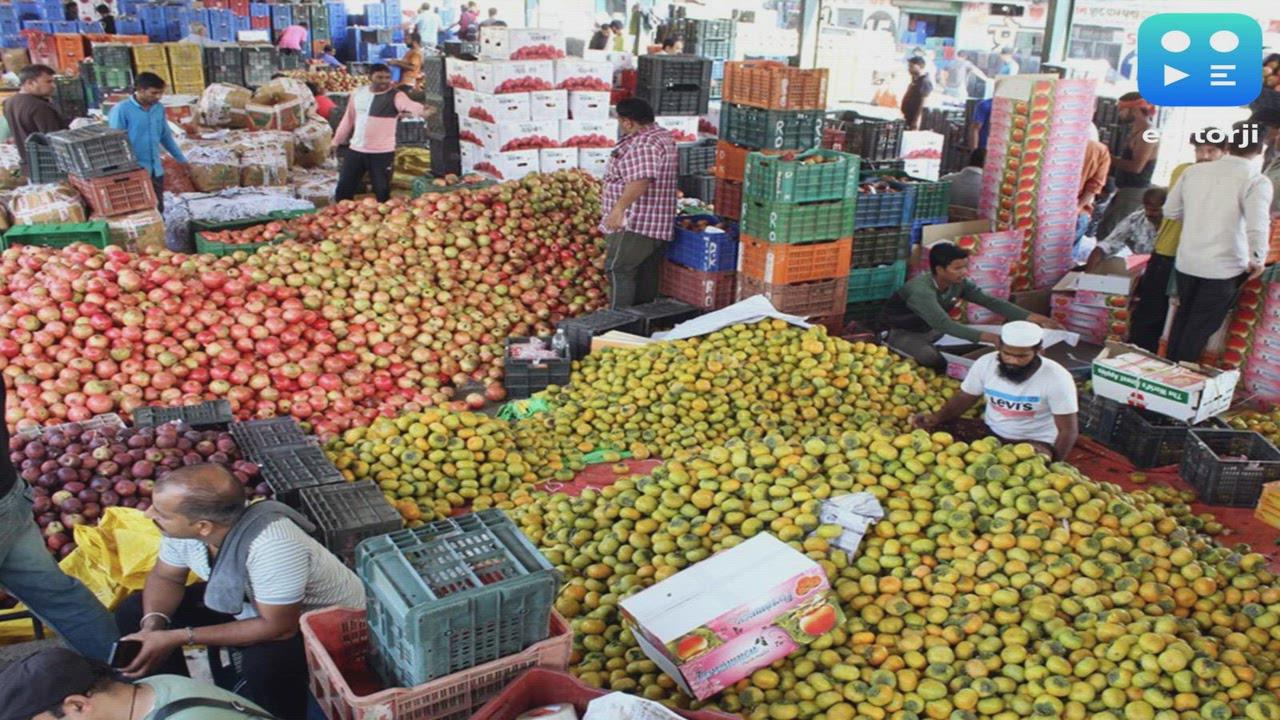
Wholesale inflation surges to 8.3% YoY in April, Fuel and Power inflation rises to 24.71%

TSMC to issue USD 584 million in green bonds for environmental projects

STL Digital Expands AInnov Portfolio With Three New AI-Powered Enterprise Solutions

FIFA World Cup final to feature first-ever halftime show with Madonna, BTS and Shakira

Waterful Zero Launches a First-Of-Its-Kind, New-Age Everyday Drink Mix Designed For Plant-Based Hydration

Health Insurance in India: Benefits & Top Providers


Up Next

Celebrated Actor Asrani Remembered: A Legacy Beyond Comedy

Vijay Deverakonda, Rashmika Mandanna tie the knot in Udaipur; share heartfelt posts

Kerala HC stays release of 'The Kerala Story 2-Goes Beyond'

Vijay Deverakonda, Rashmika Mandanna share glimpses of Haldi ceremony ahead of wedding
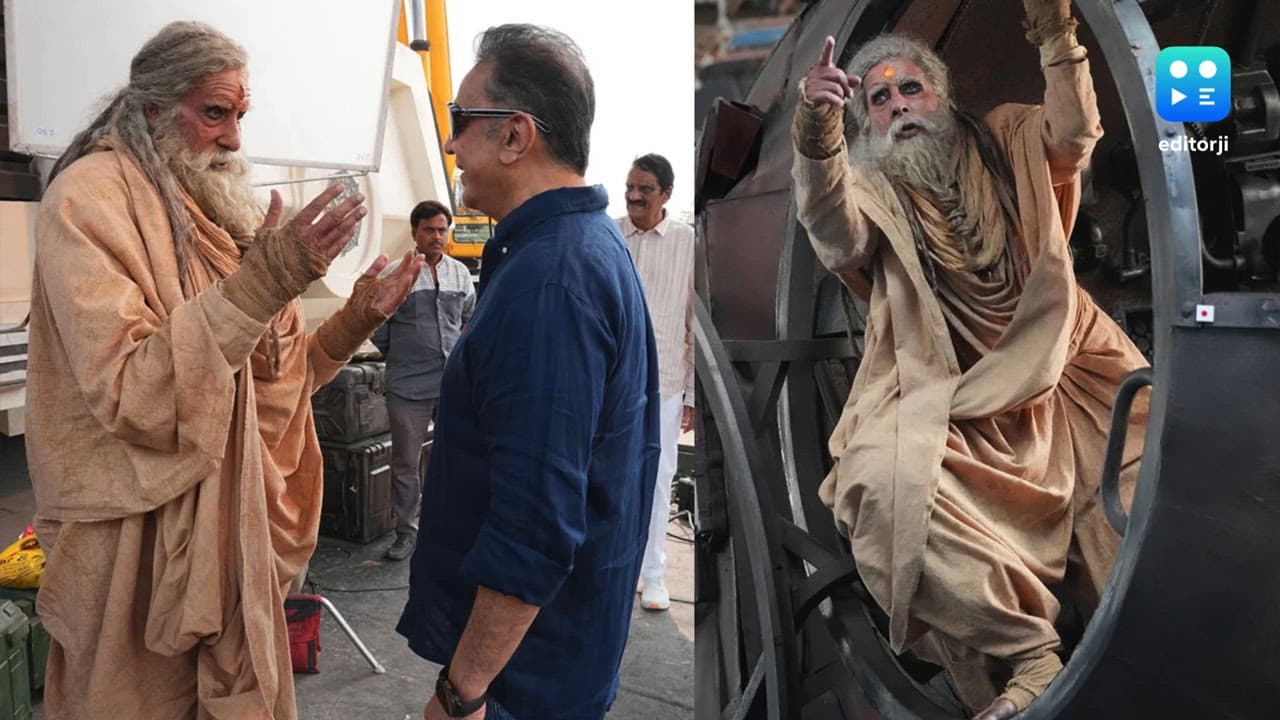
Amitabh Bachchan shooting for 'Kalki 2' in Hyderabad, shares BTS photo with Kamal Haasan

Vijay Deverakonda, Rashmika Mandanna arrive in Udaipur ahead of wedding

More videos
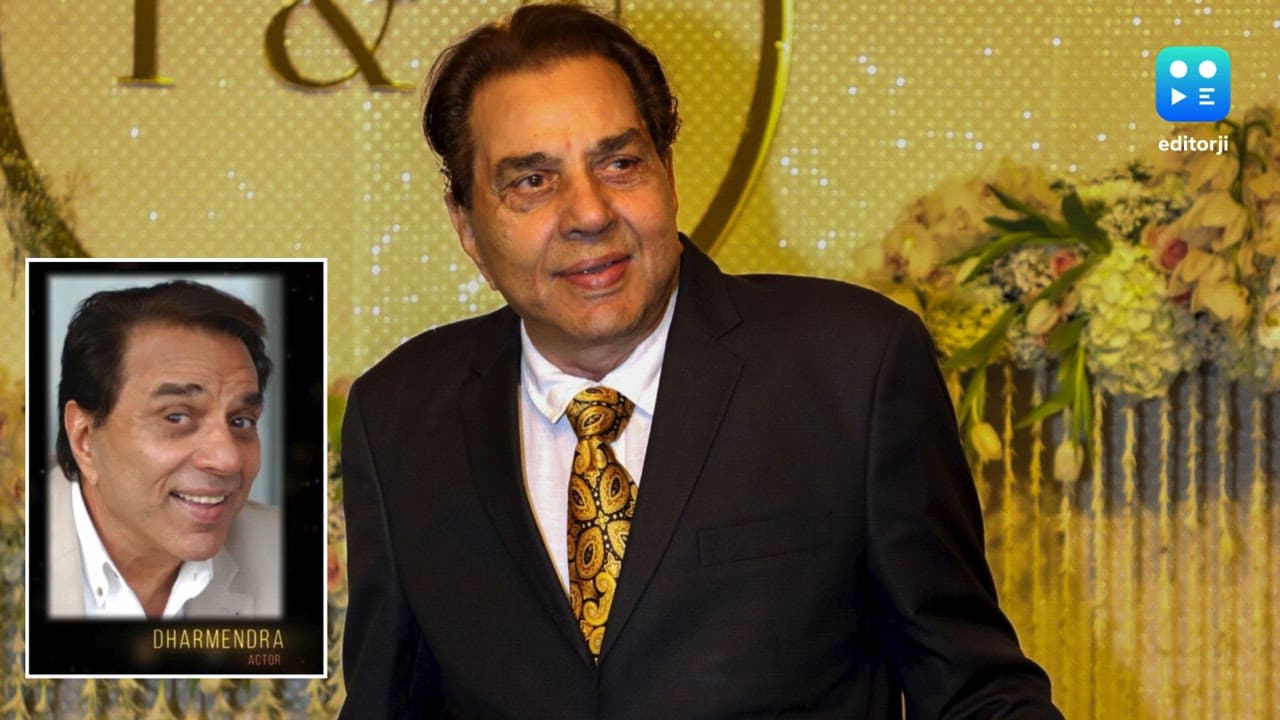
BAFTA 2026 pays tribute to late Dharmendra, Esha Deol says father touched hearts across continents
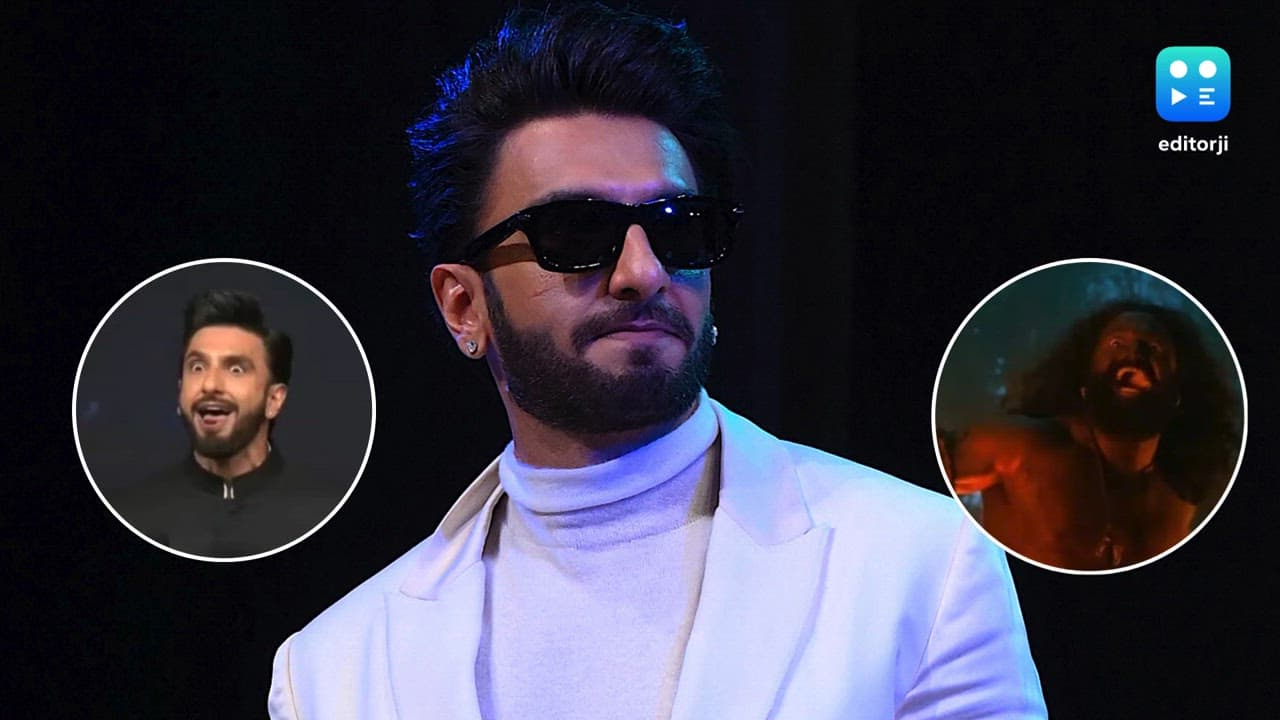
Ranveer Singh approaches Karnataka HC to quash case over Kantara ritual remarks

Shakira to perform in Delhi, Mumbai for Feeding India Concert 2026
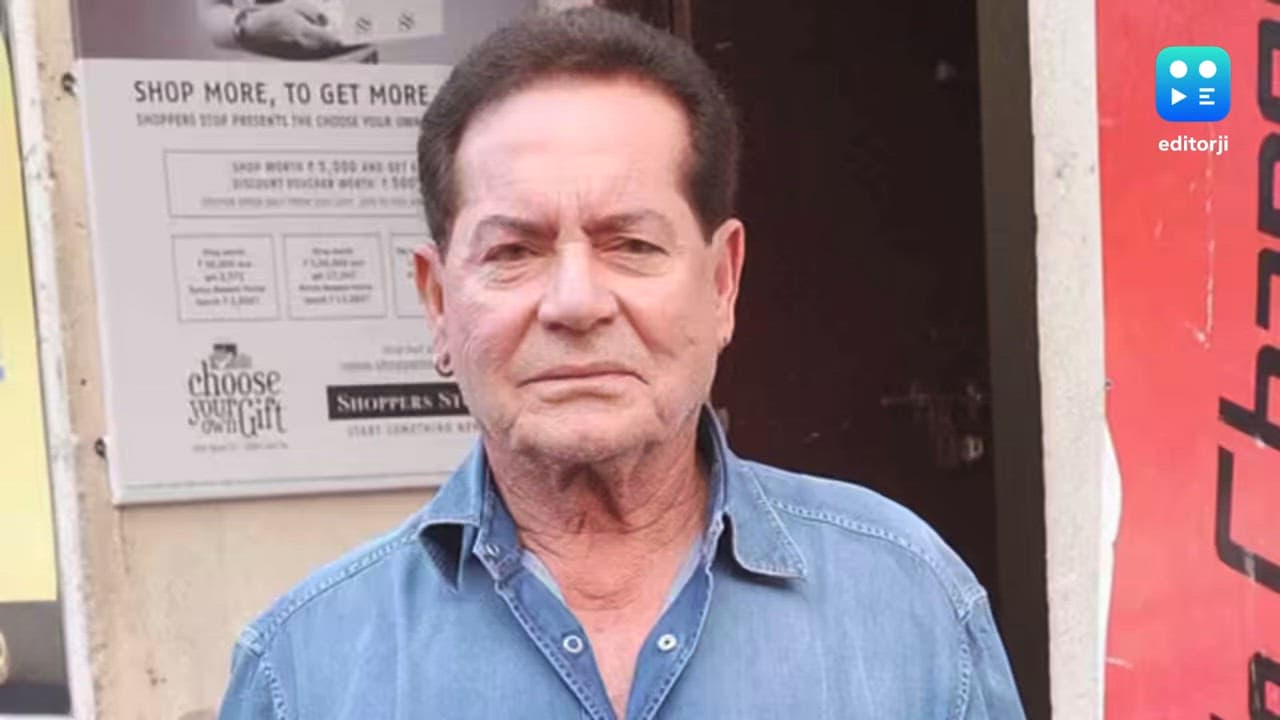
Screenwriter Salim Khan on ventilator support and stable, say doctors

Bon appetit: Emmanuel Macron connects with Bollywood over desi ratatouille and paneer bhurji

Being 'King' has never meant power, always responsibility: Shah Rukh Khan

You can't denigrate section of society by such title: SC raps Neeraj Pandey on 'Ghooskhor Pandat'

Threat email sent to Salman Khan’s brother-in-law and actor Aayush Sharma; sender claims Bishnoi link

Mirzapur: The Film to release in theatres on September 4, 2026
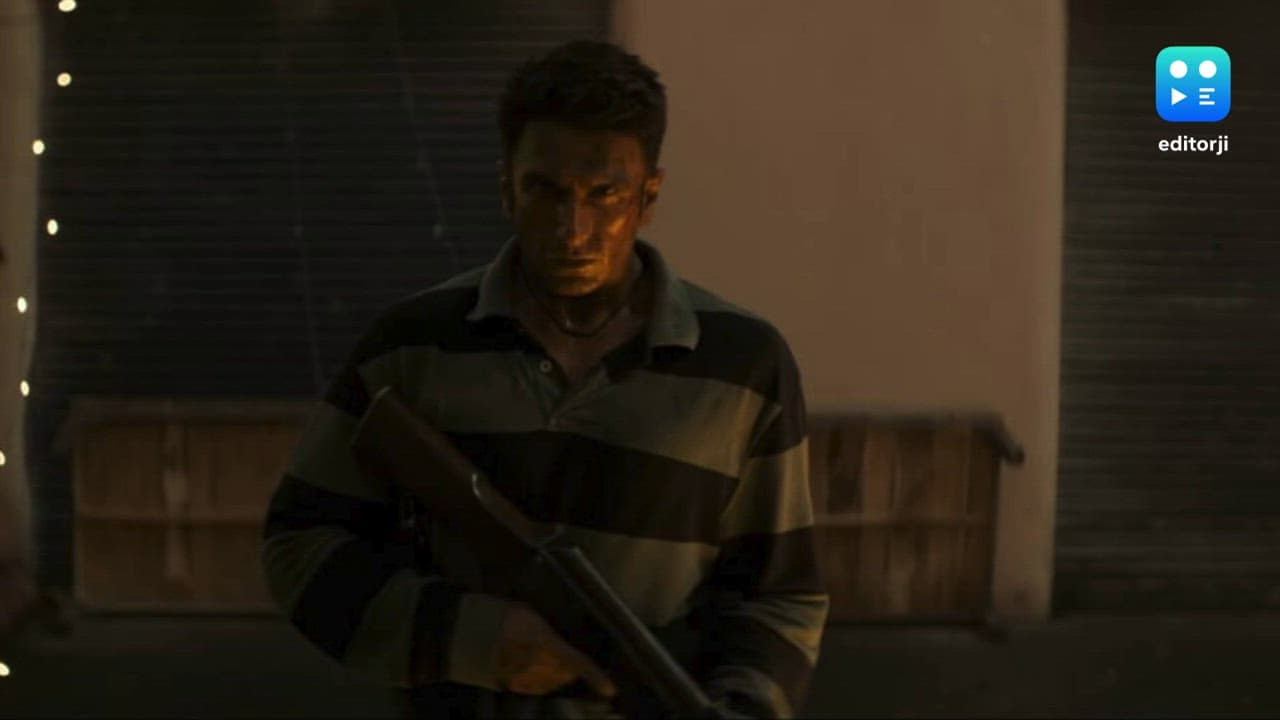
'Dhurandhar: The Revenge' teaser: Ranveer Singh's Hamza goes on a killing spree