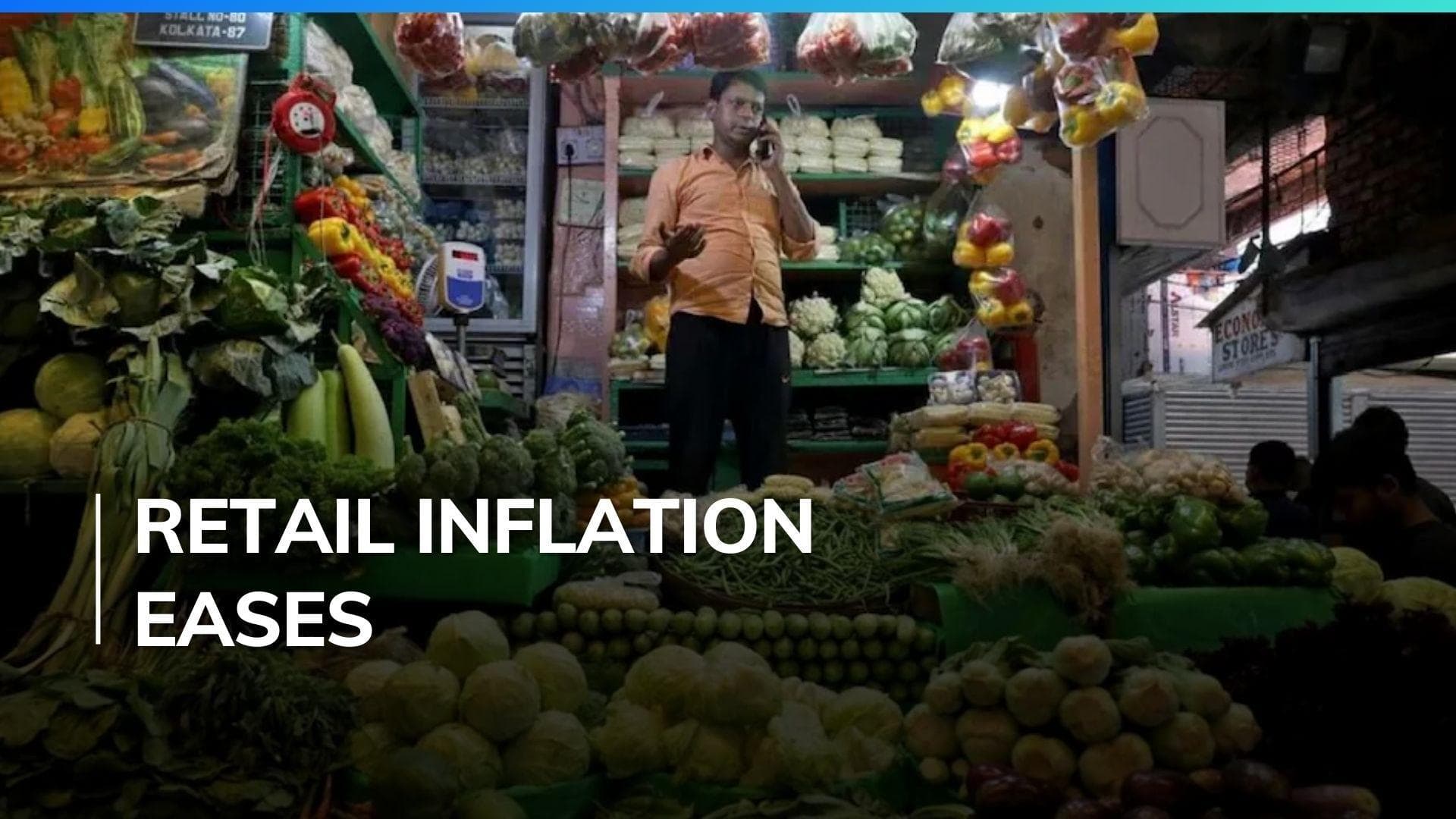
Highlights

  • Food inflation rate decreased from 8.66% to 8.52%.
  • Rural inflation increased from 5.34% to 5.45%.
  • Urban inflation decreased from 4.78% to 4.14%.

Latest news

How to Open an FD Account and Choose the Right Deposit Amount, Tenure and Interest Payout Option

How to Open an FD Account and Choose the Right Deposit Amount, Tenure and Interest Payout Option

Credit Card Cash Withdrawal: Charges You Must Know Before You Swipe

Credit Card Cash Withdrawal: Charges You Must Know Before You Swipe

A New Chapter in PCs: NVIDIA RTX Spark PCs Launched in India Starting at ₹2.99 Lakh

A New Chapter in PCs: NVIDIA RTX Spark PCs Launched in India Starting at ₹2.99 Lakh

From Toy Faces To Lucky Charms, DailyObjects’ New Cases Put Art On iPhones
From Toy Faces To Lucky Charms, DailyObjects’ New Cases Put Art On iPhones

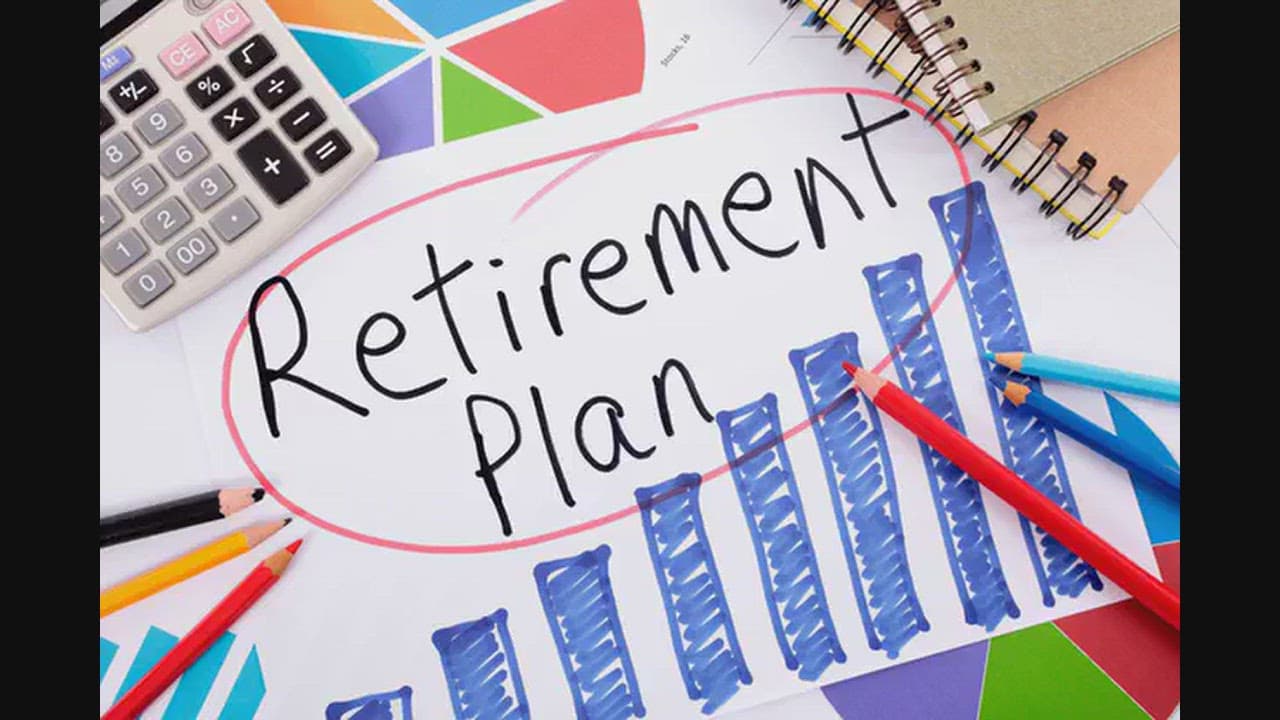
Why Retirement Planning is Shifting From Wealth Accumulation to Income Sustainability

Why Retirement Planning is Shifting From Wealth Accumulation to Income Sustainability

OPPO 45W 20000mAh Power Bank Review: No Mess, Fast Speeds, Real Value 

OPPO 45W 20000mAh Power Bank Review: No Mess, Fast Speeds, Real Value 

One in Three Laptop Buyers Wants to Upgrade for AI; 24% Are Open to Snapdragon, Survey Finds

One in Three Laptop Buyers Wants to Upgrade for AI; 24% Are Open to Snapdragon, Survey Finds

Dell’s New Pro Headsets Offer AI Noise Reduction and Replaceable Batteries

Dell’s New Pro Headsets Offer AI Noise Reduction and Replaceable Batteries

Retail inflation drops to 4.85% in March, down from 5.09% in February; Food and beverage prices decline

The increase or decrease in inflation depends on the demand and supply of products. If people have more money, they tend to buy more things. Increased demand leads to higher prices if the supply does not meet the demand.

Retail inflation drops to 4.85% in March, down from 5.09% in February; Food and beverage prices decline

Retail inflation fell to 4.85% in March, down from 5.09% in February, with prices of food and beverages decreasing. The Reserve Bank of India (RBI) has a target range of 2%-6% for inflation. In an ideal situation, the RBI would want retail inflation to remain at 4%.

Food inflation rate decreased from 8.66% to 8.52%, rural inflation increased from 5.34% to 5.45%, and urban inflation decreased from 4.78% to 4.14%.

How does inflation increase or decrease?

The increase or decrease in inflation depends on the demand and supply of products. If people have more money, they tend to buy more things. Increased demand leads to higher prices if the supply does not meet the demand.

In this way, the market falls prey to inflation. In simple terms, excessive flow of money in the market or shortages of goods lead to inflation. Conversely, if demand decreases and supply increases, inflation decreases. Inflation is determined by the CPI

As consumers, we purchase goods from the retail market. Consumer Price Index measures changes in the prices related to these purchases. It measures the average price that we pay for goods and services.

Apart from raw oil, commodity prices, and manufacturing costs, there are many other factors that play a crucial role in determining retail inflation rates. There are about 300 items based on whose prices the retail inflation rate is determined.

Frequently Asked Questions

Retail inflation dropped to 4.85% in March.

ADVERTISEMENT

Up Next

Retail inflation drops to 4.85% in March, down from 5.09% in February; Food and beverage prices decline

Retail inflation drops to 4.85% in March, down from 5.09% in February; Food and beverage prices decline

How to Open an FD Account and Choose the Right Deposit Amount, Tenure and Interest Payout Option

How to Open an FD Account and Choose the Right Deposit Amount, Tenure and Interest Payout Option

Credit Card Cash Withdrawal: Charges You Must Know Before You Swipe

Credit Card Cash Withdrawal: Charges You Must Know Before You Swipe

Why Retirement Planning is Shifting From Wealth Accumulation to Income Sustainability

Why Retirement Planning is Shifting From Wealth Accumulation to Income Sustainability

How Does a Critical Illness Policy Work? Coverage, Claims & Benefits Explained
How Does a Critical Illness Policy Work? Coverage, Claims & Benefits Explained

Sensex Falls 252 Points, Nifty Slips as Crude Oil Tops $106

Sensex Falls 252 Points, Nifty Slips as Crude Oil Tops $106

ADVERTISEMENT

editorji-whatsApp

More videos

Sensex Jumps Over 1,100 Points, Nifty Gains 1.6% as IT Stocks Rally
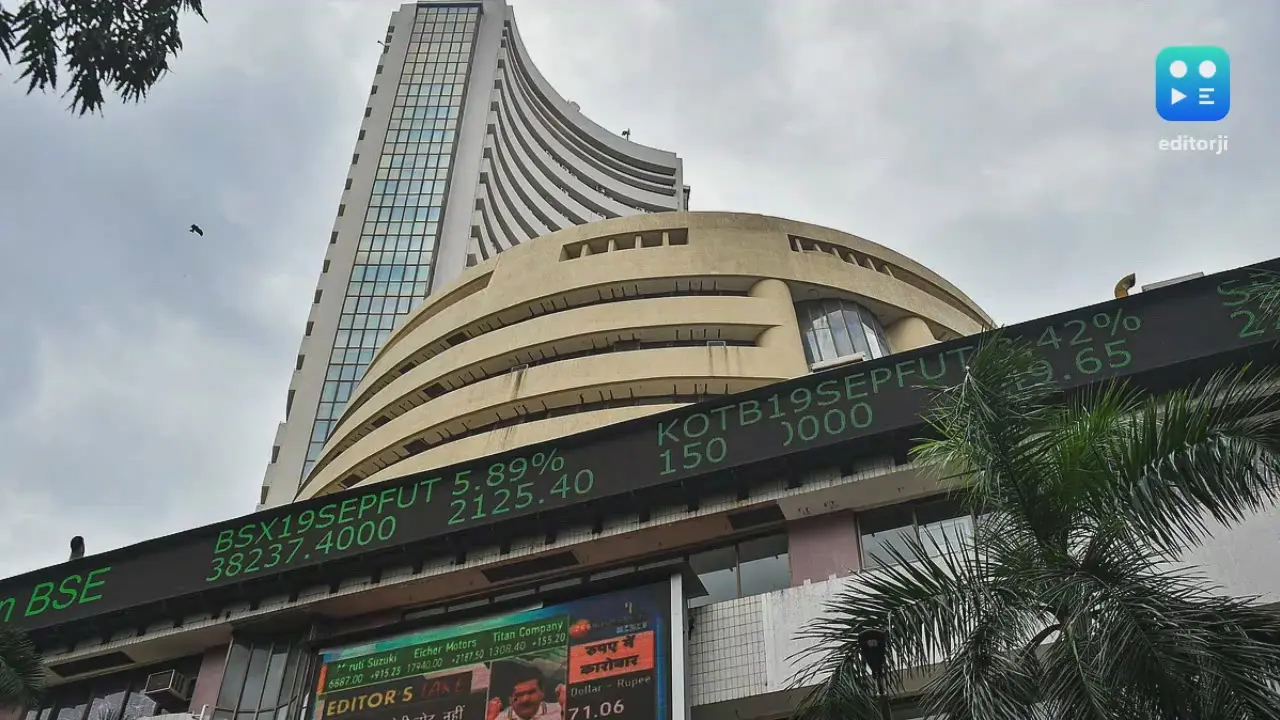
Sensex Jumps Over 1,100 Points, Nifty Gains 1.6% as IT Stocks Rally

Sensex falls 429 points, Nifty slips 173 points after RBI rate hike
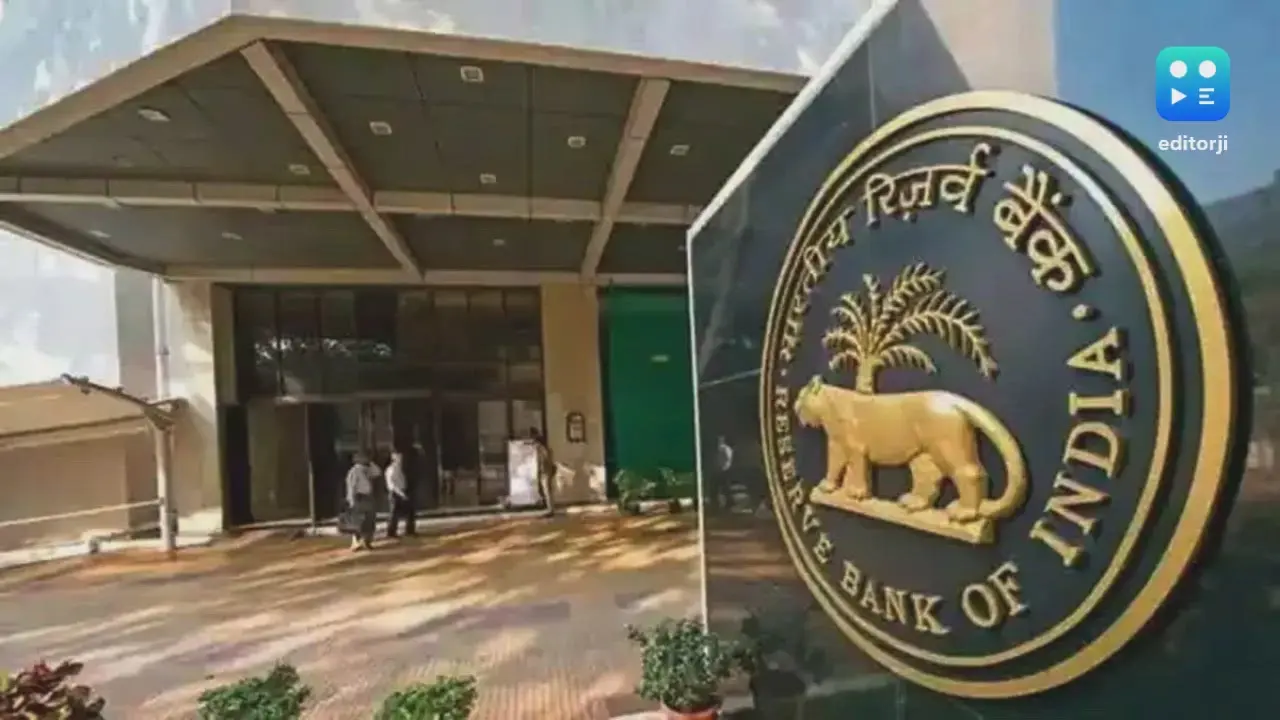
Sensex falls 429 points, Nifty slips 173 points after RBI rate hike

RBI raises repo rate by 25 bps to 5.50%, shifts policy towards tightening
RBI raises repo rate by 25 bps to 5.50%, shifts policy towards tightening

GST rates likely unchanged as 57th Council meeting focuses on reforms
GST rates likely unchanged as 57th Council meeting focuses on reforms

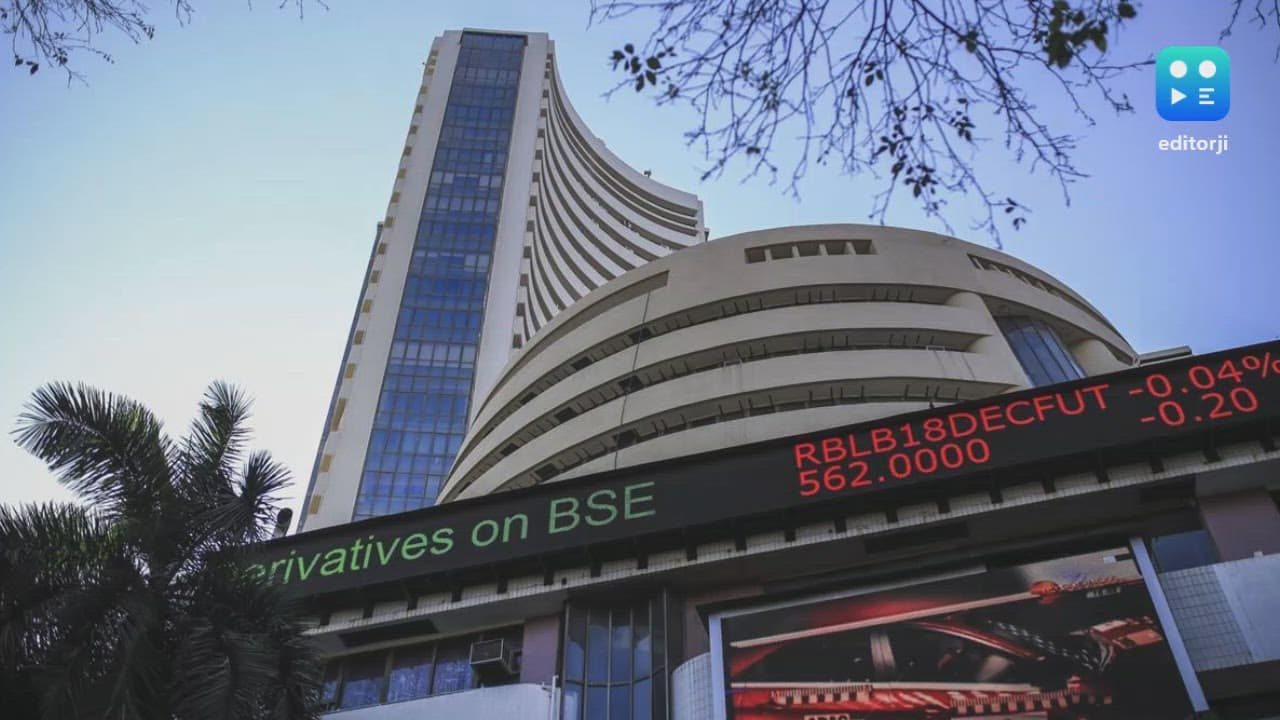
Sensex gains 685 points, Nifty rises 220 points to cross 22,700
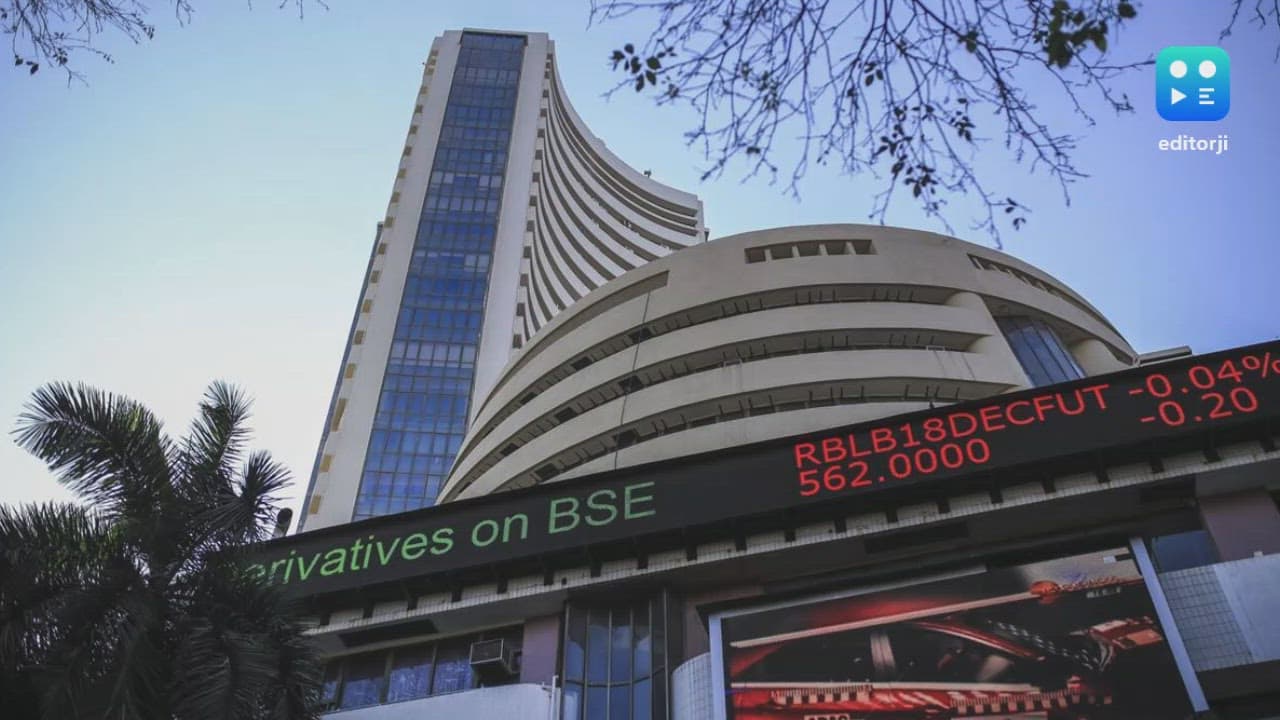
Sensex gains 685 points, Nifty rises 220 points to cross 22,700

Sensex gains 473 points, Nifty rises 134 points as markets stage recovery

Sensex gains 473 points, Nifty rises 134 points as markets stage recovery

India To Grow 7% In FY27, Next Growth Phase Hinges On Infra, Deeper Capital Markets: S&P Global
India To Grow 7% In FY27, Next Growth Phase Hinges On Infra, Deeper Capital Markets: S&P Global

Sensex Falls 49 Points, Nifty Slips 96 As Selling Pressure Returns
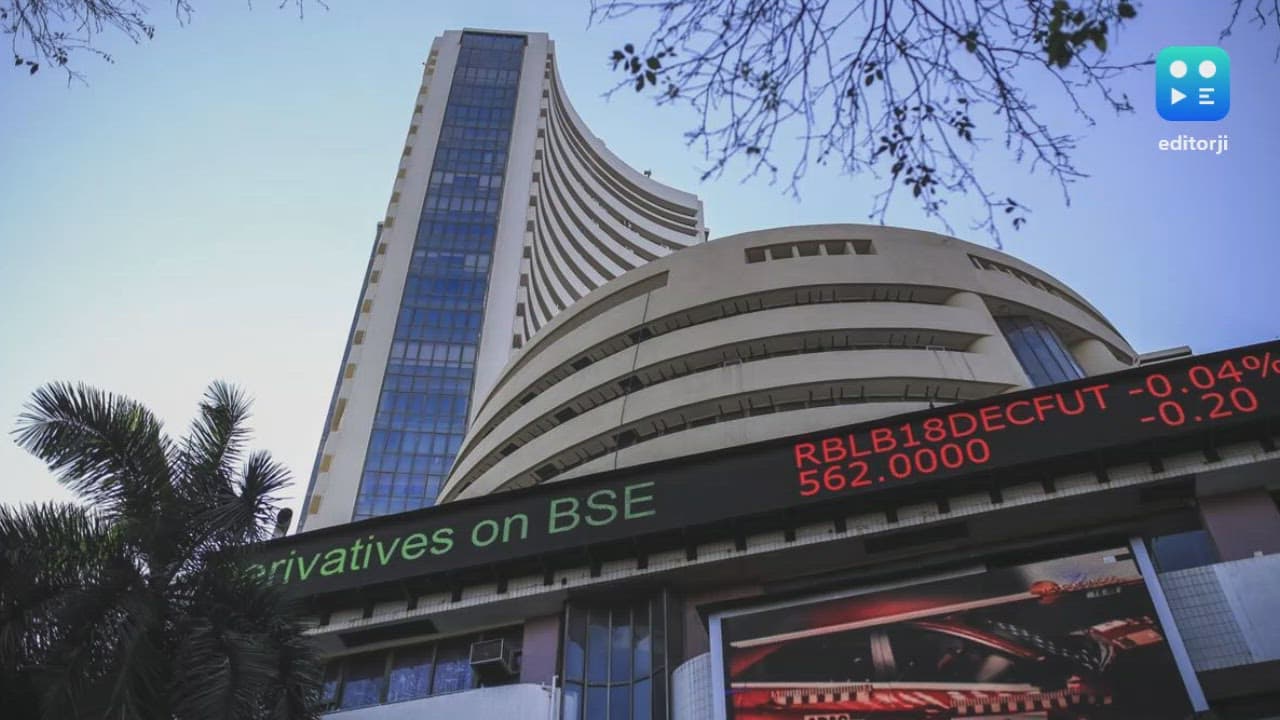
Sensex Falls 49 Points, Nifty Slips 96 As Selling Pressure Returns

Sensex falls 243 points, Nifty slips 64 points as foreign outflows and crude prices weigh

Sensex falls 243 points, Nifty slips 64 points as foreign outflows and crude prices weigh

India launches anti-dumping probes into 7 Chinese products, including key pharma ingredients

India launches anti-dumping probes into 7 Chinese products, including key pharma ingredients

Editorji Technologies Pvt. Ltd. © 2022 All Rights Reserved.