Highlights

  • RBI first released the guidelines back in 2019
  • Rules for storage of card details will come into effect from October 1
  • No charges for availing this service

Latest news
iQOO Buds Review: Monster Battery and Serious Gaming Chops for under ₹2,000 

iQOO Buds Review: Monster Battery and Serious Gaming Chops for under ₹2,000 

Repo rate today at 5.25%: how long an RBI decision takes to reach your home loan interest rate

Repo rate today at 5.25%: how long an RBI decision takes to reach your home loan interest rate

CMF Buds Neo Review: 35dB ANC, 52-Hour Battery and Incredible Value

CMF Buds Neo Review: 35dB ANC, 52-Hour Battery and Incredible Value

iQOO Z11 Review: A Balanced Mid-Range Powerhouse

iQOO Z11 Review: A Balanced Mid-Range Powerhouse

Samsung Galaxy Watch 9 Review: Familiar, Faster And Better Where It Matters

Samsung Galaxy Watch 9 Review: Familiar, Faster And Better Where It Matters

Samsung Galaxy Watch Ultra2 Review: A Smarter, Tougher and Longer-Lasting Ultra

Samsung Galaxy Watch Ultra2 Review: A Smarter, Tougher and Longer-Lasting Ultra

Gabit Smart Ring Review: A Better Way To Track Your Health? 

Gabit Smart Ring Review: A Better Way To Track Your Health? 

Xiaomi Power Bank 5i 20000 67W Review: A Powerful Travel Companion

Xiaomi Power Bank 5i 20000 67W Review: A Powerful Travel Companion

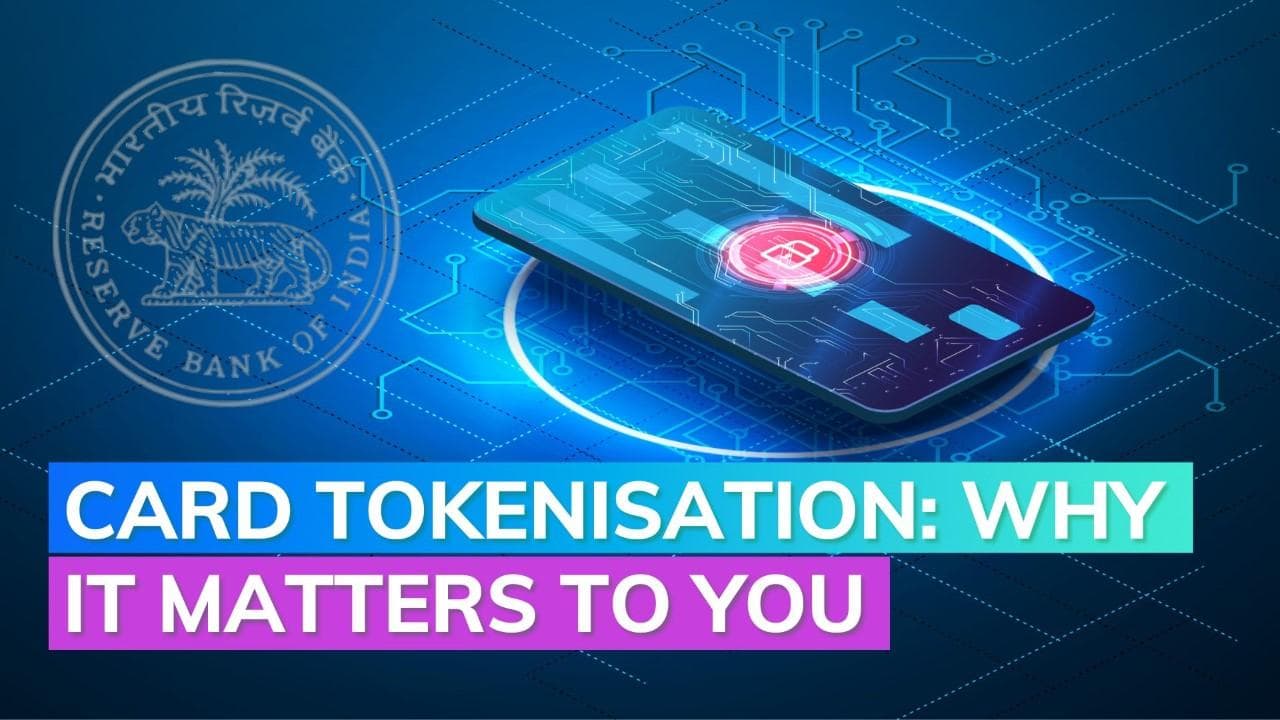
RBI pushes for tokenisation, here is why it matters to you

Tokenisation is the process where actual card details are replaced with an alternate code, called a token

RBI pushes for tokenisation, here is why it matters to you

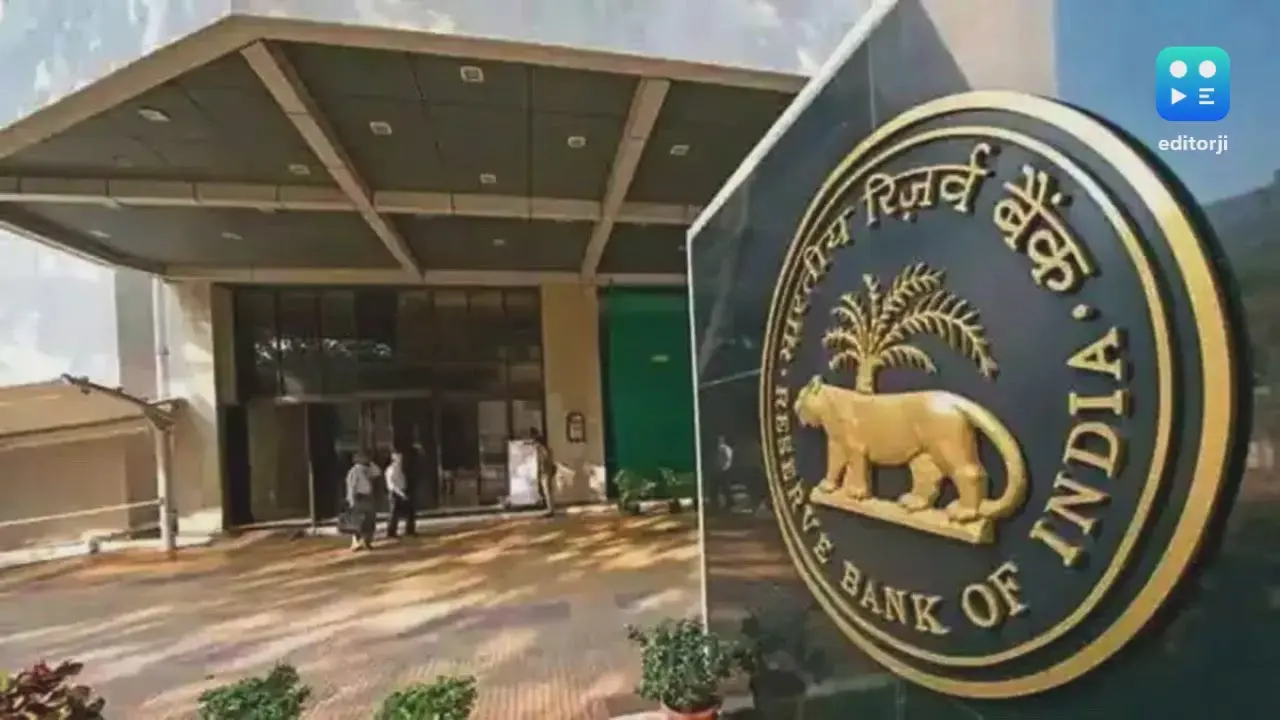
After extending the deadlines for three times, the Reserve Bank of India (RBI) is set to roll out its card-on-file tokenisation norms from October 1. Here is all you need to know about card tokenisation:

What is card-tokenisation?

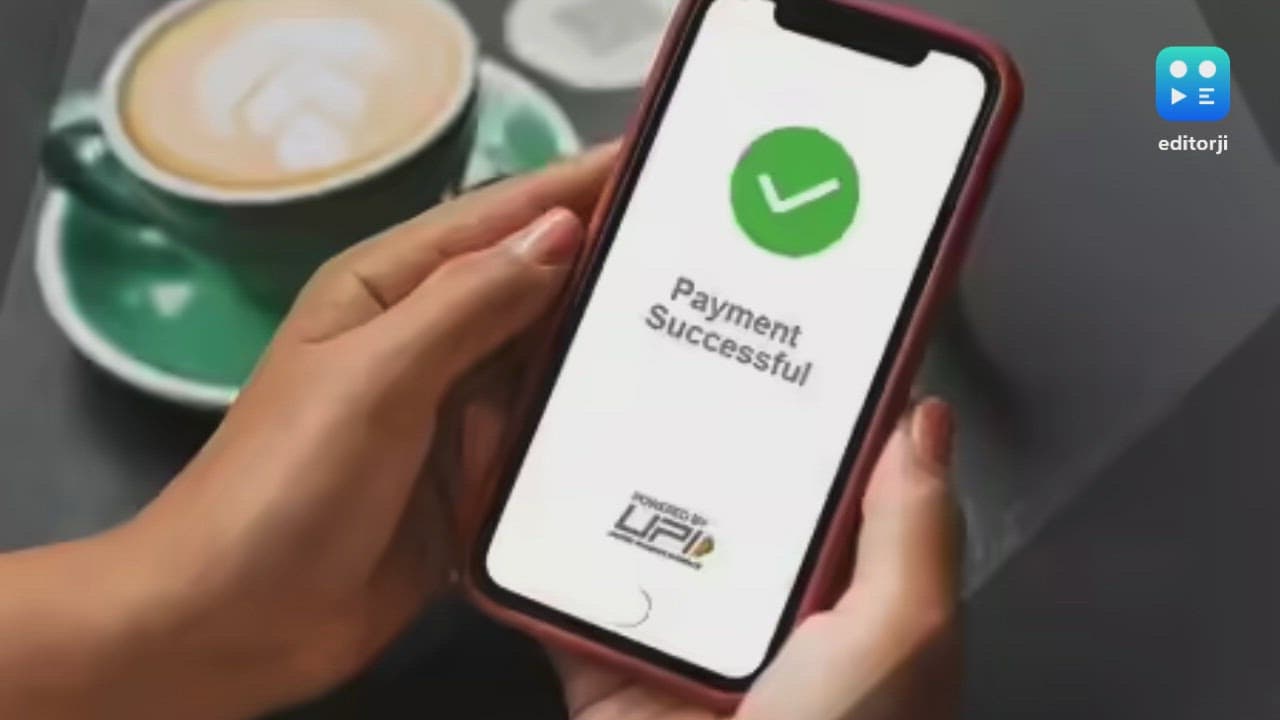
Card-on-file, or CoF, refers to card information stored by payment gateway and merchants to process future transactions. Tokenisation is the process of replacing actual card details with a unique alternate code called 'Token' - thereby enabling more secure transactions.

How can customers tokenise their cards?

A cardholder can initiate a request on the app provided by the token requestor to get their card tokenised. The request will then be forwarded to the card network, which will then, with the consent of the card issuer, will issue a token. The token will be corresponding to the card combination, the device, and the token requestor.

Customers can get their cards tokenised without paying any charges for the service. Only authorised card networks and entities, approved by the RBI, can perform card tokenisation.

Is Tokenisation Mandatory?

Even though tokenisation of debit and credit cards is not mandatory but it has been advised by RBI that a tokenised card will ensure that there are lesser frauds committed in terms of domestic online payments.

Is it secure?

Credit card and debit card tokenisation does not allow merchants to store your data, and also gives an added layer of protection through entering your CVV and the OTP received, thereby making online transactions more safe.

Card tokenisation deadline extension

Prior to this, the RBI gave the payments ecosystem time till September 30 for purging all card-on-file (CoF) data, the third extension in the last one-and-a-half years.

Frequently Asked Questions

Tokenisation is the process of replacing actual card details with a unique alternate code called a 'Token', which enables more secure transactions.

ADVERTISEMENT

Up Next

RBI pushes for tokenisation, here is why it matters to you

RBI pushes for tokenisation, here is why it matters to you

Repo rate today at 5.25%: how long an RBI decision takes to reach your home loan interest rate

Repo rate today at 5.25%: how long an RBI decision takes to reach your home loan interest rate

Step-by-step guide to apply for a mortgage loan online with minimal documentation

Step-by-step guide to apply for a mortgage loan online with minimal documentation

Honda Activa 6G: Everything You Need to Know Before Buying

Honda Activa 6G: Everything You Need to Know Before Buying

How much does a ULIP plan really cost? A break-down of all charges

How much does a ULIP plan really cost? A break-down of all charges

Centre plans to borrow Rs 8.20 lakh cr from market in first half of FY27

Centre plans to borrow Rs 8.20 lakh cr from market in first half of FY27

ADVERTISEMENT

editorji-whatsApp

More videos

Reliance denies buying Iranian oil amid US sanctions waiver

Reliance denies buying Iranian oil amid US sanctions waiver

Premium petrol price up Rs 2, industrial diesel up Rs 22; no change in normal petrol, diesel rates

Premium petrol price up Rs 2, industrial diesel up Rs 22; no change in normal petrol, diesel rates

India's GDP expected to register over 8 pc growth in Sep-Dec: Report

India's GDP expected to register over 8 pc growth in Sep-Dec: Report

Govt announces seven measures to help boost exports

Govt announces seven measures to help boost exports

RBI keeps interest rates on hold after US trade deal boosts outlook

RBI keeps interest rates on hold after US trade deal boosts outlook

RBI proposes to compensate customers up to Rs 25,000 loss due to fraud

RBI proposes to compensate customers up to Rs 25,000 loss due to fraud

RBI raises GDP growth projection of Q1, Q2 of FY27

RBI raises GDP growth projection of Q1, Q2 of FY27

RBI pauses rate cuts, retains interest rate at 5.25 pc

RBI pauses rate cuts, retains interest rate at 5.25 pc

Rupee jumps 122 paise to close at 90.27 against US dollar on India-US trade deal

Rupee jumps 122 paise to close at 90.27 against US dollar on India-US trade deal

Stock markets cheer India-US trade deal: Sensex, Nifty surge 2.5 pc

Stock markets cheer India-US trade deal: Sensex, Nifty surge 2.5 pc

Editorji Technologies Pvt. Ltd. © 2022 All Rights Reserved.