Highlights

  • SEBI had permitted mutual funds an extra expense ratio of 0.3% on new inflows from non-metros or B-30 cities
  • B-30 means 'beyond 30' or cities other than the top 30
  • This was done to incentivise mutual fund flows from smaller towns

Latest news

From Silent Retreats to Solo Trips: What Indians Are Googling About Travel

From Silent Retreats to Solo Trips: What Indians Are Googling About Travel

How to Open an FD Account and Choose the Right Deposit Amount, Tenure and Interest Payout Option

How to Open an FD Account and Choose the Right Deposit Amount, Tenure and Interest Payout Option

Credit Card Cash Withdrawal: Charges You Must Know Before You Swipe

Credit Card Cash Withdrawal: Charges You Must Know Before You Swipe

A New Chapter in PCs: NVIDIA RTX Spark PCs Launched in India Starting at ₹2.99 Lakh

A New Chapter in PCs: NVIDIA RTX Spark PCs Launched in India Starting at ₹2.99 Lakh

From Toy Faces To Lucky Charms, DailyObjects’ New Cases Put Art On iPhones

From Toy Faces To Lucky Charms, DailyObjects’ New Cases Put Art On iPhones

Why Retirement Planning is Shifting From Wealth Accumulation to Income Sustainability
Why Retirement Planning is Shifting From Wealth Accumulation to Income Sustainability

OPPO 45W 20000mAh Power Bank Review: No Mess, Fast Speeds, Real Value 

OPPO 45W 20000mAh Power Bank Review: No Mess, Fast Speeds, Real Value 

One in Three Laptop Buyers Wants to Upgrade for AI; 24% Are Open to Snapdragon, Survey Finds

One in Three Laptop Buyers Wants to Upgrade for AI; 24% Are Open to Snapdragon, Survey Finds

SEBI stops small-town linked incentives for Mutual Funds

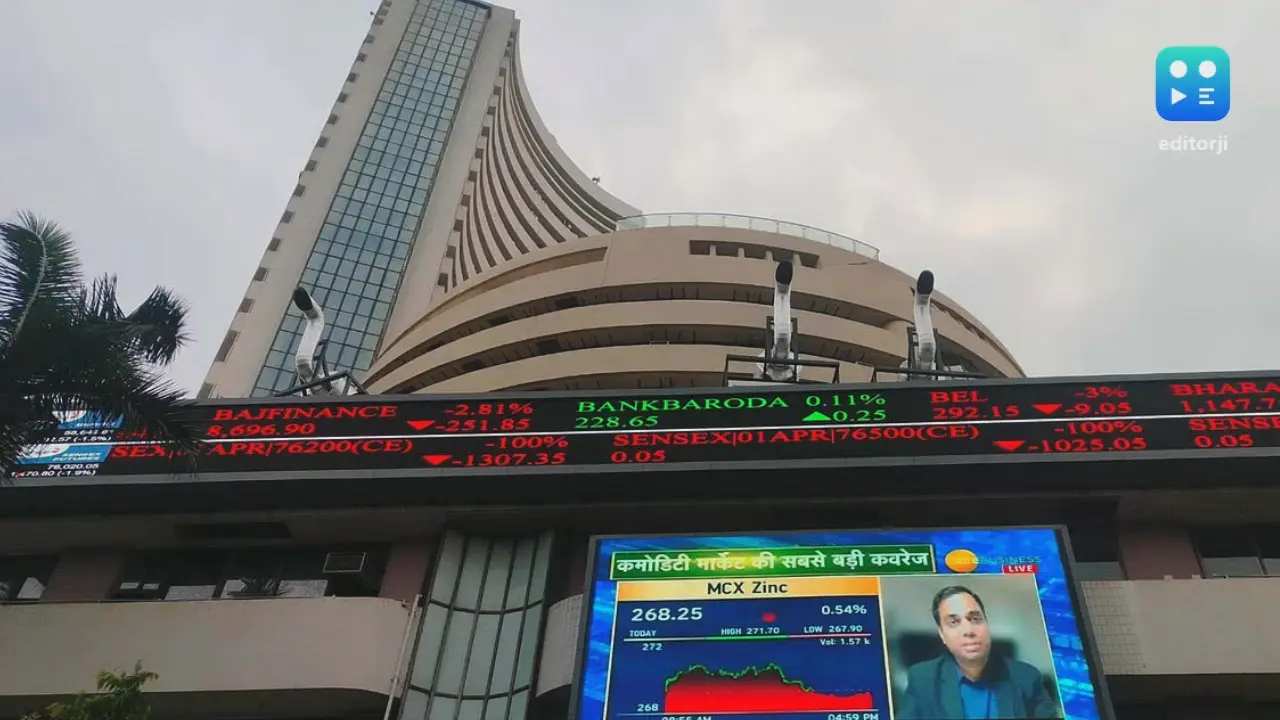
Capital markets regulator SEBI has asked mutual fund companies to put on hold B-30 commissions, that is, an extra component in the expense ratio on new inflows from non-metros beyond the top 30 cities. 

SEBI stops small-town linked incentives for Mutual Funds

Capital markets regulator SEBI is concerned with the misuse of an incentive structure to bring in new mutual fund inflows from small towns or B-30 cities. Keeping this in mind, SEBI has asked mutual funds to put this B-30 incentive structure on hold until asset management companies are able to put in place a mechanism to stop its misuse.

SEBI had permitted mutual funds an additional component of expense ratio of 30 bps or 0.3% on new inflows from non-metros or B-30 cities. B-30 means 'beyond 30' or cities other than the top 30. Mutual funds then pass this additional amount on to distributors who bring in these flows. This was done to incentivise mutual fund flows from smaller towns.

The markets regulator observed that this incentive structure was being exploited by splitting transactions, churning investments and the method of calculating B-30 incentives. SEBI also pointed out that there is no proper mechanism in place to check the misuse of this structure.

However, SEBI has said that either the incentive structure will be restored with the necessary safeguards or a new mechanism will be put into place to incentivise flows from smaller towns.

Frequently Asked Questions

The B-30 incentive structure is an additional component of expense ratio of 30 basis points (0.3%) allowed by SEBI for new mutual fund inflows from non-metro or B-30 cities, which means cities other than the top 30. This was intended to incentivize mutual fund flows from smaller towns.

ADVERTISEMENT

Up Next

SEBI stops small-town linked incentives for Mutual Funds

SEBI stops small-town linked incentives for Mutual Funds

How to Open an FD Account and Choose the Right Deposit Amount, Tenure and Interest Payout Option

How to Open an FD Account and Choose the Right Deposit Amount, Tenure and Interest Payout Option

Credit Card Cash Withdrawal: Charges You Must Know Before You Swipe

Credit Card Cash Withdrawal: Charges You Must Know Before You Swipe

Why Retirement Planning is Shifting From Wealth Accumulation to Income Sustainability

Why Retirement Planning is Shifting From Wealth Accumulation to Income Sustainability

How Does a Critical Illness Policy Work? Coverage, Claims & Benefits Explained
How Does a Critical Illness Policy Work? Coverage, Claims & Benefits Explained

Sensex Falls 252 Points, Nifty Slips as Crude Oil Tops $106

Sensex Falls 252 Points, Nifty Slips as Crude Oil Tops $106

ADVERTISEMENT

editorji-whatsApp

More videos

Sensex Jumps Over 1,100 Points, Nifty Gains 1.6% as IT Stocks Rally
Sensex Jumps Over 1,100 Points, Nifty Gains 1.6% as IT Stocks Rally

Sensex falls 429 points, Nifty slips 173 points after RBI rate hike

Sensex falls 429 points, Nifty slips 173 points after RBI rate hike

RBI raises repo rate by 25 bps to 5.50%, shifts policy towards tightening

RBI raises repo rate by 25 bps to 5.50%, shifts policy towards tightening

GST rates likely unchanged as 57th Council meeting focuses on reforms
GST rates likely unchanged as 57th Council meeting focuses on reforms

Sensex gains 685 points, Nifty rises 220 points to cross 22,700
Sensex gains 685 points, Nifty rises 220 points to cross 22,700

Sensex gains 473 points, Nifty rises 134 points as markets stage recovery

Sensex gains 473 points, Nifty rises 134 points as markets stage recovery

India To Grow 7% In FY27, Next Growth Phase Hinges On Infra, Deeper Capital Markets: S&P Global
India To Grow 7% In FY27, Next Growth Phase Hinges On Infra, Deeper Capital Markets: S&P Global

Sensex Falls 49 Points, Nifty Slips 96 As Selling Pressure Returns
Sensex Falls 49 Points, Nifty Slips 96 As Selling Pressure Returns

Sensex falls 243 points, Nifty slips 64 points as foreign outflows and crude prices weigh

Sensex falls 243 points, Nifty slips 64 points as foreign outflows and crude prices weigh

India launches anti-dumping probes into 7 Chinese products, including key pharma ingredients

India launches anti-dumping probes into 7 Chinese products, including key pharma ingredients

Editorji Technologies Pvt. Ltd. © 2022 All Rights Reserved.