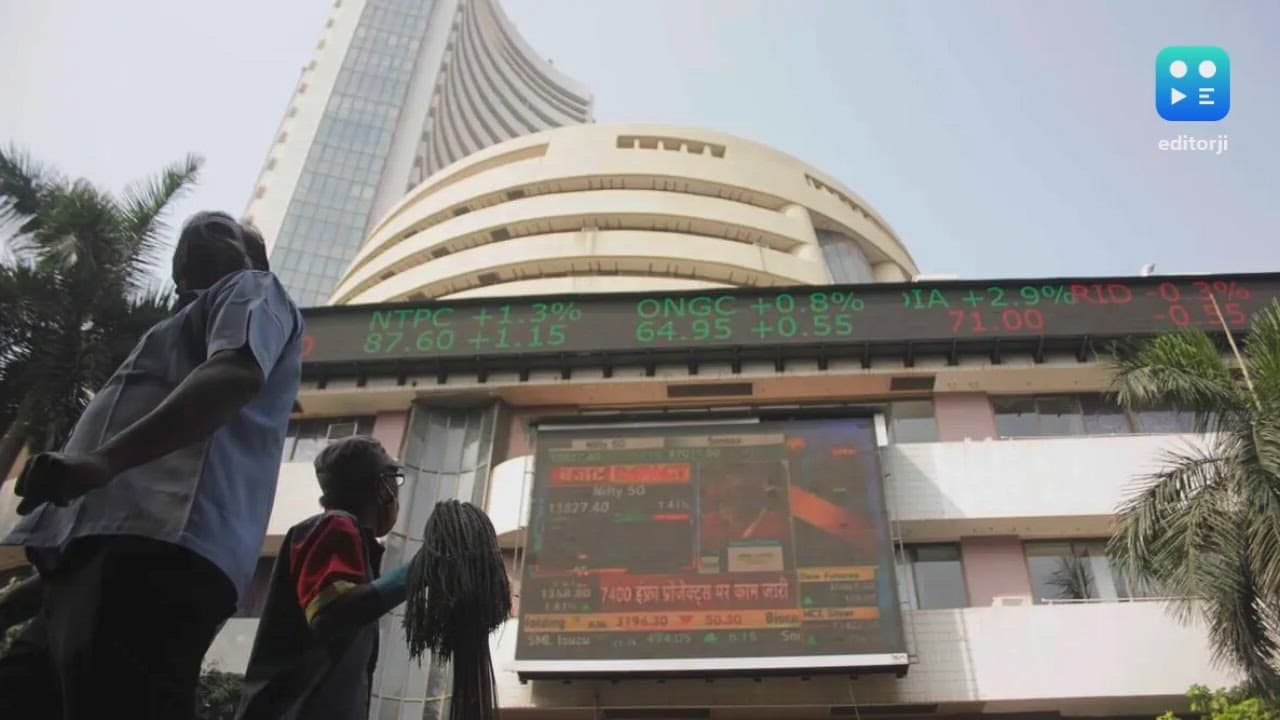
Indian benchmark indices ended lower on Wednesday after a volatile session, extending the prevailing corrective trend as afternoon selling erased an initial recovery attempt. Weakness in pharma, healthcare and metal stocks, along with continued foreign investor outflows, kept sentiment subdued.
The Nifty settled at 22,620.45, down 95.75 points or 0.42 per cent from its previous close of 22,716.20. The Sensex ended at 72,480.29, declining 48.78 points or 0.07 per cent from its previous close of 72,529.07.
The indices opened largely flat before attempting a recovery. The Sensex rose more than 500 points, while the Nifty crossed the 22,800 level. The gains, however, failed to hold as selling returned in the afternoon, taking the Nifty towards 22,600.
Nifty Healthcare was the biggest sectoral drag, falling 2.57 per cent. Nifty Metal and Nifty Pharma also declined by more than 1 per cent each. Media, cement, chemicals, telecom and realty indices ended higher.
Realty, banking and auto stocks witnessed a notable rebound, while pharma and healthcare remained under pressure after their phase of steady outperformance. Metal and FMCG stocks also closed lower.
On the BSE, Kotak Bank, ICICI Bank, IndiGo, Axis Bank, Tech Mahindra, Hindustan Unilever, BEL, TCS, Maruti, HCL Tech and Reliance were among the major gainers. Eternal, Sun Pharma, Titan, Adani Ports, Tata Steel, NTPC, Bajaj Finserv, M&M and Power Grid were among the top drags.
On the NSE, Kotak Bank, ICICI Bank, IndiGo, Axis Bank, TMPV, TCS, Tech Mahindra, Hindustan Unilever, Maruti and HCL Tech were among the major gainers. Apollo Hospital, Max Health, Cipla, Sun Pharma, Nestle, HDFC Bank, JSW Steel, ONGC, Titan, Hindalco, Bajaj Finance and Asian Paints were among the top laggards.
Ajit Mishra, SVP – Research, Religare Broking Limited, said, “Markets traded volatile on Wednesday but eventually edged lower, extending the prevailing corrective trend. After a largely flat opening, the benchmark indices initially attempted a recovery, with the Sensex gaining over 500 points and the Nifty moving above 22,800. However, the recovery failed to sustain, and selling resumed in the afternoon, pushing the Nifty down to 22,620.45.”
“On the sectoral front, realty, banking and auto led the recovery and witnessed a notable rebound. However, pharma and healthcare remained under significant pressure after their phase of steady outperformance, while metal and FMCG also ended lower,” Mishra said.
He added that global macro concerns continued to keep sentiment fragile, with Brent crude remaining elevated and the US 10-year Treasury yield staying near recent highs.
“Persistent foreign selling remained another major overhang, with FIIs selling nearly Rs 9,980 crore on Tuesday, while the rupee remained close to the ₹96 per dollar mark,” Mishra said.
Mishra said the Nifty failed to sustain its recovery above the 22,750–22,800 zone and slipped back towards 22,600, keeping the broader structure under pressure.
“The 22,600 zone remains an important immediate support, followed by the 22,400 region, while 22,750–22,800 is likely to act as the immediate hurdle and 23,000 as the major resistance,” he said.
“With the index continuing to trade near six-month lows and broader market participation remaining weak, the near-term setup remains cautious, warranting a selective approach and close monitoring of the key support levels,” Mishra added.
In the commodity market, Brent crude was trading at around USD 97.35 per barrel, while crude oil was trading at around USD 90.05 per barrel at the time of reporting. Gold was trading at around USD 4,187.63.
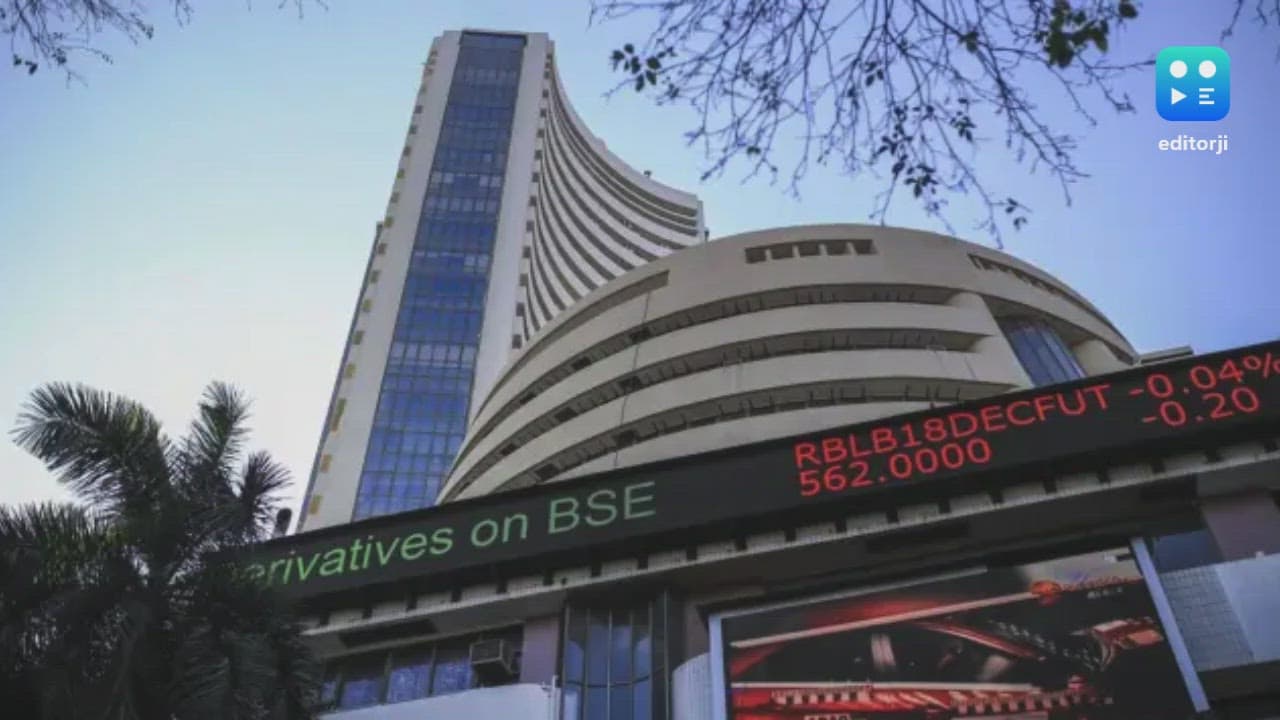
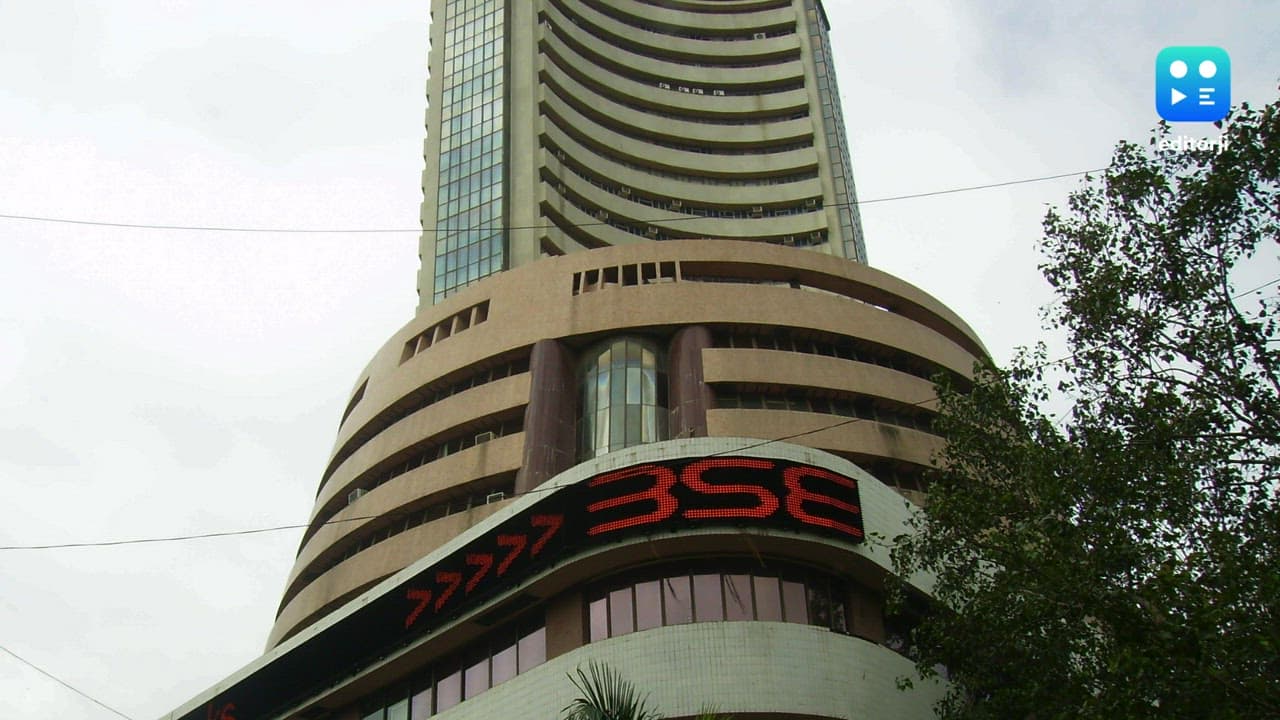
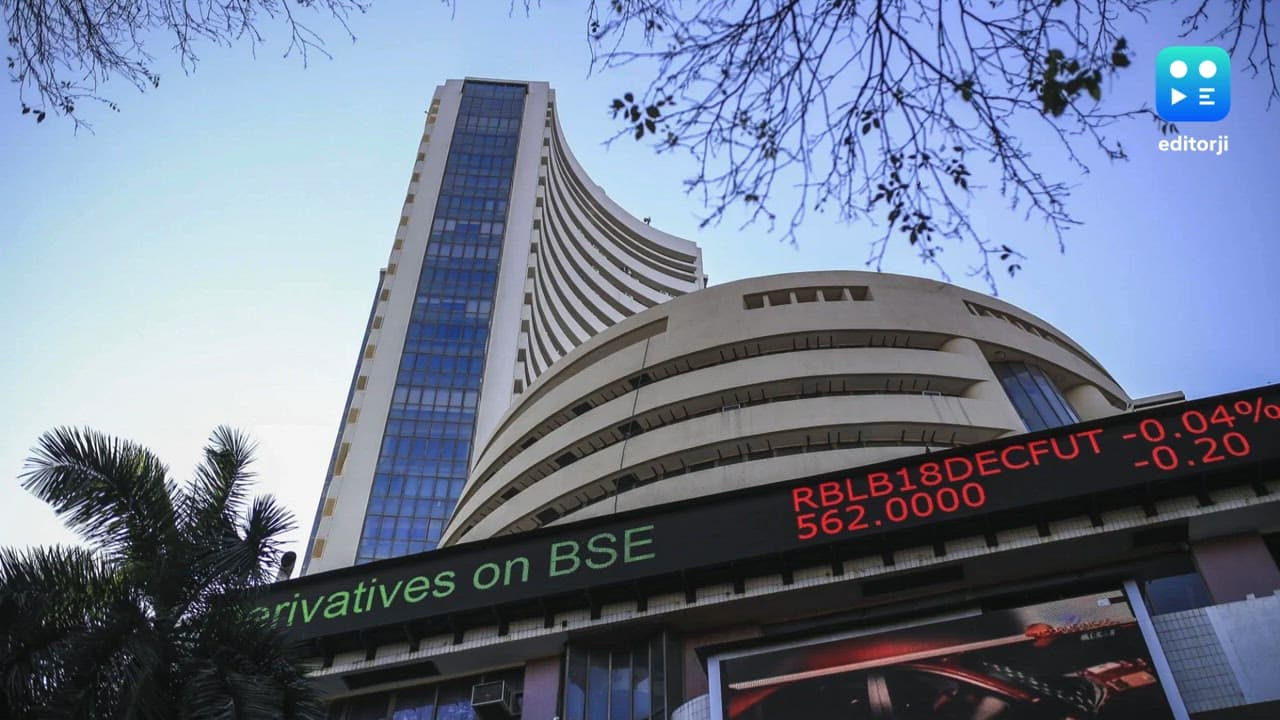
Meanwhile, shares of BSE fell more than 3 per cent following its inclusion in the Nifty 50 index on Wednesday.
Mishra said, “BSE has remained under correction for nearly one-and-a-half years, with no clear signs of a sustained reversal yet. Persistent pressure across stocks and sectors continues to weigh on the broader sentiment.”
Market analyst Vipin Dixena said the Nifty 50 struggled around the 22,700 mark after its initial recovery attempt.
“In my view, today's session is important because the market is trying to stabilise after the sharp September correction, but investors are still not getting a clear positive trigger,” he said.
Dixena said 22,650 was emerging as an important near-term support zone for the Nifty, while 22,800–22,850 remained an immediate resistance zone, followed by 23,000.