


Highlights
Netherlands bars Israeli ministers. European nations impose sanctions. International criticism of Israel grows.
Latest news

Samsung Galaxy M17 5G Review: Best Budget Samsung Phone Under ₹15,000?

OnePlus 15R first look: OnePlus changes the R-series playbook
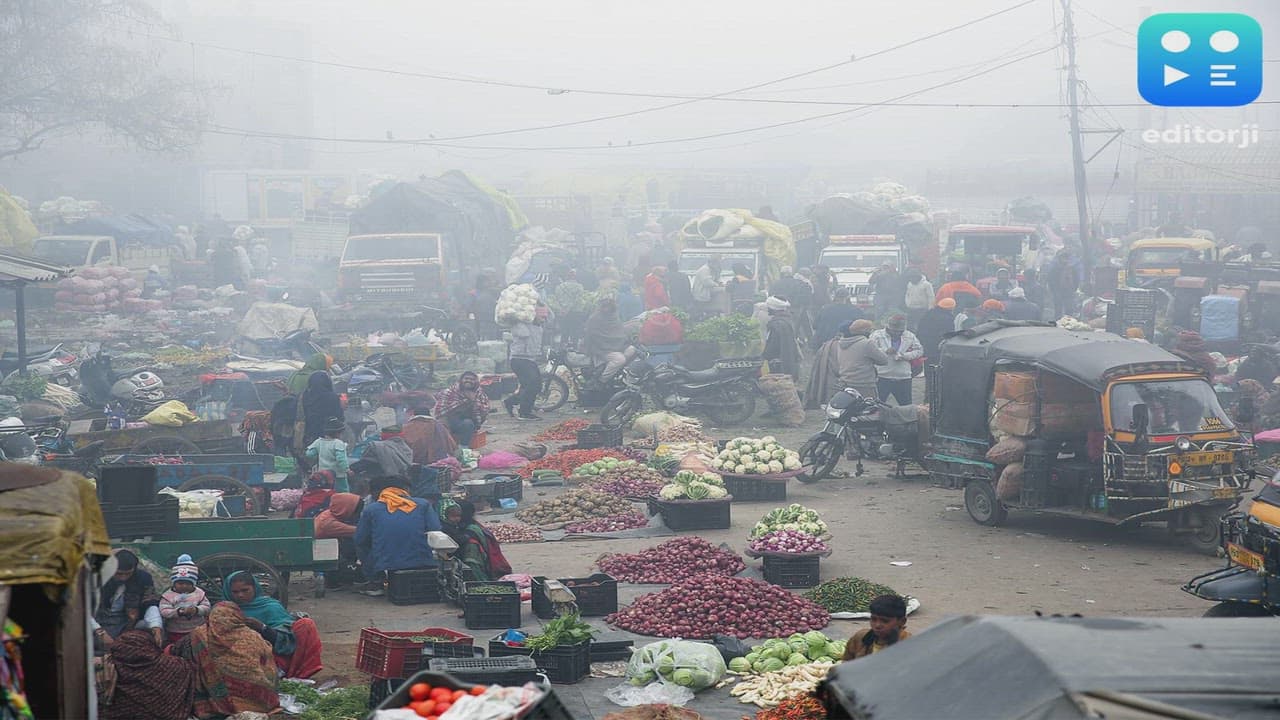
India's retail inflation rises to 0.71% in November
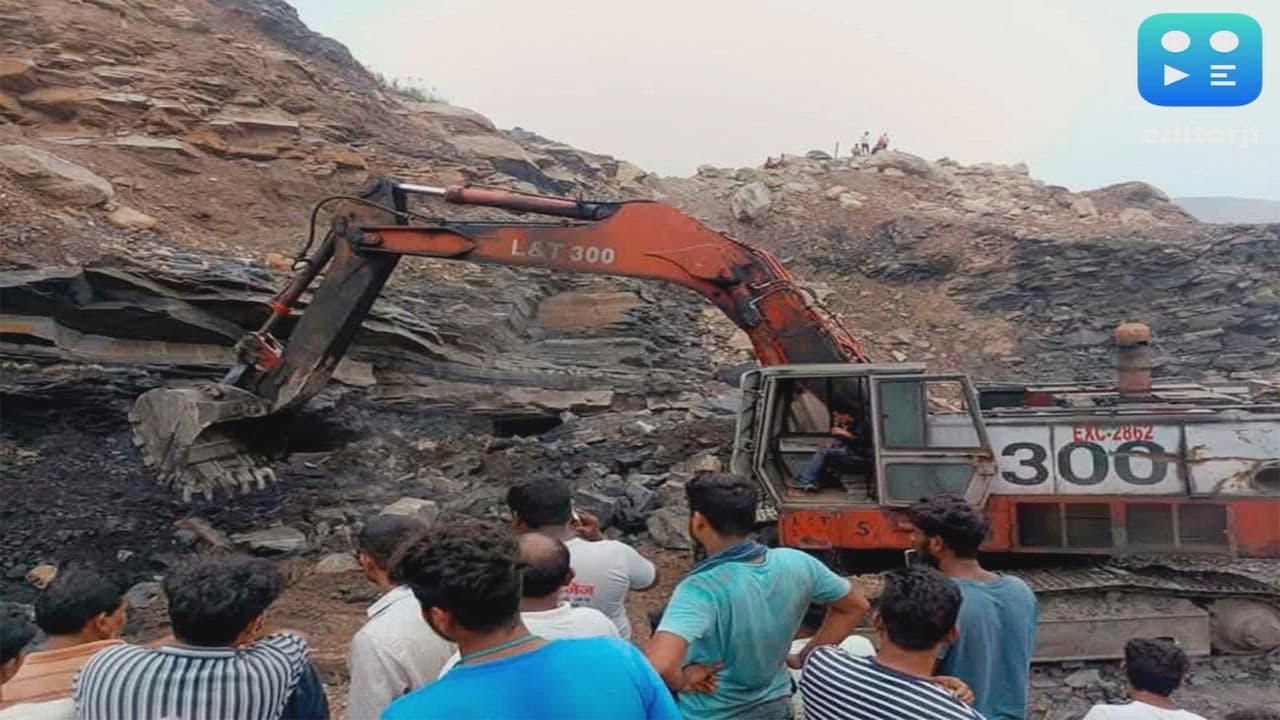
Cabinet approves CoalSETU window for auction of coal to boost industrial use and export
Cabinet approves Minimum Support Price for Copra for 2026 season

Fire never left: Vinesh Phogat comes out of retirement, targets LA Olympics
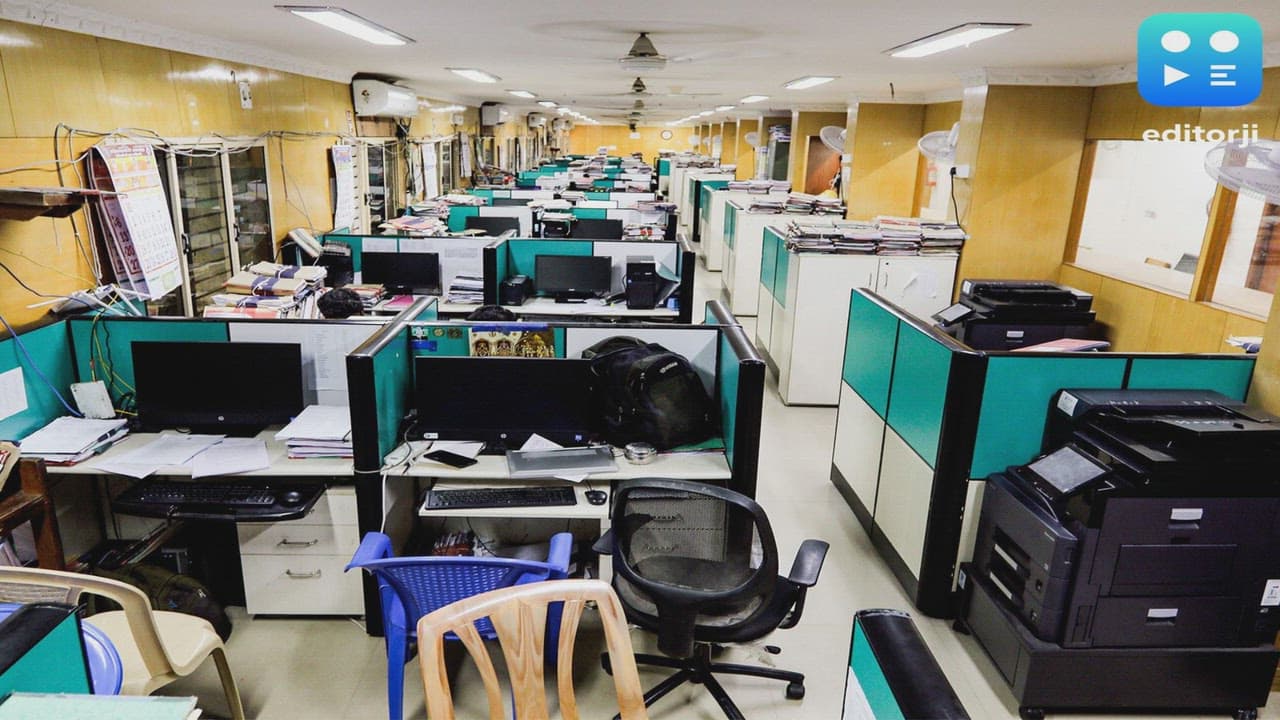
Flexible office segment in India set to grow faster, over 25% annually by 2027: Report
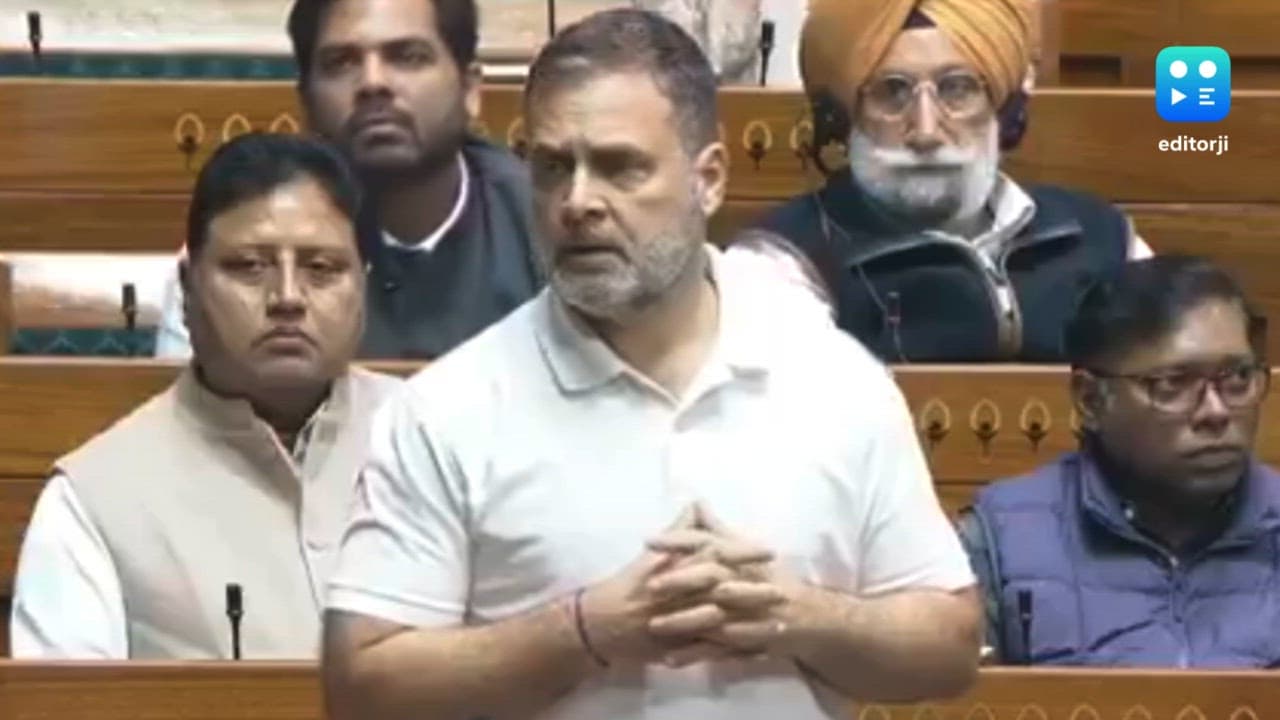
Rahul Gandhi flags issue of air pollution, seeks discussion in Lok Sabha


Up Next

Netherlands Bars Far-Right Israeli Ministers Amid Gaza Crisis
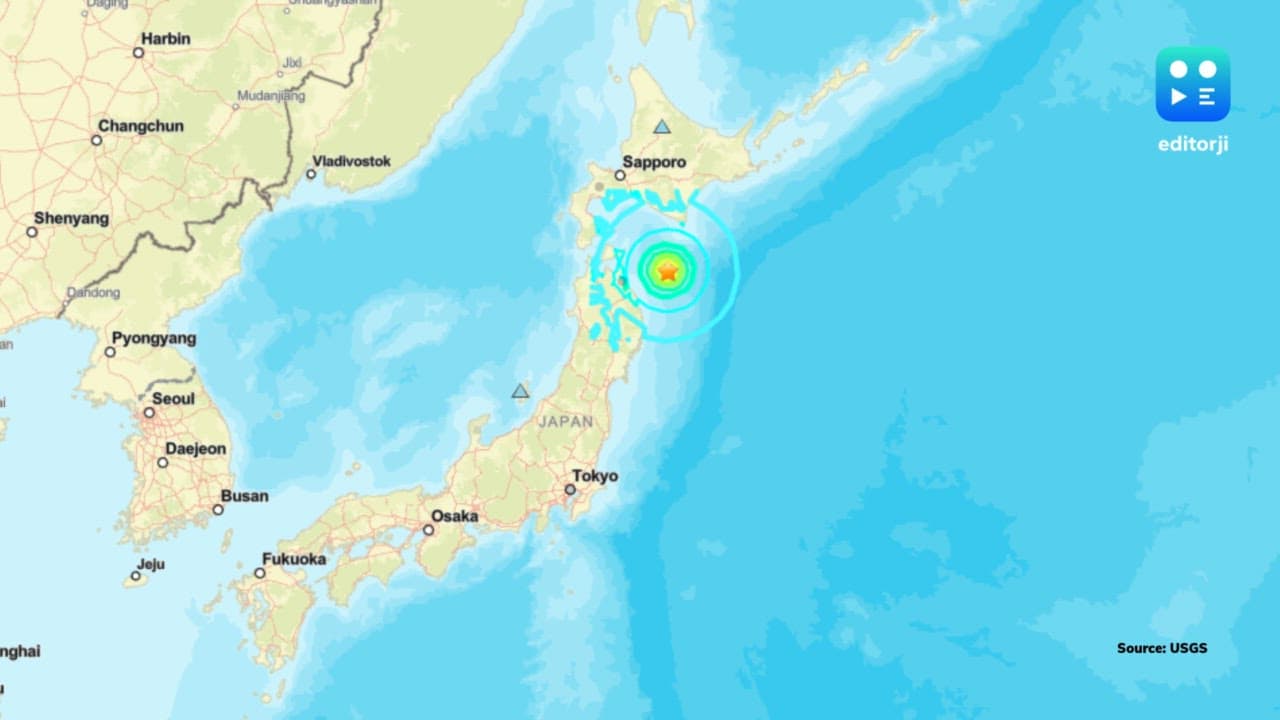
Japan lifts tsunami warning after magnitude 6.7 quake

Artefacts from India among items stolen in ‘high value’ burglary at UK museum
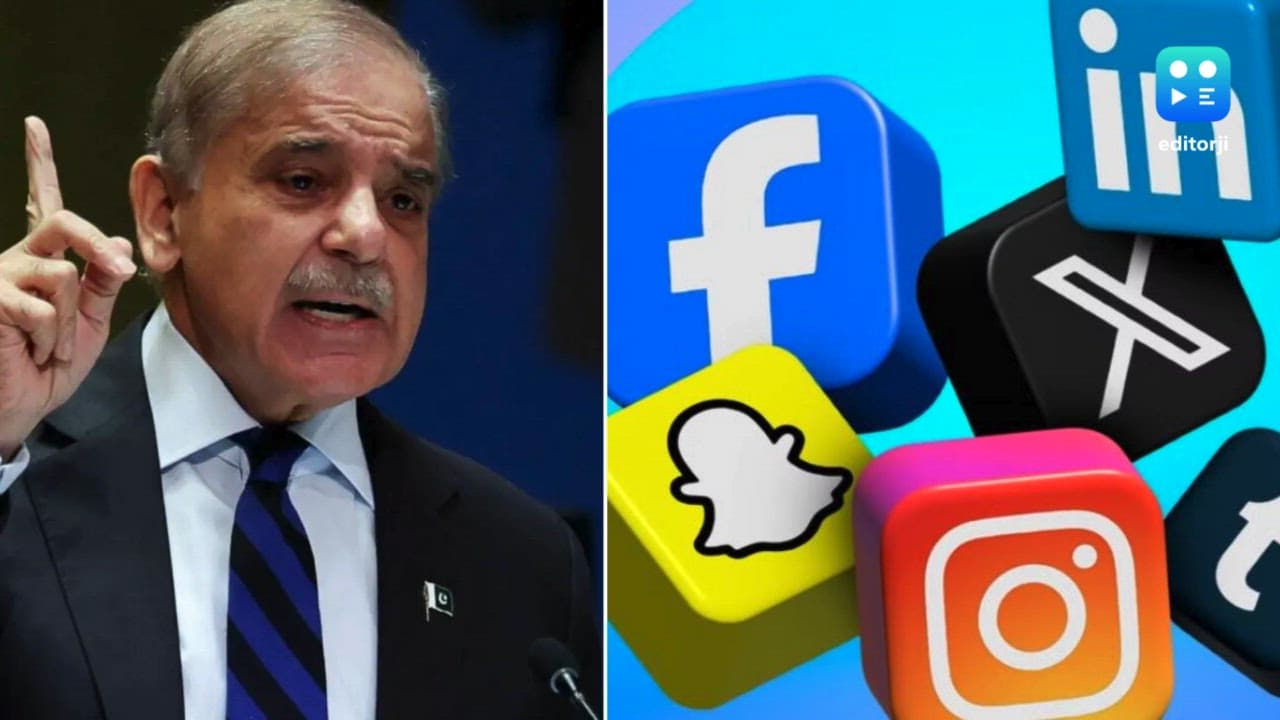
Pakistan warns social media platforms of possible nationwide bans
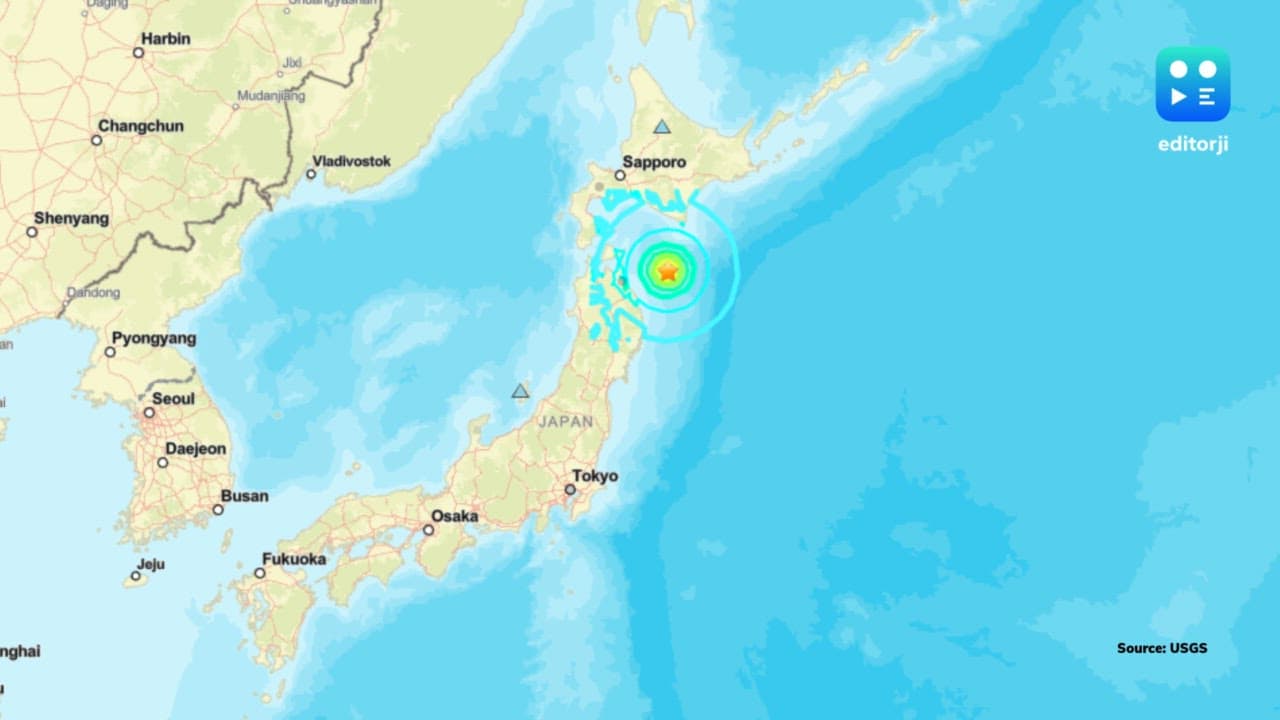
6.7-magnitude earthquake strikes northern Japan, triggers tsunami alert
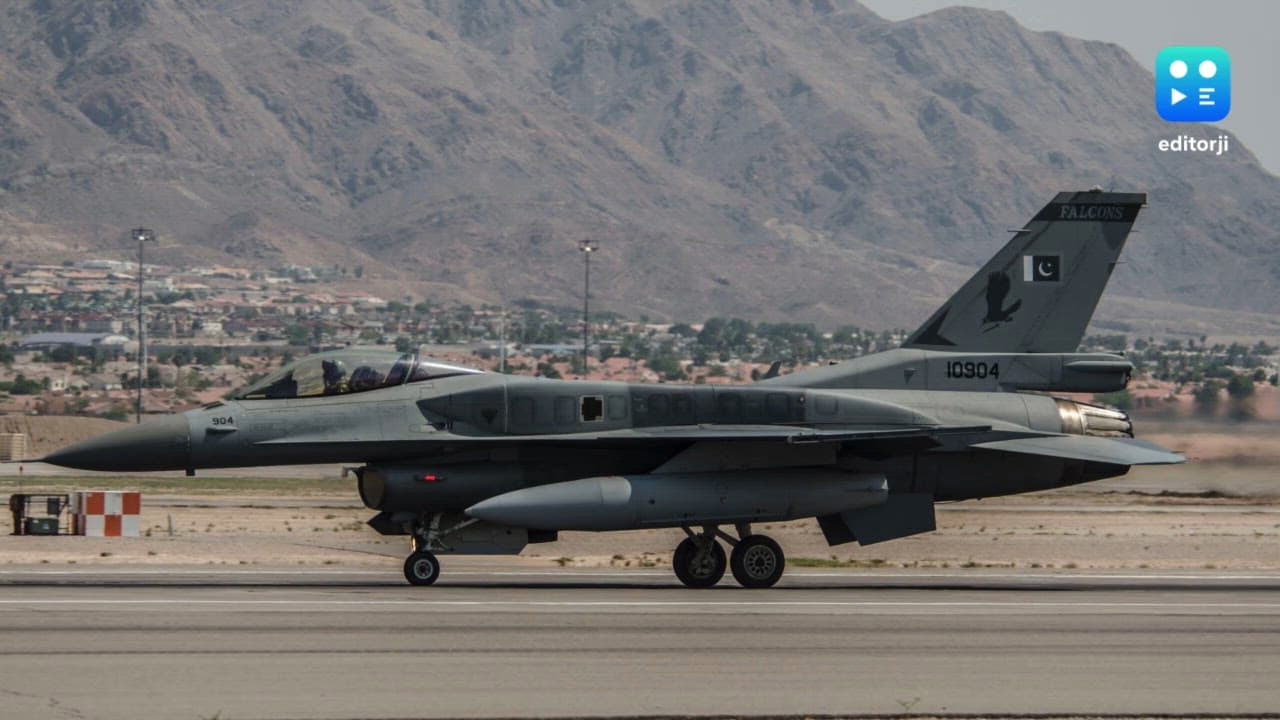
US approves sale of advanced technology, support for F-16 fighter jets to Pakistan

More videos

Modi-Putin car ride highlighted as US Congresswoman criticizes Trump's India policy
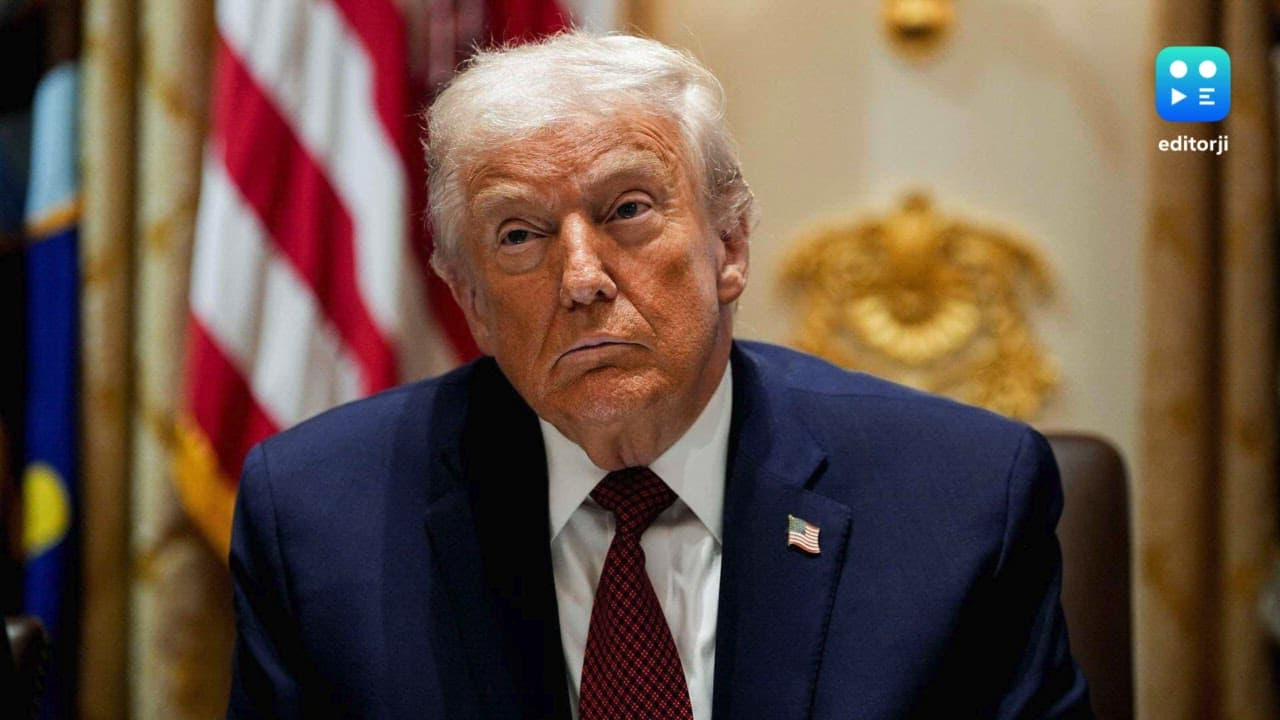
Donald Trump launches ‘Trump Gold Card’ visa allowing top foreign graduates to stay in US

Netanyahu, Modi to meet 'very soon': Israel PMO

Narrow escape: Plane crashes into car during emergency landing on Florida highway | Watch

How Australia is banning under-16s from social media

Australia bans under-16s from social media in world-first crackdown
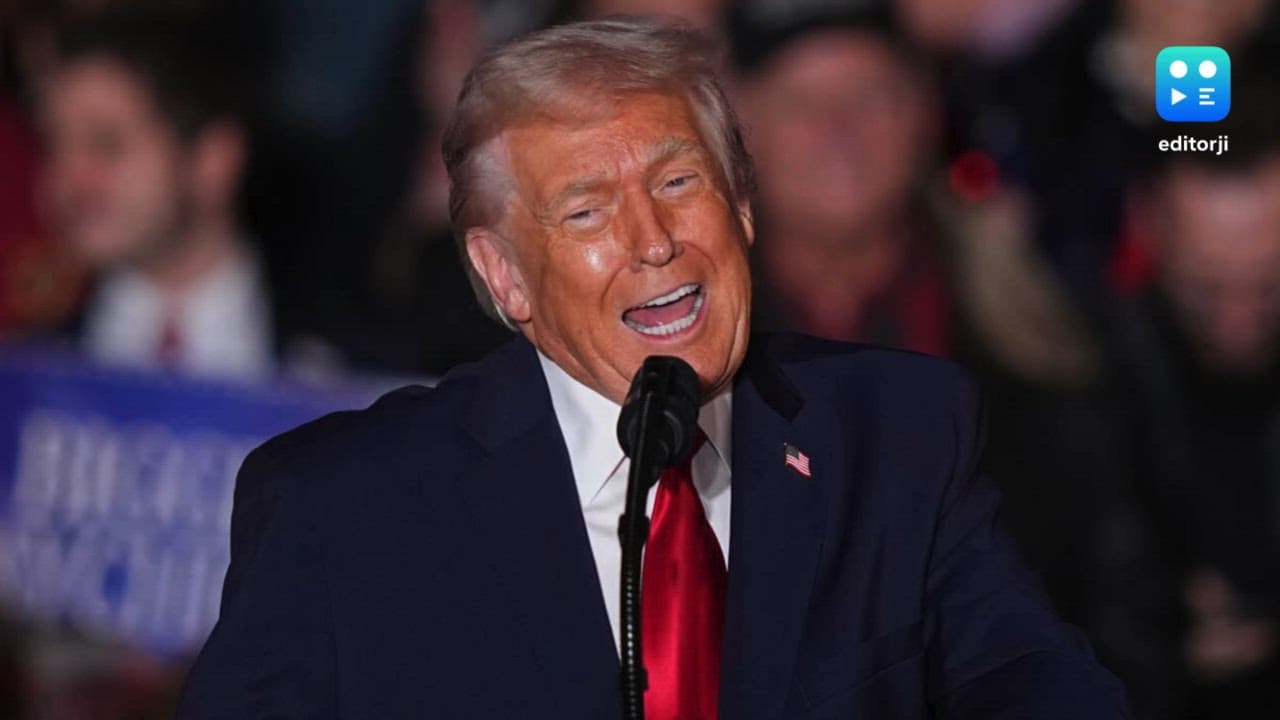
Pakistan and India, they were going at it, I ended the war: Trump
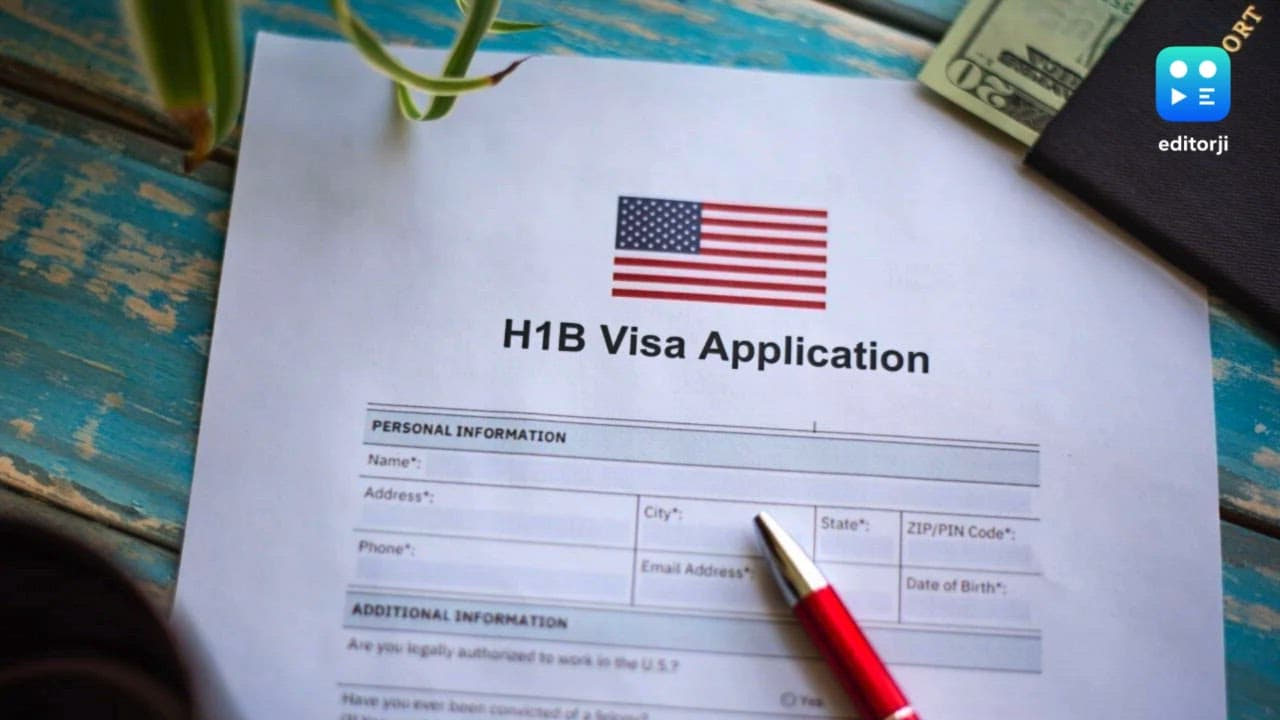
US social media vetting triggers major disruptions for H-1B visa applicants in India
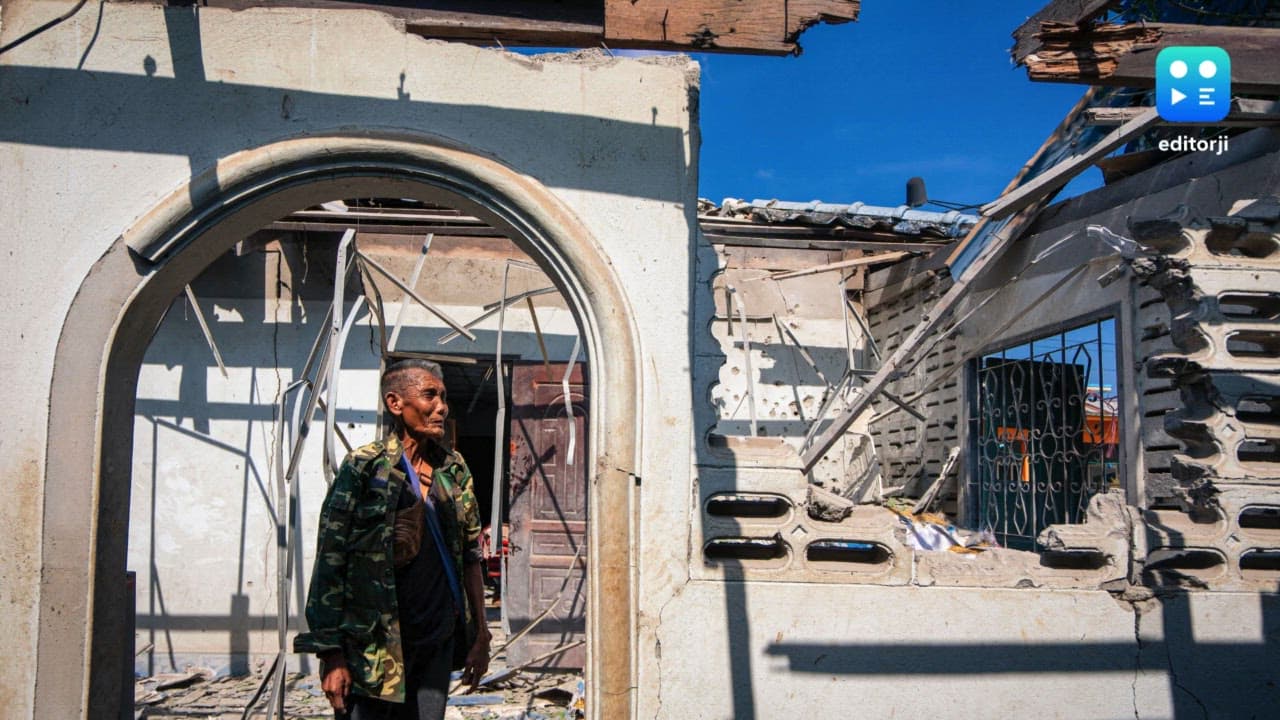
Cambodia-Thailand clashes spread on border as toll rises
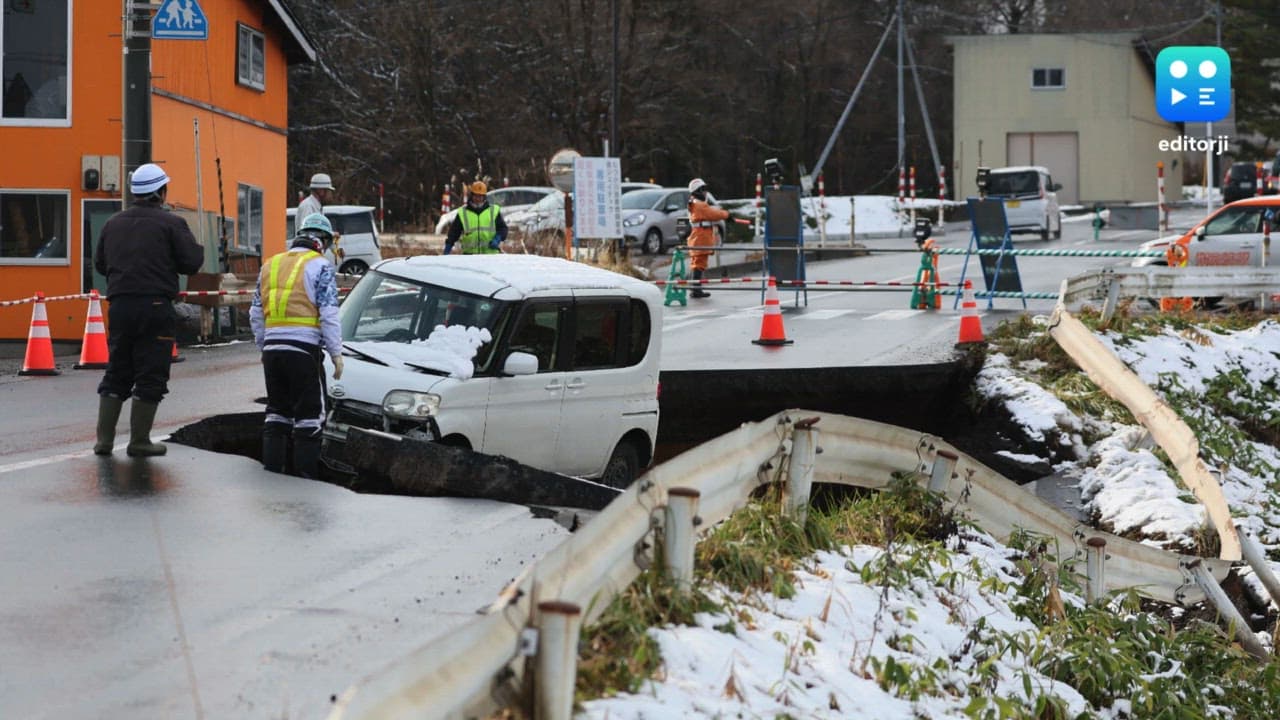
Magnitude 7.5 quake hits northern Japan, injures 30 and damages roads