Deir al-Balah (Gaza Strip), Jul 29 (AP): Over 60,000 Palestinians have been killed in the 21-month conflict between Israel and Hamas, according to Gaza's Health Ministry, which reported the figures on Tuesday. The ministry, part of Hamas' administration, stated that the death toll has climbed to 60,034, with another 145,870 individuals wounded since Hamas' attack on October 7, 2023. The announcement did not specify how many of the casualties were civilians or militants, but it has previously noted that women and children make up around half of the deaths. The health ministry is run by medical professionals and is regarded by the United Nations and other experts as the most reliable source for casualty figures. Israel's offensive has devastated extensive areas of Gaza, displacing around 90% of the population and creating a severe humanitarian crisis, with experts expressing concern over potential famine.
At least 70 Palestinians killed over past day: As international organizations warn of a "worst-case scenario of famine," Israel continued its strikes on the Gaza Strip, resulting in at least 70 Palestinian deaths in the last 24 hours, according to local hospitals. More than half of these casualties occurred while individuals attempted to access aid, and a significant number includes those killed during a deadly incident on Monday when people tried to reach aid from a convoy passing through southern Gaza. Local hospitals reported receiving 33 bodies from gunfire near an aid convoy on Monday, bringing the total casualties from the incident to 58. The Israeli military has not commented on the shooting.
Israel asserts that its operations target militants while taking measures to minimize civilian harm, blaming Hamas for operating within populated areas. In the past day, Israeli targets reportedly included Hamas military infrastructure, such as rocket launchers, weapons depots, and tunnels. An additional seven Palestinians were killed nearby while trying to access aid from the Gaza Humanitarian Fund in central Gaza. Both GHF and the Israeli military have not commented on the incident, though the military has previously stated it only fires warning shots if troops feel threatened. Airstrikes also struck tents hosting displaced people in Nuseirat, killing 30 individuals, including 12 children and 14 women, as reported by Al-Awda hospital. International organizations continue to highlight the dire humanitarian situation in Gaza, which has hovered on the brink of famine for years and has worsened significantly recently, according to a report by the Integrated Food Security Phase Classification (IPC).
Israel rejects claims of starvation policies: Israeli Foreign Minister Gideon Saar on Tuesday dismissed claims of "starvation policies" in Gaza, referring to such allegations as a "distorted campaign of international pressure." "This pressure directly undermines the potential for a ceasefire and a hostage deal, driving military escalation by hardening Hamas's position," he stated. Both the US and Israel have withdrawn their negotiating teams over the past week as talks appear deadlocked.
Hamas-led militants killed approximately 1,200 people, mostly civilians, during the initial attack that started the conflict, and abducted 251 others. They continue to hold 50 hostages, with around 20 believed to be alive, as most were released in ceasefires or other agreements. The conflict escalated notably in early March when Israel imposed a complete blockade for 2½ months, preventing the entry of food, medicine, fuel, and other essentials. Subsequently, Israel ended a ceasefire with a surprise bombardment, seizing large regions of Gaza in an effort to pressurize Hamas into releasing more hostages. Since this escalation, at least 8,867 Palestinians have died. Although Israel eased the blockade in May, UN agencies report that insufficient aid has been allowed in, and they struggle with delivery due to Israeli restrictions and law and order breakdown. An alternative aid system, backed by Israel and managed by an American contractor, has faced controversy and violence.
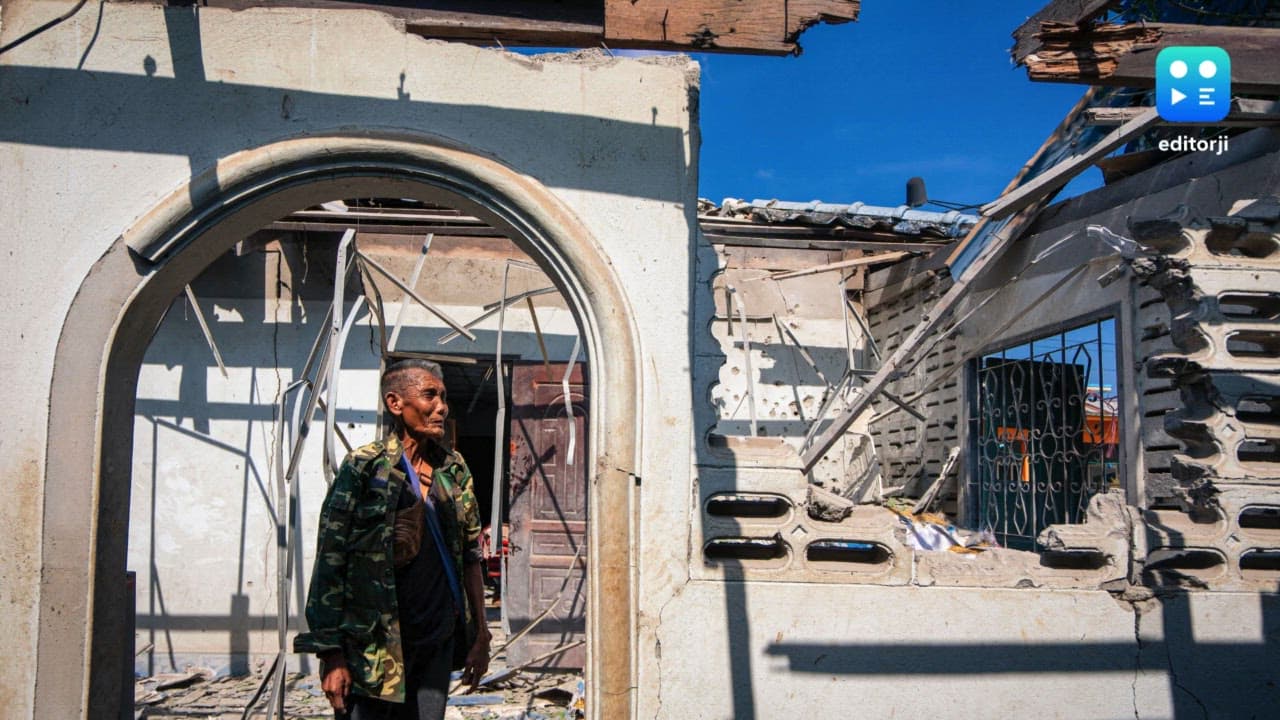
Gutted health system, ongoing strikes, and a hunger crisis: The near-daily Israeli strikes have hit schools, shelters, hospitals, and other civilian sites, resulting in numerous casualties, as the military claims it targets militants concealed among civilians, acknowledging mistakes occasionally. The offensive and blockade have severely impacted Gaza's healthcare system, with multiple hospitals either shutting down or only partially operating as they handle waves of war casualties. The hunger crisis has also led to significant suffering, with the World Health Organization reporting over 60 deaths from malnutrition-related causes this month, including 24 children under five. In total, 88 children have died from causes related to malnutrition since the conflict began, along with 58 adults this month alone, according to the Gaza Health Ministry. Hunger crises often result in deaths not only from lack of nutrition but also from common diseases or injuries that the weakened body cannot endure. The ministry does not include hunger-related deaths in its official casualty count. (AP) SCY SCY
(Only the headline of this report may have been reworked by Editorji; the rest of the content is auto-generated from a syndicated feed.)