Child labour, caste-based discrimination and poverty are closely inter-linked in India, according to a UN report which highlighted contemporary forms of slavery, including severe discrimination against Dalit women in South Asia due to which they are systematically denied choices and freedoms in all spheres of life.
Human Rights Council Special Rapporteur Tomoya Obokata in his report on contemporary forms of slavery, including its causes and consequences, said that deep-rooted intersecting forms of discrimination, in combination with multiple other factors, are the main causes of contemporary forms of slavery affecting minorities.
They are often the result of historical legacies, such as slavery and colonisation, systems of inherited status, and formalised and State-sponsored discrimination, he said.
Obokata said in the report to the UN General Assembly Wednesday that child labour (among children 5 to 17 years of age), including its worst forms, exists in all regions of the world.
In Asia and the Pacific, the Middle East, the Americas and Europe, between 4 and 6 per cent of children are said to be in child labour, and the percentage is much higher in Africa (21.6 per cent), with the highest rate in sub-Saharan Africa (23.9 per cent).
“In India, child labour, caste-based discrimination and poverty are closely interlinked. Child labour among minority and migrant children have also been reported in Angola, Costa Rica, Honduras and Kazakhstan, in various sectors,” the report said.
The report also notes that systematic discrimination has profound implications for the ability of affected individuals and communities to live a life of dignity and enjoy human rights on equal footing with others. Marginaliaed communities often remain overlooked in public policies and national budgetary allocations, and their access to justice and remedies in cases of human rights violations, including contemporary forms of slavery, is generally limited.
It said that the stigmatisation of some communities is perpetuated by negative stereotypes in the media, textbooks, or on the Internet, which contributes to their disempowerment.
People discriminated against on the basis of work and descent represent one example. They are bound by their inherited status and subjected to dehumanizing discourses that refer to “pollution” or “untouchability”, with no respect for human dignity and equality.
"Consequently, such people have limited freedom to renounce inherited occupations or degrading or hazardous work and are often subjected to debt bondage without sufficient access to justice,” the report said.
ALSO WATCH: Fatwa Attacks: before Salman Rushdie, other victims; bizarre anti-selfie, smiley fatwas
“Additional intersectional factors, such as class, gender and religion are also affected by caste realities. Dalit women in South Asia face severe discrimination, and as a result they are systematically denied choices and freedoms in all spheres of life,” it said, adding that consequently their access to services and resources is very limited, increasing their risk of being subjected to contemporary forms of slavery.
The report further notes that bonded labour continues to be prevalent among people discriminated against on the basis of work and descent, such as Dalits in South Asia.
Dalits in Bangladesh are forced to undertake certain types of labour as a consequence of their assigned caste status and are almost exclusively working in “unclean” jobs in urban areas, like street sweeping and burying the dead.
“Manual scavenging, predominantly carried out by Dalit women, is widely regarded as forced labour and a contemporary form of slavery, entailing harsh working conditions that have a negative impact on mental and physical health.” Obokata said in the report rates of child marriage spike among marginalized communities in particular, such as Roma girls in South-Eastern Europe.
Official data collected by the Forced Marriage Unit of the United Kingdom and Northern Ireland suggests that a large majority of forced-marriage cases relate to Pakistan and, to a lower extent, to Afghanistan, Bangladesh, India and Somalia.
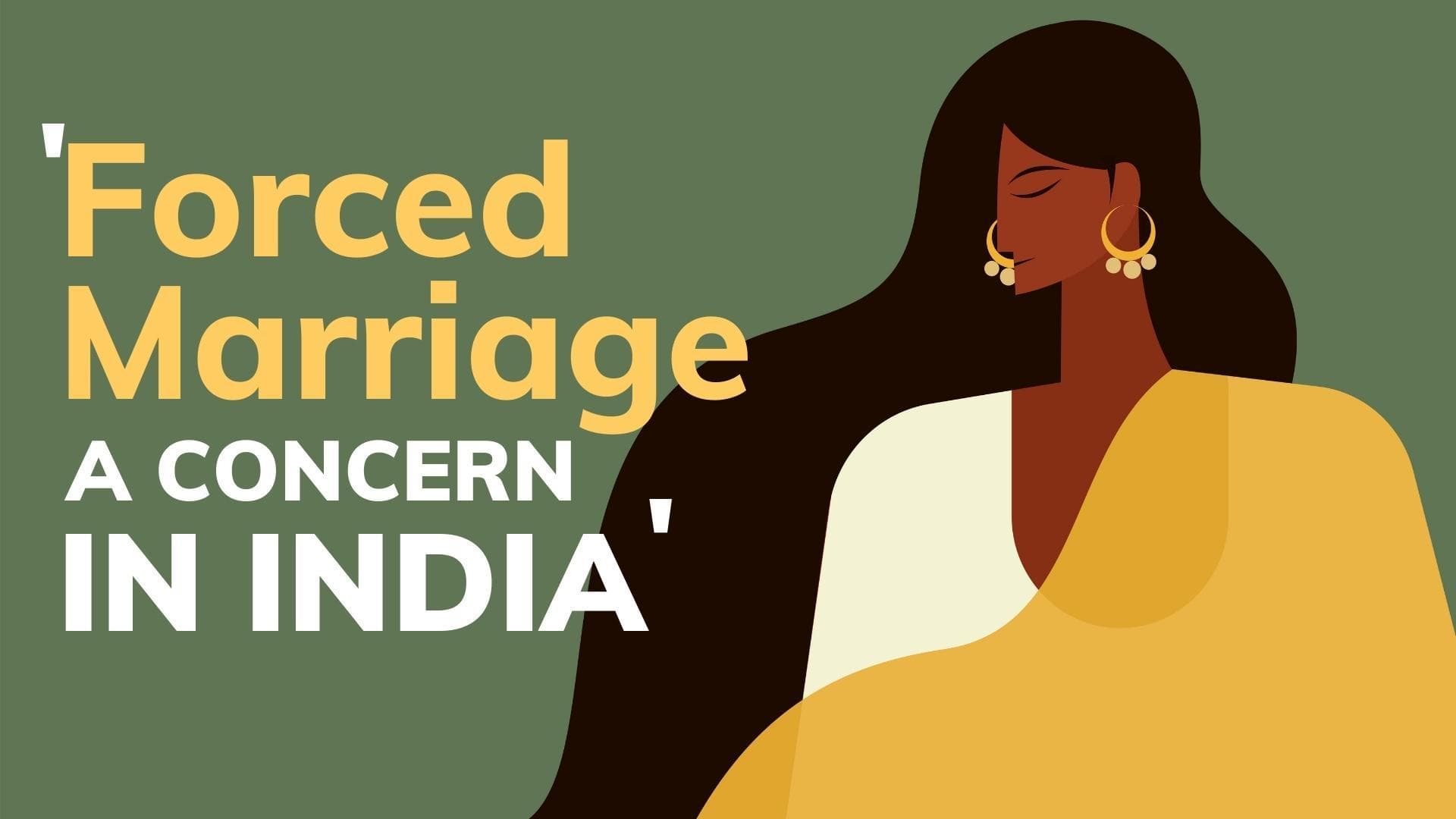
Forced marriage of women and girls is a concern in Asia, including Cambodia, India, Kazakhstan, Sri Lanka, and Vietnam.
It noted that various States have taken legislative and other measures to address inequality and discrimination experienced by minorities.
In the United States, federal contractors and subcontractors must take affirmative action to recruit and advance qualified minorities, and other initiatives including vocational training and outreach are simultaneously facilitated. Similar measures to enhance employability among minorities have been promoted in Albania, Australia, Belgium, India, Iraq, New Zealand and the United Kingdom.
Trade unions also make important contributions in advocating for the rights of minorities and migrant workers. It is “encouraging” that trade unions in Chile, Colombia, Ghana and India provide dedicated support and services for women workers.
It added that based on an independent assessment of available information, including submissions by stakeholders, independent academic research and testimonies of victims, the Special Rapporteur regards it as reasonable to conclude that forced labour among Uighur, Kazakh and other ethnic minorities in sectors such as agriculture and manufacturing has been occurring in the Xinjiang Uighur Autonomous Region of China.