


Highlights
Banni Grasslands readiness announced. Cheetah breeding center operational. Spotted deer reintroduction underway.
Latest news

Samsung Galaxy M17 5G Review: Best Budget Samsung Phone Under ₹15,000?

OnePlus 15R first look: OnePlus changes the R-series playbook
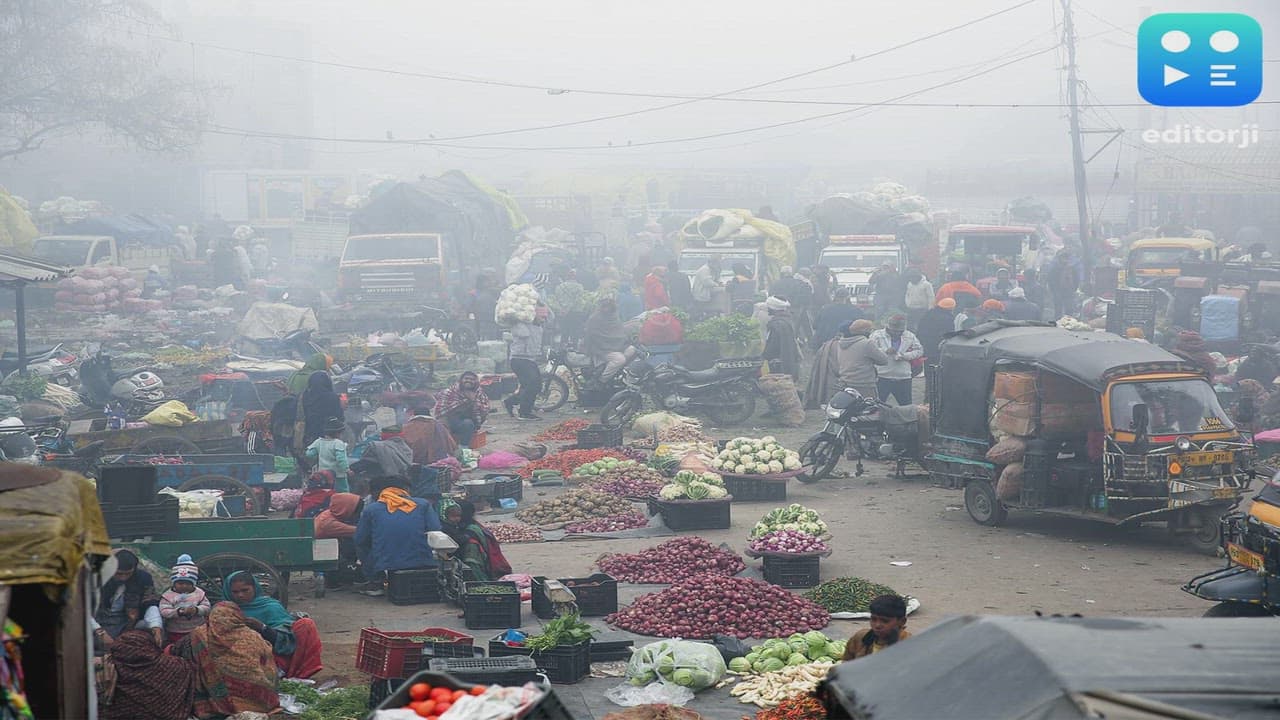
India's retail inflation rises to 0.71% in November

Cabinet approves CoalSETU window for auction of coal to boost industrial use and export
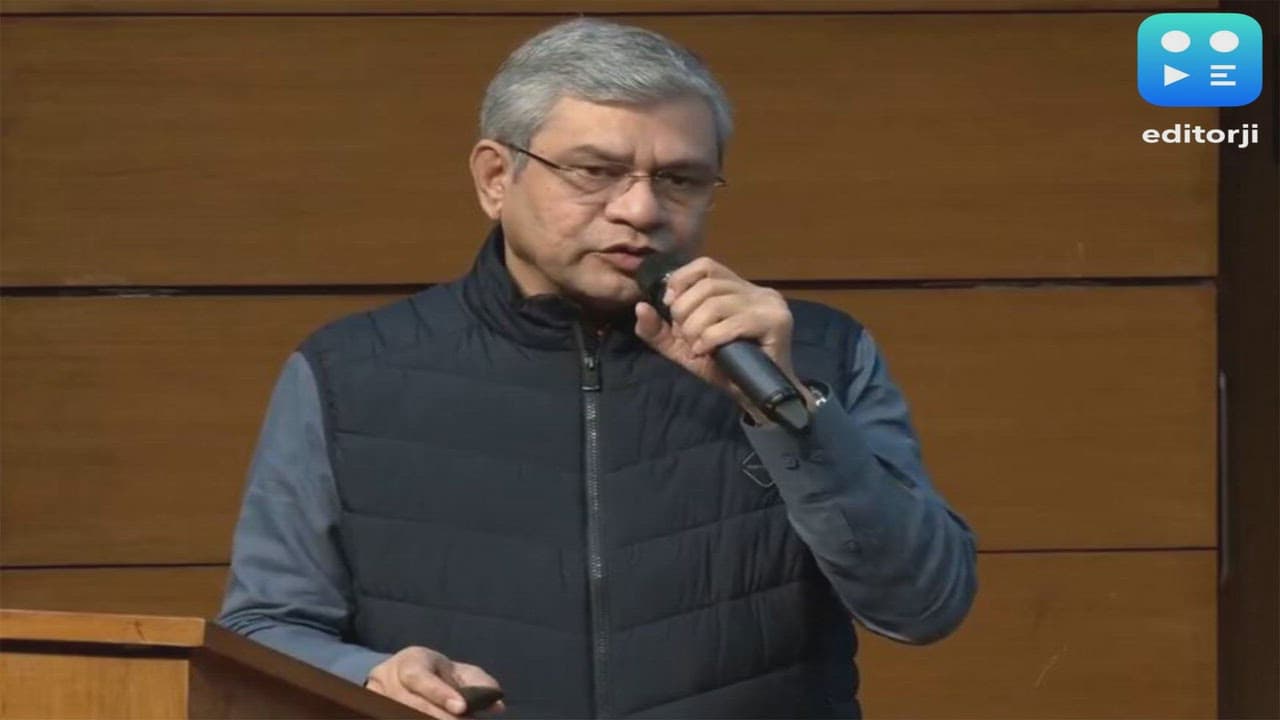
Cabinet approves Minimum Support Price for Copra for 2026 season

Fire never left: Vinesh Phogat comes out of retirement, targets LA Olympics
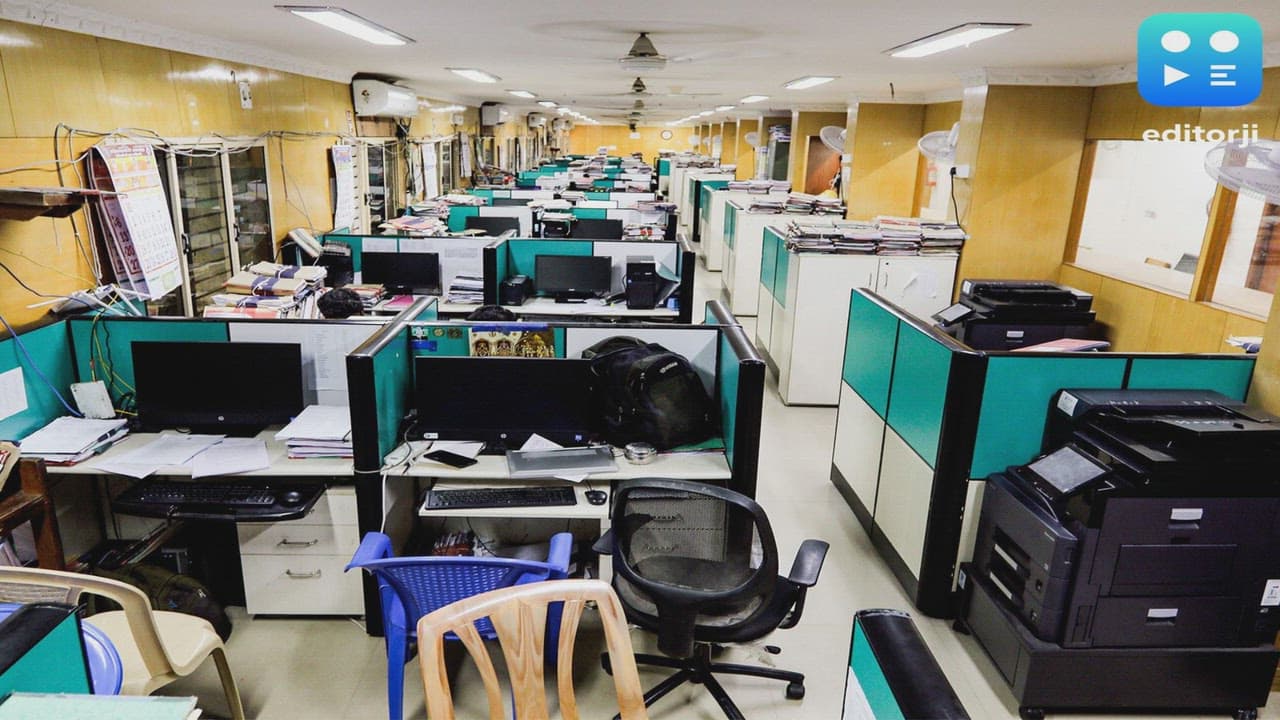
Flexible office segment in India set to grow faster, over 25% annually by 2027: Report

Rahul Gandhi flags issue of air pollution, seeks discussion in Lok Sabha


Up Next

Banni Grasslands Gearing Up for Cheetah Reintroduction
Rahul Gandhi flags issue of air pollution, seeks discussion in Lok Sabha
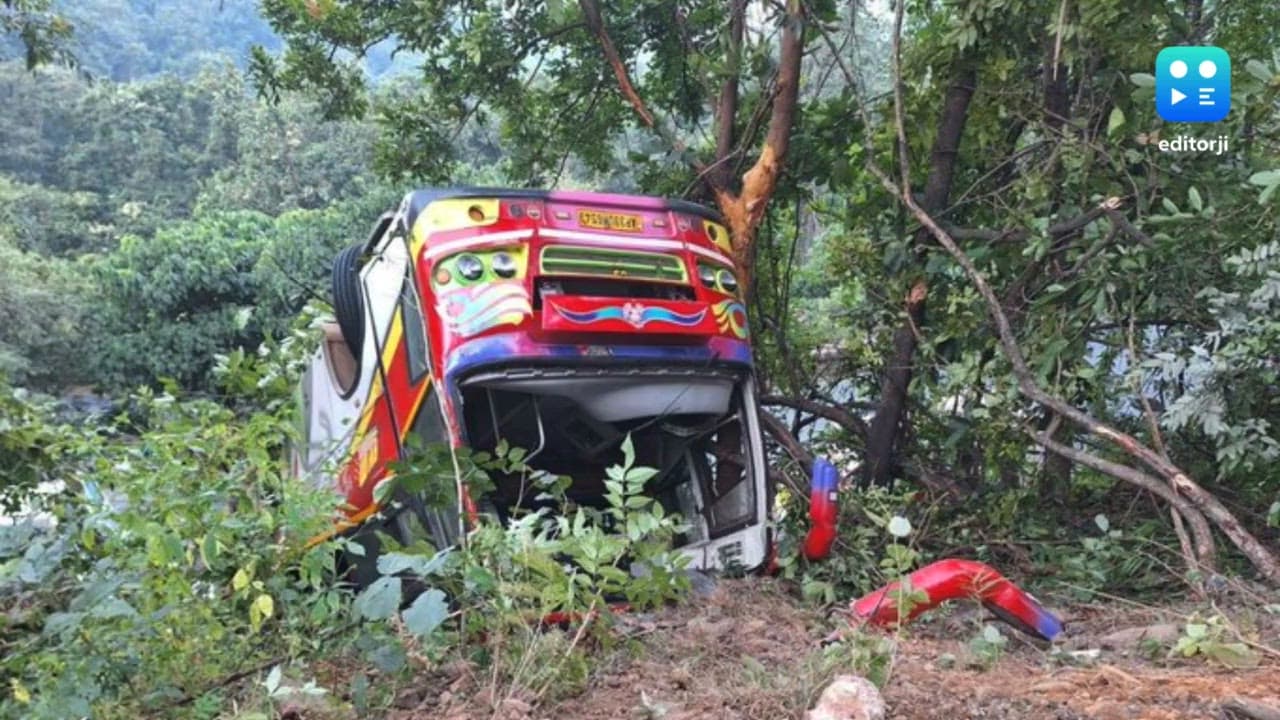
At least nine dead, 22 injured as bus falls off road in Andhra Pradesh

IndiGo crisis: DGCA suspends four flight operations inspectors

AAP announces Kisan Mahapanchayat in Kutch to demand farmers’ rights

Goa nightclub fire: Luthra brothers’ deportation process from Thailand begins

More videos
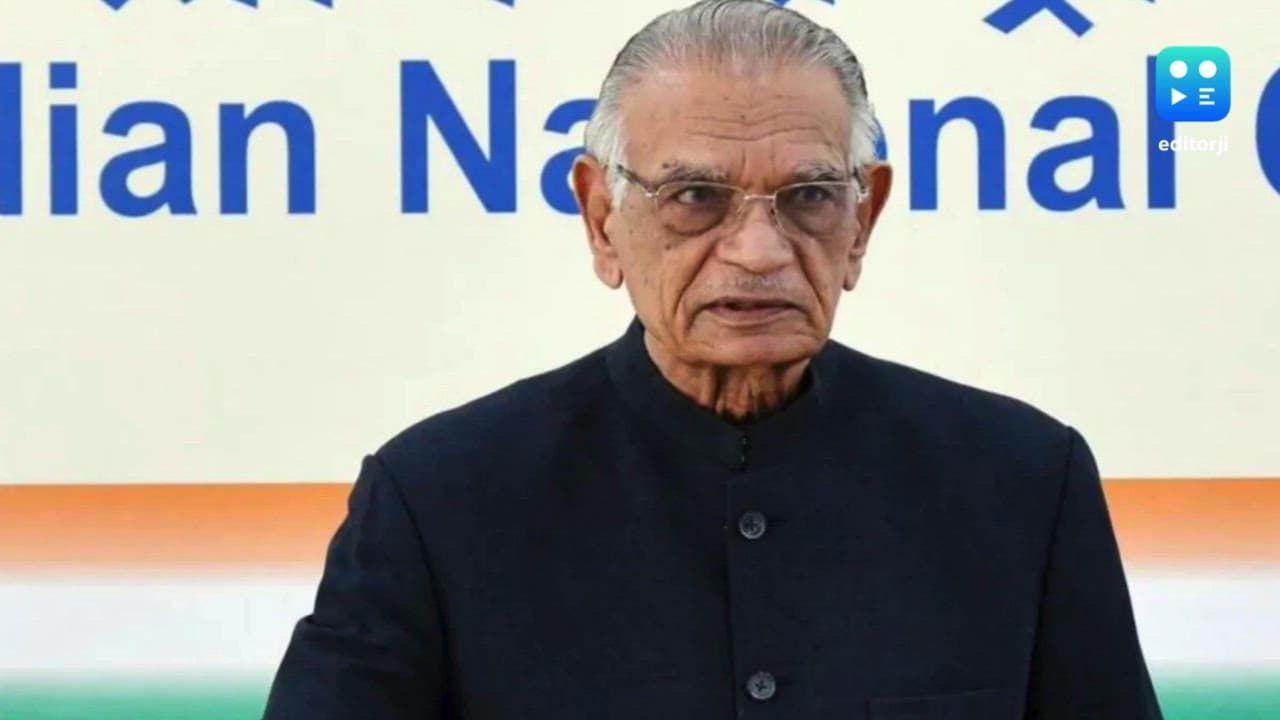
Former Union minister Shivraj Patil passes away at 90

IndiGo announces additional Rs 10,000 vouchers for passengers severely affected
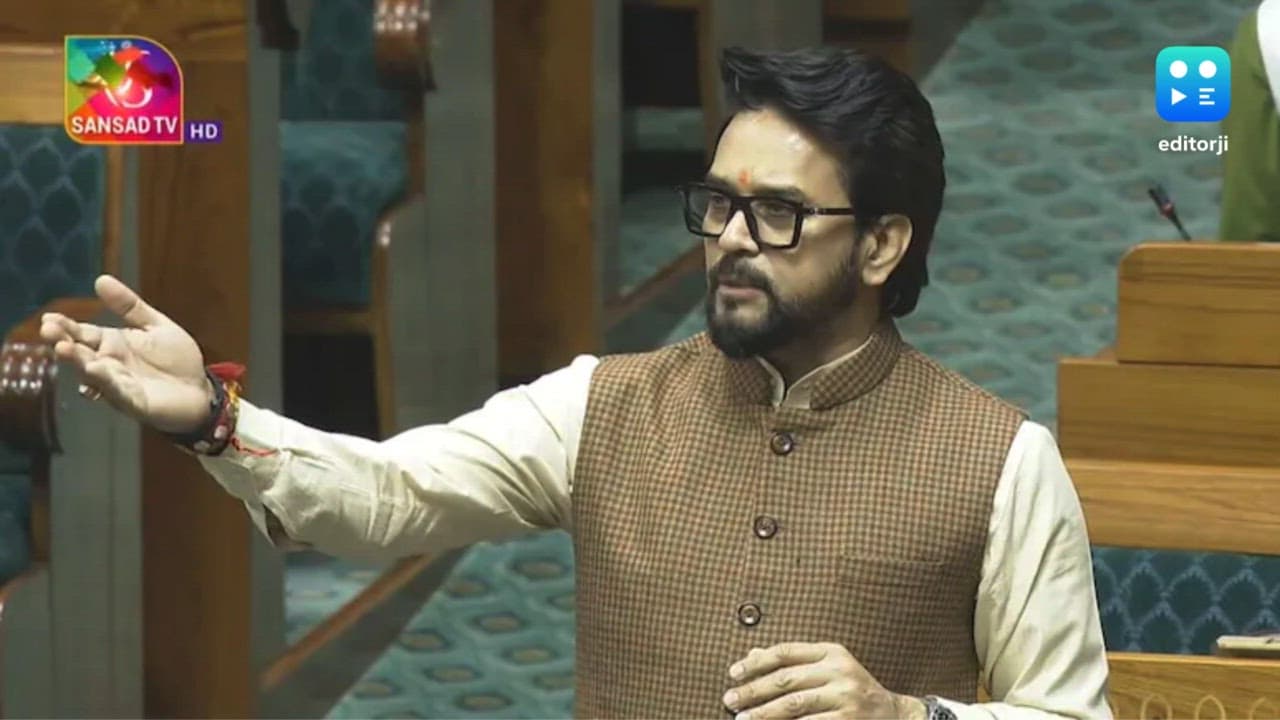
Anurag Thakur accuses TMC MP of using e-cigarette in Lok Sabha

Rahul Gandhi says Amit Shah remained evasive on ‘vote chori’ in Parliament
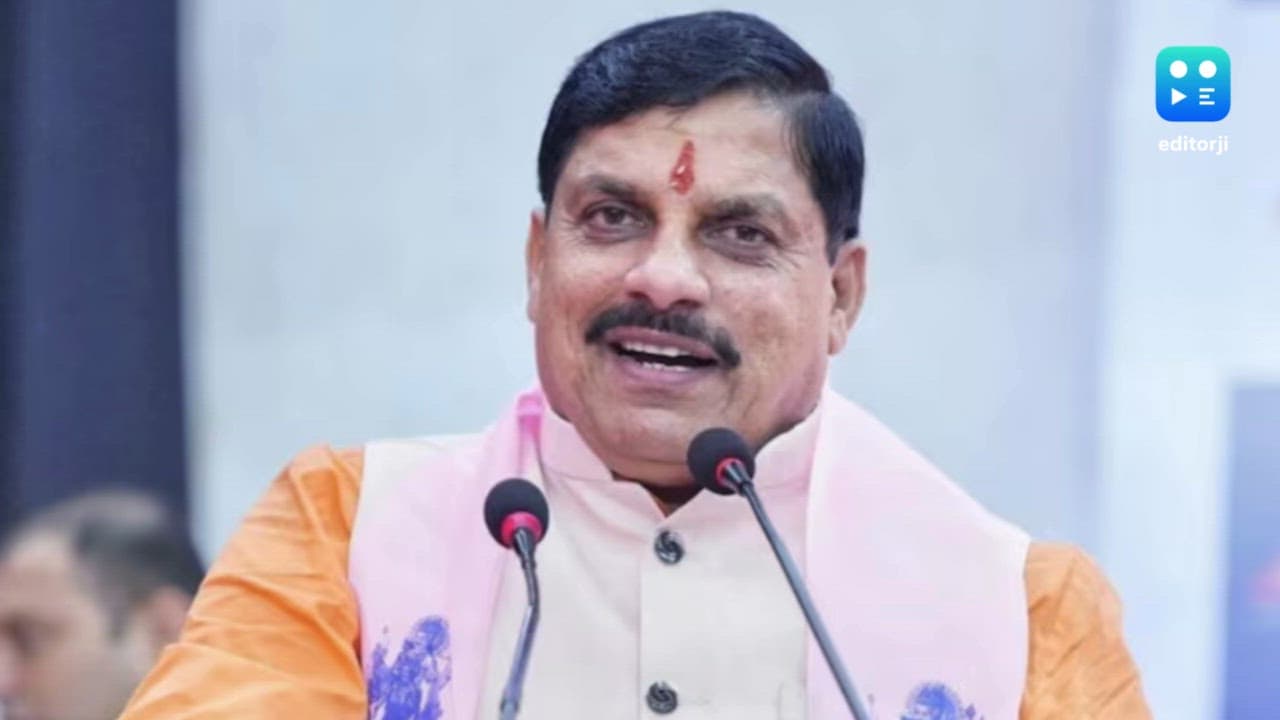
BJP uprooted Naxalism, Cong has double standards over it: MP CM Mohan Yadav

UP govt identifies key suspects in codeine syrup racket; over 120 FIRs registered

Goa nightclub fire: Owners Saurabh and Gaurav Luthra detained in Thailand

IndiGo cancels 60 flights from Bengaluru; CEO Piter Elbers to appear before DGCA

AAP’s Tejas Gajipara demands swift justice for assaulted 6-year-old girl in Gujarat

AAP flags fresh MGNREGA corruption claims in Gujarat involving 22 lakh fake workers