New Delhi, Jun 26 (PTI) - In a recent development regarding the fatal crash of an Air India plane in Ahmedabad on June 12, the government announced on Thursday that data extraction from the black boxes is currently underway. Detailed analysis of the cockpit voice recorder (CVR) and flight data recorder (FDR) is being conducted to reconstruct the events leading up to the tragic accident.
Two weeks after the crash, which claimed the lives of 270 individuals, the civil aviation ministry provided a comprehensive update. The Aircraft Accident Investigation Bureau (AAIB) swiftly began an investigation and formed a specialized, multi-disciplinary team headed by its chief on June 13, in compliance with established regulations.
This investigative team comprises an aviation medicine specialist, an Air Traffic Control (ATC) officer, and representatives from the U.S. National Transportation Safety Board (NTSB), according to a statement from the ministry. On the same day, the Opposition Congress criticized the government for reportedly not appointing a lead investigator for the Ahmedabad crash probe, labeling the delay as "inexplicable and inexcusable."
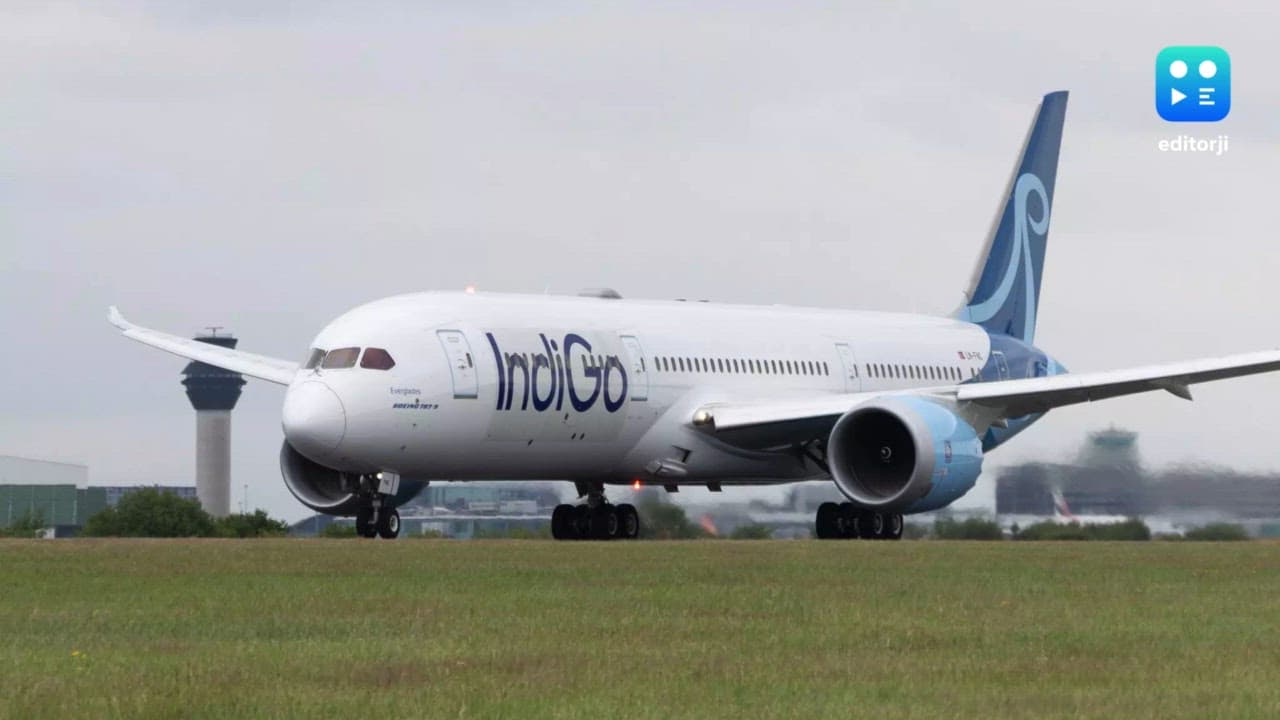
The crash involved Air India's Boeing 787-8 aircraft, which was operating flight AI 171 destined for London Gatwick. The plane tragically collided with a medical hostel complex shortly after taking off from Ahmedabad, resulting in the deaths of 270 people, including 241 passengers onboard.
The ministry's statement detailed that on the evening of June 24, the AAIB Director General, accompanied by technical team members from AAIB and NTSB, initiated the data extraction process. They safely retrieved the Crash Protection Module (CPM) from the black box's front section. By June 25, 2025, the memory module was successfully accessed and its data downloaded at the AAIB Lab, which had been inaugurated in the national capital earlier in April.
The ongoing analysis of the CVR and FDR data is aimed at piecing together the sequence of events that led to the accident, identifying contributing factors to enhance aviation safety and prevent similar occurrences in the future. The Boeing 787 aircraft is equipped with two black boxes, each containing both a CVR and an FDR.
The ministry underscored that all procedures adhered to local and international laws, with actions taken promptly. Both CVRs and FDRs were recovered within a week following the accident. One black box was retrieved from a rooftop of the crash site on June 13, and the other was recovered from the wreckage on June 16.
Standard Operating Procedures were implemented, ensuring the secure handling, storage, and transportation of these black boxes. They were safeguarded under constant police protection and CCTV surveillance in Ahmedabad. Subsequently, the black boxes were airlifted to Delhi by the Indian Air Force with tight security measures on June 24, 2025.
The front black box reached the AAIB Lab in Delhi, along with the DG of AAIB, at 2:00 PM on June 24, 2025, while the rear black box arrived later that day at 5:15 PM, accompanied by a second AAIB team.
The ministry reiterated that the investigative team was formed following international protocol, consisting of an aviation medicine expert, an ATC officer, and representatives from the NTSB, aligning with requirements for such investigations. India, as a signatory to the ICAO Chicago Convention (1944), investigates aircraft accidents in accordance with ICAO Annex 13 and the Aircraft (Investigation of Accidents and Incidents) Rules, 2017.
Concurrent with the AAIB's efforts, a high-level multi-disciplinary committee, led by the Union Home Secretary, is examining the circumstances leading to the Air India plane crash in Ahmedabad, and is expected to propose comprehensive guidelines to avert such incidents in the future.
(Only the headline of this report may have been reworked by Editorji; the rest of the content is auto-generated from a syndicated feed.)