Highlights

SEBI proposes unified price band framework. Addresses price discrepancies in illiquid stocks. Public comments welcomed until July 2, 2026.

Latest news

After Losing Two Dogs, This Founder Built an AI for Pets Now Going Viral

After Losing Two Dogs, This Founder Built an AI for Pets Now Going Viral

Bengaluru Hospital Builds One of the World's Largest English-Language Gastroenterology Education Channels on YouTube
Bengaluru Hospital Builds One of the World's Largest English-Language Gastroenterology Education Channels on YouTube

RBI move sparks race among banks to raise FCNR(B) deposit rates; smaller lenders offer over 7% on USD deposits
RBI move sparks race among banks to raise FCNR(B) deposit rates; smaller lenders offer over 7% on USD deposits

MSME loan growth decelerates to 13% amid global headwinds; ECLGS 5.0 slated to cushion impact: Report

MSME loan growth decelerates to 13% amid global headwinds; ECLGS 5.0 slated to cushion impact: Report

Chhatrapati Sambhajinagar: Emerging as Maharashtra's Next Real Estate Hub

Chhatrapati Sambhajinagar: Emerging as Maharashtra's Next Real Estate Hub

Deutscher Cricket Bund (DCB) announces an exciting 2026 season to showcase Germany as the leading European cricket nation, building world-class cricket IP's

Deutscher Cricket Bund (DCB) announces an exciting 2026 season to showcase Germany as the leading European cricket nation, building world-class cricket IP's

Clever Hunt Pvt. Ltd. Secures Rs 75 Cr Structured Debt from Syndicate Finance to Boost Exports and Expand Manufacturing in India

Clever Hunt Pvt. Ltd. Secures Rs 75 Cr Structured Debt from Syndicate Finance to Boost Exports and Expand Manufacturing in India

"There's no escapism to it": Jennifer Lopez calls Oscar-winning 'Nomadland' her 'worst type of film'

"There's no escapism to it": Jennifer Lopez calls Oscar-winning 'Nomadland' her 'worst type of film'

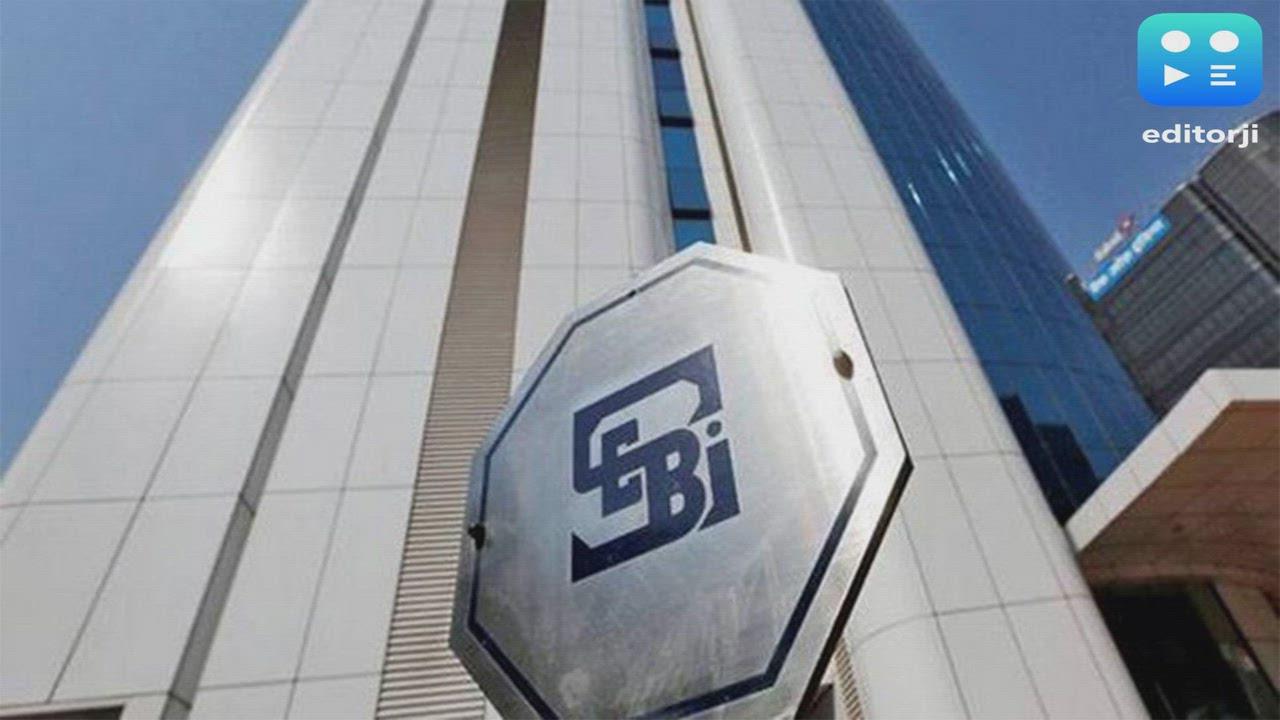
SEBI proposes uniform price band framework to curb price divergence in multi-listed stocks

SEBI proposes a framework to standardize price determination for securities listed on multiple stock exchanges, aiming to address price discrepancies and improve market efficiency.

SEBI proposes uniform price band framework to curb price divergence in multi-listed stocks

New Delhi [India], June 12 (ANI): Market regulator Securities and Exchange Board of India (SEBI) has proposed a harmonised framework for determining the base price for pre-open call auctions and the price band mechanism for securities listed on multiple stock exchanges, seeking to address price disparities in illiquid stocks and improve market efficiency.
In a consultation paper issued on Thursday, SEBI said the proposal aims to bring consistency in the treatment of securities traded across exchanges, particularly in situations where trading activity is absent on one or more exchanges.
Stock exchanges currently apply scrip-wise price bands independently using their respective previous-day closing prices. While the price bands are coordinated across exchanges, SEBI noted that "currently there is no mechanism to adjust the price bands on the stock exchange(s) where there is no trading on the previous day," which "may lead to progressive divergence" in prices of the same security across exchanges.
Highlighting the need for regulatory intervention, SEBI observed that in certain illiquid securities, prolonged non-trading on one exchange combined with persistent buying interest on another can result in substantial differences in market prices.
The consultation paper stated that "non-trading of scrip on one of the exchanges and a persistent buy side pressure along with the practice of application of price band on the previous day closing price has been causing significant price divergence in the closing prices of the scrips across the exchanges." It further noted that "such divergence also holds the potential of non-trading of the scrip on one of the exchanges."
To illustrate the issue, SEBI presented an example of a stock initially trading at Rs 100 on two exchanges. While the stock price gradually rose to Rs 160 on one exchange due to continued trading activity, the absence of trades on the other exchange kept its permissible trading range tied to an outdated closing price. As a result, the stock remained effectively capped at Rs 120 on the non-trading exchange, creating a significant pricing mismatch.
The matter was deliberated by SEBI's Secondary Market Advisory Committee (SMAC) during its meeting held on April 16-17, 2026. Based on the committee's recommendations and subsequent discussions with stock exchanges, SEBI has proposed a common methodology for determining price bands and base prices.
Under the proposed framework, if a security trades on all exchanges, or does not trade on any exchange, each exchange may continue to use its own latest closing price for determining the next day's price band.
However, where a security trades only on one exchange, all other exchanges would be required to use the closing price of the exchange where trading occurred for fixing both the price band and the base price for the next day's pre-open call auction session.
Further, in cases where a security trades on two or more exchanges but remains inactive on one or more others, the non-trading exchanges would adopt the closing price from the exchange recording the highest trading volume in that scrip for determining the subsequent day's price band and pre-open session base price.
To ensure seamless implementation, SEBI has also proposed that stock exchanges "execute necessary agreements/ MoUs or make necessary arrangements for sharing of the closing prices with each other."
SEBI has invited public comments on the proposals until July 2, 2026. (ANI)

(This article was generated from news agency ANI without modifications to the text.)

ADVERTISEMENT

Up Next

SEBI proposes uniform price band framework to curb price divergence in multi-listed stocks

SEBI proposes uniform price band framework to curb price divergence in multi-listed stocks

Honda Activa 6G: Everything You Need to Know Before Buying

Honda Activa 6G: Everything You Need to Know Before Buying

How much does a ULIP plan really cost? A break-down of all charges

How much does a ULIP plan really cost? A break-down of all charges

Centre plans to borrow Rs 8.20 lakh cr from market in first half of FY27

Centre plans to borrow Rs 8.20 lakh cr from market in first half of FY27

Reliance denies buying Iranian oil amid US sanctions waiver
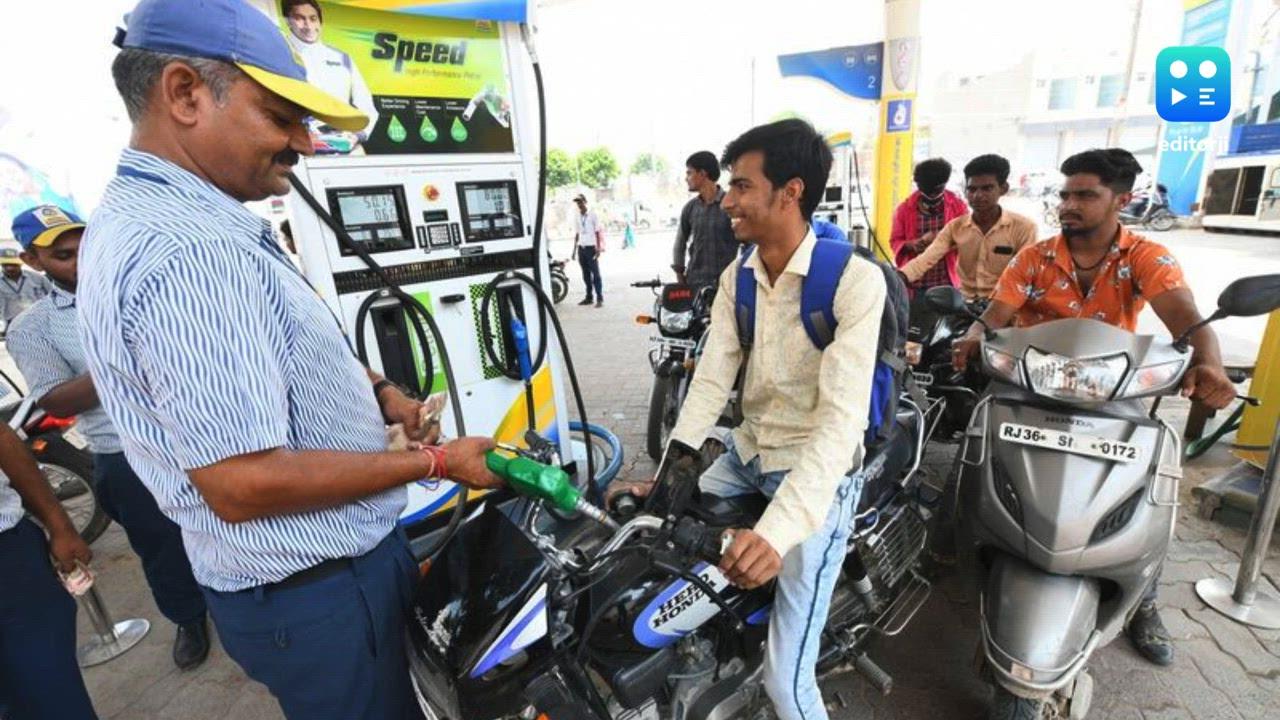
Reliance denies buying Iranian oil amid US sanctions waiver

Premium petrol price up Rs 2, industrial diesel up Rs 22; no change in normal petrol, diesel rates

Premium petrol price up Rs 2, industrial diesel up Rs 22; no change in normal petrol, diesel rates

ADVERTISEMENT

editorji-whatsApp

More videos

India's GDP expected to register over 8 pc growth in Sep-Dec: Report
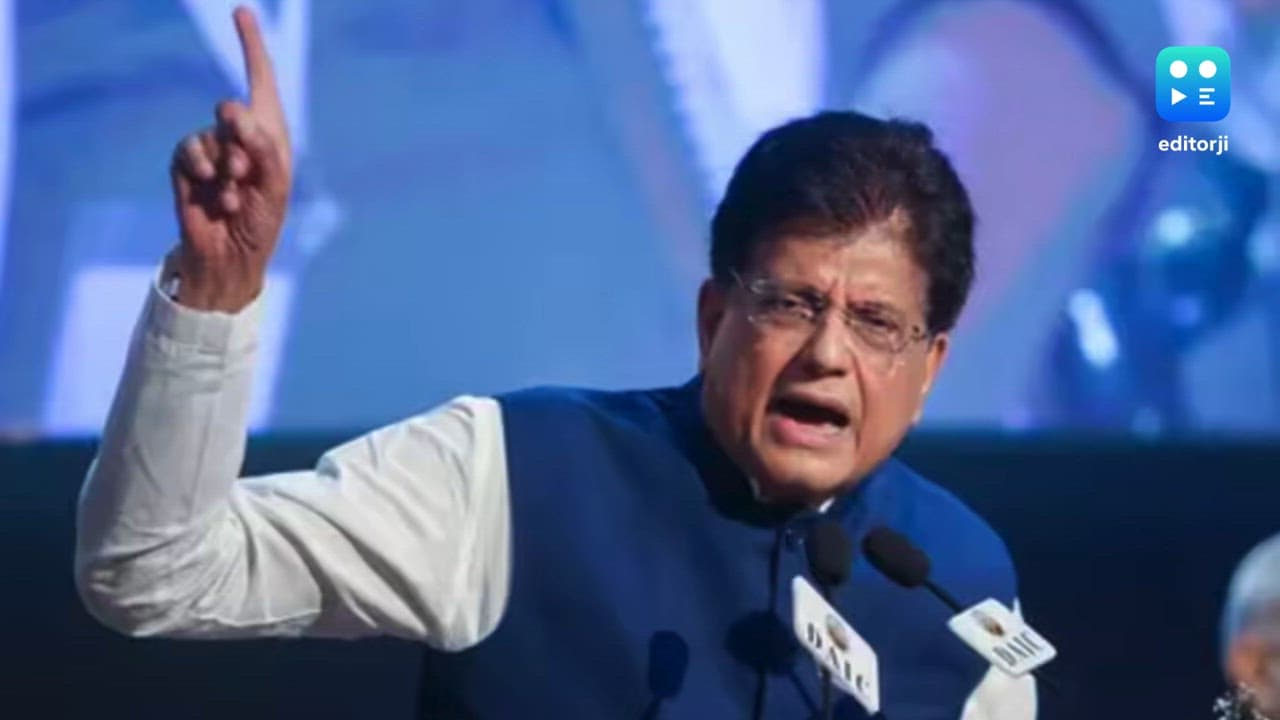
India's GDP expected to register over 8 pc growth in Sep-Dec: Report

Govt announces seven measures to help boost exports
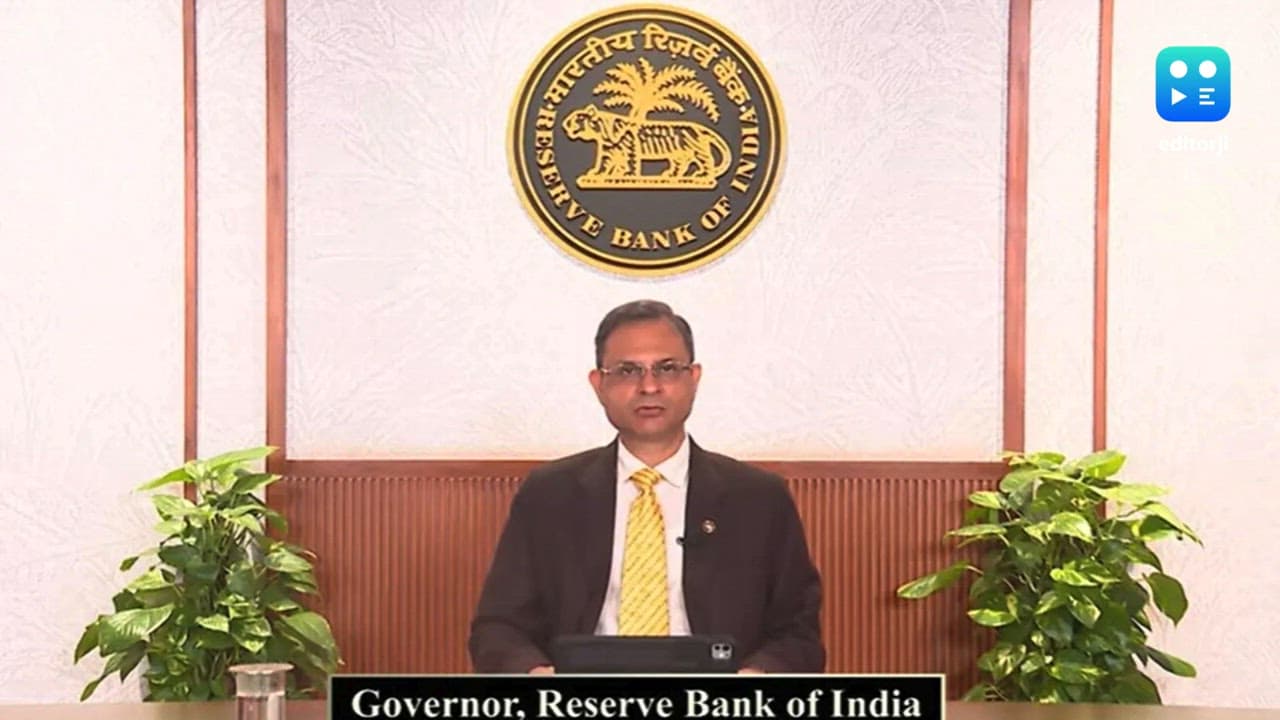
Govt announces seven measures to help boost exports

RBI keeps interest rates on hold after US trade deal boosts outlook

RBI keeps interest rates on hold after US trade deal boosts outlook

RBI proposes to compensate customers up to Rs 25,000 loss due to fraud
RBI proposes to compensate customers up to Rs 25,000 loss due to fraud

RBI raises GDP growth projection of Q1, Q2 of FY27
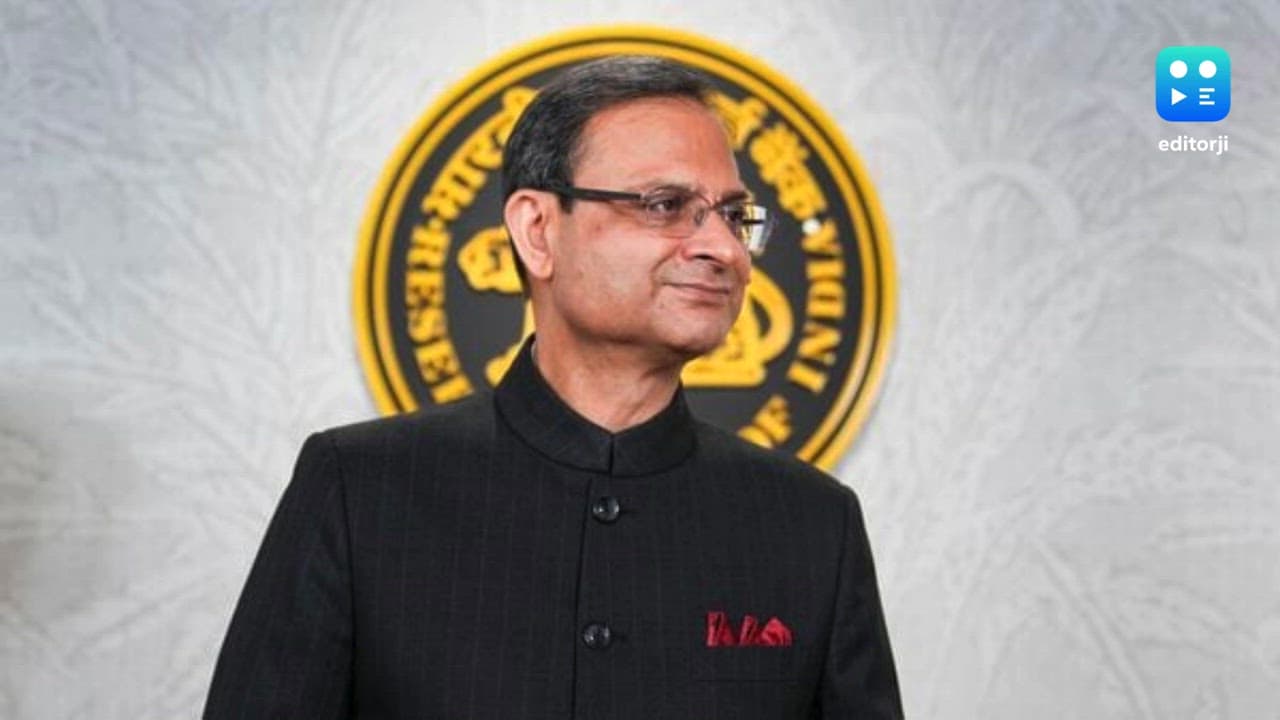
RBI raises GDP growth projection of Q1, Q2 of FY27

RBI pauses rate cuts, retains interest rate at 5.25 pc

RBI pauses rate cuts, retains interest rate at 5.25 pc

Rupee jumps 122 paise to close at 90.27 against US dollar on India-US trade deal

Rupee jumps 122 paise to close at 90.27 against US dollar on India-US trade deal

Stock markets cheer India-US trade deal: Sensex, Nifty surge 2.5 pc

Stock markets cheer India-US trade deal: Sensex, Nifty surge 2.5 pc

UPI transactions hit record high of Rs 230 lakh crore in 2025-26 till Dec: Govt
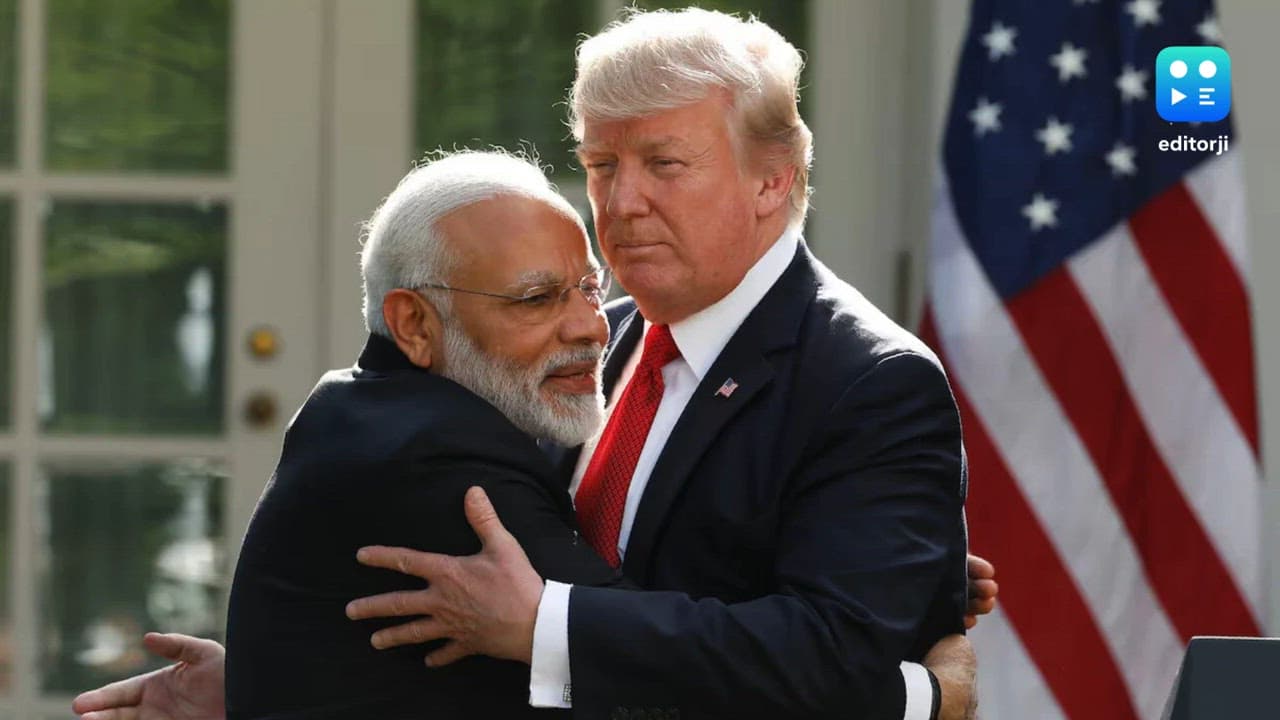
UPI transactions hit record high of Rs 230 lakh crore in 2025-26 till Dec: Govt

Explained: India-US trade deal, tariffs and trade benefits

Explained: India-US trade deal, tariffs and trade benefits

Editorji Technologies Pvt. Ltd. © 2022 All Rights Reserved.