Highlights

India pivots fiscal planning for resilience. Energy, food subsidies boost economic shield. Debt-to-GDP may rise amidst fiscal strategies.

Latest news
Fujifilm Instax Mini Evo Cinema Review: A Hybrid Camera That Prints Memories Differently 

Fujifilm Instax Mini Evo Cinema Review: A Hybrid Camera That Prints Memories Differently 

iQOO Teases Z11 Lite With AI Tools, Military-Grade Durability and a 6500mAh Battery

iQOO Teases Z11 Lite With AI Tools, Military-Grade Durability and a 6500mAh Battery

Editorji Launches Hook Global, Its International Digital News Brand

Editorji Launches Hook Global, Its International Digital News Brand

Samsung's Bespoke AI ACs Focus on Humidity, Hygiene and Smarter Cooling

Samsung's Bespoke AI ACs Focus on Humidity, Hygiene and Smarter Cooling

Samsung CEO Says Next Galaxy Foldables Will Be Thinner, Lighter and Smarter

Samsung CEO Says Next Galaxy Foldables Will Be Thinner, Lighter and Smarter

Dell Launches New Pro Precision AI Workstations In India, Introduces Deskside Agentic AI Platform

Dell Launches New Pro Precision AI Workstations In India, Introduces Deskside Agentic AI Platform

Oppo Enco Air5 Review: Incredible Value at ₹3,099

Oppo Enco Air5 Review: Incredible Value at ₹3,099

Samsung Galaxy A27 5G Goes On Sale In India With Cashback Offers, Zero Down Payment Schemes

Samsung Galaxy A27 5G Goes On Sale In India With Cashback Offers, Zero Down Payment Schemes

India's fiscal policy is evolving to support domestic growth: S&P Global

Amid global uncertainties, India shifts fiscal policy focus to long-term resilience, addressing economic indicators, energy pricing, and fiscal consolidation, though risks of escalating debt exist. New strategies include subsidies and an Economic Stabilization Fund.

India's fiscal policy is evolving to support domestic growth: S&P Global
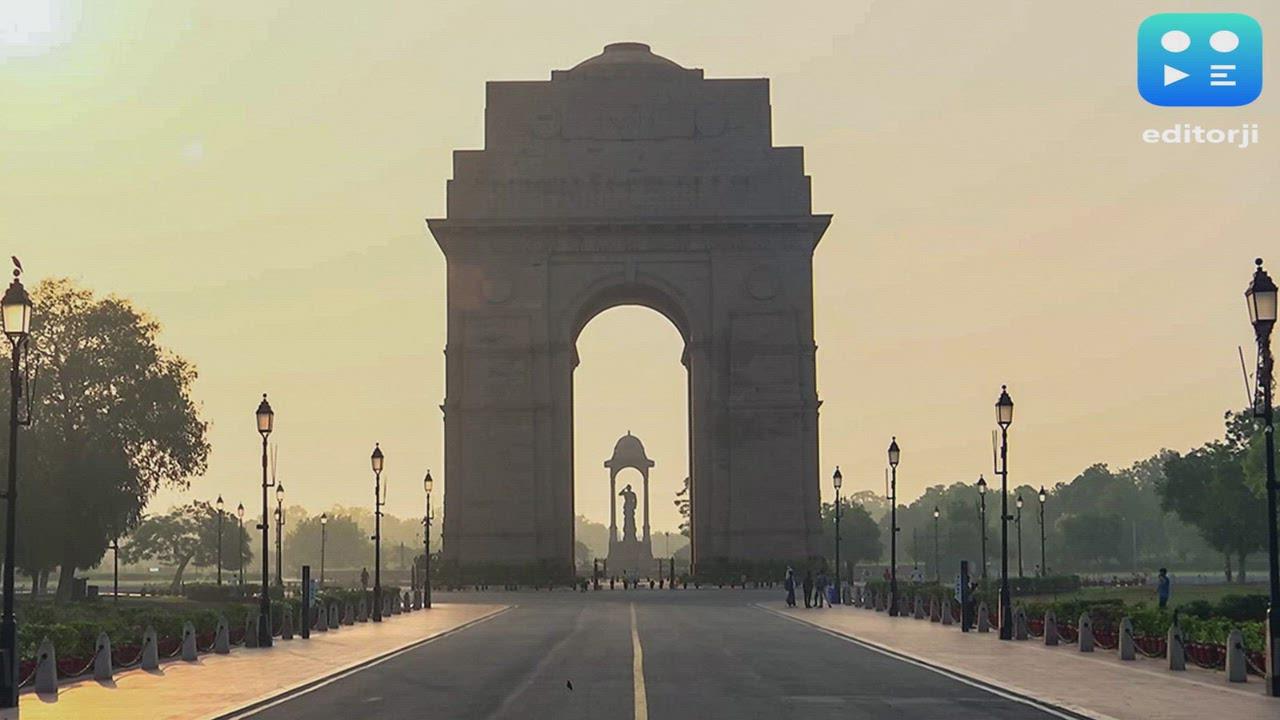
New Delhi [India], June 16 (ANI): India's fiscal policy is undergoing a significant shift to support domestic growth and strengthen economic resilience amid rising global uncertainties triggered by the ongoing West Asia conflict, according to a report by S&P Global.
The report noted that the prolonged geopolitical tensions are prompting India to move beyond short-term crisis management and adopt medium- to long-term strategies aimed at safeguarding growth, ensuring energy security, and enhancing economic stability.
"India's fiscal policy is evolving to support domestic growth," the report said, highlighting how the country's risk management approach is transitioning from providing immediate economic buffers to building long-term strategic resilience.
According to S&P Global, India was already alert to risks such as rupee depreciation, foreign portfolio outflows and a fragmented global economic environment. The ongoing conflict in the Middle East has intensified these concerns, adding pressure through higher energy prices, supply disruptions and increased currency volatility.
The report pointed out that economic indicators have begun reflecting these challenges. HSBC India Composite Purchasing Managers' Index (PMI) data for March 2026 showed a moderation in private sector activity, with the index declining to 57.0 from 58.9 in February, marking its weakest reading since November 2022.
"The sustained nature of the Middle East war is changing Indian risk management from providing immediate buffers to reorienting medium- to long-term strategies," the report stated.
To mitigate the impact of external shocks, the government has implemented a range of measures, including rationalising cooking gas allocations, resuming purchases of Russian crude oil, expanding fuel and fertiliser subsidies, and reducing excise duties on petrol and diesel. It has also established an Economic Stabilization Fund designed to act as a fiscal and financial buffer against future disruptions.
The report observed that India's post-pandemic fiscal consolidation efforts are now facing fresh challenges. The country had reduced its fiscal deficit from 9.2 per cent of GDP in fiscal year 2021-22 to 4.4 per cent in fiscal year 2025-26. However, new spending commitments aimed at shielding the economy from rising energy and food costs may temporarily slow the pace of consolidation.
S&P Global noted that a supplementary budget of Rs 2.8 trillion announced in March 2026 addressed energy and food subsidies, while an additional Rs 1.2 trillion package unveiled in April included a Rs 1 trillion Economic Stabilisation Fund for oil hedging purposes.
"This countercyclical shift risks temporarily breaching the fiscal consolidation path," the report cautioned.
The report estimated that the central government's debt-to-GDP ratio could rise to 57.5 per cent from 56.1 per cent in fiscal year 2025-26, potentially delaying the government's objective of bringing the ratio down to 49-51 per cent by fiscal year 2030-31.
Despite these challenges, S&P Global said India's policy response reflects a broader emphasis on resilience and strategic autonomy. Fiscal measures, industrial policy adjustments and efforts to diversify energy sources are being deployed simultaneously to protect growth and reduce vulnerabilities arising from an increasingly uncertain global environment.
The report noted that India's evolving fiscal posture demonstrates its intention to balance growth support with long-term economic stability while navigating a period of heightened geopolitical and economic risks. (ANI)

(This article was generated from news agency ANI without modifications to the text.)

ADVERTISEMENT

Up Next

India's fiscal policy is evolving to support domestic growth: S&P Global

India's fiscal policy is evolving to support domestic growth: S&P Global

Step-by-step guide to apply for a mortgage loan online with minimal documentation

Step-by-step guide to apply for a mortgage loan online with minimal documentation

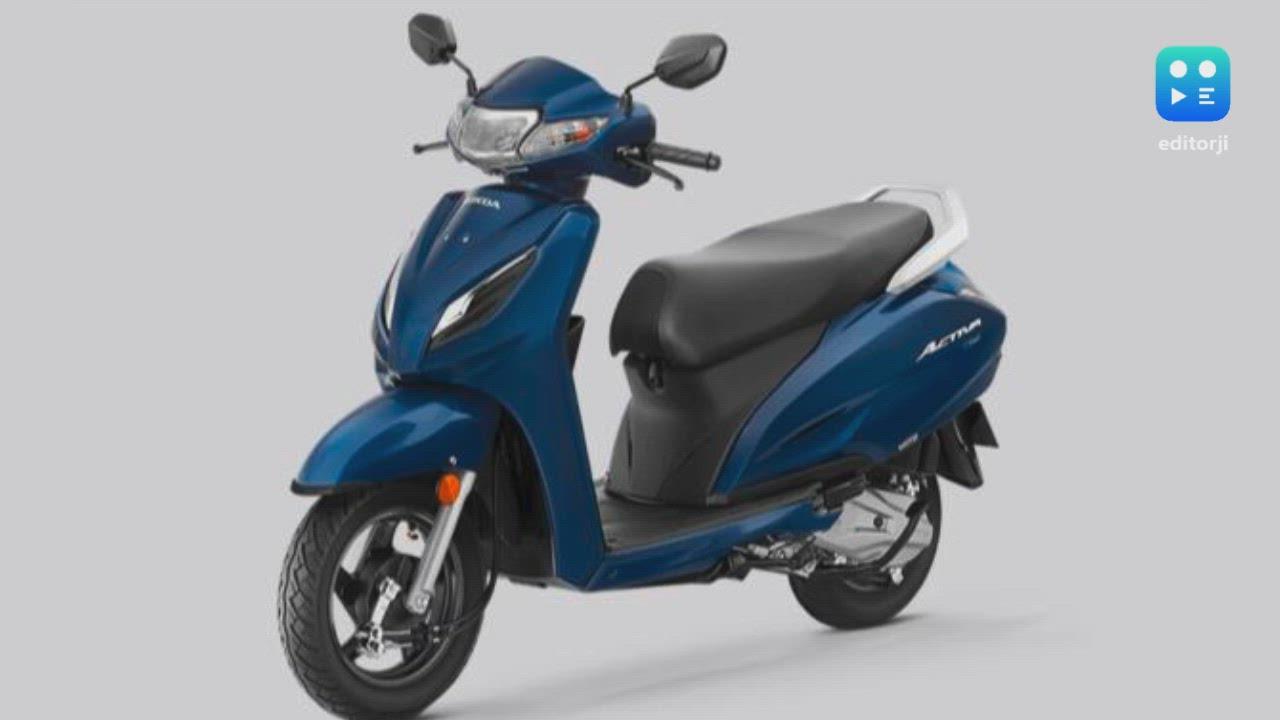
Honda Activa 6G: Everything You Need to Know Before Buying
Honda Activa 6G: Everything You Need to Know Before Buying

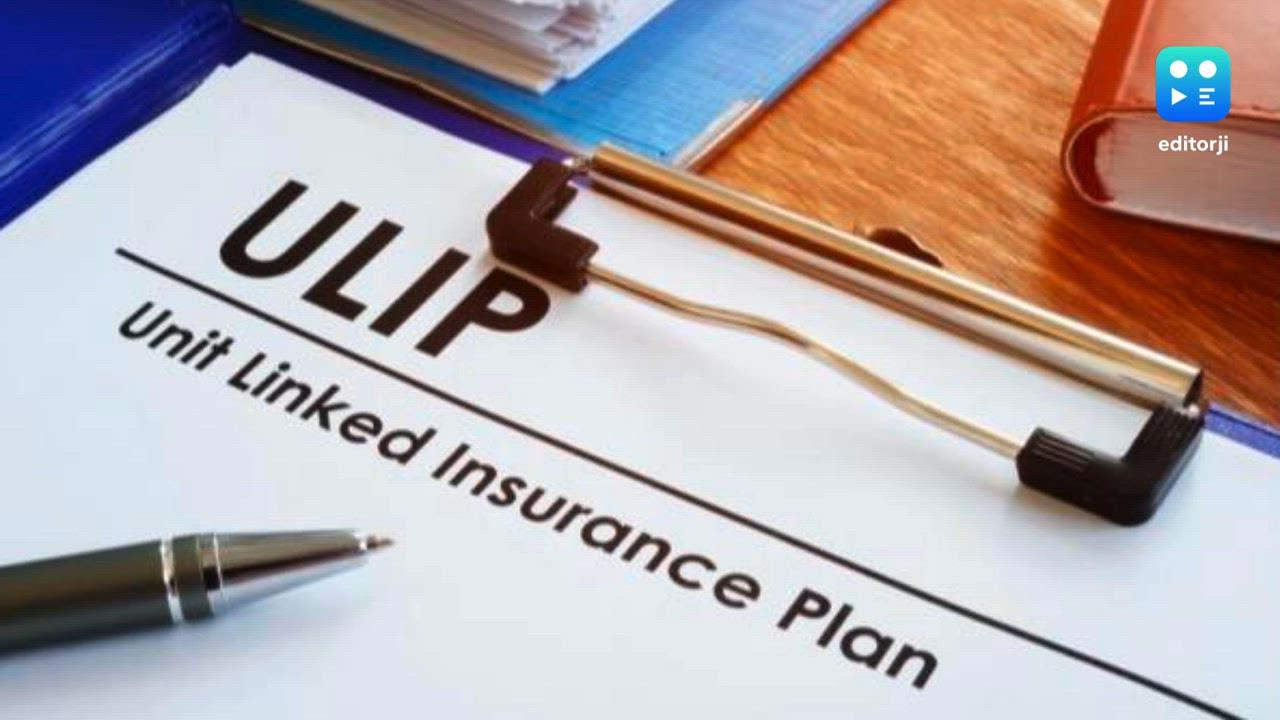
How much does a ULIP plan really cost? A break-down of all charges

How much does a ULIP plan really cost? A break-down of all charges

Centre plans to borrow Rs 8.20 lakh cr from market in first half of FY27
Centre plans to borrow Rs 8.20 lakh cr from market in first half of FY27

Reliance denies buying Iranian oil amid US sanctions waiver
Reliance denies buying Iranian oil amid US sanctions waiver

ADVERTISEMENT

editorji-whatsApp

More videos

Premium petrol price up Rs 2, industrial diesel up Rs 22; no change in normal petrol, diesel rates

Premium petrol price up Rs 2, industrial diesel up Rs 22; no change in normal petrol, diesel rates

India's GDP expected to register over 8 pc growth in Sep-Dec: Report
India's GDP expected to register over 8 pc growth in Sep-Dec: Report

Govt announces seven measures to help boost exports
Govt announces seven measures to help boost exports

RBI keeps interest rates on hold after US trade deal boosts outlook

RBI keeps interest rates on hold after US trade deal boosts outlook

RBI proposes to compensate customers up to Rs 25,000 loss due to fraud
RBI proposes to compensate customers up to Rs 25,000 loss due to fraud

RBI raises GDP growth projection of Q1, Q2 of FY27
RBI raises GDP growth projection of Q1, Q2 of FY27

RBI pauses rate cuts, retains interest rate at 5.25 pc
RBI pauses rate cuts, retains interest rate at 5.25 pc

Rupee jumps 122 paise to close at 90.27 against US dollar on India-US trade deal

Rupee jumps 122 paise to close at 90.27 against US dollar on India-US trade deal

Stock markets cheer India-US trade deal: Sensex, Nifty surge 2.5 pc

Stock markets cheer India-US trade deal: Sensex, Nifty surge 2.5 pc

UPI transactions hit record high of Rs 230 lakh crore in 2025-26 till Dec: Govt
UPI transactions hit record high of Rs 230 lakh crore in 2025-26 till Dec: Govt

Editorji Technologies Pvt. Ltd. © 2022 All Rights Reserved.