New Delhi [India], June 25 (ANI): Rising energy security concerns triggered by geopolitical tensions and supply disruptions are set to drive a massive USD 5.5 trillion investment cycle across Asia over the next five years, as governments and companies seek to reduce dependence on energy imports and strengthen domestic supply chains, according to a Morgan Stanley report.
The report said the planned investments could help lower Asia's energy imports from 36 per cent of total consumption to 29 per cent by 2030, marking a significant shift in the region's energy strategy.
Asia currently consumes as much energy as the rest of the world combined but produces only about one-third of its requirements domestically, creating a structural supply imbalance that has increasingly affected economic activity across the region.
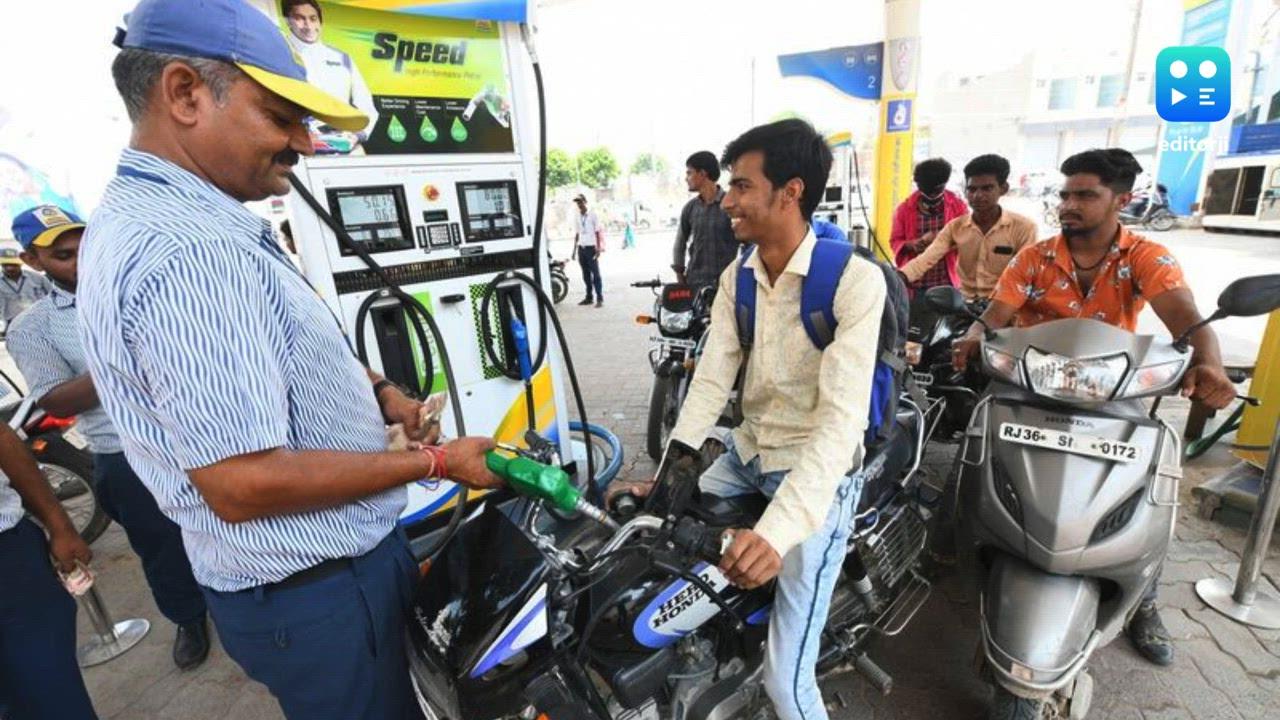
According to the report, energy shortages have contributed to plastics supply constraints, lower steel and nickel production, disruptions in air travel and tiered power pricing for data centres. More recently, oil supply concerns arising from the conflict involving Iran have prompted governments to introduce measures such as four-day workweeks, school closures and restrictions on air-conditioning use to manage energy demand.
"We are at a critical inflection point where energy, AI and security converge into a once-in-a-generation investment cycle," said Mayank Maheshwari, who leads Morgan Stanley's energy and utilities coverage in India and Southeast Asia.
"This is likely to be the largest and longest energy investment cycle in history, with implications across every asset class, sector and geography," Maheshwari said.
The report estimates that the USD 5.5 trillion investment requirement comprises USD 4.3 trillion of already announced capital expenditure and an additional USD 1.2 trillion needed through the end of the decade to achieve targeted reductions in import dependence.
The projected spending would translate into annual capital expenditure growth of 11 per cent over the next five years, compared with an average growth rate of just 2 per cent during the previous decade.
Data from the report showed that China is expected to account for the largest share of energy investments at USD 3.1 trillion, followed by ASEAN and Taiwan at USD 697 billion, India at USD 552 billion, Australia at USD 242 billion, South Korea at USD 128 billion and Japan at USD 116 billion.
Morgan Stanley noted that while energy infrastructure investments remained largely stagnant over the past decade, energy consumption increased by 50 per cent. The trend is expected to accelerate further with the rapid expansion of artificial intelligence and data centres.
"Asia's energy demand for compute and AI is accelerating at a pace comparable to that of the U.S.," Maheshwari added. "By 2030, data centers could account for roughly one-sixth of all new power demand in the region. This growth will not be limited to electricity--it will also increase demand for fuels and raw materials, including coal, copper, aluminum, diesel and other commodities."
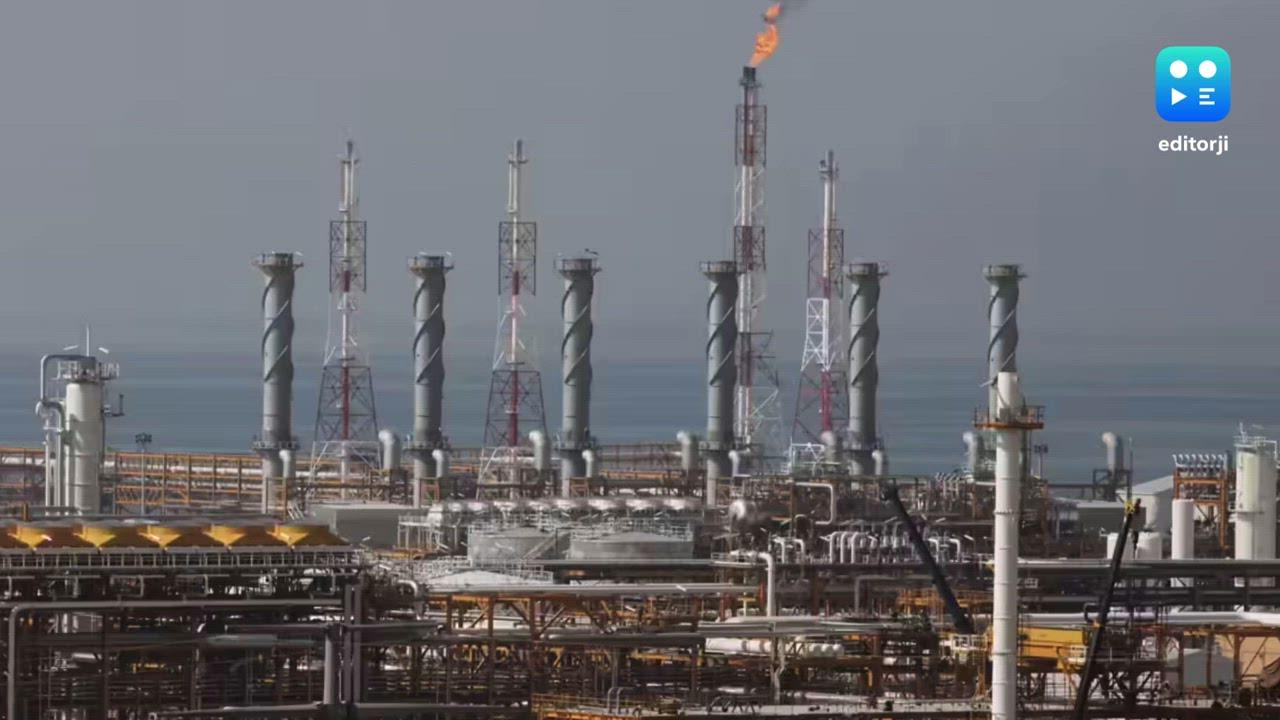
To address immediate supply bottlenecks and improve energy system reliability, the report said a substantial portion of investments through 2030 is expected to be directed towards fossil-fuel infrastructure, including coal, diesel and natural gas.
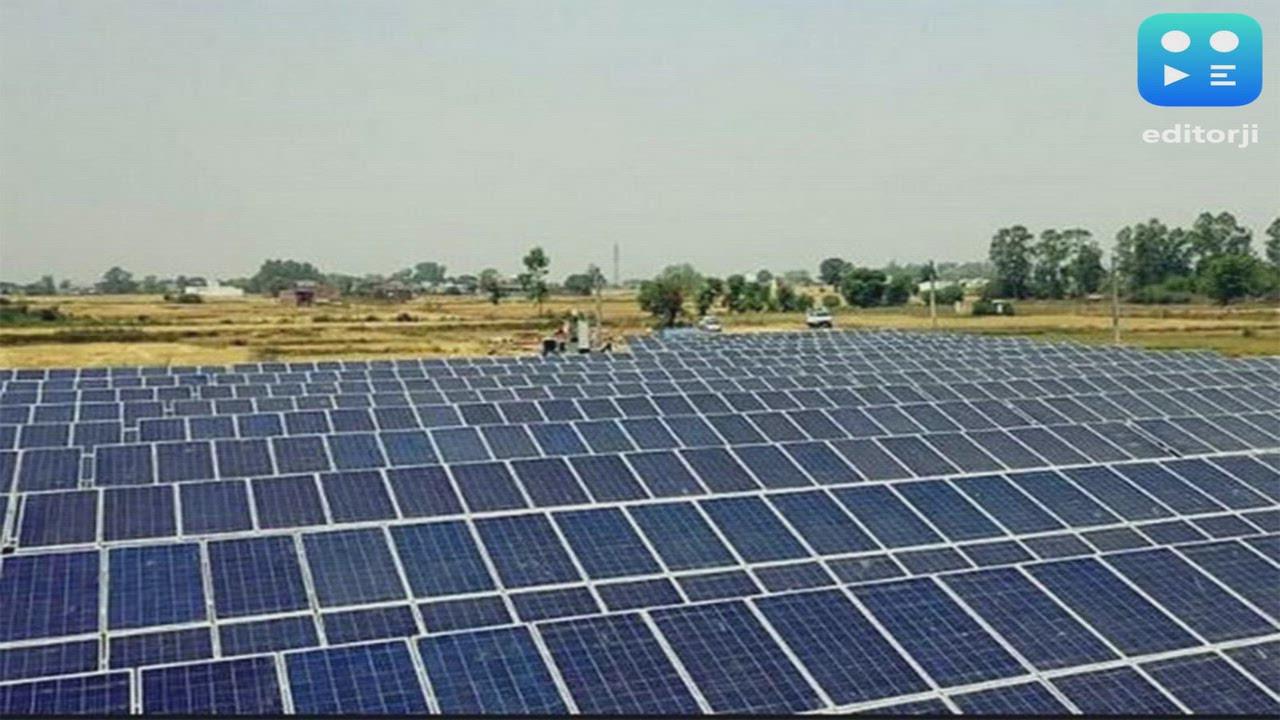
Coal is gaining strategic importance because Asia possesses nearly three-fifths of global reserves, helping countries moderate liquefied natural gas imports. At the same time, renewable energy investments could temporarily plateau as electricity transmission and distribution networks undergo necessary upgrades.
Governments across the region have already begun taking steps to strengthen energy security. China is planning investments of between USD 3 trillion and USD 3.8 trillion over five years to secure energy resources, India is diversifying its energy mix through coal gasification and biofuels, while Japan is investing in areas such as shipbuilding and fusion energy.
"While Asia is unlikely to become fully energy independent, this investment cycle can reduce reliance on concentrated supply sources and diversify both import partners and fuel types," Maheshwari stated. (ANI)
(This article was generated from news agency ANI without modifications to the text.)