Ha Lejone (Lesotho), Oct 16 (AP) In the aftermath of significant US reductions to foreign aid, the small southern African nation of Lesotho grapples with deep uncertainty and concern for its residents living with HIV.
Lesotho, once known for having the world's second-highest rate of HIV infection, had managed to slow the epidemic's spread through a health network bolstered by nearly USD 1 billion in US aid.
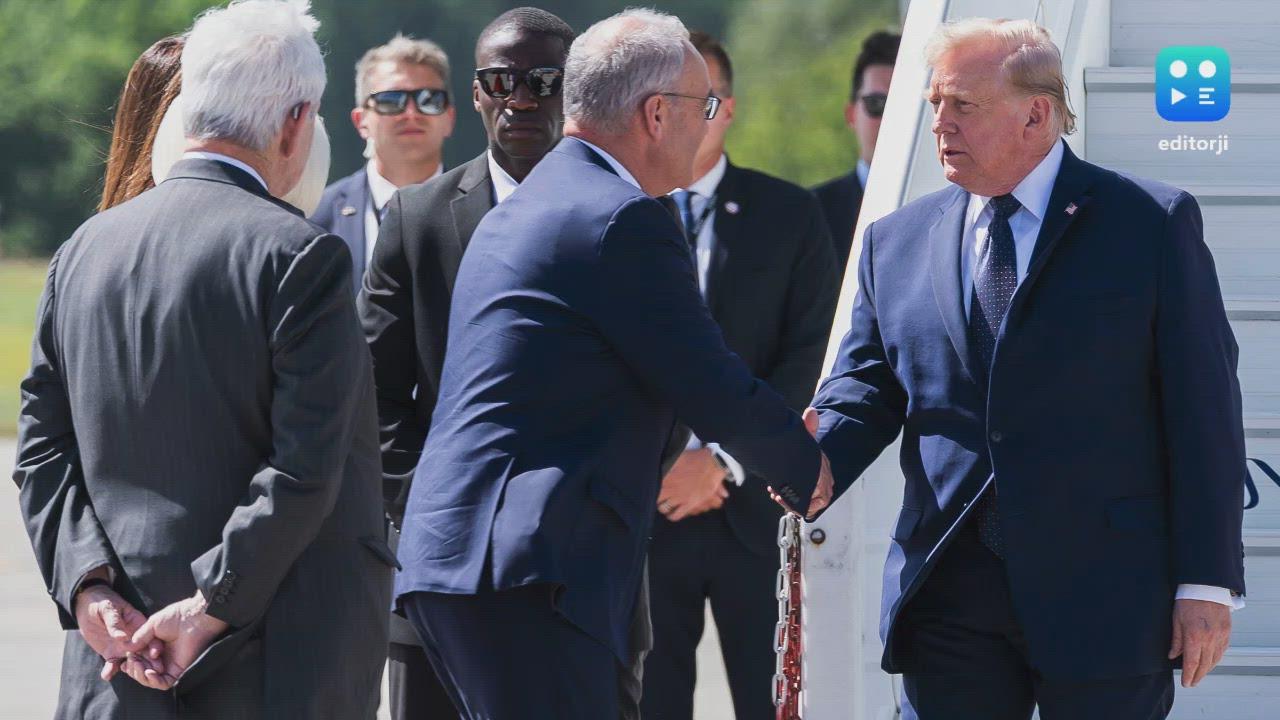
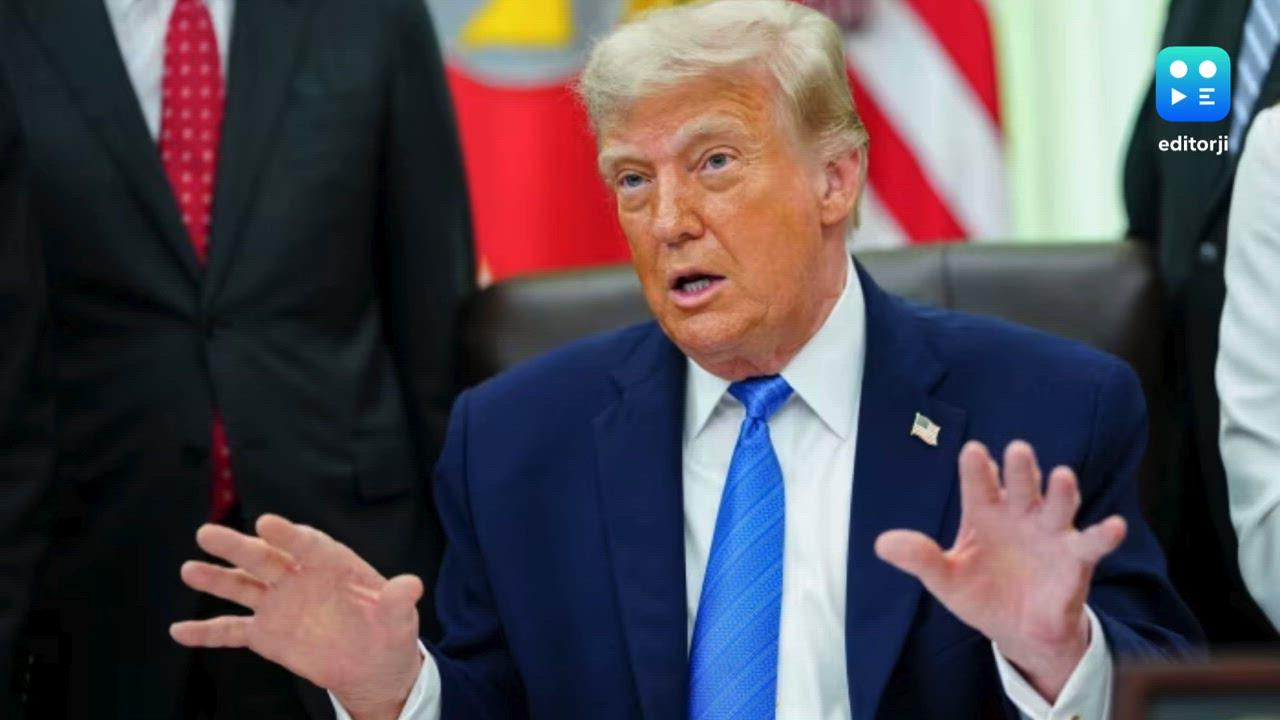
However, a ripple of chaos and confusion was unleashed when US President Donald Trump froze foreign assistance and dissolved the US Agency for International Development, which has left clinics in Lesotho shuttered, workers dismissed, and patients halting their treatment.
The backbone of Lesotho’s healthcare system designed to support its large HIV-positive population is now teetering, and experts are raising alarms as even some US-funded programs receive temporary reinstatement.
Confusion persists nine months after aid cuts
In the wake of the aid reductions, confusion descended across nearly all of the 130 countries with programs supported by USAID. Now, more than nine months later, Lesotho still finds itself in an unclear situation.
Recently, the US announced plans to reinstate some flagship initiatives to combat HIV globally. Though the move has been welcomed, it is a temporary measure meant to nudge countries towards self-sufficiency in public health.
The State Department relayed to the AP via email that its six-month ‘bridge’ programs are designed to ensure the continuity of vital lifesaving services as officials negotiate a multiyear funding agreement with Lesotho.
These proceedings could take months to conclude. While programs have been reinstated on paper, health workers and experts in Lesotho noted to AP that reactivating them in practice requires substantial time.
For HIV-positive residents, their families, and caregivers, this year's turmoil has led to irreparable damage, and worry about the future looms large. Many feel deeply let down — even betrayed — by the loss of funds and support.
“Everyone who is HIV-positive in Lesotho is a dead man walking,” remarked Hlaoli Monyamane, a 32-year-old miner living with HIV.
Key programs and jobs vanished
Crucial HIV prevention initiatives targeting mother-to-child transmission, male circumcision, and high-risk groups like sex workers and miners faced cancellation.
Unpaid nurses and healthcare workers resorted to informal networks to serve remote communities. Laboratories and clinics closed, and patients began either abandoning their treatment or rationing their medication.
Psychologist Rethabile Motsamai, aged 37, saw her role as an HIV counselor terminated, raising concerns about the vulnerable populations she once served. “They'll just stop taking their medication,” she said, referring to those facing long travel for healthcare.
Catherine Connor from the Elizabeth Glaser Pediatric AIDS Foundation highlighted that “any step backward creates a risk of resurgence.” Under her organization’s 16-year tenure in Lesotho, mother-to-child HIV transmission fell from nearly 18% to about 6%. While Connor credited Lesotho's government for improvements, her group and others played a pivotal role, particularly in addressing children's treatment and prevention.
“When a child never gets diagnosed, it feels like a missed opportunity,” Connor stated. "When a child who was receiving treatment stops getting treatment, it feels like a crime against humanity.”
The stakes are high
Chairperson of Lesotho’s legislative health committee, Mokhothu Makhalanyane, remarked that the impact of these cuts is enormous, estimating a setback of at least 15 years for the country.
“We're going to lose a lot of lives,” he said plainly.
In July, UNAIDS—a UN agency dedicated to combating the virus worldwide—warned that up to 4 million people globally might perish if funding was not reinstated. Lesotho health officials echoed concerns about increased HIV transmission, more deaths, and escalating healthcare costs.
Accurately measuring impacts or how many lives are altered by such funding cuts is arduous, as many personnel responsible for maintaining and inputting data into centralized systems were largely dismissed.
PEPFAR’s pivotal role
Launched by the US in 2003, the President's Emergency Plan for AIDS Relief (PEPFAR) grew to be a historic commitment by any nation to tackle a single disease, primarily implemented through USAID. In Lesotho, PEPFAR became so prominent that both health professionals and residents often referred to any HIV aid by its name.
Upon the cessation of foreign assistance, Lesotho experienced a reduction of at least 23% in its PEPFAR funding, positioning it among the top 10 countries most significantly impacted by such cuts, according to the Foundation for AIDS Research.
Rachel Bonnifield, associated with the Center for Global Development, described the Trump administration's fresh PEPFAR vision—diverting funds directly to governments rather than through development organizations—as ambitious but risky.
“It is disrupting a system that currently functions well, albeit with some structural issues, in favor of a concept with notable potential benefits ... but that remains unproven and non-existent," she remarked.
Some Lesotho officials perceive this moment as a belated alert to discontinue heavy reliance on international aid.
“This is a serious wake-up call,” stated Makhalanyane. “We should never entrust the lives of our people to those unelected to safeguard them.”
Lesotho’s noteworthy progress
Late last year, Lesotho achieved the UNAIDS 95-95-95 targets: 95% of HIV-positive individuals aware of their status, with 95% of those receiving treatment, and 95% possessing a suppressed viral load. Despite these advances, the nation must still cater to an estimated 260,000 of its 2.3 million residents living with HIV.
UNAIDS's overarching ambition is to eradicate AIDS as a public health threat by 2030. According to Pepukai Chikukwa, UNAIDS's country director in Lesotho, the nation’s progress in reducing new infections and fatalities had placed it on track before the austerity in aid, which has since led to a disruption.
“Lesotho has made progress that should not be overlooked,” she noted, while acknowledging the persisting heavy burden of HIV within the country.
Chikukwa expressed optimism over the temporary reinstatement of US programs. “There is some hope,” she observed.
However, it remains unclear how effectively these interim solutions might “bridge the gap,” as Chikukwa prepares to leave Lesotho. Her position ended due to the funding cuts, leaving the South Africa UNAIDS office to manage oversight for Lesotho, though her future assignment is uncertain. (AP) GRS GRS
(Only the headline of this report may have been reworked by Editorji; the rest of the content is auto-generated from a syndicated feed.)