Highlights

  • Hackers easily connect with new users
  • Send malicious files for download via messages
  • Stealer malware gets installed in the victim's computer

Latest news

From Silent Retreats to Solo Trips: What Indians Are Googling About Travel

From Silent Retreats to Solo Trips: What Indians Are Googling About Travel

How to Open an FD Account and Choose the Right Deposit Amount, Tenure and Interest Payout Option

How to Open an FD Account and Choose the Right Deposit Amount, Tenure and Interest Payout Option

Credit Card Cash Withdrawal: Charges You Must Know Before You Swipe

Credit Card Cash Withdrawal: Charges You Must Know Before You Swipe

A New Chapter in PCs: NVIDIA RTX Spark PCs Launched in India Starting at ₹2.99 Lakh

A New Chapter in PCs: NVIDIA RTX Spark PCs Launched in India Starting at ₹2.99 Lakh

From Toy Faces To Lucky Charms, DailyObjects’ New Cases Put Art On iPhones

From Toy Faces To Lucky Charms, DailyObjects’ New Cases Put Art On iPhones

Why Retirement Planning is Shifting From Wealth Accumulation to Income Sustainability
Why Retirement Planning is Shifting From Wealth Accumulation to Income Sustainability

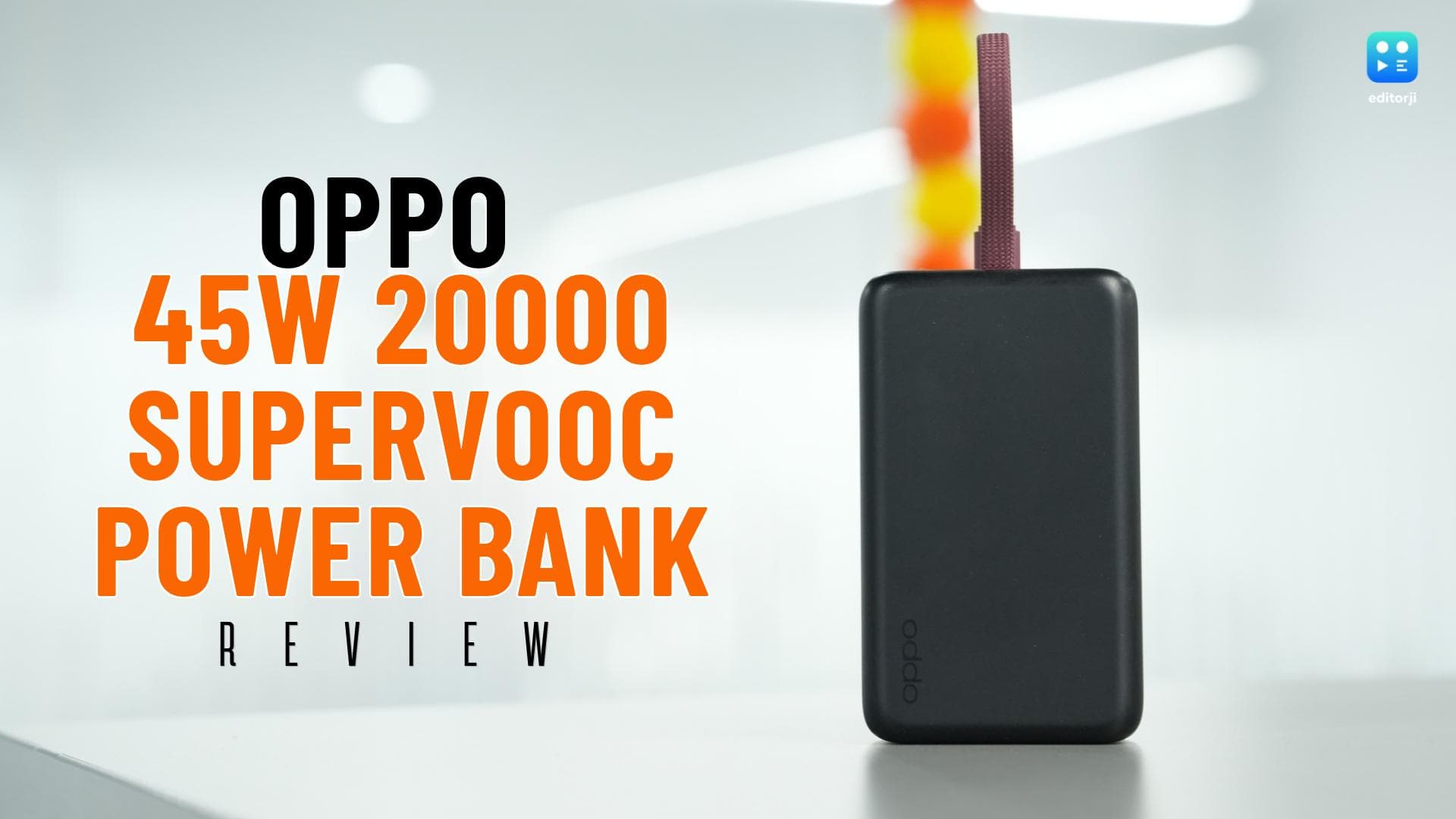
OPPO 45W 20000mAh Power Bank Review: No Mess, Fast Speeds, Real Value 

OPPO 45W 20000mAh Power Bank Review: No Mess, Fast Speeds, Real Value 

One in Three Laptop Buyers Wants to Upgrade for AI; 24% Are Open to Snapdragon, Survey Finds

One in Three Laptop Buyers Wants to Upgrade for AI; 24% Are Open to Snapdragon, Survey Finds

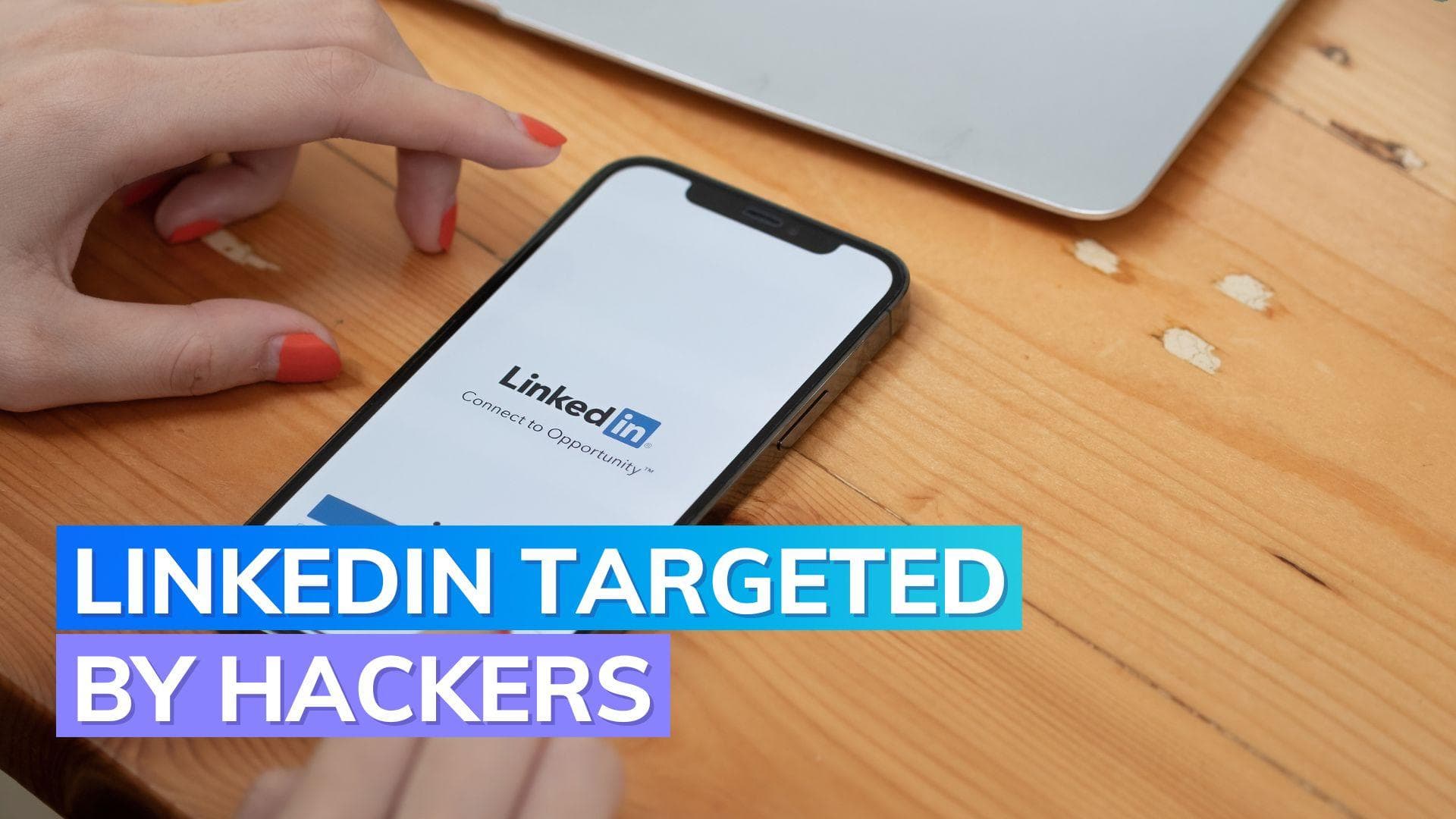
Hackers are using LinkedIn to steal user data

Since many LinkedIn users accept new connections without verifying them, hackers are able to connect with new people and send them malicious files. 

Hackers are using LinkedIn to steal user data

New research has revealed that hackers are using Microsoft's LinkedIn to propagate data-stealing malware by making connection requests in the guise of employees of reputable firms.

Researchers from the AI cyber-security firm CloudSEK discovered that scammers are using LinkedIn's chat and job posting functions to distribute links/files containing stealer malware.

Since the majority of LinkedIn users accept all connection requests, fraudsters may simply make relationships and establish their reputation on the network.

After establishing their trustworthiness, hackers distribute infected files and links, which are subsequently opened by victims who are unaware of the danger.

Once opened, stealer malware is placed on the victim's PC, stealing passwords, credit card details, and other sensitive data before sending it to the threat actors.

The compromised social media and email accounts of the victim are then taken over with the stolen credentials.

It is recommended that all users verify connection requests before to accepting them, even if the requestor is linked to someone you know.

Before accessing documents and files exchanged on LinkedIn, it is equally important to screen them for malware.

Also watch: Samsung Galaxy Z Fold4 Review

Frequently Asked Questions

Hackers are using LinkedIn to propagate data-stealing malware by making connection requests disguised as employees of reputable firms. They use LinkedIn's chat and job posting functions to distribute links/files containing stealer malware.

ADVERTISEMENT

Up Next

Hackers are using LinkedIn to steal user data

Hackers are using LinkedIn to steal user data

A New Chapter in PCs: NVIDIA RTX Spark PCs Launched in India Starting at ₹2.99 Lakh

A New Chapter in PCs: NVIDIA RTX Spark PCs Launched in India Starting at ₹2.99 Lakh

From Toy Faces To Lucky Charms, DailyObjects’ New Cases Put Art On iPhones

From Toy Faces To Lucky Charms, DailyObjects’ New Cases Put Art On iPhones

OPPO 45W 20000mAh Power Bank Review: No Mess, Fast Speeds, Real Value 

OPPO 45W 20000mAh Power Bank Review: No Mess, Fast Speeds, Real Value 

One in Three Laptop Buyers Wants to Upgrade for AI; 24% Are Open to Snapdragon, Survey Finds
One in Three Laptop Buyers Wants to Upgrade for AI; 24% Are Open to Snapdragon, Survey Finds

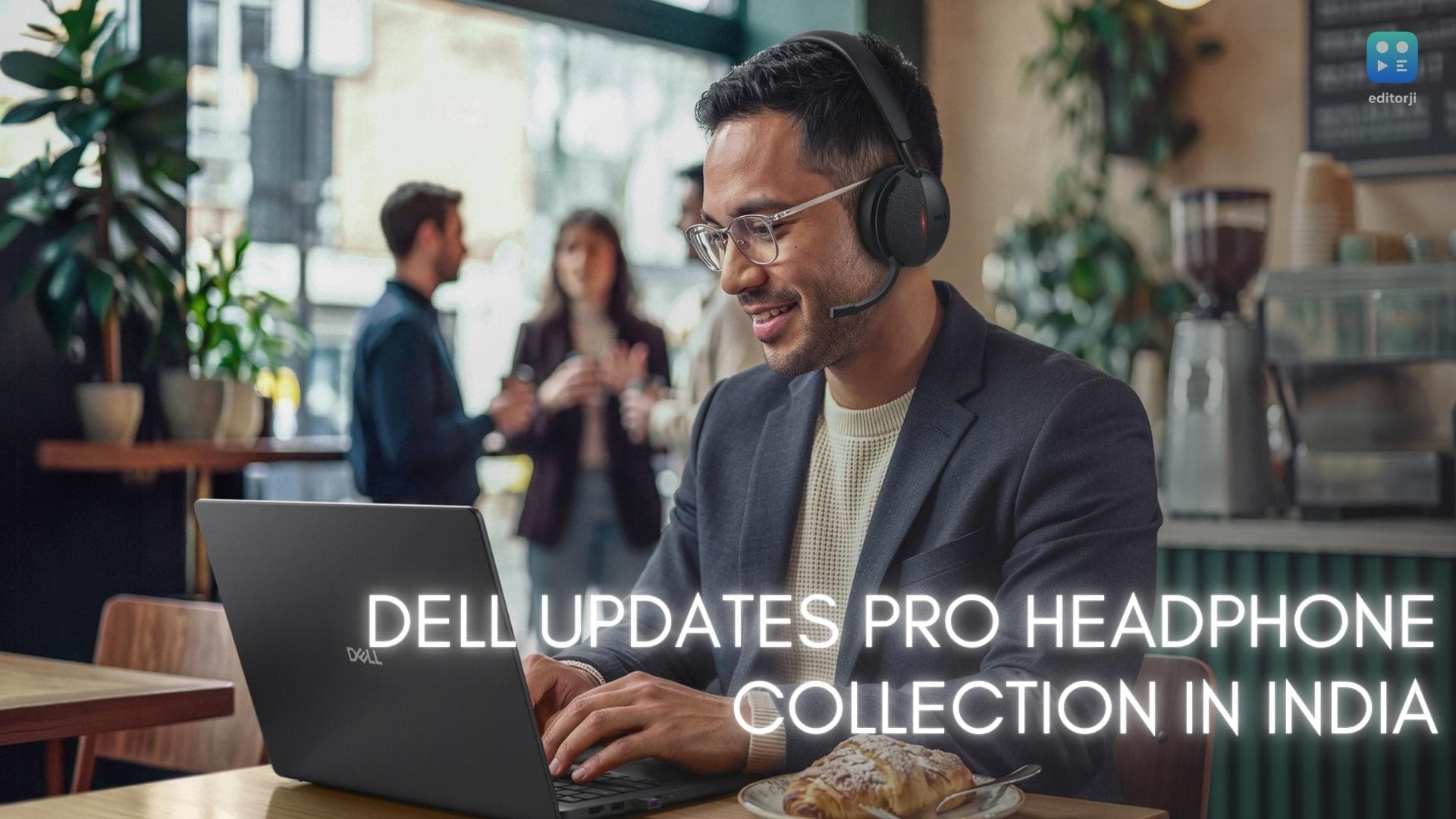
Dell’s New Pro Headsets Offer AI Noise Reduction and Replaceable Batteries

Dell’s New Pro Headsets Offer AI Noise Reduction and Replaceable Batteries

ADVERTISEMENT

editorji-whatsApp

More videos

Samsung’s AI Smart Glasses Launch On December 10 With Gemini, 12MP Camera
Samsung’s AI Smart Glasses Launch On December 10 With Gemini, 12MP Camera

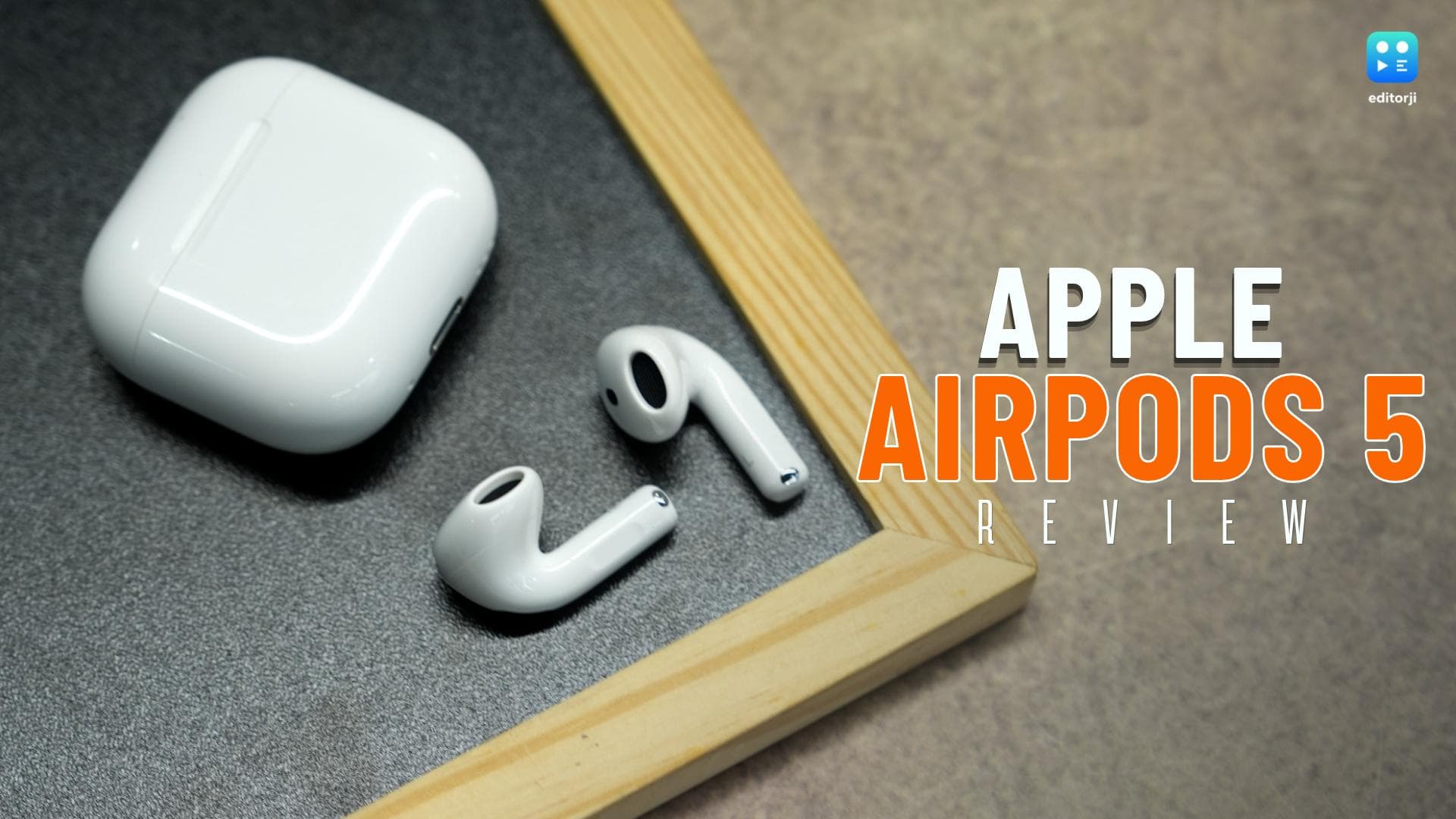
Apple AirPods 5 Review: The Regular AirPods Are No Longer Basic

Apple AirPods 5 Review: The Regular AirPods Are No Longer Basic

Infinix GT 50 Pro Review: The Most Ambitious Phone Infinix Has Made

Infinix GT 50 Pro Review: The Most Ambitious Phone Infinix Has Made

Apple’s New Diwali Film with Raw Mango Puts the iPhone 18 Pro’s Low-Light Filmmaking to the Test

Apple’s New Diwali Film with Raw Mango Puts the iPhone 18 Pro’s Low-Light Filmmaking to the Test

Oppo Pad Mini Review: The Ultimate Compact Android Tablet?
Oppo Pad Mini Review: The Ultimate Compact Android Tablet?

Dell 14S Launched In India With Core 7 Series 3 Chips, Starts At ₹79,990

Dell 14S Launched In India With Core 7 Series 3 Chips, Starts At ₹79,990

HP unveils OmniBook 5 and ProBook 4 G2iS with OLED displays and AI features
HP unveils OmniBook 5 and ProBook 4 G2iS with OLED displays and AI features

Google Dreambeans: An AI App That Makes Discovery Feel Personal

Google Dreambeans: An AI App That Makes Discovery Feel Personal

ASUS India Brings AI-Powered ExpertBook Business Laptops to Flipkart Big Bang Diwali Sale 2026

ASUS India Brings AI-Powered ExpertBook Business Laptops to Flipkart Big Bang Diwali Sale 2026

Logitech MX Master 4 Developer Edition Launched In India At ₹20,699

Logitech MX Master 4 Developer Edition Launched In India At ₹20,699

Editorji Technologies Pvt. Ltd. © 2022 All Rights Reserved.