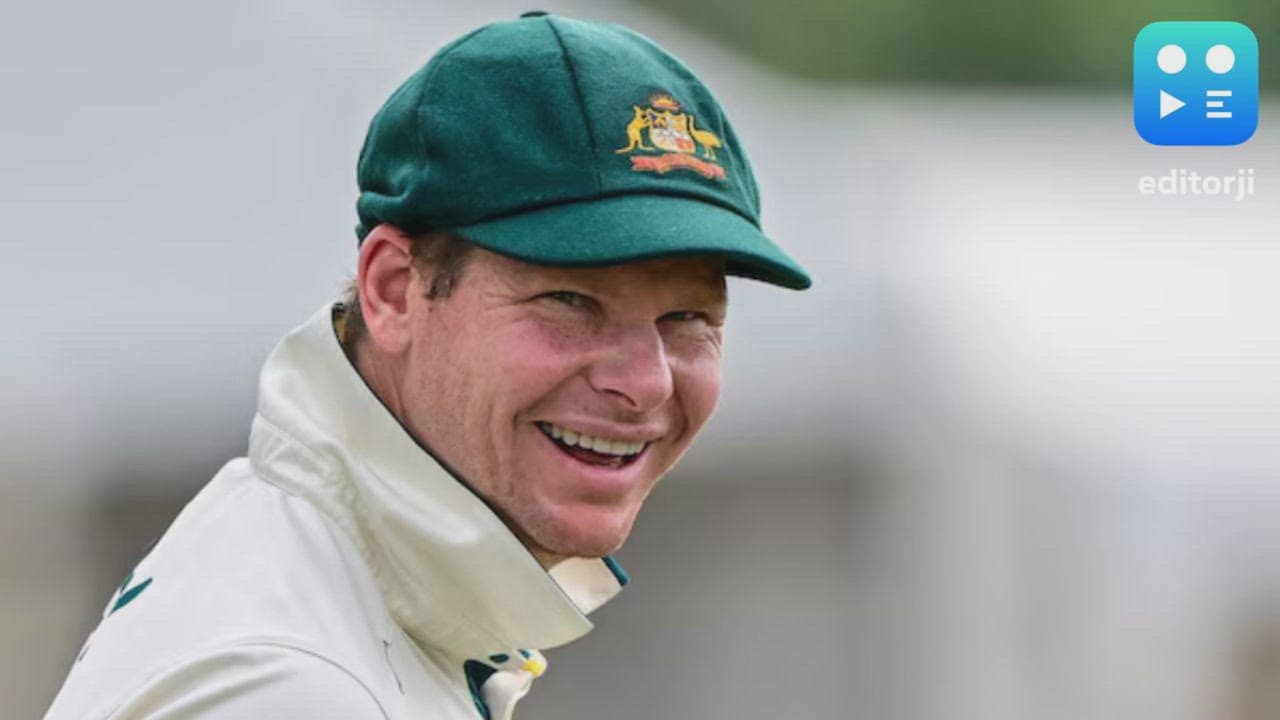
Steve Smith has surprised the cricket world with a rapid return after a compound dislocation of his right little finger. The injury, sustained during a match against South Africa, was managed through an innovative training regimen involving baseball practices in New York. This approach enabled Smith to efficiently regain his batting form, preparing him for the upcoming Test against West Indies. Practicing in a baseball cage, he quietly worked on his technique using tennis balls before transitioning to cricket balls. Medical feedback was positive, revealing encouraging progress. With stitches removed and a lighter splint, Smith is geared up for his comeback. He acknowledges the challenges of fielding due to the injury but remains optimistic about performing well. Additionally, he expressed confidence in promising new team members like Sam Konstas to deliver in the forthcoming match series. This blend of unconventional recovery methods and trust in new talent signifies a fresh chapter for both Smith and the Australian cricket team.
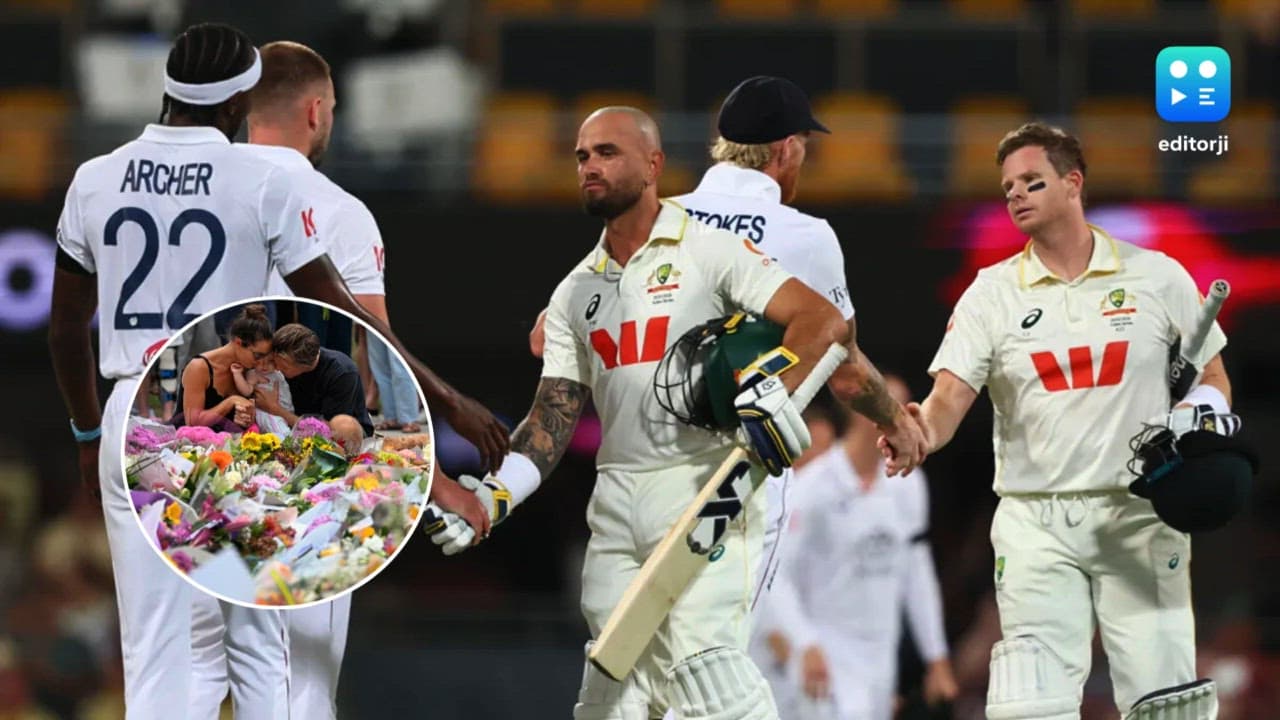
Renowned Australian batsman Steve Smith made a swift recovery from a "compound dislocation" in his right little finger, making an unexpected return to the squad for the second Test against the West Indies—thanks to an unconventional training regimen with a baseball twist.
Smith sustained the injury while attempting a challenging catch at first slip off the bat of South African captain Temba Bavuma during the World Test Championship final at Lord's earlier this month. The 36-year-old former Australian captain promptly left London after having his wound cleansed, stitched, and his finger placed in a splint. Instead of waiting for natural healing, Smith took a proactive approach and headed to a "baseball cage" in New York, where he owns an apartment.
The injury sidelined him for the first match of the three-Test series against the Caribbean team in Barbados from June 25 to 27, but Australia emerged victorious with a 159-run win. While in New York, Smith began his recovery by practicing with tennis balls and other soft materials before transitioning back to the hard cricket ball.
"It was my mate who informed me about the cage," Smith shared with ESPNcricinfo. "It was a perfect location since it was pretty warm in New York. There was a batting cage under a bridge, which allowed me to practice in the shade—ideal given the heat," he recounted.
A baseball cage, resembling cricket nets, is a netted enclosure utilized by baseball players to hone their batting skills. It offers a secure environment for batters to practice with no risk of stray balls causing harm.
Smith recorded his batting sessions and sent the footage to the Australian medical team in the Caribbean, who were impressed with his progress. Reports indicate that his stitches were removed on Sunday, and he now wears a thinner splint as he prepares for his comeback at the second Test in St George's from July 3.
"In terms of training, it feels normal," Smith explained, noting the absence of pain and adjusting to the splint with its slight restriction on movement. "I have considerable mobility now, which is encouraging. Batting felt completely natural," he noted. However, Smith acknowledged, "Fielding in front of the wicket will be unusual. I've never done that in a Test. Positions like mid-on, mid-off, or fine leg will be different compared to my usual slip positions."
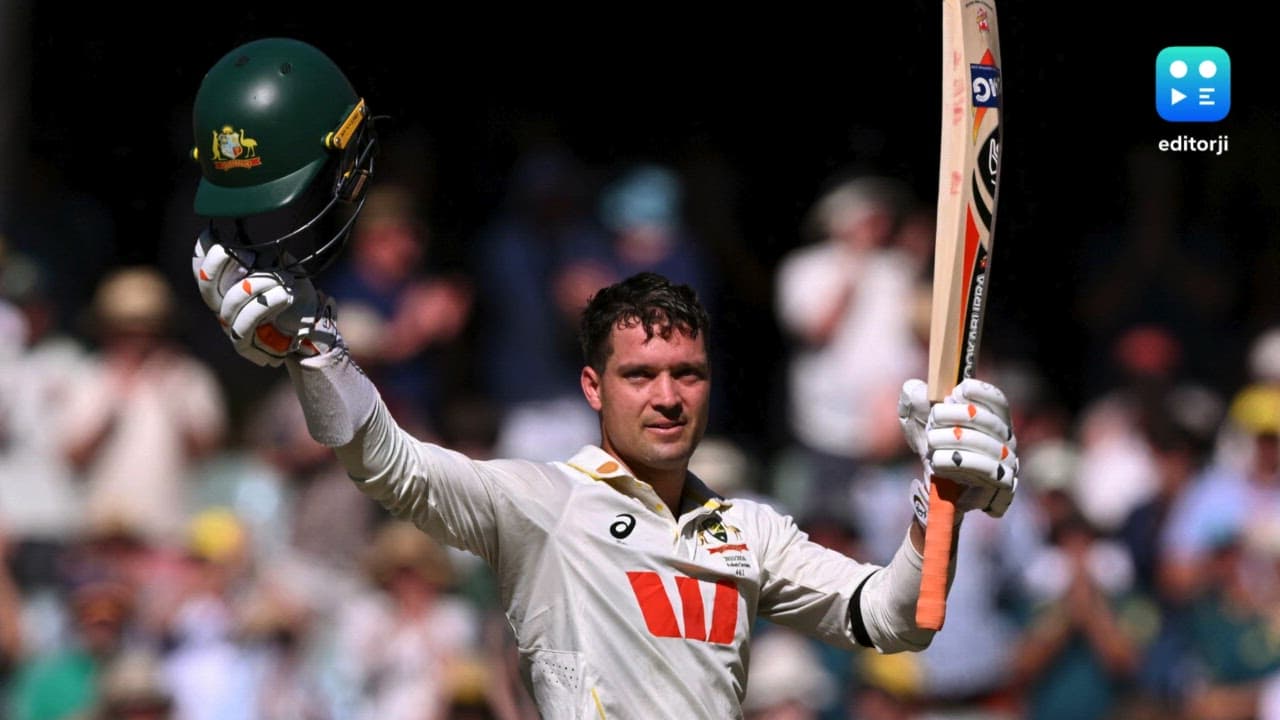
Smith also expressed confidence in the new players on the Australian team, including opener Sam Konstas, ahead of the second Test. "These guys are talented; there's been much discussion, but we must give them a fair chance," said Smith. "Success doesn't always happen immediately. We need to offer them opportunities to acclimate to these conditions and international competition. They have promising futures," he emphasized.