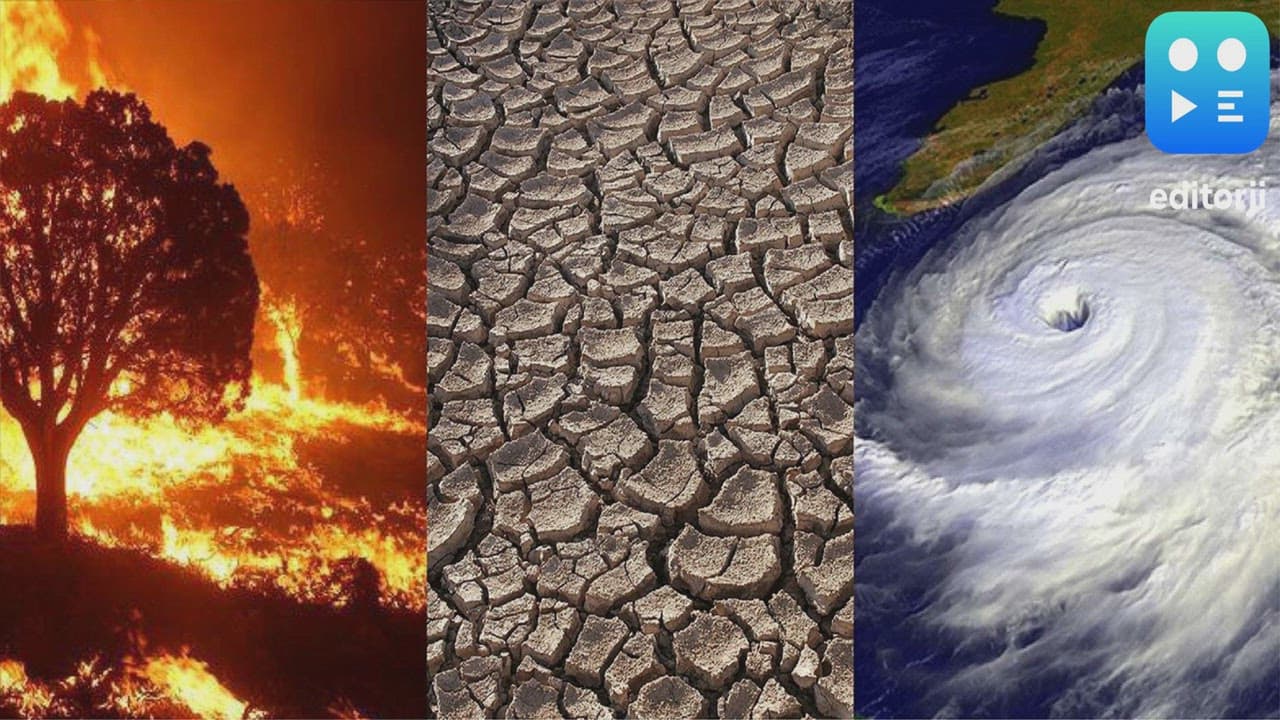
New Delhi, Jul 24 (PTI) - In a momentous ruling, the International Court of Justice (ICJ) has recognized climate change as an "urgent, existential threat" and affirmed that it imposes binding legal duties on nations to combat it. This is the ICJ’s inaugural advisory opinion on climate change, unanimously approved by all 15 judges, offering newfound clarity regarding countries' responsibilities under international law, likely to trigger a wave of climate litigation globally. The ICJ declared on Wednesday that countries are required to take comprehensive steps to curtail greenhouse gas emissions, cease fossil fuel expansion, and provide reparations to vulnerable nations experiencing climate-related damages. The court emphasized that inaction on emissions, such as fossil fuel production, subsidies, and licensing, might constitute an "internationally wrongful act" attributable to the state. Judge Iwasawa Yuji, in delivering the opinion, described climate change as a "concern of planetary proportions imperiling all forms of life," expressing hope that the court's conclusions will guide social and political actions to resolve the ongoing climate crisis. The court clarified that while nations have discretion in setting climate targets, known as Nationally Determined Contributions (NDCs), this discretion is not limitless. Rather, states are obligated to apply a "stringent" standard of due diligence, ensuring that their targets represent the "highest possible ambition" and align with the Paris Agreement's objectives. Significantly, the ruling specifies that if restitution is materially impossible, culpable states must compensate for the climate damage caused, thus setting a firm legal precedent for reparations. Although the advisory opinion isn't legally binding, it is derived from existing international treaties and norms, projected to have a significant impact on global climate litigation. Legal analysts predict that courts worldwide will likely reference the opinion in ongoing and future cases, especially those directed at governments and fossil fuel firms for negligence or damage. The court’s decision was initiated by a prolonged campaign executed by students from the University of the South Pacific, in collaboration with the Government of Vanuatu and youth-led groups like Pacific Island Students Fighting Climate Change and World's Youth for Climate Justice. Their campaign culminated in a unanimous UN General Assembly resolution requesting the ICJ's opinion. Legal experts opine that the opinion will enhance the capability to hold polluters accountable and fortify human rights principles, such as the right to a healthy environment, which the court reiterated as a binding norm and a prerequisite for other rights. Responding to the verdict, Sarah Mead, Co-Director of the Climate Litigation Network, stated that the ruling validates the global public's demand for meaningful climate action from their governments. She pointed out that the ICJ’s conclusion builds upon rulings from multiple jurisdictions that have similarly held states accountable for inadequate climate action. Lorenzo Cotula, a principal researcher at the International Institute for Environment and Development (IIED), highlighted the tension between the ICJ ruling and existing international investment laws, noting that treaties protecting foreign investments, including in fossil fuel infrastructure, complicate governments' duty to honor the ruling and calling for urgent reform of the investor-state dispute resolution system. Vishal Prasad, Director of Pacific Island Students Fighting Climate Change, celebrated the opinion as a historic achievement by the world's smallest countries. He characterized the opinion as a "lifeline" for frontline communities, who contribute least to climate change yet bear its most severe consequences. Tasneem Essop, Executive Director of Climate Action Network International, remarked that the decision signals the end of the "era of impunity" for polluters and complicit states. She pointed out that with clear legal obligations established, governments and corporations now face both scientific evidence and international law as they approach the UN climate conference COP30 in Brazil. Harjeet Singh, founding director of the Satat Sampada Climate Foundation, lauded the opinion as a declaration ending impunity for polluters. The opinion suggests that polluters must provide reparations for their actions. The ruling's implications extend to climate negotiations, raising the stakes for future summits, including COP30 in Brazil, where advocates are expected to push for climate justice, accountability, and reparations as the bedrock of future climate governance. Countries including India, during the ICJ hearings, contended that developed nations should bear primary responsibility for climate change, given their historical emissions. India's representative, Luther M Rangreji, joint secretary in the Ministry of External Affairs, emphasized that if the contribution to environmental damage is unequal, so should be the responsibility. India urged the court to avoid crafting new obligations beyond the existing international climate framework, which already addresses historical emissions, climate justice, and the principle of Common But Differentiated Responsibilities and Respective Capabilities (CBDR-RC). India argued that expecting countries with negligible historical emissions to bear an equal strain is inequitable and unfair and called for developed nations to fulfill their financial and technological commitments and lead by example by achieving net-zero well before 2050. Amid this, India critiqued the unkept USD 100 billion pledge by developed countries at the Copenhagen climate summit in 2009, asserting that the COP29 climate finance package remains insufficient to tackle urgent needs. To highlight its efforts, India underlined that although it houses nearly one-sixth of humanity, it has contributed less than 4% to historical emissions, with its per capita greenhouse gas emissions at less than half the global average. Rangreji insisted that India has been acting in "good faith" as a "solutions provider" while balancing the mandates of poverty eradication and sustainable development. He advised against an overreliance on evolving climate science for obligation-setting, acknowledging that interpreting scientific evidence may entail biases and must not solely guide decisions. Over 90 countries, including both significant emitters and susceptible island states, submitted their stances to the court. While countries like India and the US advocated retaining the primacy of the current UN framework, others lobbied for strong legal guidance concerning climate commitments.
(Only the headline of this report may have been reworked by Editorji; the rest of the content is auto-generated from a syndicated feed.)