Highlights

AstraZeneca’s nasal Covid vaccine not as effective as expected: Study

Latest news

iQOO Buds Review: Monster Battery and Serious Gaming Chops for under ₹2,000 

iQOO Buds Review: Monster Battery and Serious Gaming Chops for under ₹2,000 

Repo rate today at 5.25%: how long an RBI decision takes to reach your home loan interest rate

Repo rate today at 5.25%: how long an RBI decision takes to reach your home loan interest rate

CMF Buds Neo Review: 35dB ANC, 52-Hour Battery and Incredible Value

CMF Buds Neo Review: 35dB ANC, 52-Hour Battery and Incredible Value

iQOO Z11 Review: A Balanced Mid-Range Powerhouse

iQOO Z11 Review: A Balanced Mid-Range Powerhouse

Samsung Galaxy Watch 9 Review: Familiar, Faster And Better Where It Matters

Samsung Galaxy Watch 9 Review: Familiar, Faster And Better Where It Matters

Samsung Galaxy Watch Ultra2 Review: A Smarter, Tougher and Longer-Lasting Ultra

Samsung Galaxy Watch Ultra2 Review: A Smarter, Tougher and Longer-Lasting Ultra

Gabit Smart Ring Review: A Better Way To Track Your Health? 

Gabit Smart Ring Review: A Better Way To Track Your Health? 

Xiaomi Power Bank 5i 20000 67W Review: A Powerful Travel Companion

Xiaomi Power Bank 5i 20000 67W Review: A Powerful Travel Companion

AstraZeneca’s nasal Covid vaccine not as effective as expected: Study

The trial enrolled 30 previously unvaccinated participants to receive a primary dose of the intranasal vaccine.

AstraZeneca’s nasal Covid vaccine not as effective as expected: Study

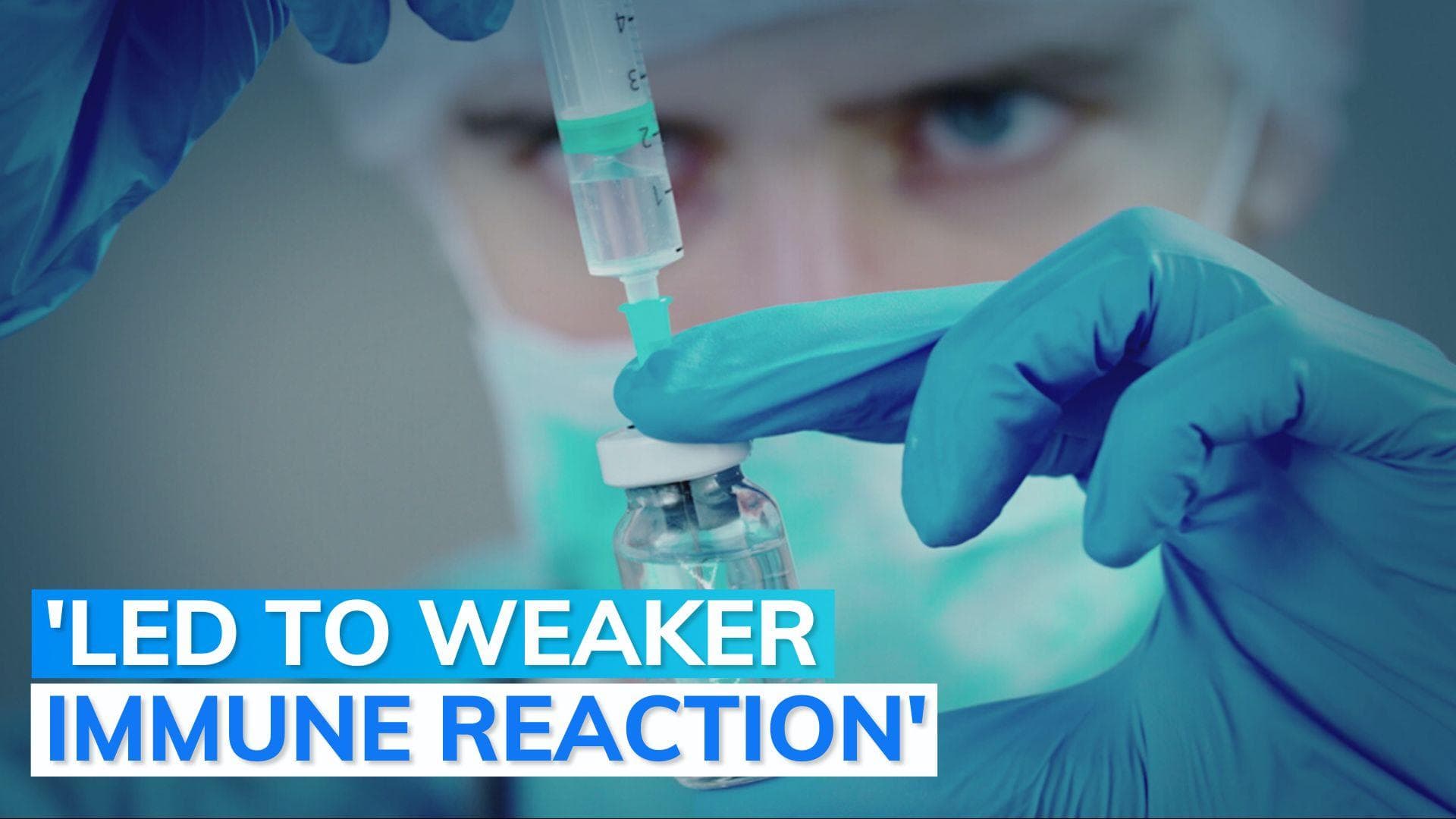
AstraZeneca's intranasally-administered vaccine against COVID-19 did not perform as expected in a small study published on Tuesday, suggesting there are likely to be challenges in making nasal sprays a reliable option.

The findings from a Phase 1 clinical trial, published in the journal eBioMedicine, show mucosal antibody responses were generated in a minority of participants.

Systemic immune responses, which involves many other immune cells, to intranasal vaccination were also weaker compared with intramuscular vaccination, the researchers said.

The study was performed in collaboration with the University of Oxford and used the same vaccine based on the ChAdOx1 adenovirus vector, as is already licensed for use by injection.

The ChAdOx1 vector used in the vaccine is a weakened version of a common cold virus (adenovirus) that has been genetically modified so it is impossible for it to replicate in humans.

The latest study is thought to be the first to have published data from administration of an adenovirus-vectored vaccine using a simple nasal spray.

The trial enrolled 30 previously unvaccinated participants to receive a primary dose of the intranasal vaccine.

Additionally, the researchers studied the feasibility of the intranasal vaccine as a booster. 12 participants, who had previously received a standard two-dose COVID-19 vaccine schedule by injection, were administered the intranasal vaccine.

The study found that the vaccine did not generate a consistent mucosal antibody nor a strong systemic immune response.

However, no serious adverse events or safety concerns were reported during the trial, the researchers said.

"The nasal spray did not perform as well in this study as we had hoped,” said Associate Professor Sandy Douglas, Chief Investigator of the trial at the University of Oxford.

“This was quite different from recent data from China, which has suggested good results can be achieved by delivery of a similar vaccine deep into the lungs with a more complex nebuliser device," Douglas said.

India last month gave emergency-use approval for Hyderabad-based Bharat Biotech's iNCOVACC, an intranasal antidote to virus that its makers termed "a global gamechanger".

The company claimed the vaccine was "safe, well-tolerated, and immunogenic" when compared to its own Covaxin in a phase III trial of over 3,000 participants across 14 sites in India.

"A nasal spray vaccine similar to ours has recently been approved for intranasal use in India and we are looking forward to the peer-reviewed publication of the clinical trial data used to support that,” Douglas said.

"We believe that delivery of vaccines to the nose and lungs remains a promising approach, but this study suggests there are likely to be challenges in making nasal sprays a reliable option," he added.

One possibility, the researchers explained, is simply that the majority of the nasal spray vaccine ends up being swallowed and destroyed in the stomach -- delivery to the lungs could avoid that.

A further challenge is that researchers don't fully understand the relationships between the strength and types of immune responses within the airways and protection against infection.

"We urgently need more research to develop vaccines which can block transmission of respiratory pandemic viruses using delivery routes which are safe and practical at large scale,” Douglas added.

Frequently Asked Questions

The study found that the intranasal vaccine did not generate a consistent mucosal antibody response, nor a strong systemic immune response, in the majority of participants.

ADVERTISEMENT

Up Next

AstraZeneca’s nasal Covid vaccine not as effective as expected: Study

AstraZeneca’s nasal Covid vaccine not as effective as expected: Study

Union minister says India's Covid vaccine programme more advanced than USA's
Union minister says India's Covid vaccine programme more advanced than USA's

Covid-19: minor drop in cases, deaths across India in 24 hours
Covid-19: minor drop in cases, deaths across India in 24 hours

Covid: India's daily new infections, active cases decline
Covid: India's daily new infections, active cases decline

Covid: India's active cases decline after nearly 70 days
Covid: India's active cases decline after nearly 70 days

Covid 19: India records 12,193 cases in last 24 hours

Covid 19: India records 12,193 cases in last 24 hours

ADVERTISEMENT

editorji-whatsApp

More videos

Covid surge: Centre asks states to keep strict vigil, take pre-emptive action
Covid surge: Centre asks states to keep strict vigil, take pre-emptive action

Tripura makes covid test mandatory for people arriving from states with high positivity rate

Tripura makes covid test mandatory for people arriving from states with high positivity rate

Covid: India sees slower rise in daily cases; 27 deaths in one day
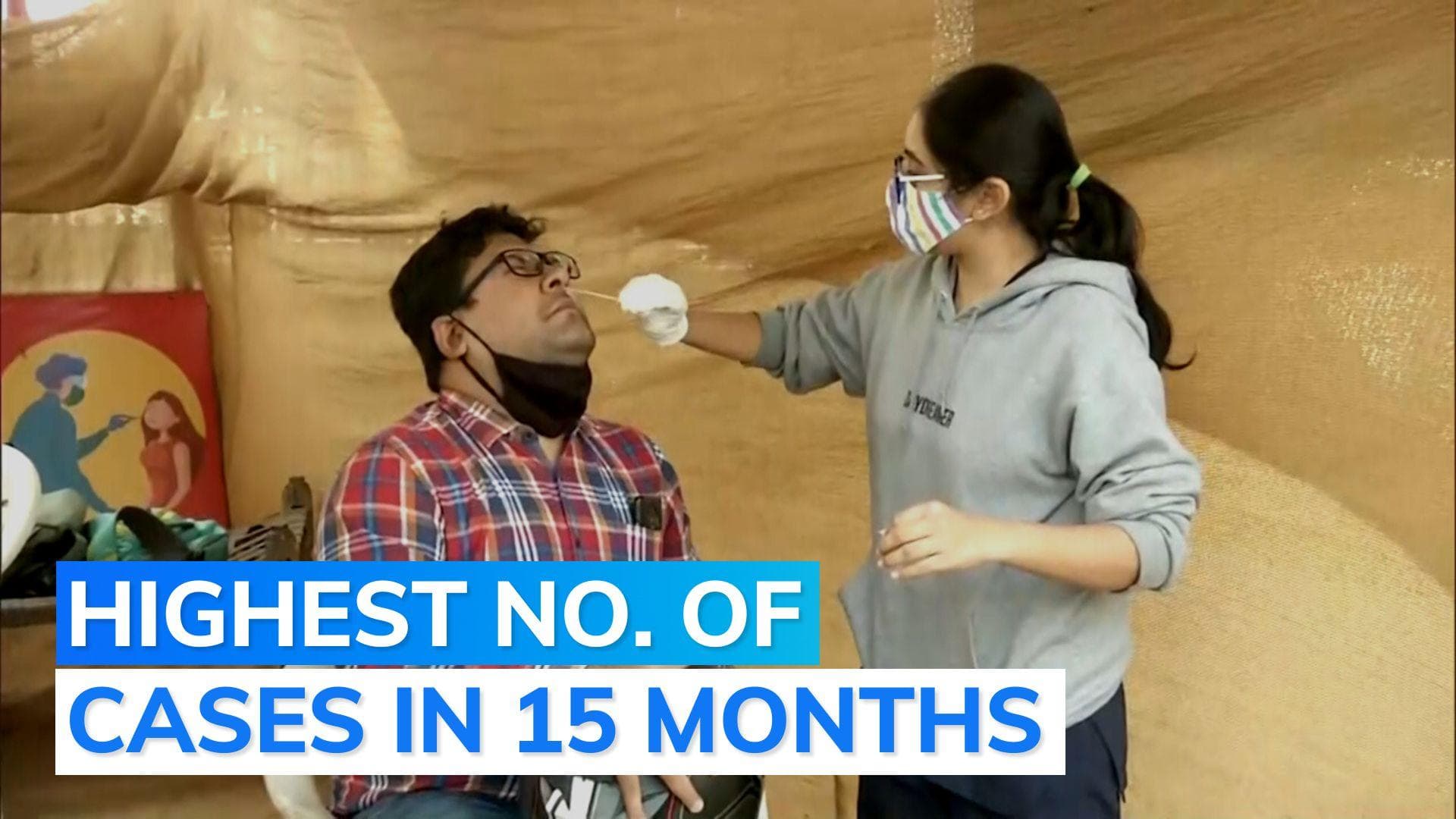
Covid: India sees slower rise in daily cases; 27 deaths in one day

Delhi adds 1,396 Covid cases, positivity rate mounts to 31.9 per cent

Delhi adds 1,396 Covid cases, positivity rate mounts to 31.9 per cent

Covid entering endemic stage in India, cases likely to subside after 10-12 days

Covid entering endemic stage in India, cases likely to subside after 10-12 days

Covid: USA ends 'national emergency' after over 3 years

Covid: USA ends 'national emergency' after over 3 years

Nationwide Covid-19 drills begin to assess preparedness as cases surge
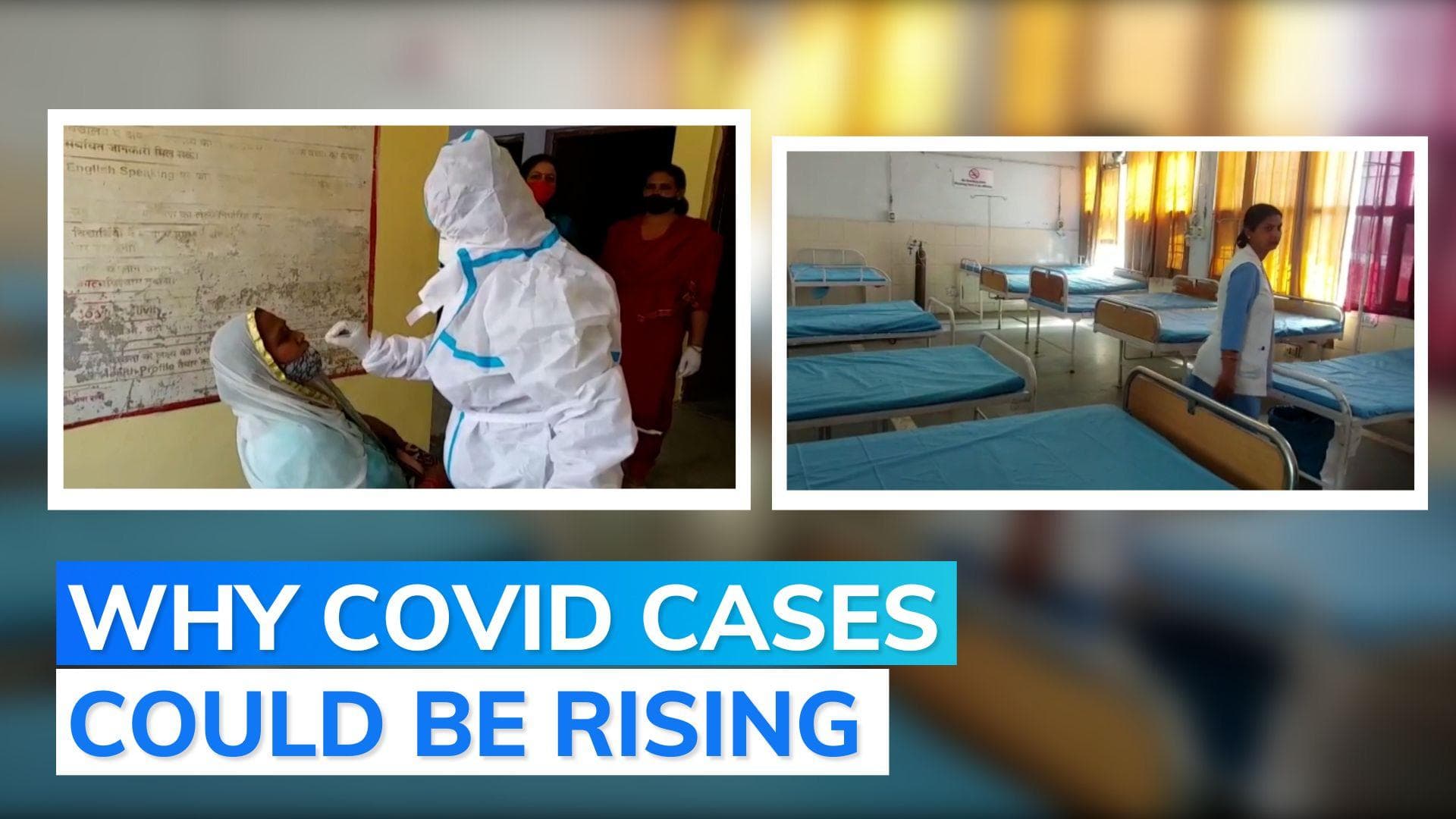
Nationwide Covid-19 drills begin to assess preparedness as cases surge

'The reason could be...': Indian Medical Association on surge in Covid-19 cases
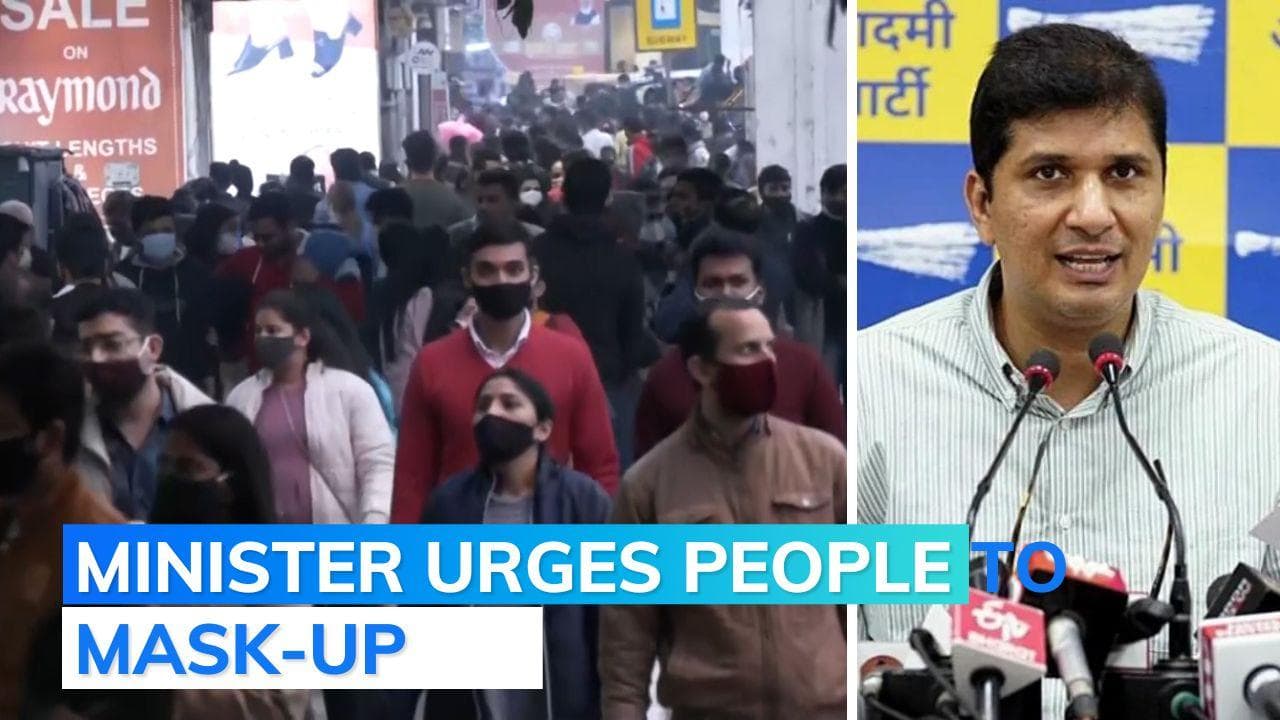
'The reason could be...': Indian Medical Association on surge in Covid-19 cases

Covid cases likely to rise in the coming days, says Delhi health minister Saurabh Bhardwaj

Covid cases likely to rise in the coming days, says Delhi health minister Saurabh Bhardwaj

Battling long-Covid, this US woman smelled coffee after over 2 years | Watch her 1st reaction

Battling long-Covid, this US woman smelled coffee after over 2 years | Watch her 1st reaction

Editorji Technologies Pvt. Ltd. © 2022 All Rights Reserved.