Highlights

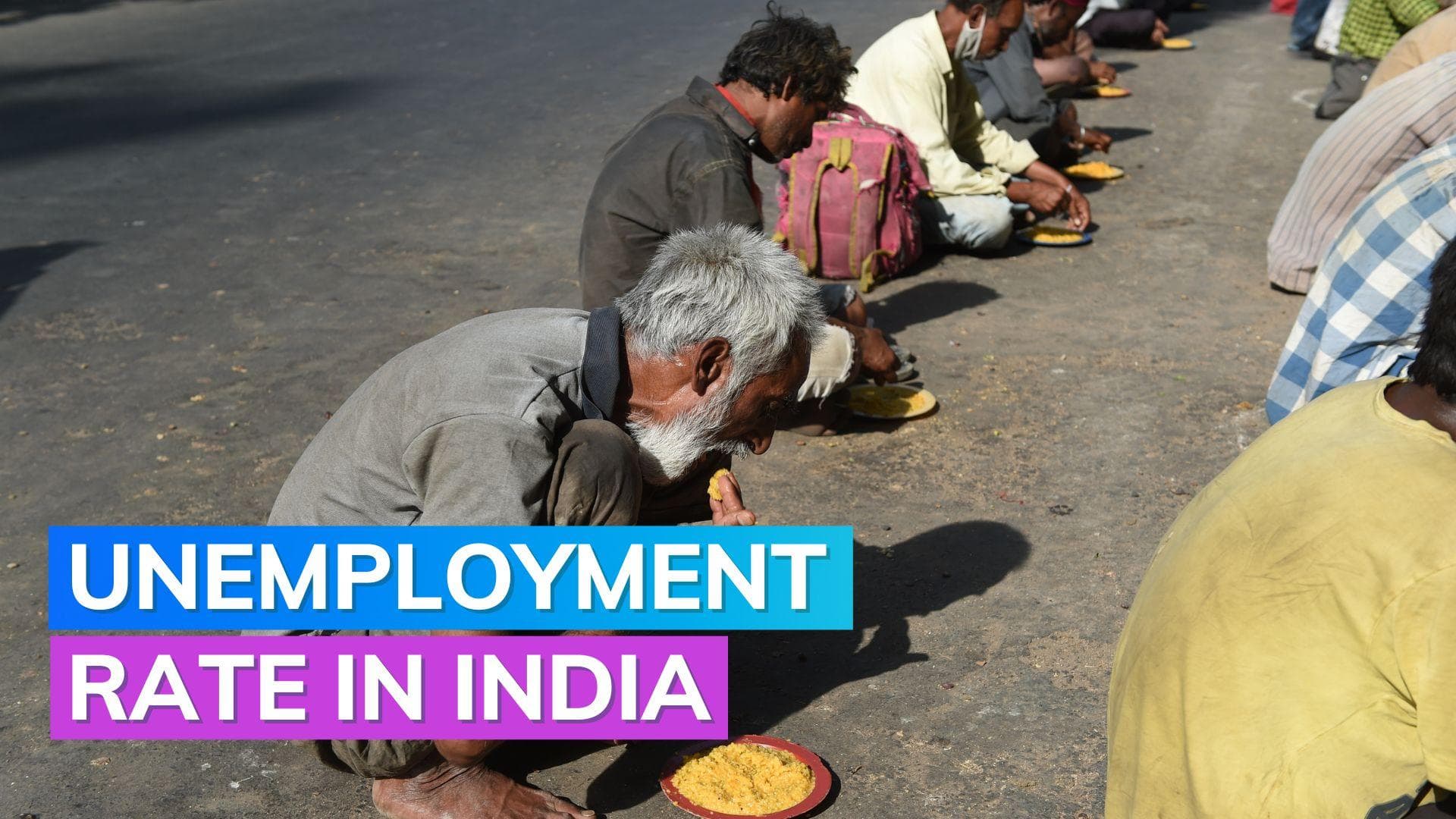
  • Joblessness was high in January-March 2022, mainly due to the staggering impact of Covid-related restrictions in the country
  • Joblessness or unemployment rate is defined as the percentage of unemployed persons in the labour force

Latest news

ASUS Announces Festive Discounts Across Laptops, Gaming PCs And Tablets

ASUS Announces Festive Discounts Across Laptops, Gaming PCs And Tablets

Priyanka Gandhi lies on ground, Rahul detained as Delhi Police stop INDIA bloc MPs' Jantar Mantar march

Priyanka Gandhi lies on ground, Rahul detained as Delhi Police stop INDIA bloc MPs' Jantar Mantar march

Emotion, tears as Messi retires from Argentina national team

Emotion, tears as Messi retires from Argentina national team

Rajpal Yadav tells CJI Surya Kant his legal troubles inspired film title ‘Solah Sawan Jhel Ke’

Rajpal Yadav tells CJI Surya Kant his legal troubles inspired film title ‘Solah Sawan Jhel Ke’

Arun Govil returns to ‘Ramayana’ as King Dashrath in new poster
Arun Govil returns to ‘Ramayana’ as King Dashrath in new poster

Sensex falls 429 points, Nifty slips 173 points after RBI rate hike

Sensex falls 429 points, Nifty slips 173 points after RBI rate hike

RBI raises repo rate by 25 bps to 5.50%, shifts policy towards tightening

RBI raises repo rate by 25 bps to 5.50%, shifts policy towards tightening

AAP stages ‘vote theft’ protest in Delhi, workers stopped by police barricades

AAP stages ‘vote theft’ protest in Delhi, workers stopped by police barricades

Unemployment in India: rate dips to 6.8% in January-March 2023 shows govt survey

The unemployment rate in July-September 2022 and October-December 2022 was 7.2 per cent only. It was 7.6 per cent in April-June 2022

Unemployment in India: rate dips to 6.8% in January-March 2023 shows govt survey

The unemployment rate for persons aged 15 years and above in urban areas declined to 6.8 per cent during January-March 2023 from 8.2 per cent a year ago, the National Sample Survey Survey (NSSO) showed.

Joblessness or unemployment rate is defined as the percentage of unemployed persons in the labour force.

Joblessness was high in January-March 2022, mainly due to the staggering impact of Covid-related restrictions in the country.

The unemployment rate in July-September 2022 and October-December 2022 was 7.2 per cent only. It was 7.6 per cent in April-June 2022.

The unemployment rate (UR) for persons aged 15 years and above in April-June 2022 was 7.6 per cent in urban areas, the 18th Periodic Labour Force Survey (PLFS) showed.

In January-March 2022, the unemployment rate was 8.2 per cent.

It also showed that the unemployment rate among females (aged 15 years and above) in urban areas declined to 9.2 per cent in January-March 2023 from 10.1 per cent in the same quarter a year ago. It was 9.6 per cent in October-December 2022, 9.4 per cent in July-September 2022 and 9.5 per cent in April-June 2022.

Among males, the unemployment rate in urban areas dipped to six per cent in January-March 2023 compared to 7.7 per cent in the same quarter a year ago. It was 6.5 per cent in October-December 2022, 6.6 per cent in July-September 2022 and 7.1 per cent in April-June 2022.

Labour force participation rate in CWS (Current Weekly Status) in urban areas for persons aged 15 years and above increased to 48.5 per cent in the January-March quarter of 2023, from 47.3 per cent in the same period a year ago. It was 48.2 per cent in October-December 2022, 47.9 per cent in July-September 2022 and 47.5 per cent in April-June 2022.

Labour force refers to the part of the population, which supplies or offers to supply labour for pursuing economic activities for the production of goods and services and, therefore, includes both employed and unemployed persons.

NSSO launched PLFS in April 2017. On the basis of PLFS, a quarterly bulletin is brought out giving estimates of labour force indicators namely unemployment rate, Worker Population Ratio (WPR), Labour Force Participation Rate (LFPR), distribution of workers by broad status in employment and industry of work in CWS.

The estimates of unemployed persons in CWS give an average picture of unemployment in a short span of seven days during the survey period. In the CWS approach, a person is considered unemployed if he/she did not work even for one hour on any day during the week but sought or was available for work at least for one hour on any day during the period.

Labour force, according to CWS, is the number of persons either employed or unemployed on average in a week preceding the date of the survey. LFPR is defined as the percentage of the population in the labour force.

The WPR (in per cent) in CWS in urban areas for persons aged 15 years and above stood at 45.2 per cent in January-March 2023, up from 43.4 per cent in the same period a year ago. It was 44.7 per cent in October-December 2022, 44.5 per cent in July-September 2022 and 43.9 per cent in April-June, 2022.

The present quarterly bulletin is the eighteenth in the series for the quarter January-March 2023.

Frequently Asked Questions

The unemployment rate in urban areas of India in January-March 2023 was 6.8%.

ADVERTISEMENT

Up Next

Unemployment in India: rate dips to 6.8% in January-March 2023 shows govt survey

Unemployment in India: rate dips to 6.8% in January-March 2023 shows govt survey

Sensex falls 429 points, Nifty slips 173 points after RBI rate hike

Sensex falls 429 points, Nifty slips 173 points after RBI rate hike

RBI raises repo rate by 25 bps to 5.50%, shifts policy towards tightening

RBI raises repo rate by 25 bps to 5.50%, shifts policy towards tightening

GST rates likely unchanged as 57th Council meeting focuses on reforms
GST rates likely unchanged as 57th Council meeting focuses on reforms

Sensex gains 685 points, Nifty rises 220 points to cross 22,700
Sensex gains 685 points, Nifty rises 220 points to cross 22,700

Sensex gains 473 points, Nifty rises 134 points as markets stage recovery

Sensex gains 473 points, Nifty rises 134 points as markets stage recovery

ADVERTISEMENT

editorji-whatsApp

More videos

India To Grow 7% In FY27, Next Growth Phase Hinges On Infra, Deeper Capital Markets: S&P Global
India To Grow 7% In FY27, Next Growth Phase Hinges On Infra, Deeper Capital Markets: S&P Global

Sensex Falls 49 Points, Nifty Slips 96 As Selling Pressure Returns
Sensex Falls 49 Points, Nifty Slips 96 As Selling Pressure Returns

Sensex falls 243 points, Nifty slips 64 points as foreign outflows and crude prices weigh

Sensex falls 243 points, Nifty slips 64 points as foreign outflows and crude prices weigh

India launches anti-dumping probes into 7 Chinese products, including key pharma ingredients
India launches anti-dumping probes into 7 Chinese products, including key pharma ingredients

Sensex crashes 1,124 points, Nifty falls 1.56% as crude surges above $107
Sensex crashes 1,124 points, Nifty falls 1.56% as crude surges above $107

Sensex Rises 315 Points, Nifty Gains 77 as Markets Recover After Sharp Sell-Off
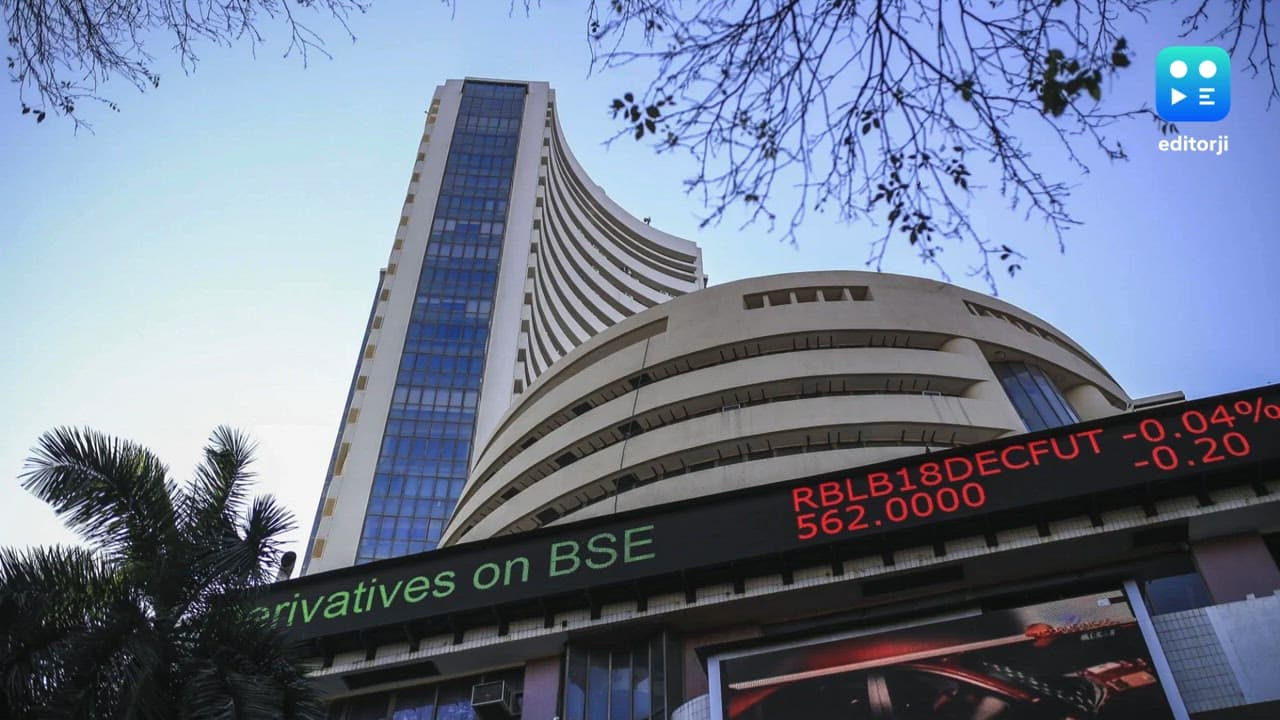
Sensex Rises 315 Points, Nifty Gains 77 as Markets Recover After Sharp Sell-Off

Sensex Crashes 1,248 Points, Nifty Falls 1.64% Amid Global Cues
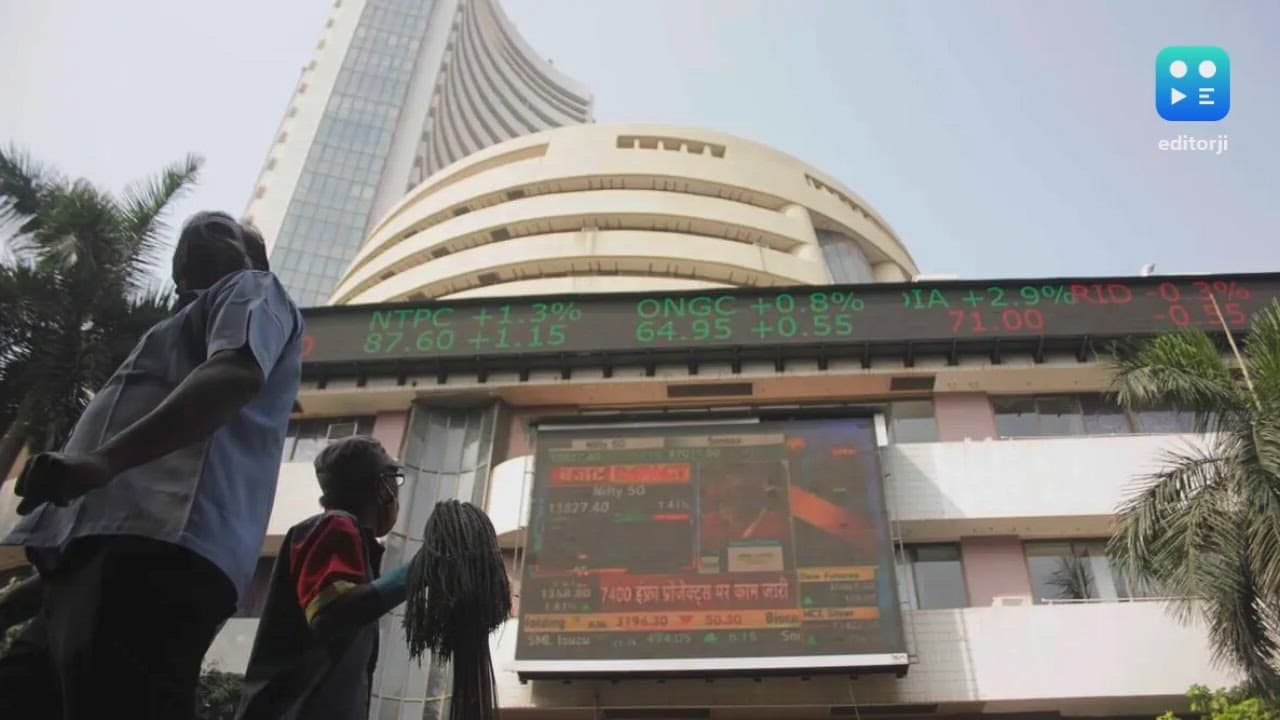
Sensex Crashes 1,248 Points, Nifty Falls 1.64% Amid Global Cues

Sensex, Nifty End Higher As Domestic Growth Signals, Softer Crude Support Sentiment

Sensex, Nifty End Higher As Domestic Growth Signals, Softer Crude Support Sentiment

UPI Payments In Uzbekistan: Indian Travellers To Get QR-Based Payment Option
UPI Payments In Uzbekistan: Indian Travellers To Get QR-Based Payment Option

India’s Q1 GDP Growth Hits 7.8%, Beats RBI Estimate

India’s Q1 GDP Growth Hits 7.8%, Beats RBI Estimate

Editorji Technologies Pvt. Ltd. © 2022 All Rights Reserved.