


Highlights
- France's top 40 listed companies, or CAC 40, earned an average of 130 times more than their employees in 2022
- From 2019 to 2022, worker salaries in these companies rose by 9%, while CEO pay jumped by a whopping 27%
Latest news
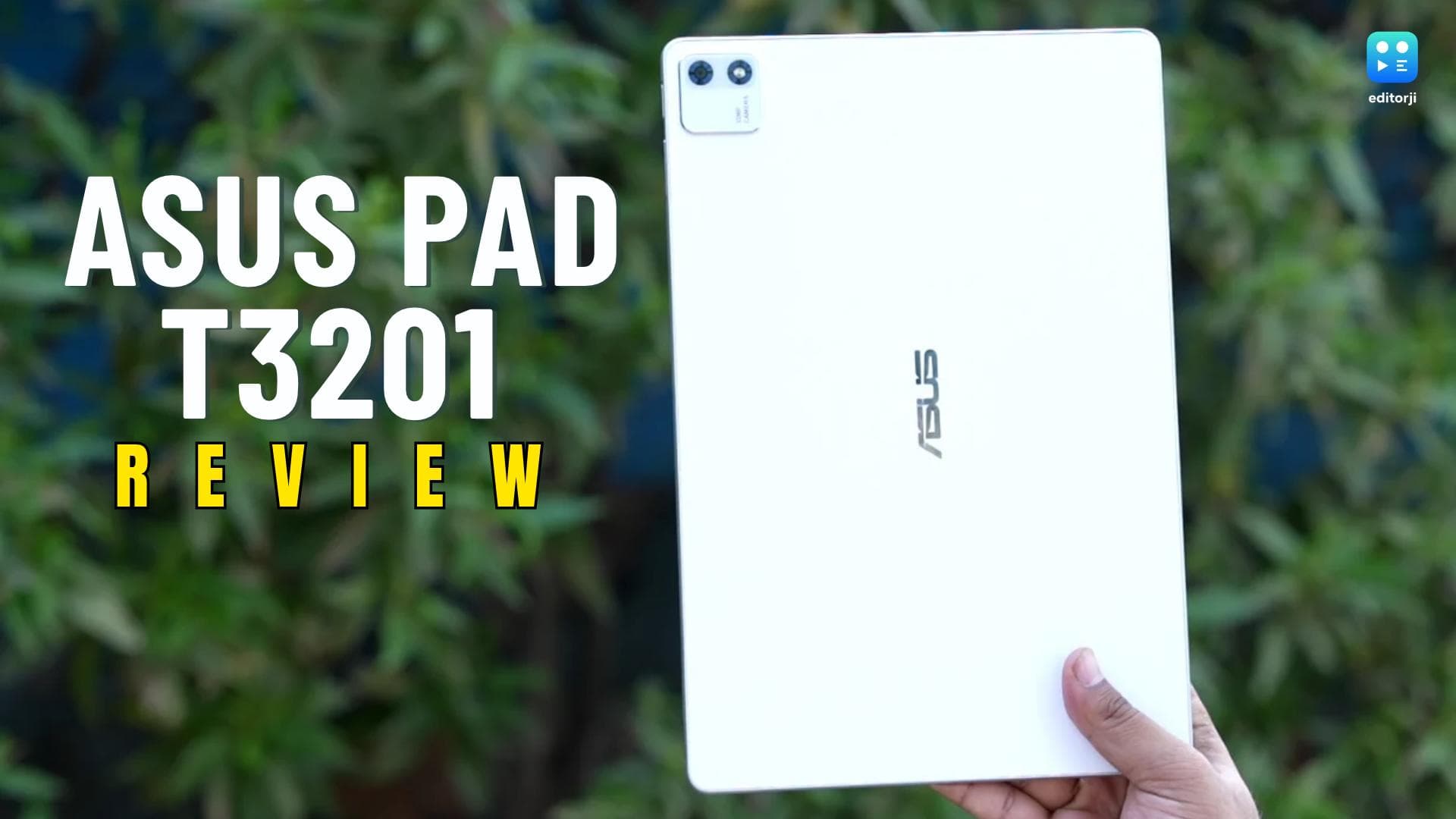
Asus Pad T3201 Review: OLED Brilliance Meets Everyday Mid-Range Power

Qualcomm Showcases Snapdragon 8 Elite Gen 6 Chips At IMC 2026, Teases New Flagships

Shokz Diwali Sale Brings Discounts On Open-Ear Headphones Across Amazon And Flipkart

iQOO 16 Confirmed For India With Snapdragon 8 Elite Extreme Gen 6 And OriginOS 7

ASUS Announces Festive Discounts Across Laptops, Gaming PCs And Tablets

Priyanka Gandhi lies on ground, Rahul detained as Delhi Police stop INDIA bloc MPs' Jantar Mantar march

Emotion, tears as Messi retires from Argentina national team

Rajpal Yadav tells CJI Surya Kant his legal troubles inspired film title ‘Solah Sawan Jhel Ke’
The Great Pay Divide: Why CEO Salaries Are Skyrocketing While Worker Wages Stagnate



Frequently Asked Questions
Up Next
The Great Pay Divide: Why CEO Salaries Are Skyrocketing While Worker Wages Stagnate
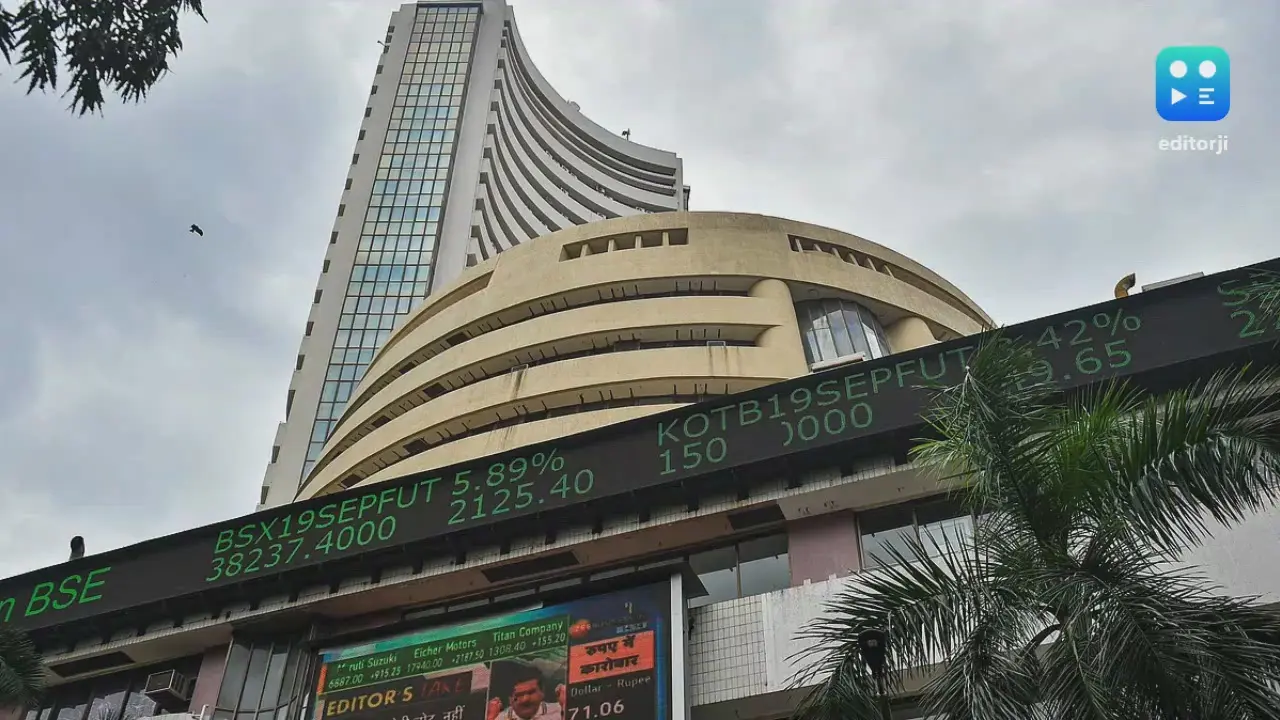
Sensex falls 429 points, Nifty slips 173 points after RBI rate hike

RBI raises repo rate by 25 bps to 5.50%, shifts policy towards tightening
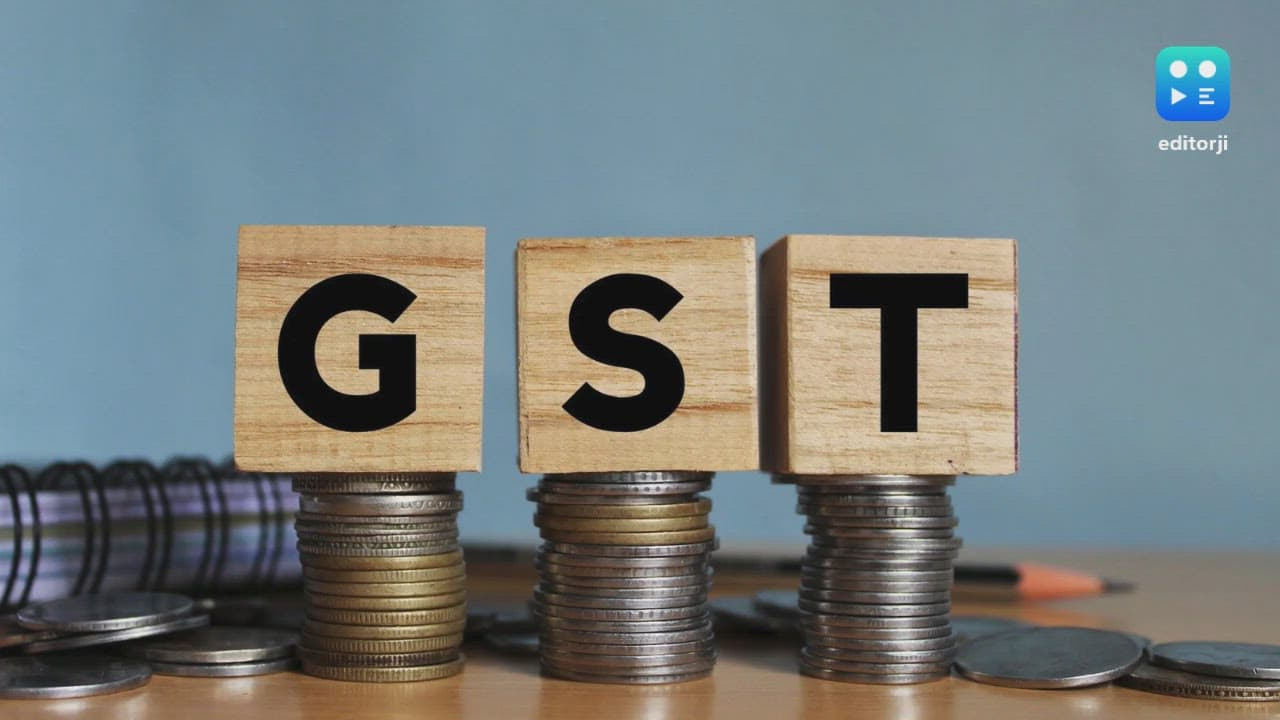
GST rates likely unchanged as 57th Council meeting focuses on reforms
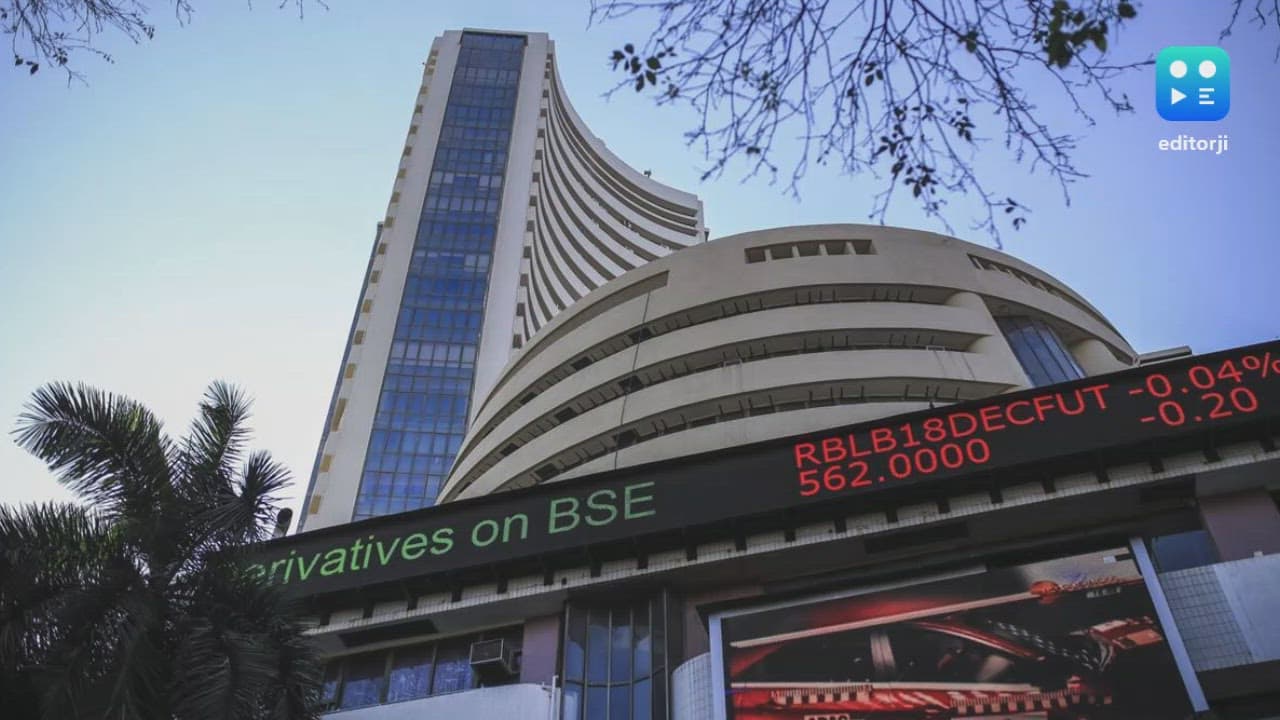
Sensex gains 685 points, Nifty rises 220 points to cross 22,700
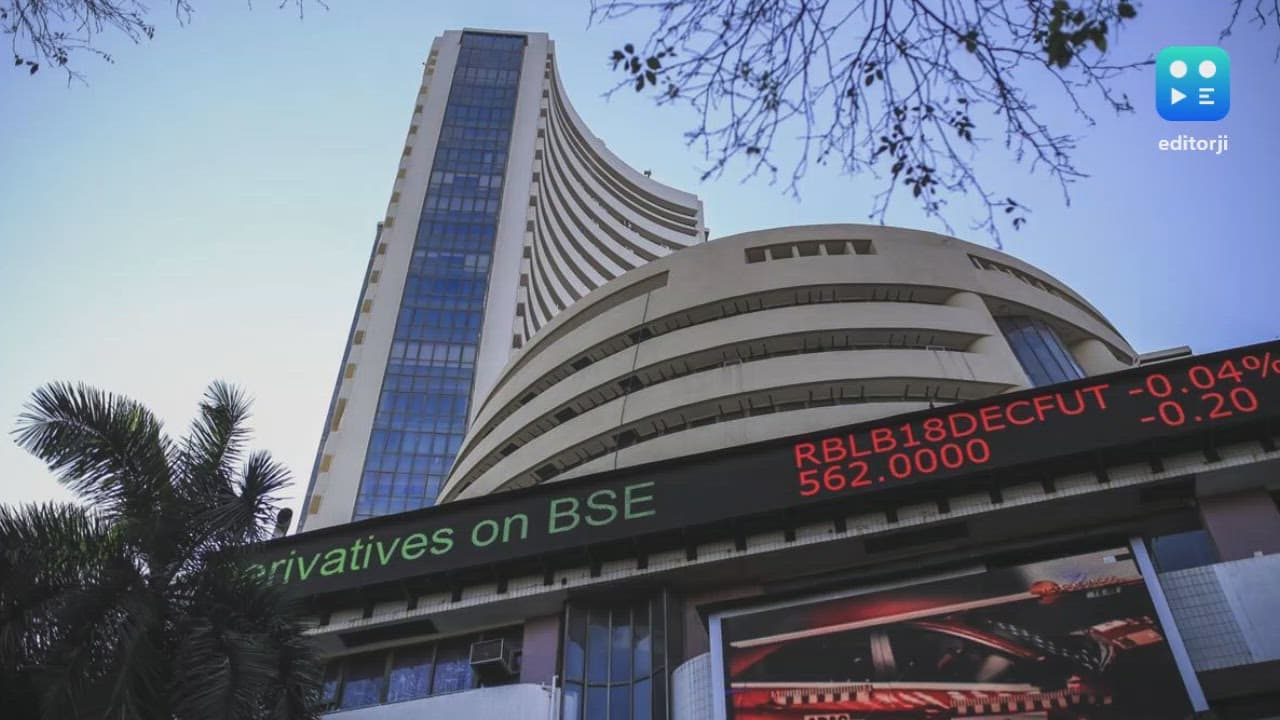
Sensex gains 473 points, Nifty rises 134 points as markets stage recovery

More videos
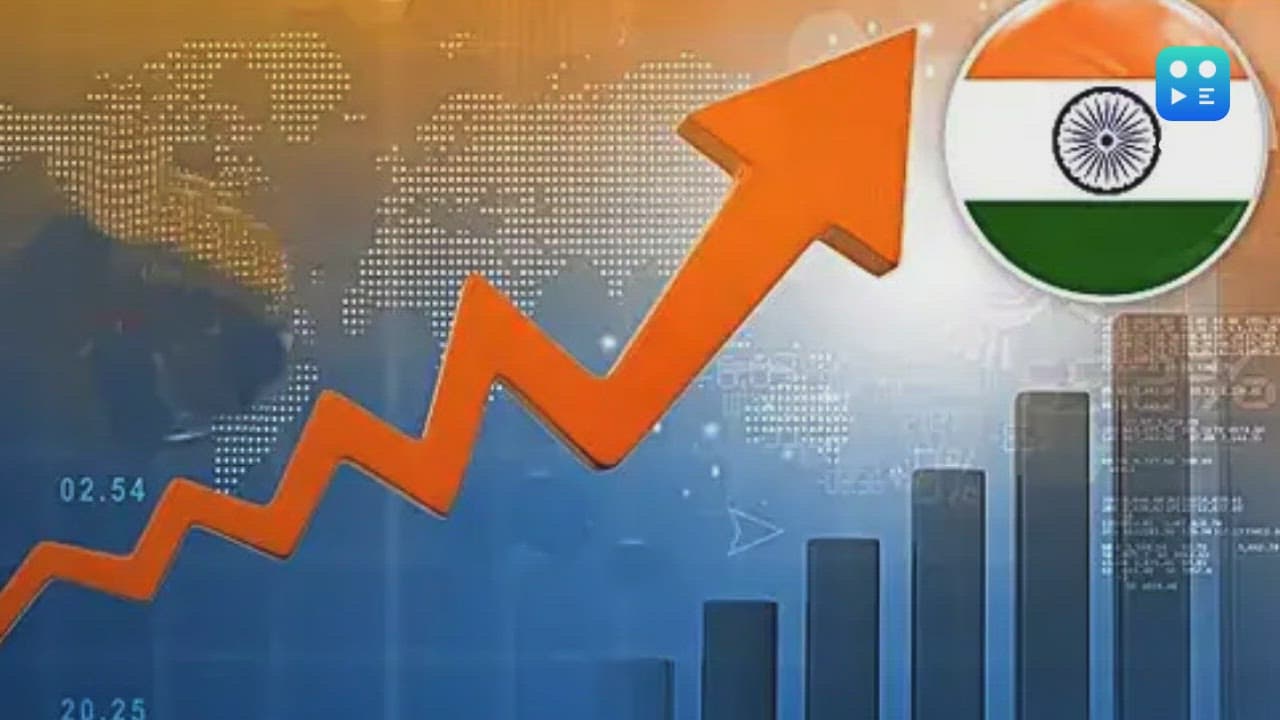
India To Grow 7% In FY27, Next Growth Phase Hinges On Infra, Deeper Capital Markets: S&P Global
Sensex Falls 49 Points, Nifty Slips 96 As Selling Pressure Returns
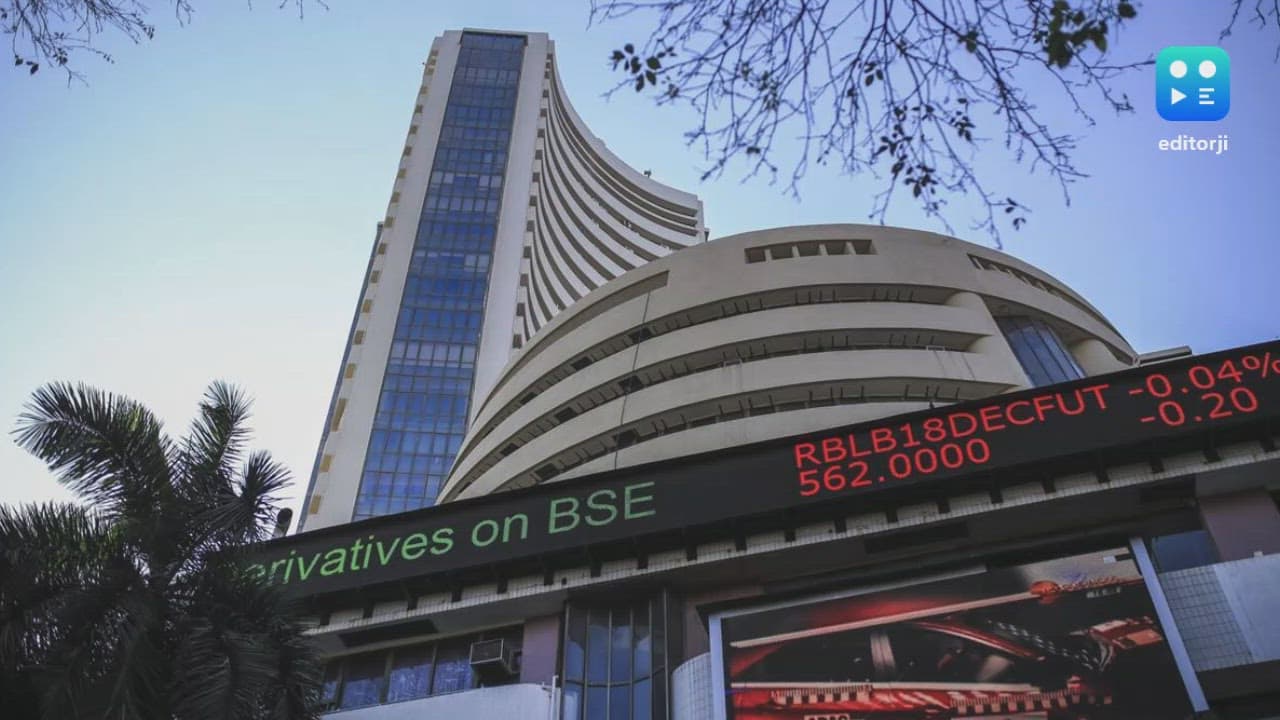
Sensex falls 243 points, Nifty slips 64 points as foreign outflows and crude prices weigh

India launches anti-dumping probes into 7 Chinese products, including key pharma ingredients
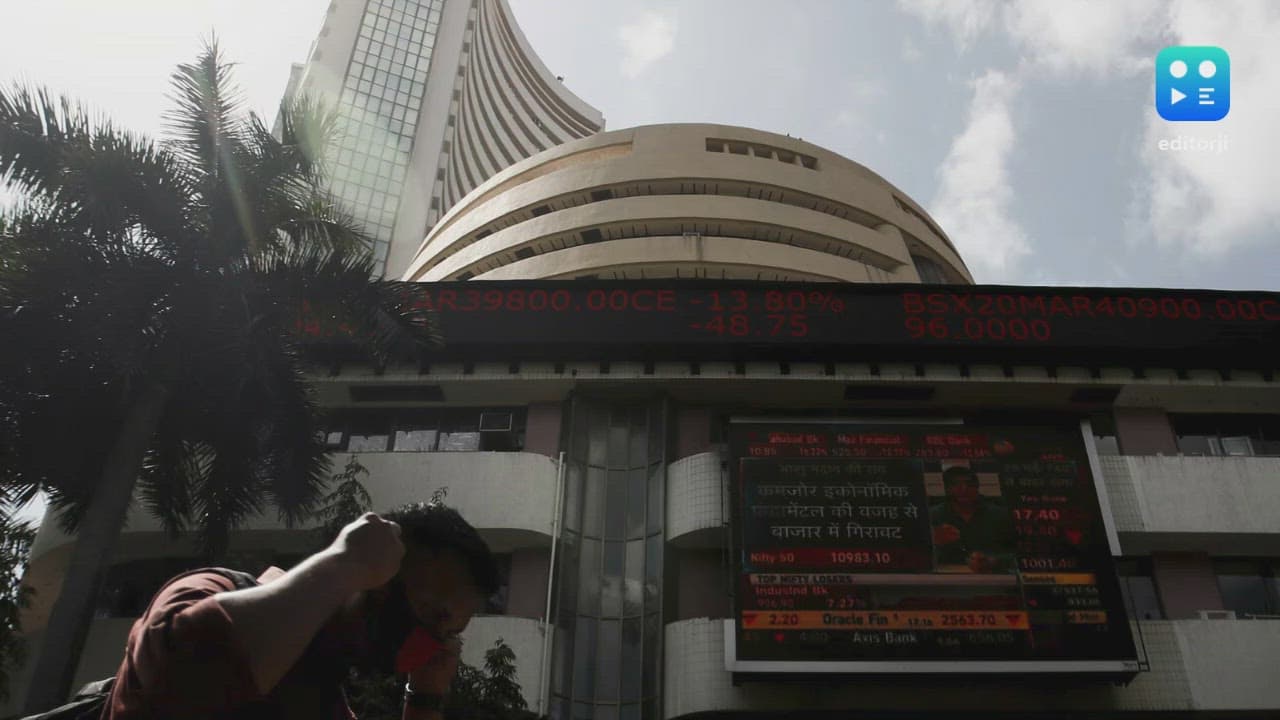
Sensex crashes 1,124 points, Nifty falls 1.56% as crude surges above $107
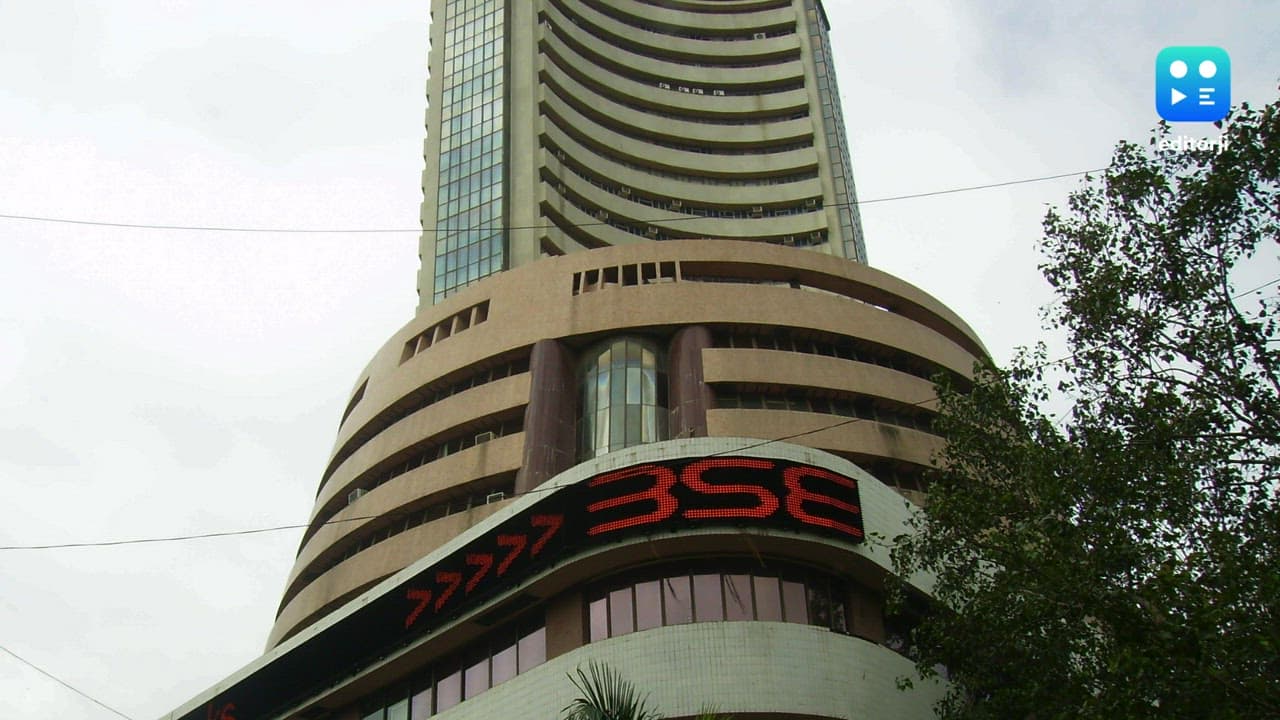
Sensex Rises 315 Points, Nifty Gains 77 as Markets Recover After Sharp Sell-Off
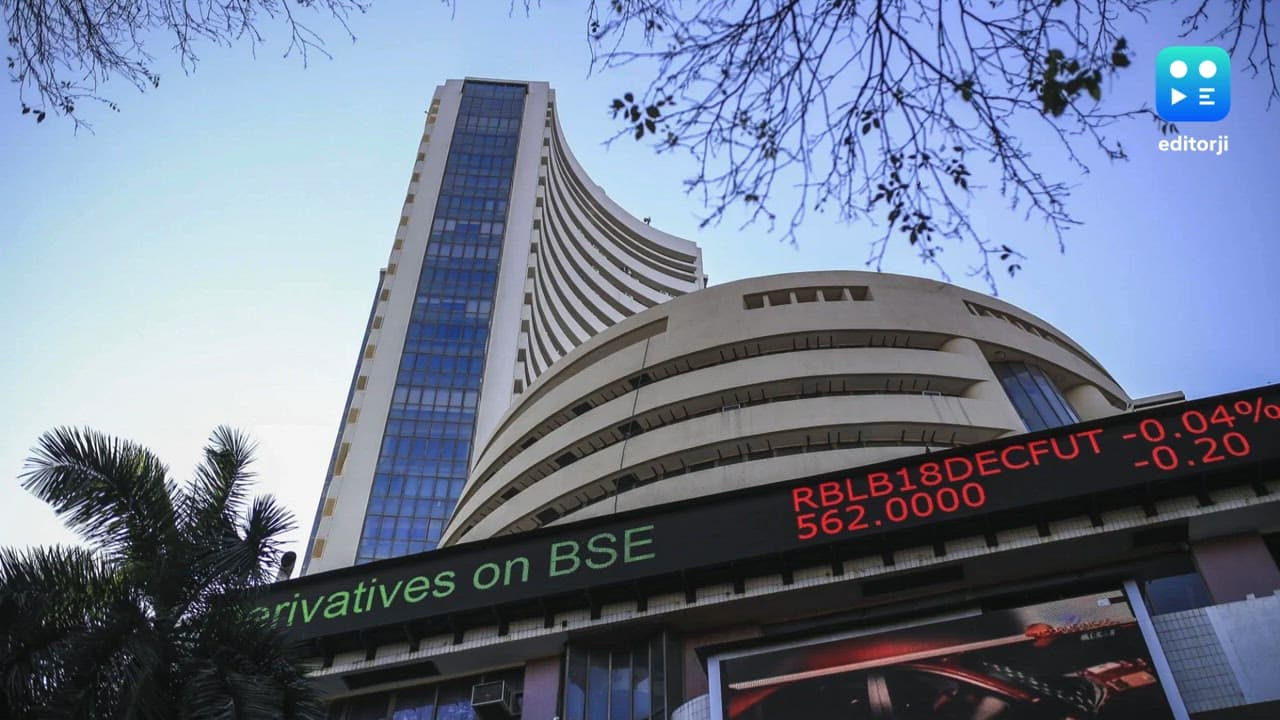
Sensex Crashes 1,248 Points, Nifty Falls 1.64% Amid Global Cues
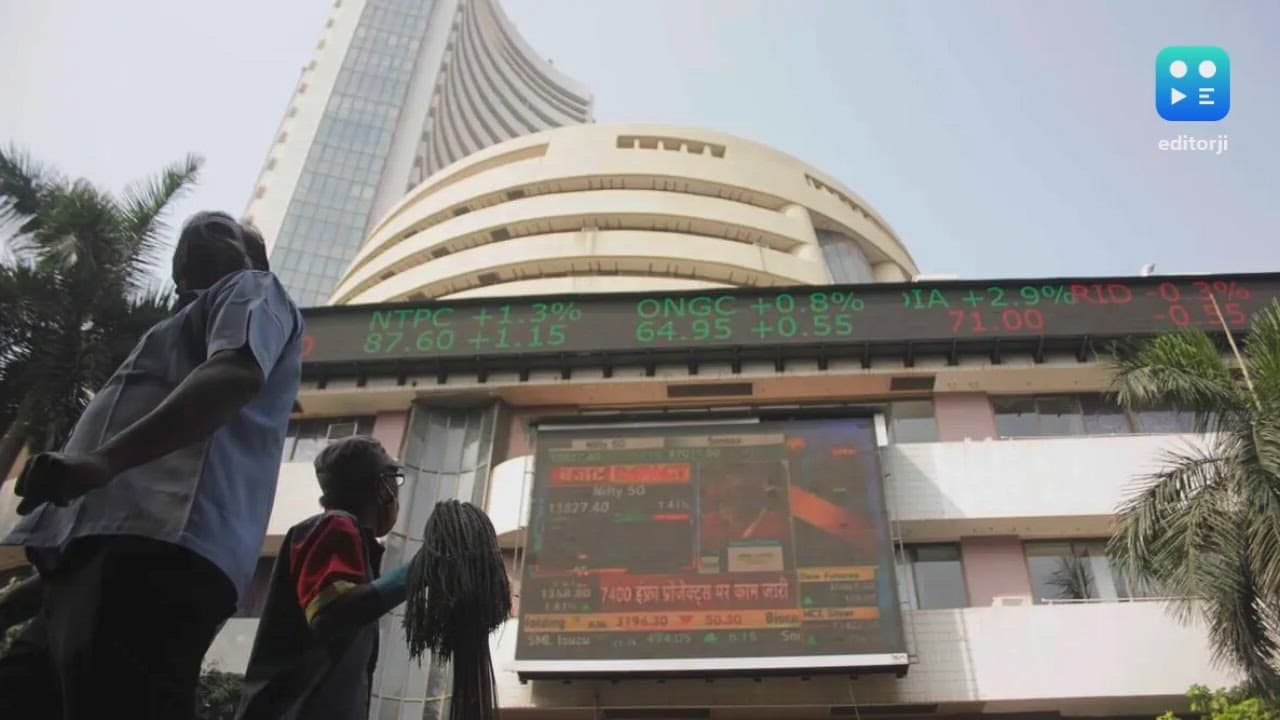
Sensex, Nifty End Higher As Domestic Growth Signals, Softer Crude Support Sentiment

UPI Payments In Uzbekistan: Indian Travellers To Get QR-Based Payment Option
India’s Q1 GDP Growth Hits 7.8%, Beats RBI Estimate