Highlights

  • A yield curve plots interest rates and maturity of same quality bonds

Latest news

From Silent Retreats to Solo Trips: What Indians Are Googling About Travel

From Silent Retreats to Solo Trips: What Indians Are Googling About Travel

How to Open an FD Account and Choose the Right Deposit Amount, Tenure and Interest Payout Option

How to Open an FD Account and Choose the Right Deposit Amount, Tenure and Interest Payout Option

Credit Card Cash Withdrawal: Charges You Must Know Before You Swipe

Credit Card Cash Withdrawal: Charges You Must Know Before You Swipe

A New Chapter in PCs: NVIDIA RTX Spark PCs Launched in India Starting at ₹2.99 Lakh

A New Chapter in PCs: NVIDIA RTX Spark PCs Launched in India Starting at ₹2.99 Lakh

From Toy Faces To Lucky Charms, DailyObjects’ New Cases Put Art On iPhones

From Toy Faces To Lucky Charms, DailyObjects’ New Cases Put Art On iPhones

Why Retirement Planning is Shifting From Wealth Accumulation to Income Sustainability

Why Retirement Planning is Shifting From Wealth Accumulation to Income Sustainability

OPPO 45W 20000mAh Power Bank Review: No Mess, Fast Speeds, Real Value 

OPPO 45W 20000mAh Power Bank Review: No Mess, Fast Speeds, Real Value 

One in Three Laptop Buyers Wants to Upgrade for AI; 24% Are Open to Snapdragon, Survey Finds

One in Three Laptop Buyers Wants to Upgrade for AI; 24% Are Open to Snapdragon, Survey Finds

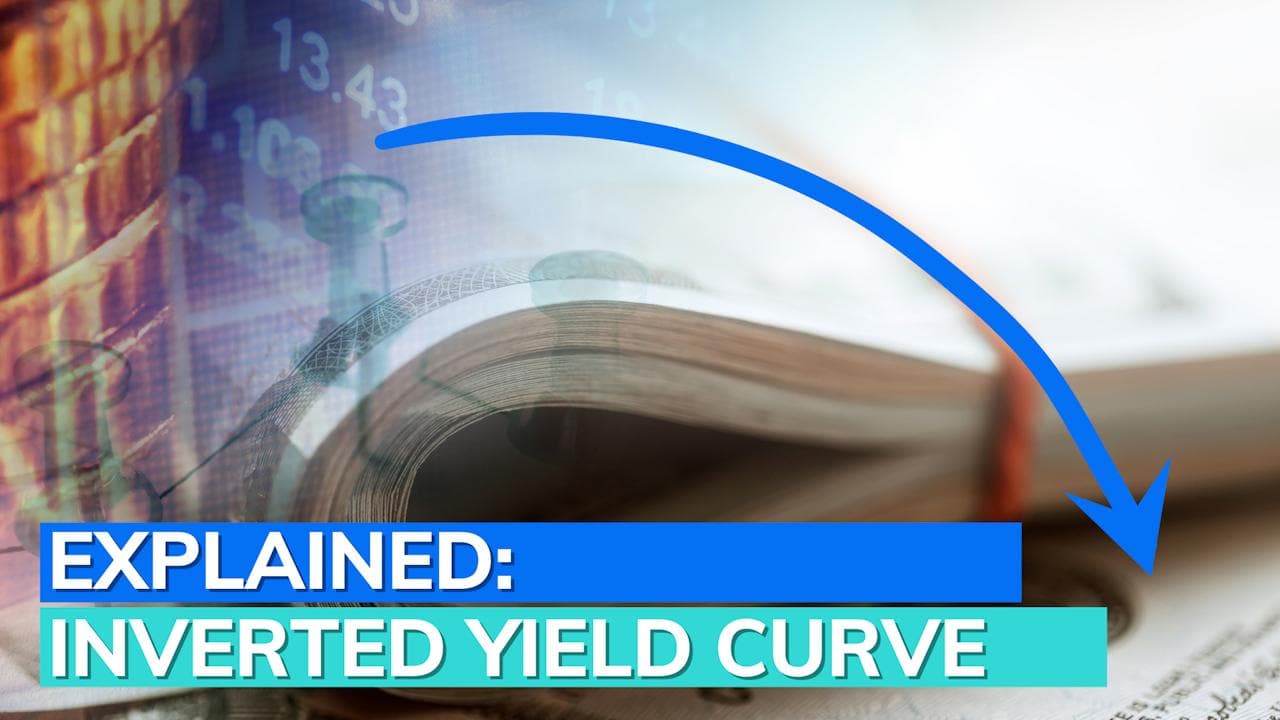
Explained: Recession risks and why should we care about an inverted yield curve

Bond and bond yields are inversely proportional to each other, meaning that when the demand for a specific bond rises, its yield drops.

Explained: Recession risks and why should we care about an inverted yield curve

Economists have been citing the inverted yield curve a lot these days as they predict a possible recession. But what is inverted yield and how does it predict a recession?

First, we will understand what is yield.

A yield is a return that a bond investor gets. Bond and bond yields are inversely proportional to each other, meaning that when the demand for a specific bond rises, its yield drops.

Basically, high demand means low yields; low demand means high yields.

In a normal case, yields on longer-term maturity bonds are higher than that of shorter-term bonds.

An inverted yield curve is a situation when the yields on short-term debt become more than the long-term debt.

In an easy language, this reflects a shift in demand from short-term credit to long-term credit. This happens when the big money sees riskier conditions in the near term. Hence, reflecting a recession or an economic downturn in the upcoming months.

This conversation comes into the spotlight as in the US the 2-year rate jumped more than 10 basis points to 3.1535%, reaching its highest level since 2007 inching towards the benchmark 10-year Treasury yield at about 3.1762. Just ahead of the Fed meet the yields are starting to signal at the economic winter is just around the corner this summer.

Frequently Asked Questions

A yield is a return that a bond investor gets. Bond and bond yields are inversely proportional to each other, meaning that when the demand for a specific bond rises, its yield drops.

ADVERTISEMENT

Up Next

Explained: Recession risks and why should we care about an inverted yield curve

Explained: Recession risks and why should we care about an inverted yield curve

How to Open an FD Account and Choose the Right Deposit Amount, Tenure and Interest Payout Option

How to Open an FD Account and Choose the Right Deposit Amount, Tenure and Interest Payout Option

Credit Card Cash Withdrawal: Charges You Must Know Before You Swipe

Credit Card Cash Withdrawal: Charges You Must Know Before You Swipe

Why Retirement Planning is Shifting From Wealth Accumulation to Income Sustainability

Why Retirement Planning is Shifting From Wealth Accumulation to Income Sustainability

How Does a Critical Illness Policy Work? Coverage, Claims & Benefits Explained
How Does a Critical Illness Policy Work? Coverage, Claims & Benefits Explained

Sensex Falls 252 Points, Nifty Slips as Crude Oil Tops $106

Sensex Falls 252 Points, Nifty Slips as Crude Oil Tops $106

ADVERTISEMENT

editorji-whatsApp

More videos

Sensex Jumps Over 1,100 Points, Nifty Gains 1.6% as IT Stocks Rally
Sensex Jumps Over 1,100 Points, Nifty Gains 1.6% as IT Stocks Rally

Sensex falls 429 points, Nifty slips 173 points after RBI rate hike

Sensex falls 429 points, Nifty slips 173 points after RBI rate hike

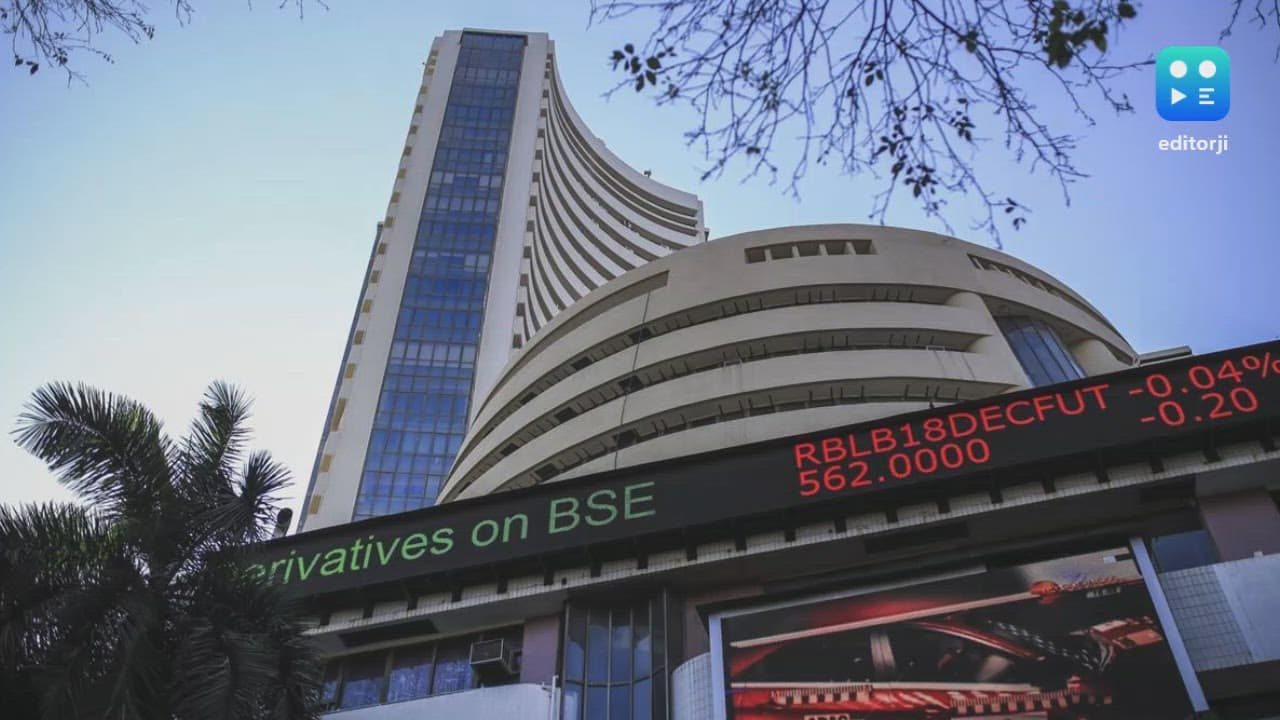
RBI raises repo rate by 25 bps to 5.50%, shifts policy towards tightening
RBI raises repo rate by 25 bps to 5.50%, shifts policy towards tightening

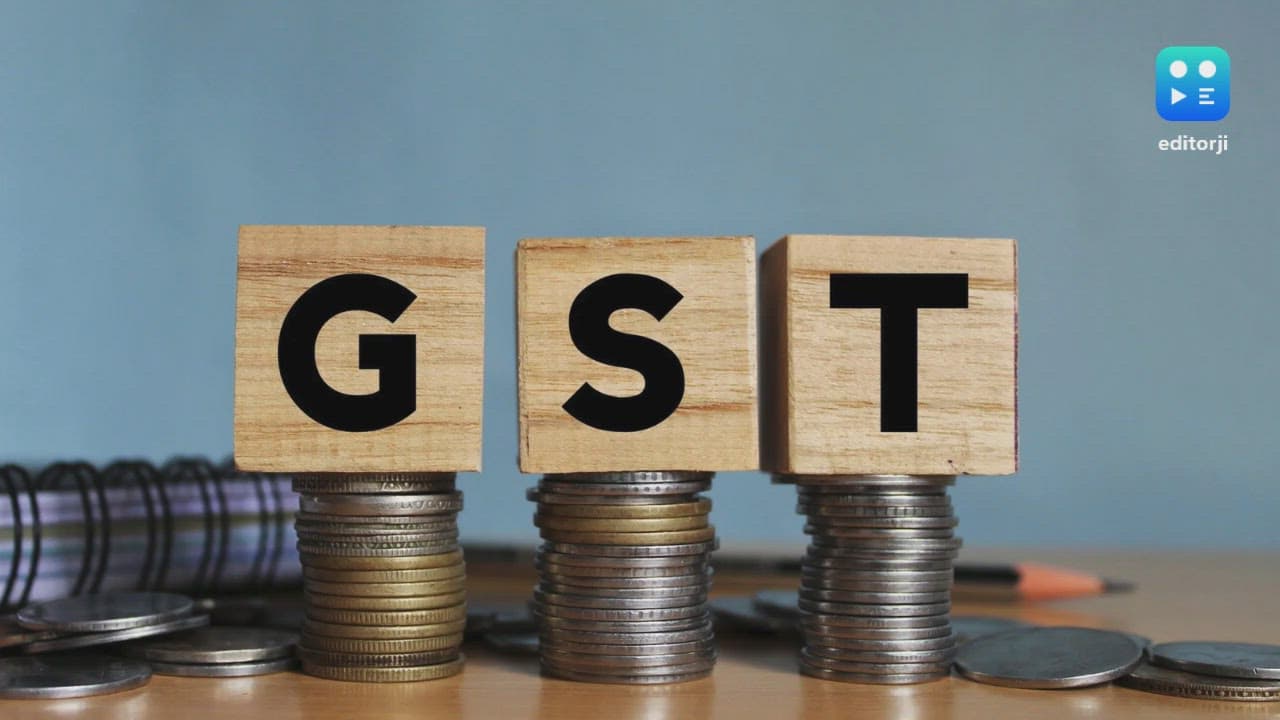
GST rates likely unchanged as 57th Council meeting focuses on reforms
GST rates likely unchanged as 57th Council meeting focuses on reforms

Sensex gains 685 points, Nifty rises 220 points to cross 22,700
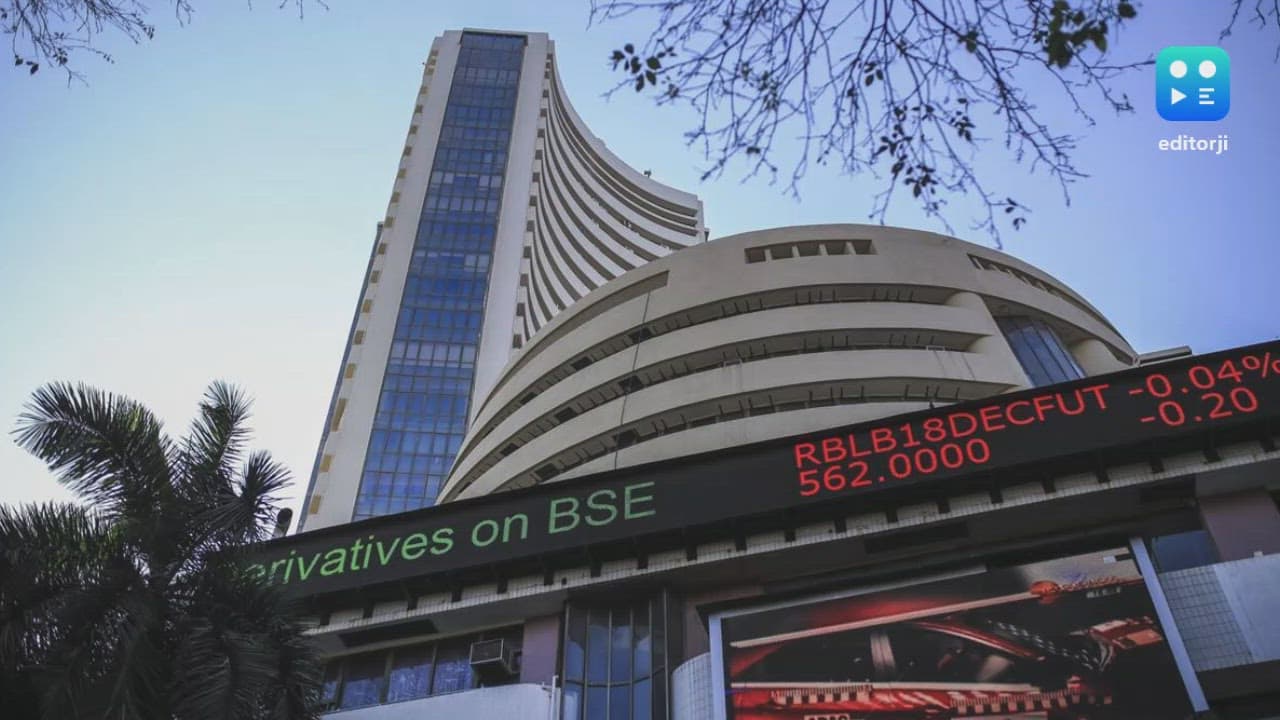
Sensex gains 685 points, Nifty rises 220 points to cross 22,700

Sensex gains 473 points, Nifty rises 134 points as markets stage recovery

Sensex gains 473 points, Nifty rises 134 points as markets stage recovery

India To Grow 7% In FY27, Next Growth Phase Hinges On Infra, Deeper Capital Markets: S&P Global
India To Grow 7% In FY27, Next Growth Phase Hinges On Infra, Deeper Capital Markets: S&P Global

Sensex Falls 49 Points, Nifty Slips 96 As Selling Pressure Returns
Sensex Falls 49 Points, Nifty Slips 96 As Selling Pressure Returns

Sensex falls 243 points, Nifty slips 64 points as foreign outflows and crude prices weigh

Sensex falls 243 points, Nifty slips 64 points as foreign outflows and crude prices weigh

India launches anti-dumping probes into 7 Chinese products, including key pharma ingredients

India launches anti-dumping probes into 7 Chinese products, including key pharma ingredients

Editorji Technologies Pvt. Ltd. © 2022 All Rights Reserved.