


Highlights
- Taliban's diktat to cover mannequins's head in dress shops
- The diktat add to the woes of shopkeepers as sales plunge
- Afghanistan reeling under sever economic hardship
Latest news
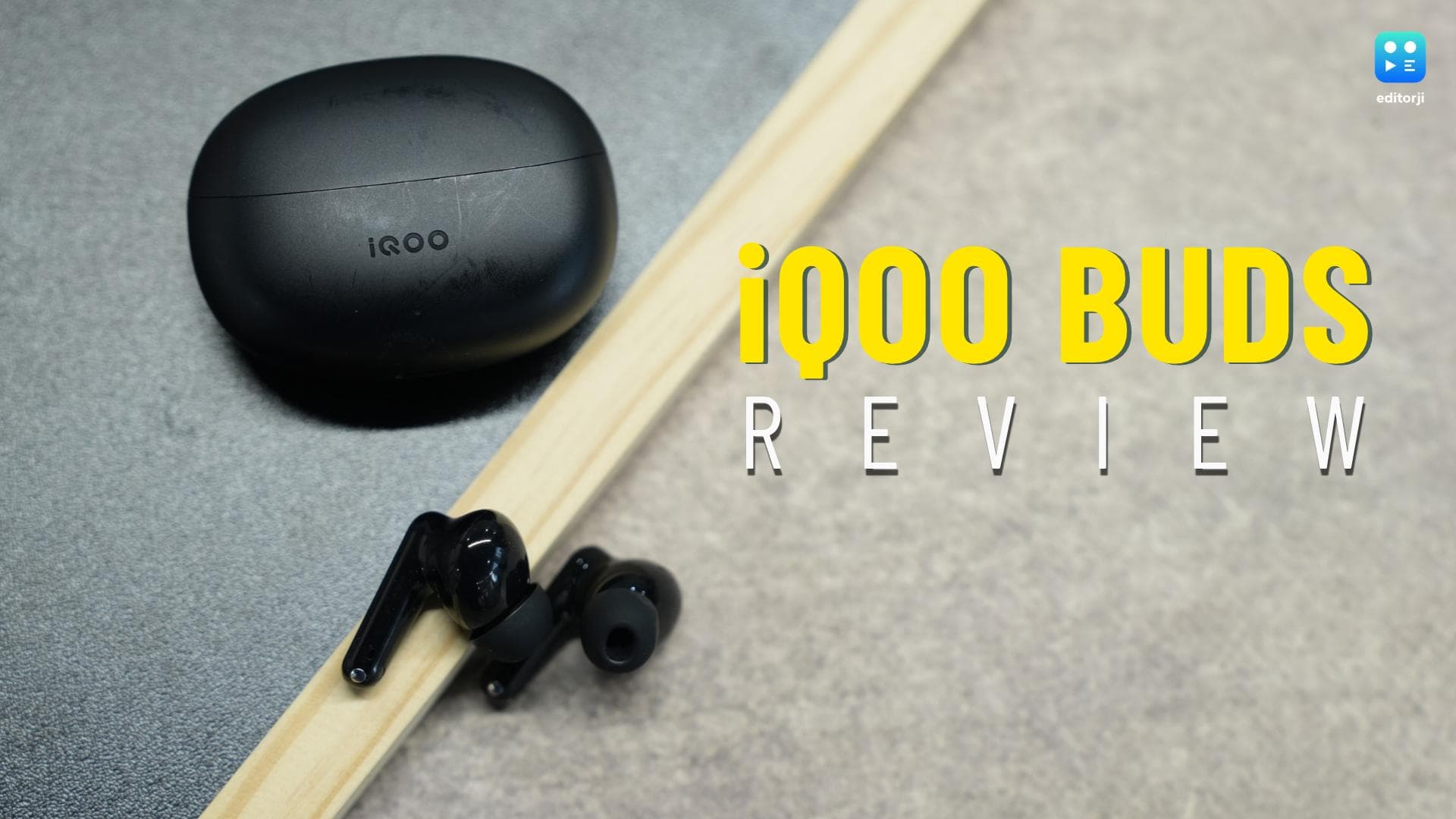
iQOO Buds Review: Monster Battery and Serious Gaming Chops for under ₹2,000

Repo rate today at 5.25%: how long an RBI decision takes to reach your home loan interest rate
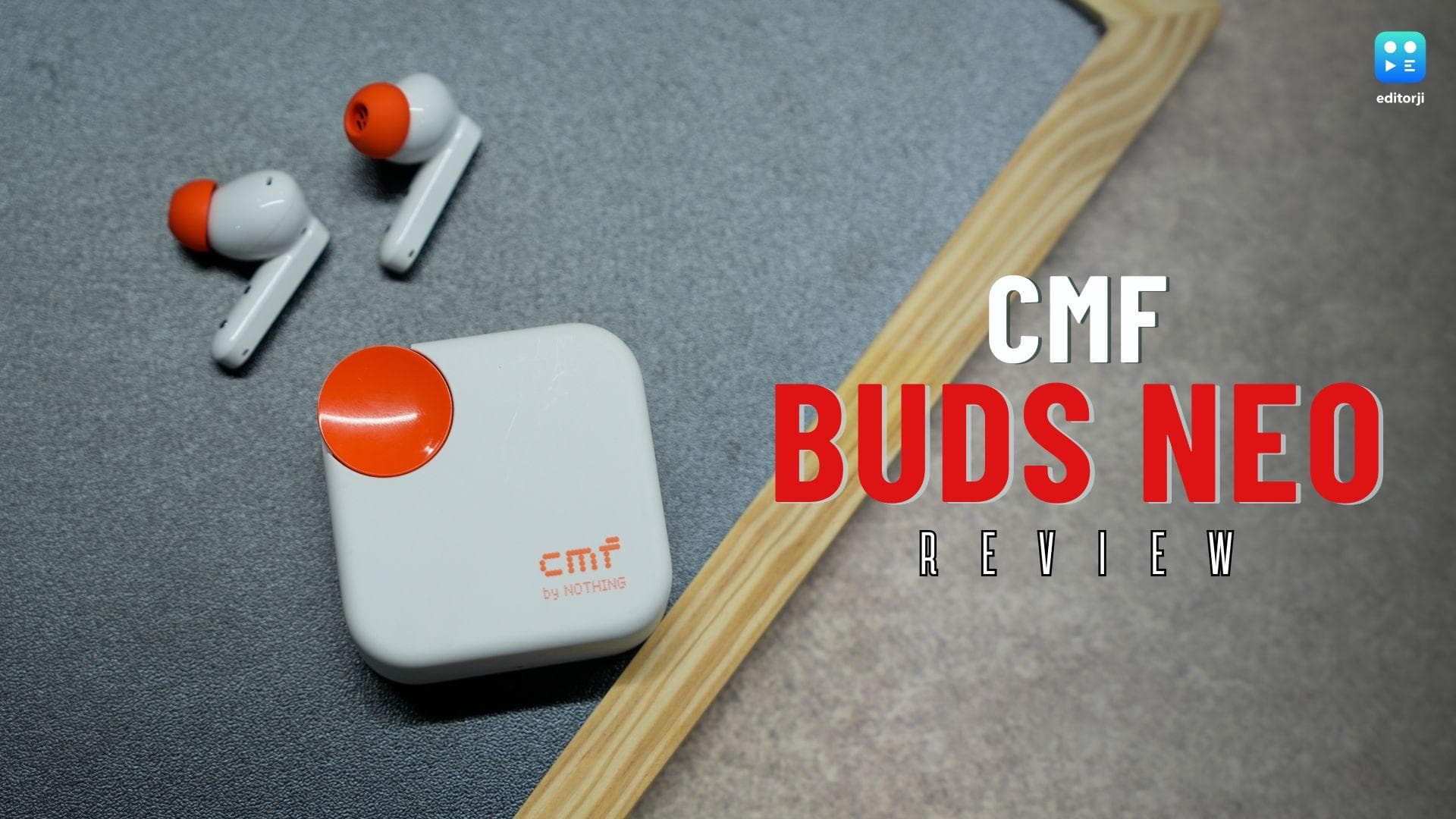
CMF Buds Neo Review: 35dB ANC, 52-Hour Battery and Incredible Value
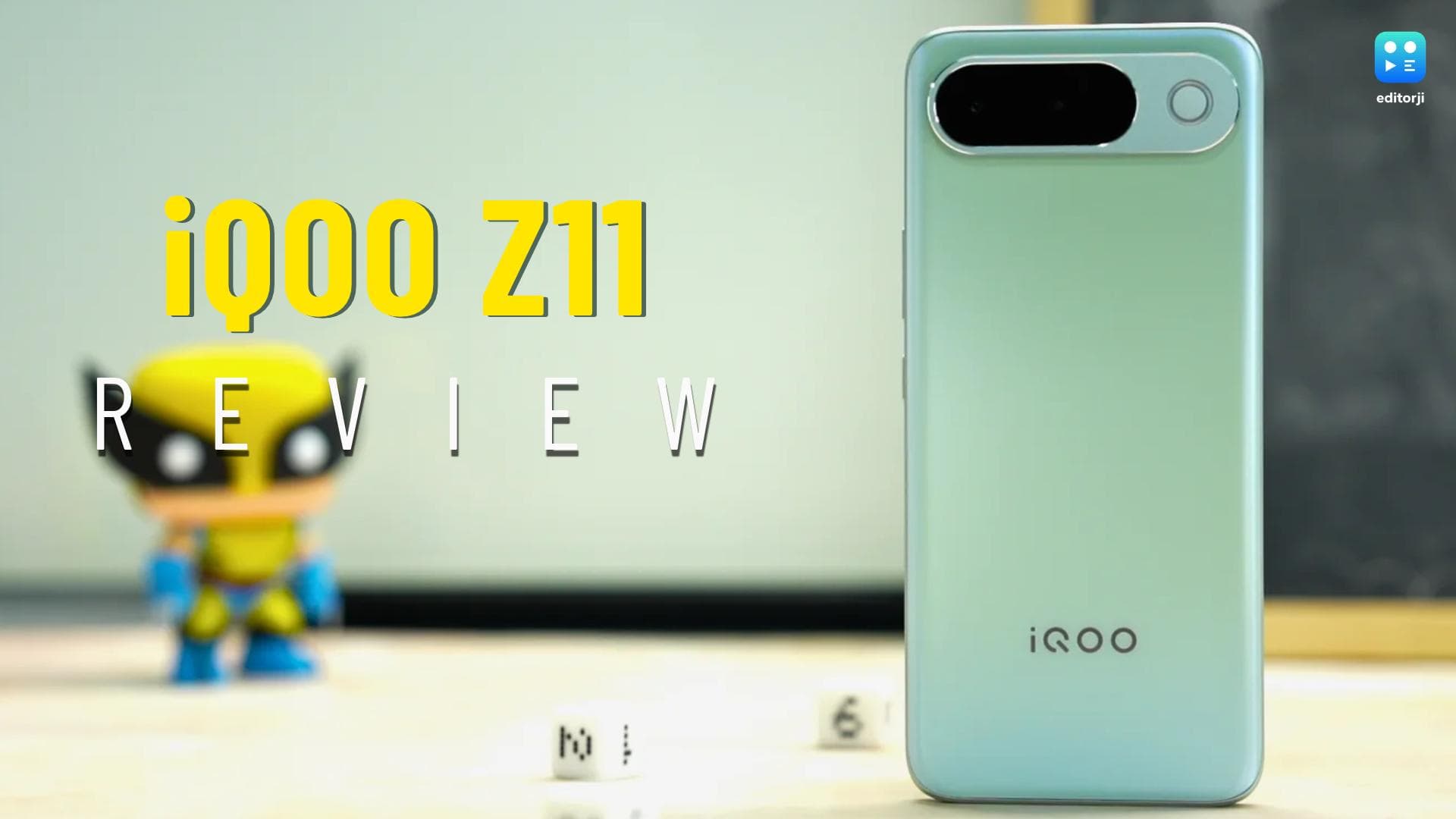
iQOO Z11 Review: A Balanced Mid-Range Powerhouse
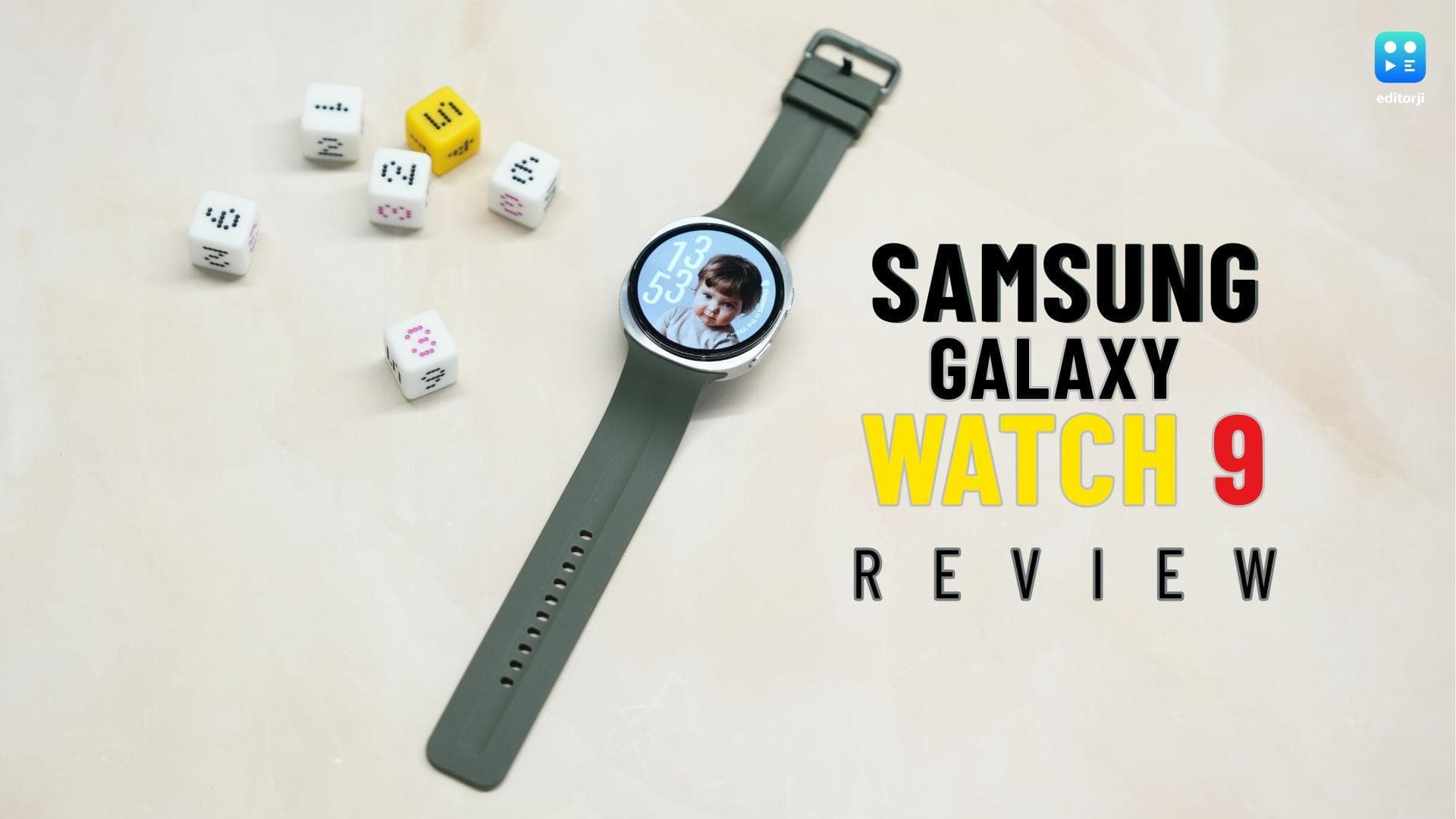
Samsung Galaxy Watch 9 Review: Familiar, Faster And Better Where It Matters
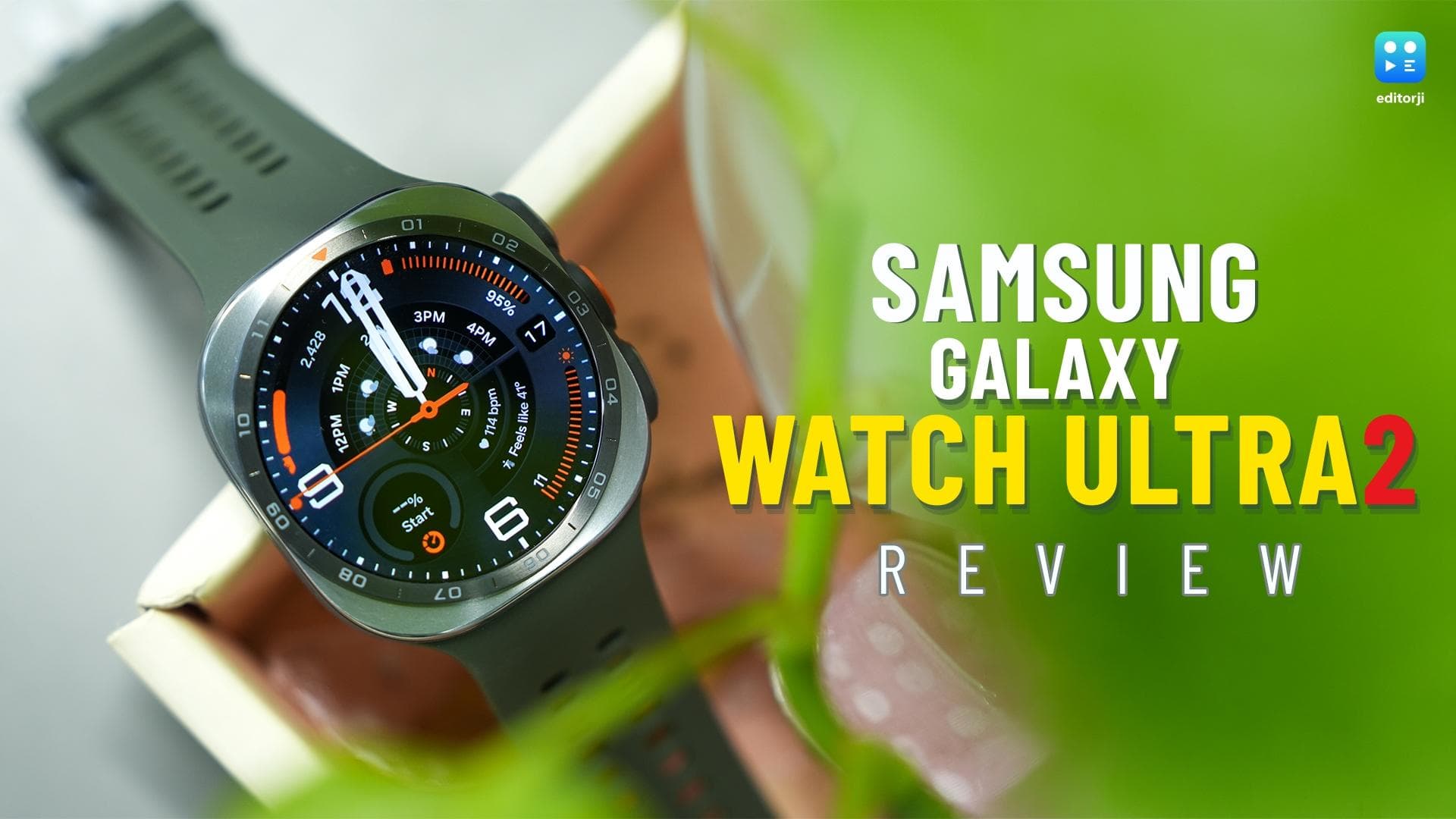
Samsung Galaxy Watch Ultra2 Review: A Smarter, Tougher and Longer-Lasting Ultra
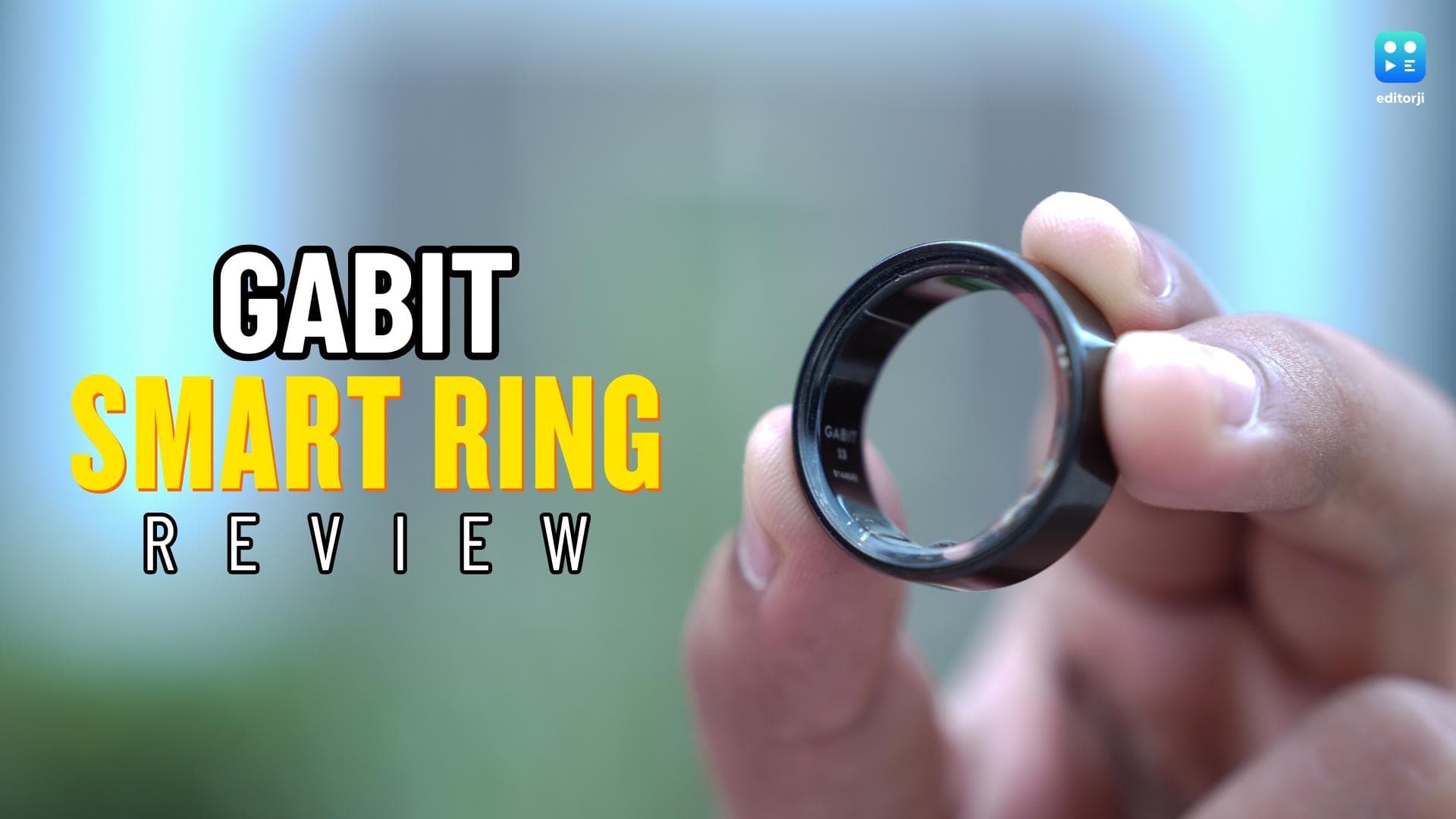
Gabit Smart Ring Review: A Better Way To Track Your Health?
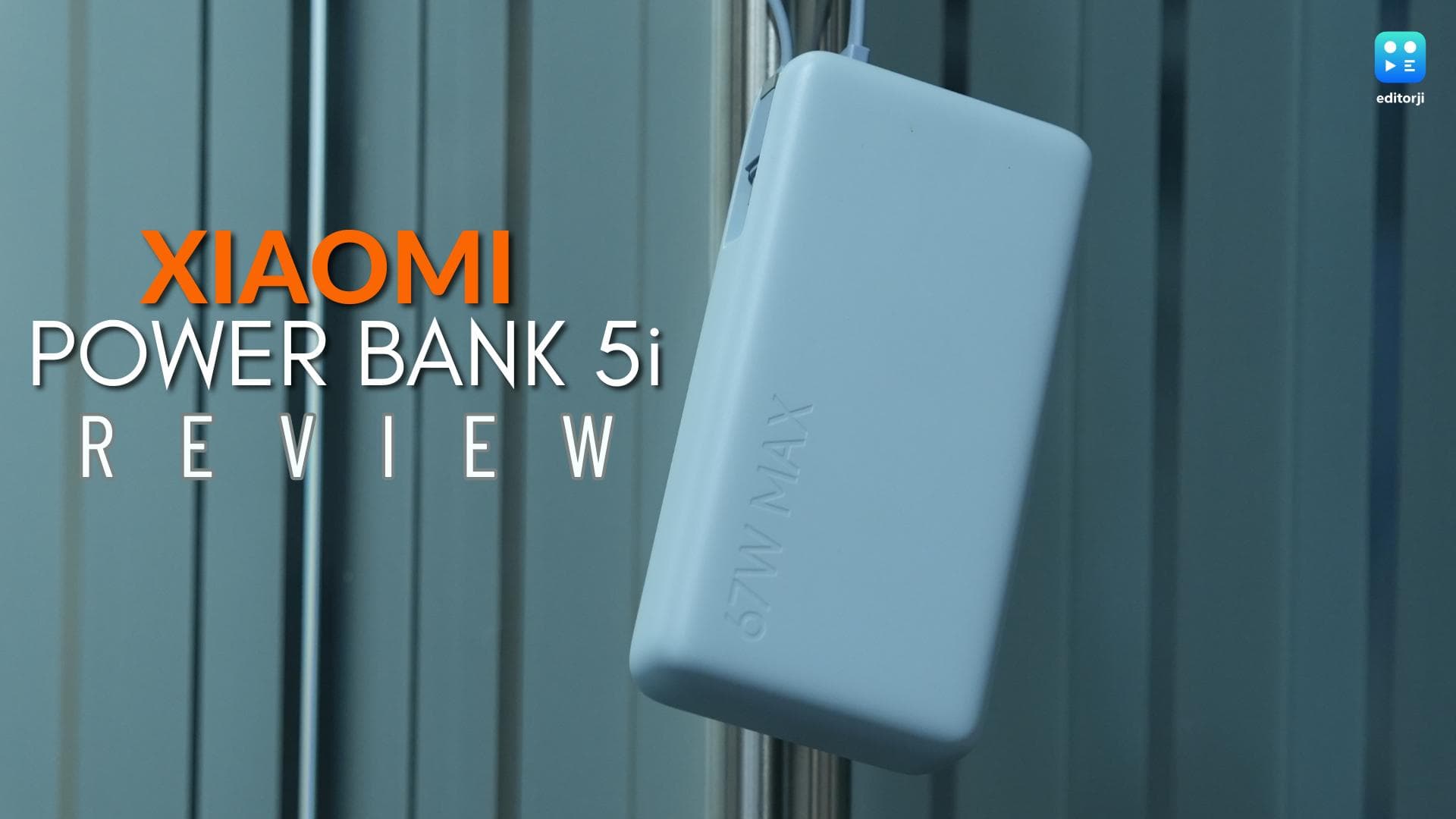
Xiaomi Power Bank 5i 20000 67W Review: A Powerful Travel Companion


Up Next
Why Kabul's prominent dress shops are cloaking heads of mannequins

Editorji Launches Hook Global, Its International Digital News Brand
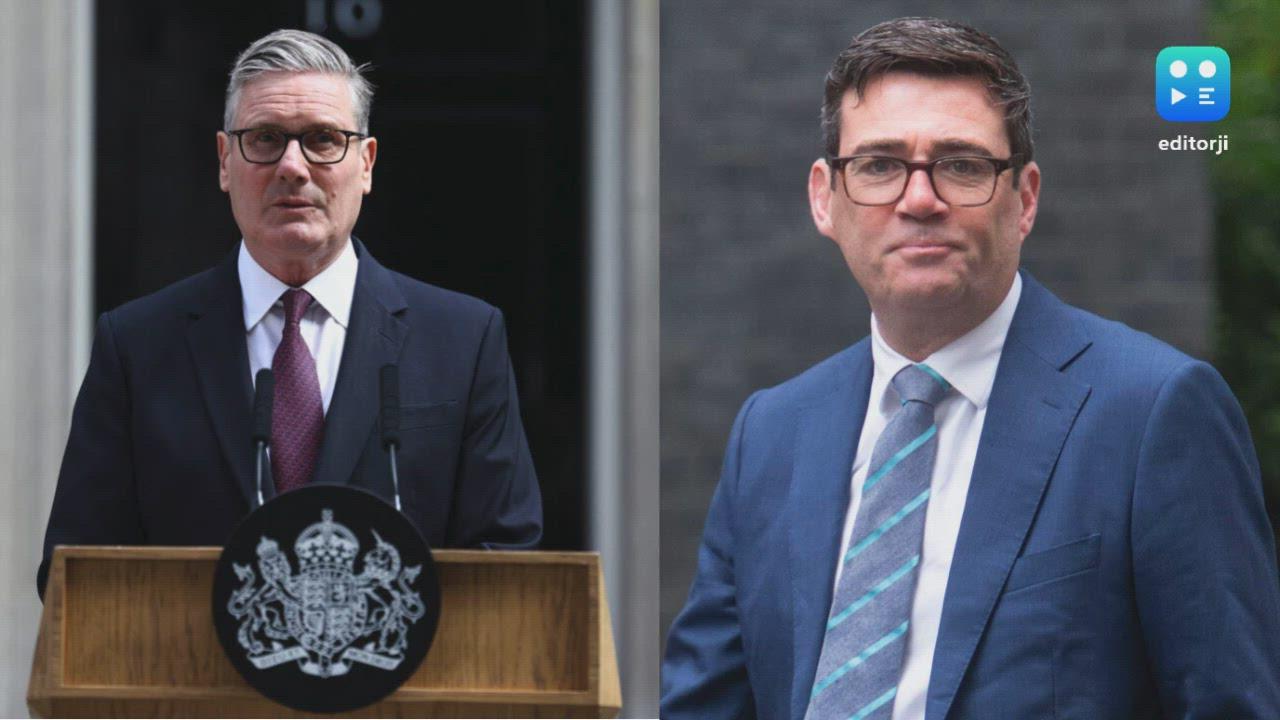
Starmer resigns as UK PM, Burnham favourite to take over
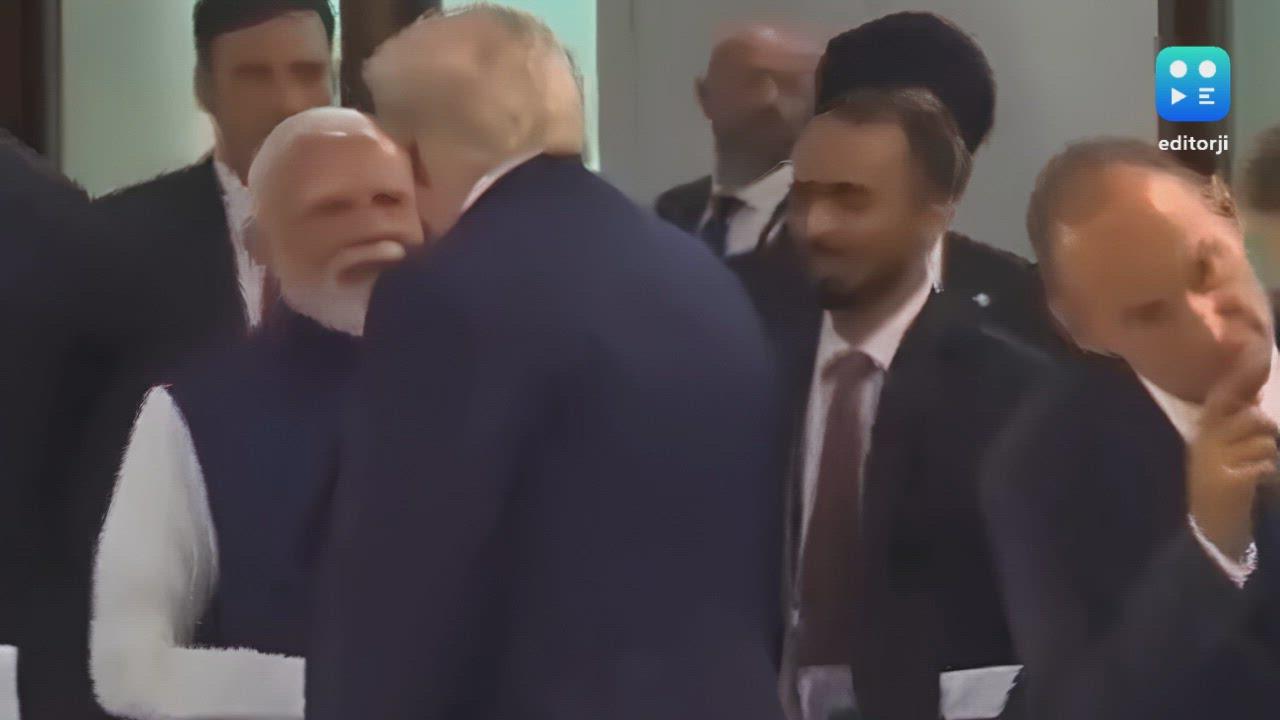
G7 summit: PM Modi holds brief conversation with US President Trump
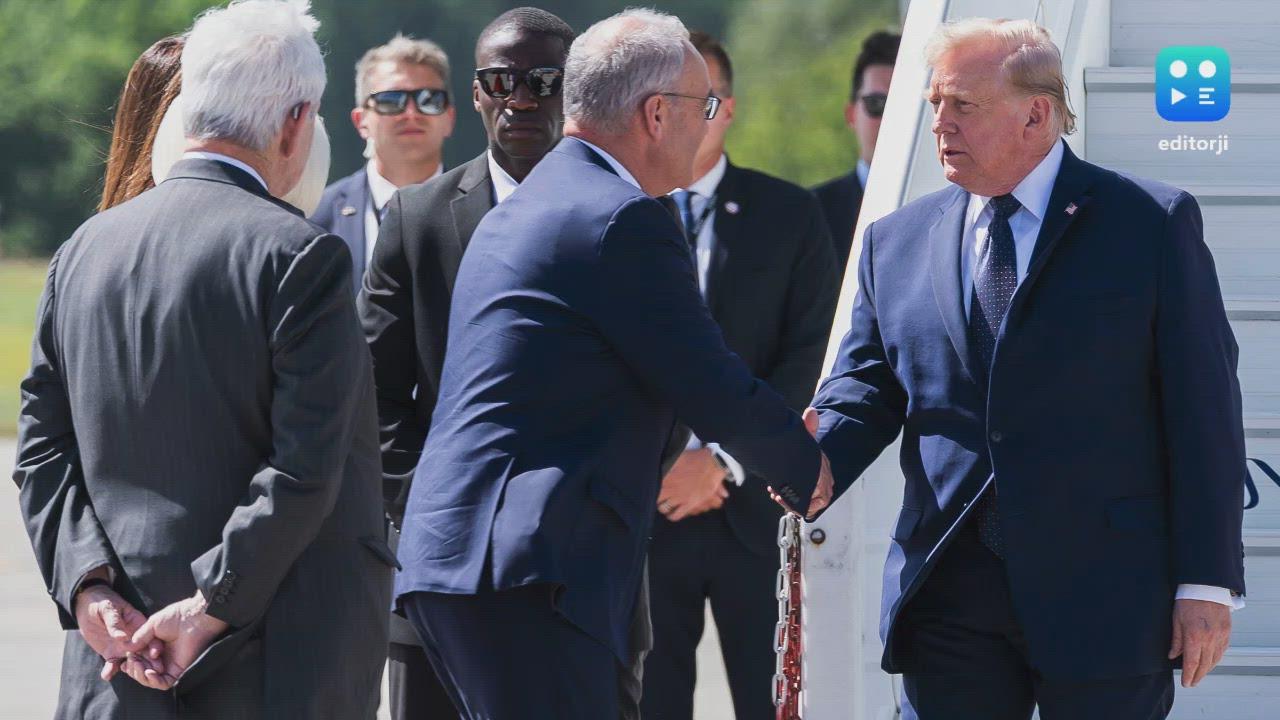
Trump arrives at G7 summit looking for momentum after announcing a deal to end Iran war
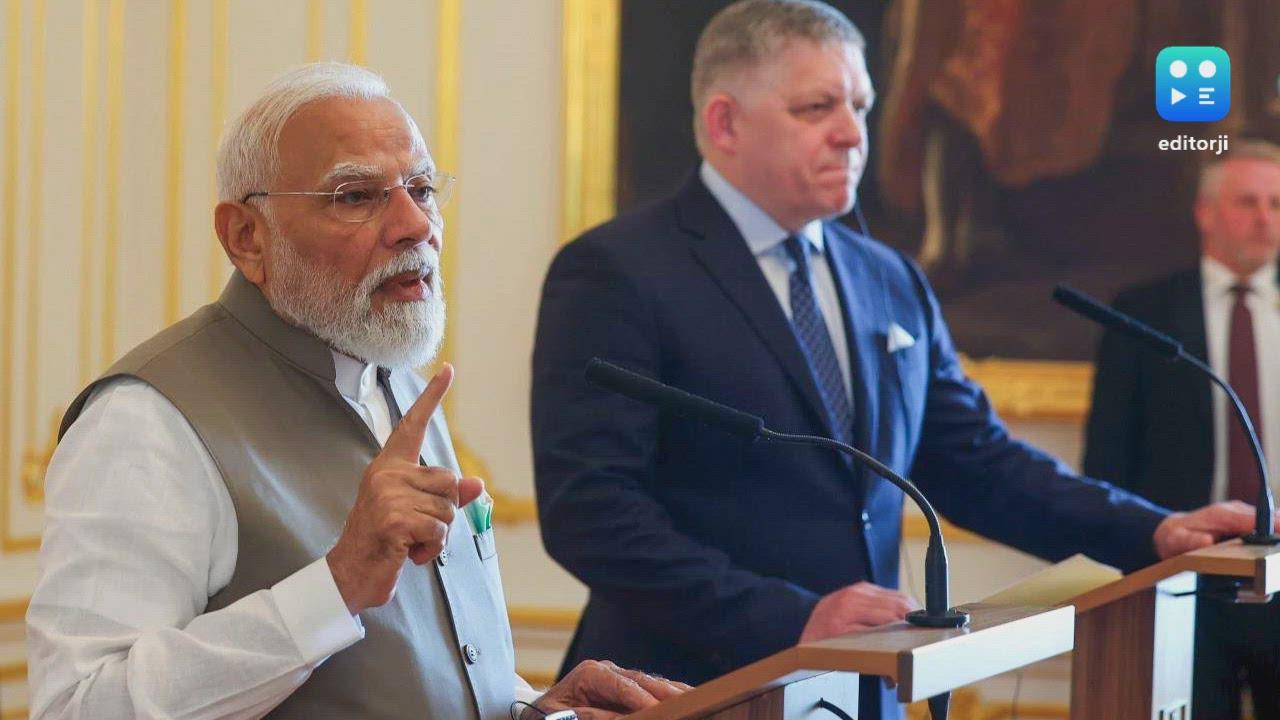
India, Slovakia upgrade ties to comprehensive partnership; ink 11 pacts

More videos

All 22 crew members evacuated after third vessel with Indians on board was attacked off Oman
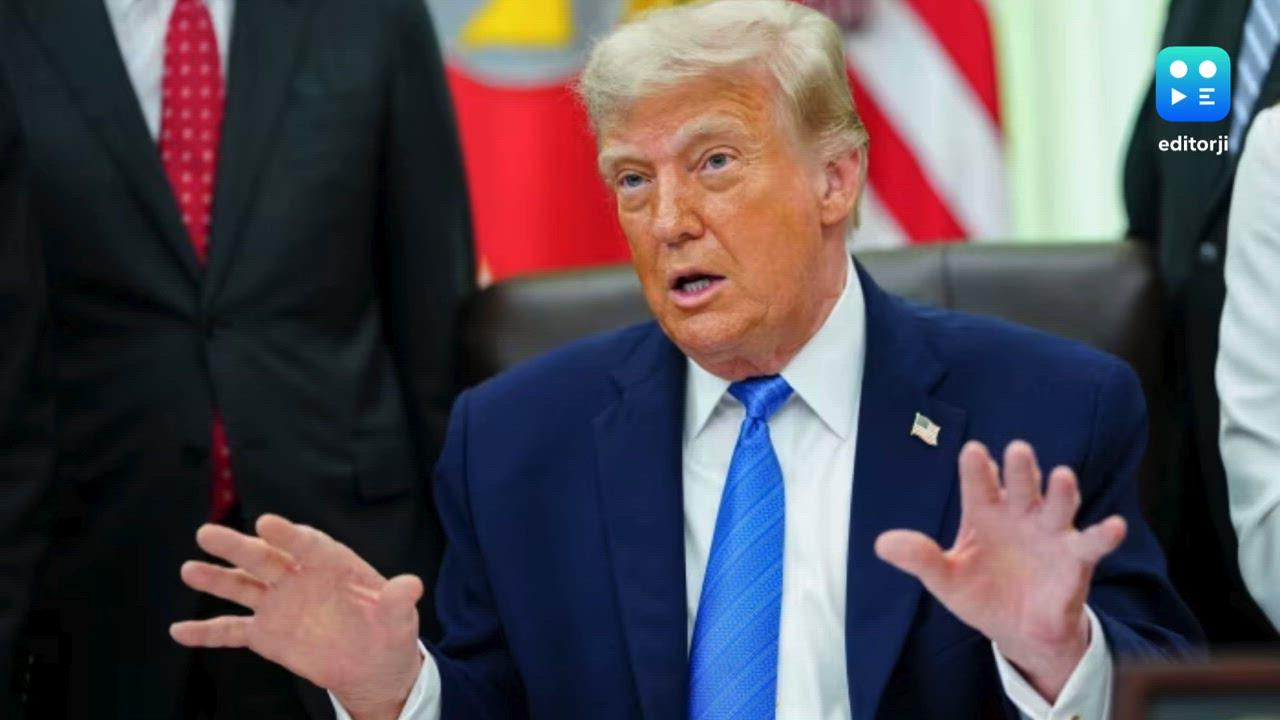
Trump threatens to take 'total control' of Iran's oil industry as ceasefire teeters
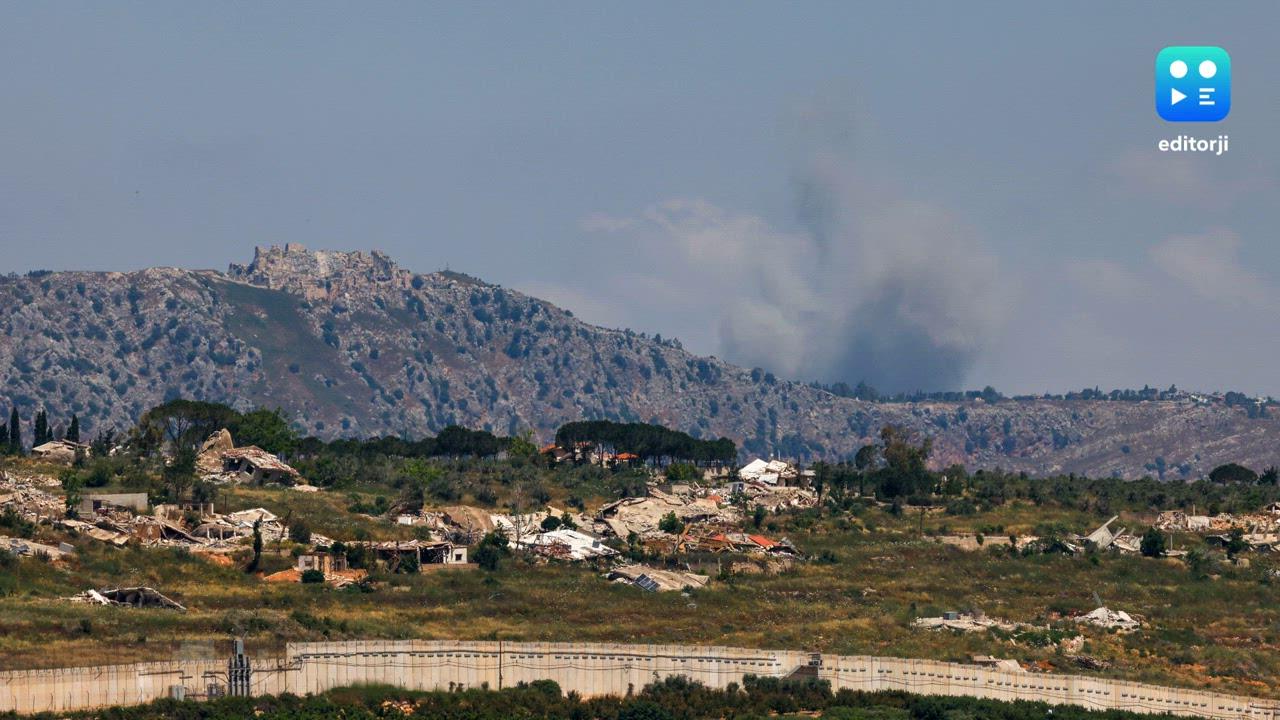
Iran halts Israel operation after first post-truce clash
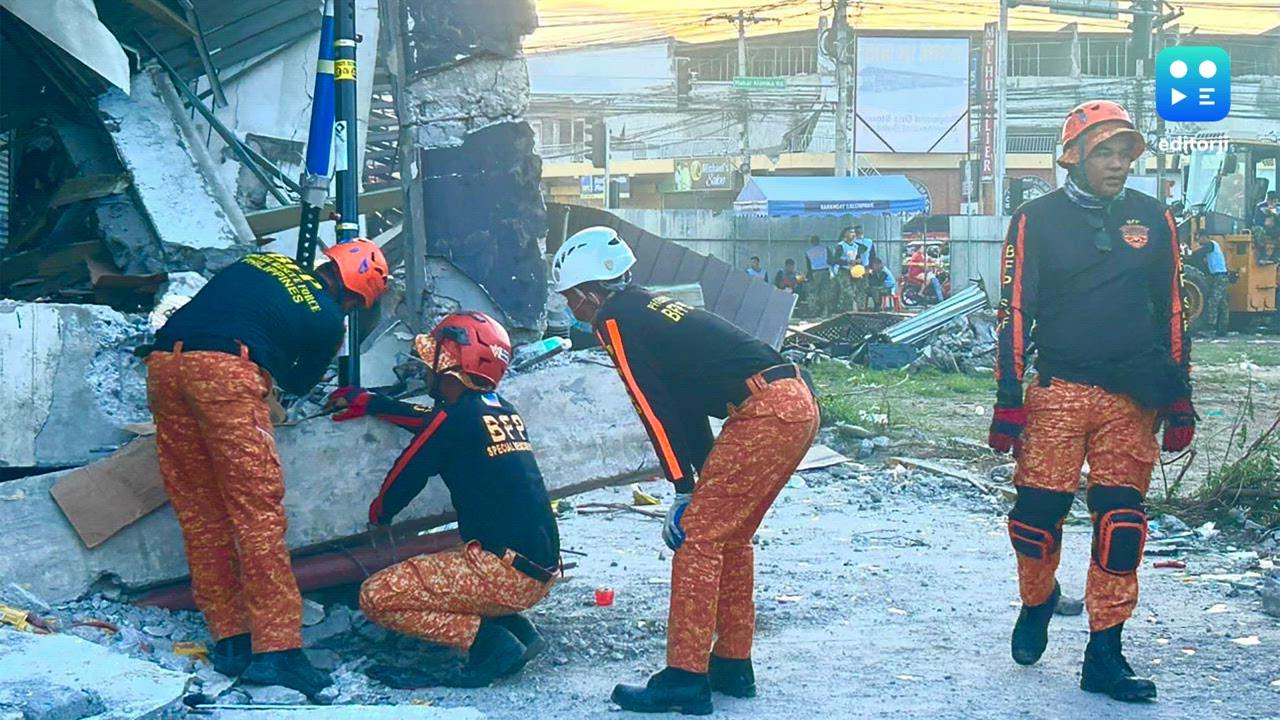
Major quake off Philippines kills at least 35, dozen still missing
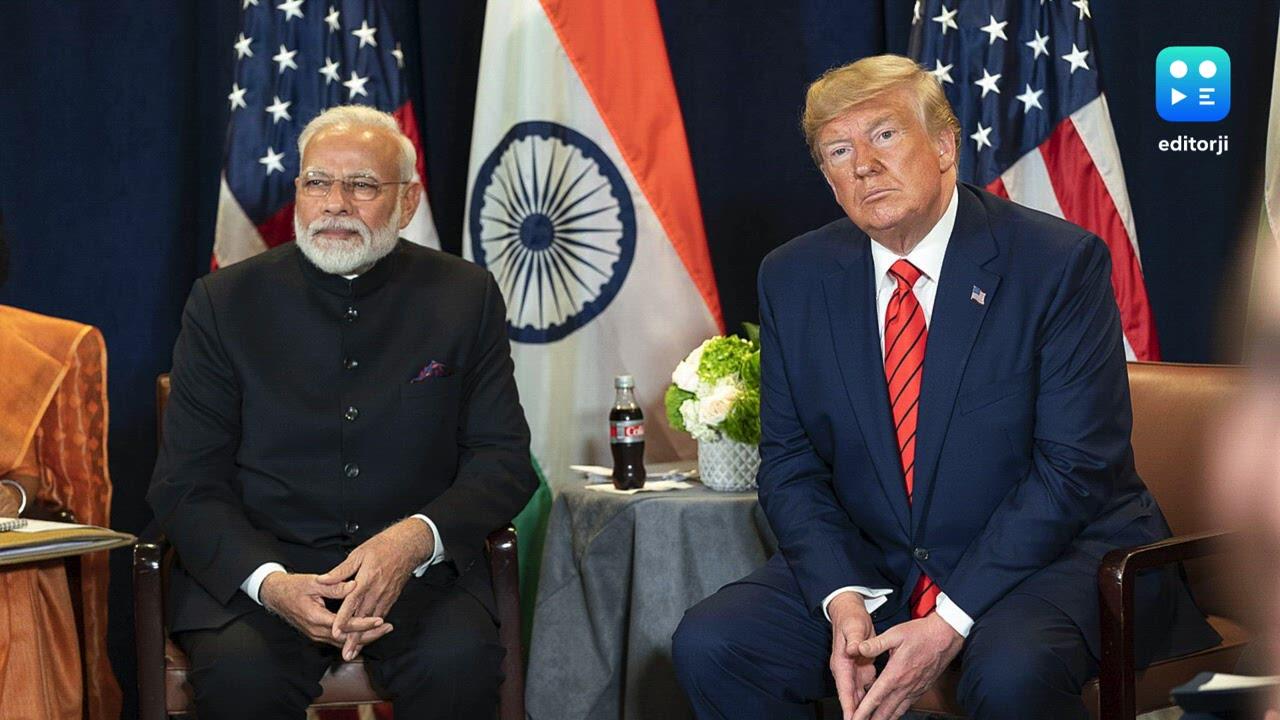
US proposes 12.5% tariffs on India, others on concerns over forced labour; India remains engaged in talks
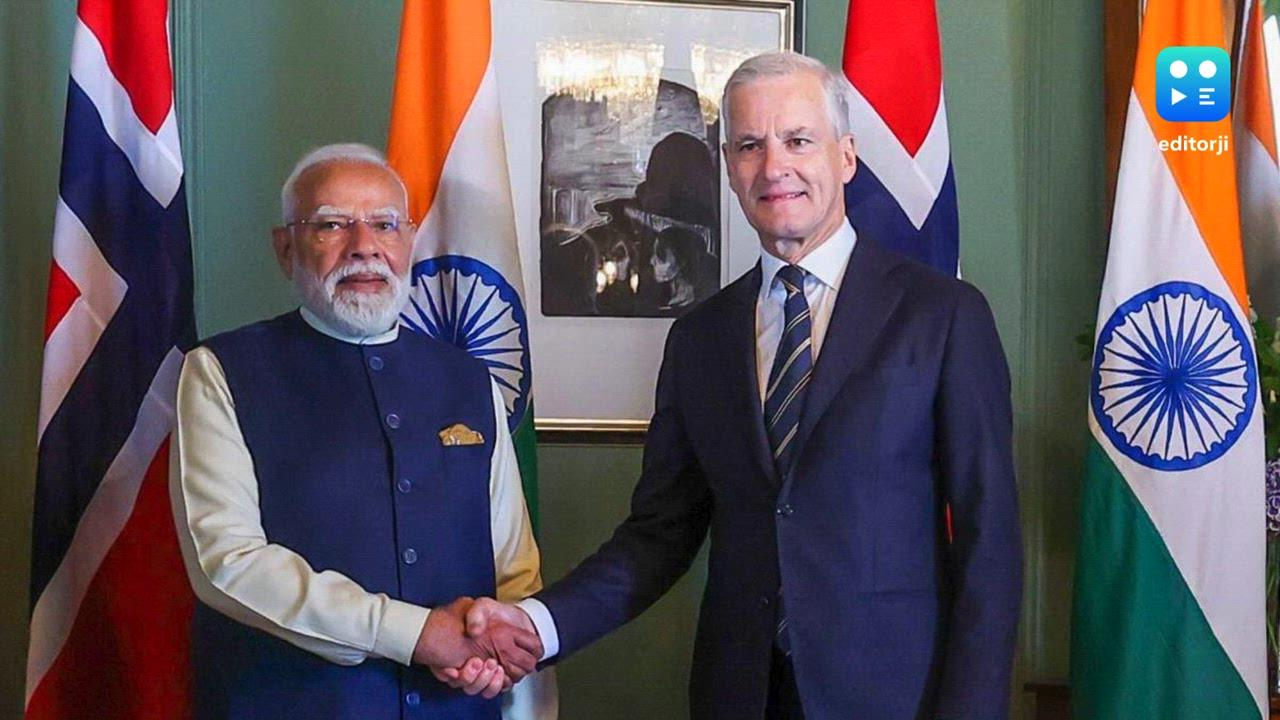
PM Modi calls for peaceful resolution of conflicts in West Asia and Ukraine
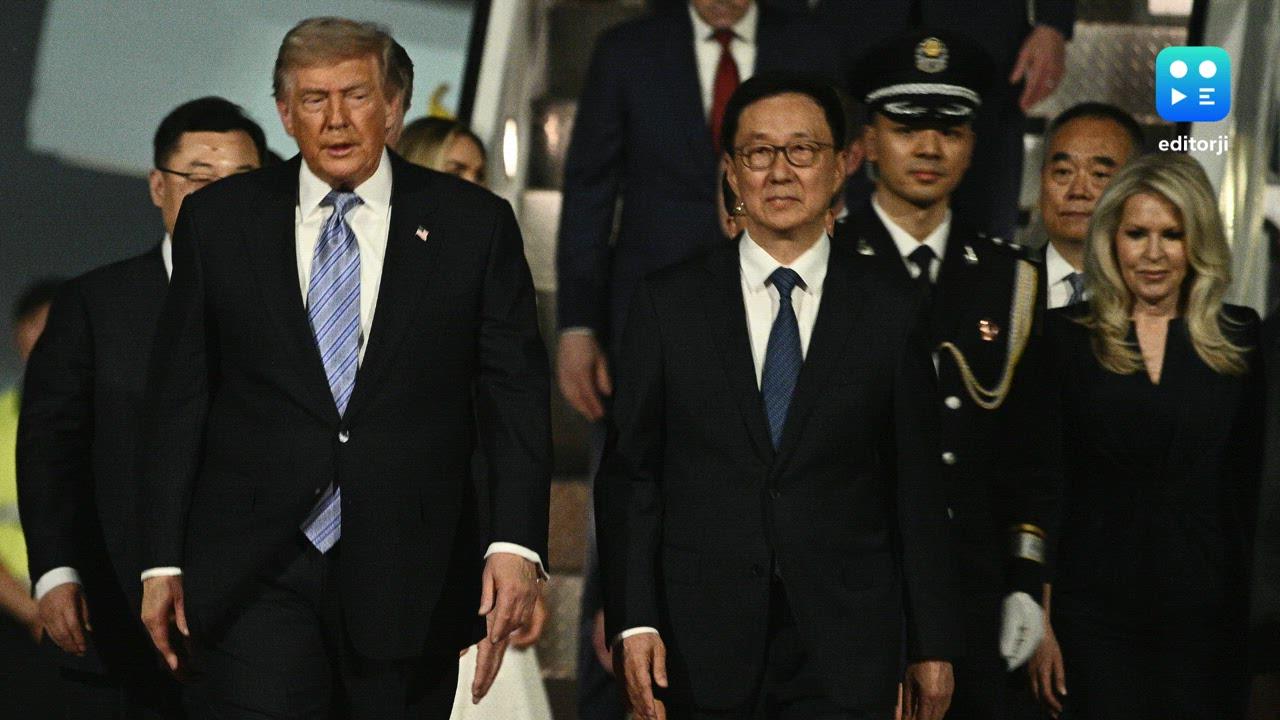
Trump arrives in China for superpower summit with Xi Jinping
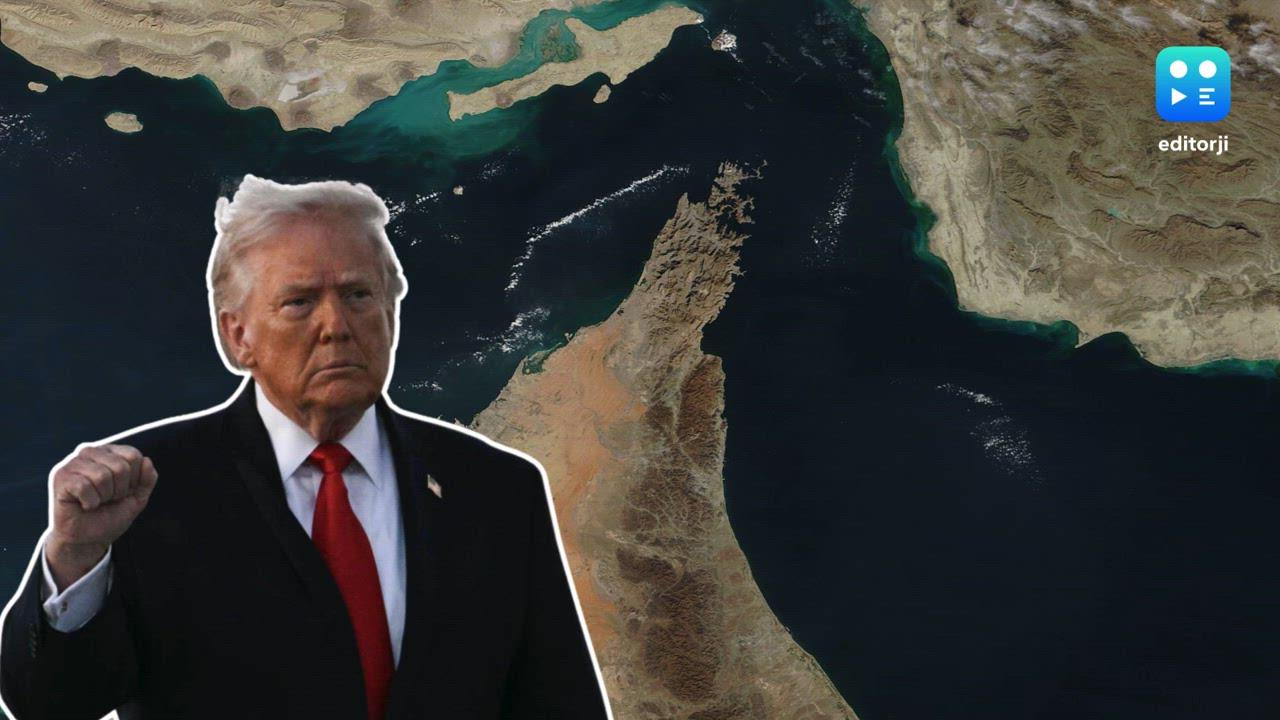
Trump orders US military to 'shoot and kill' Iranian small boats choking Strait of Hormuz
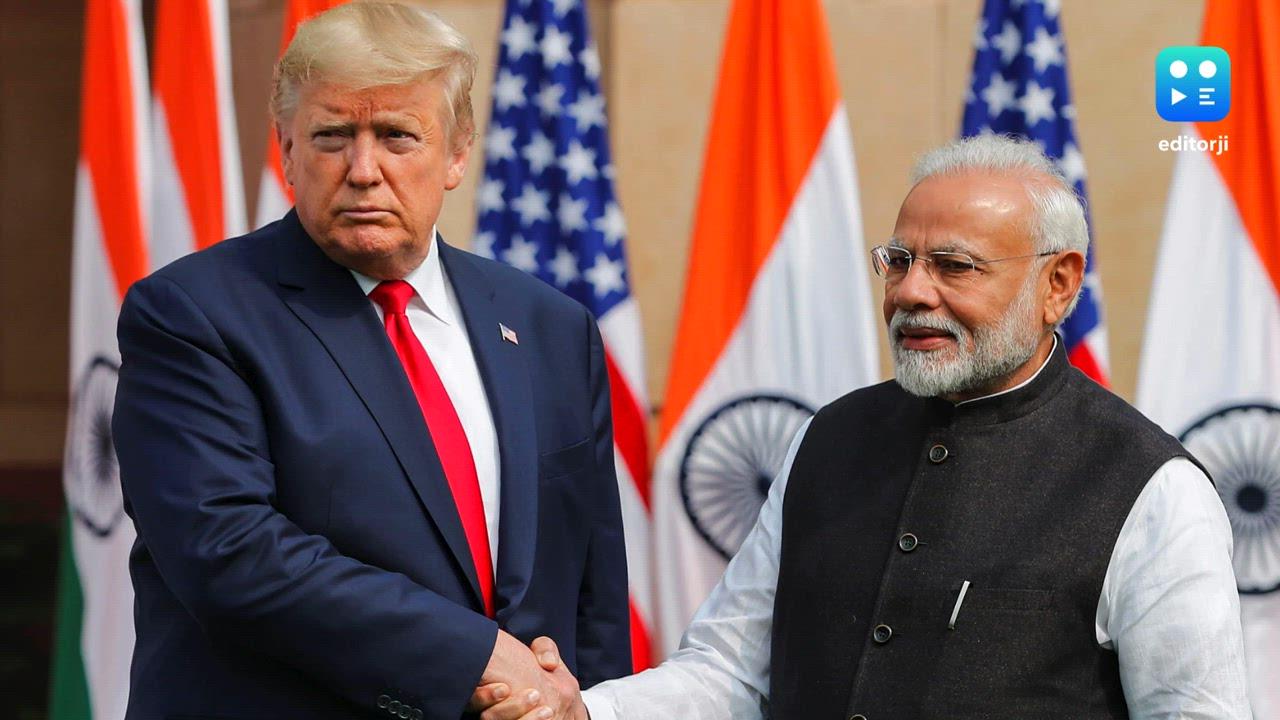
India is a great country: Trump after controversial social media repost
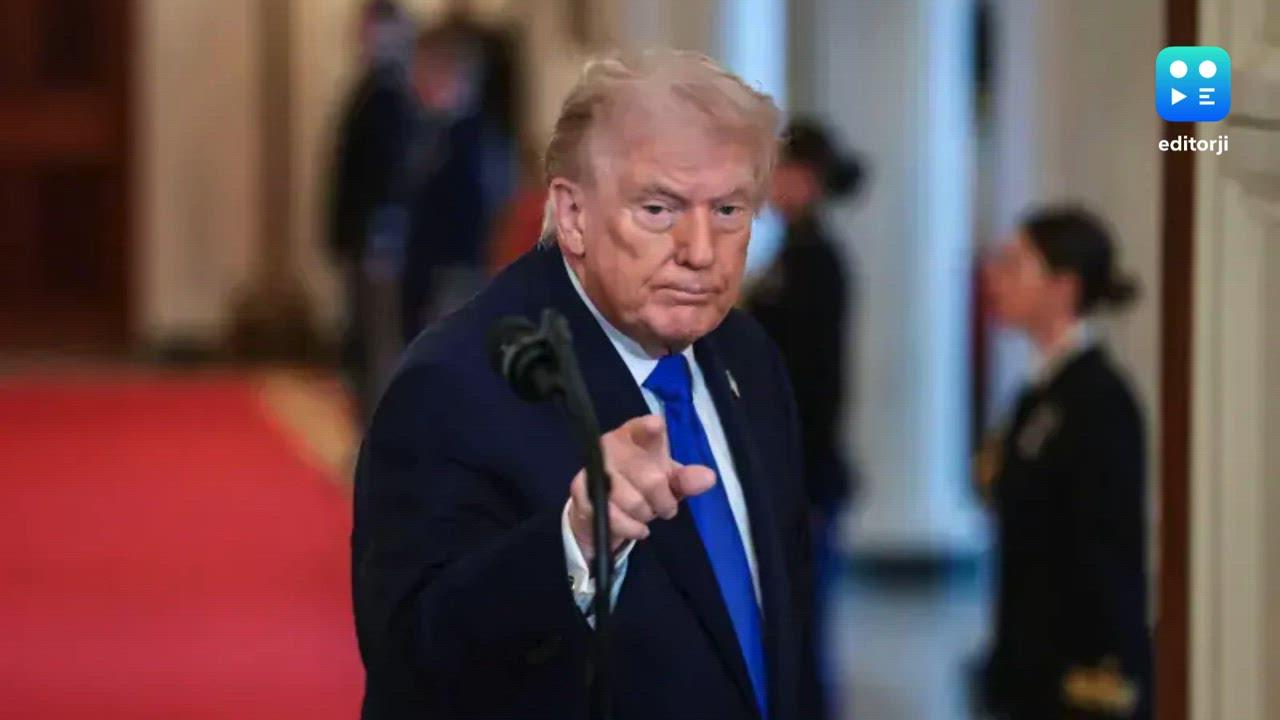
Trump says Iran violated truce as doubt surrounds peace talks