Highlights

The Monty Hall Problem explores decision-making. Switching boosts chances to win. Brain studies may enhance decisions.

Latest news

Gold should now be seen more as an "insurance policy", SIP route advisable at current levels: Analysts

Gold should now be seen more as an "insurance policy", SIP route advisable at current levels: Analysts

AAP MLA Hemant Khava flags poor road conditions, questions toll tax usage in Gujarat
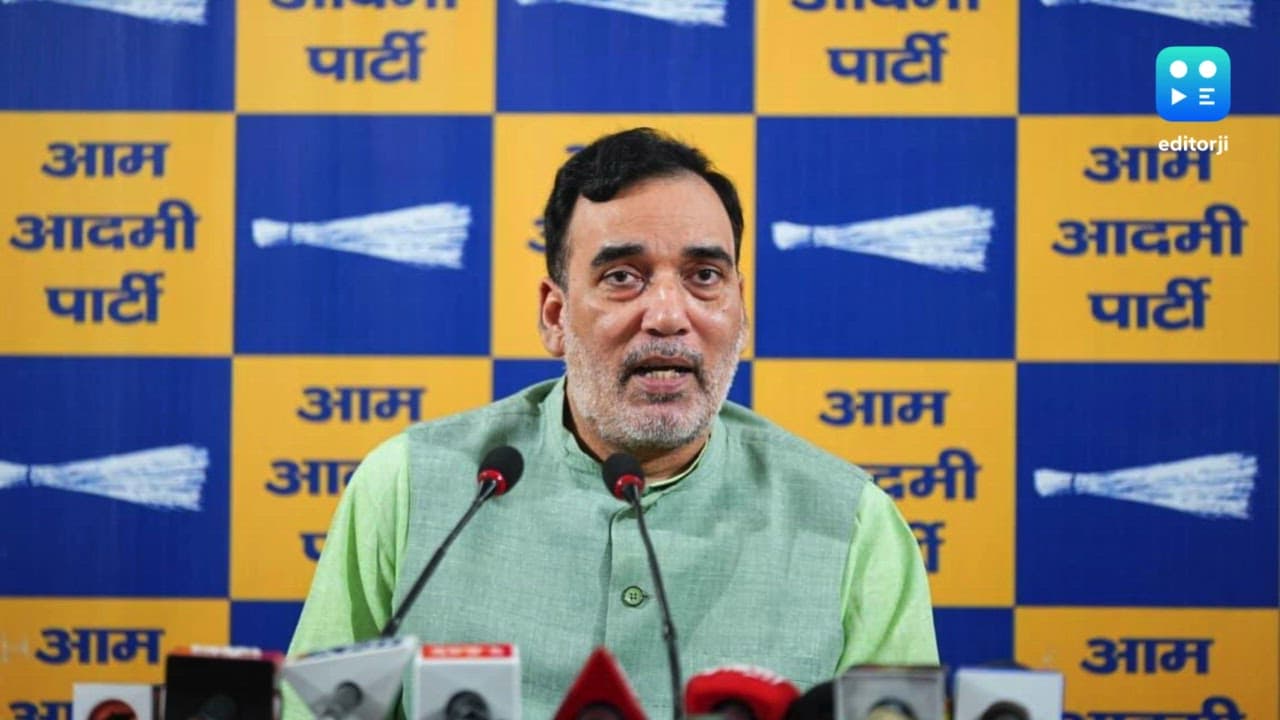
AAP MLA Hemant Khava flags poor road conditions, questions toll tax usage in Gujarat

AAP calls Punjab district panchayat win historic, eyes Gujarat local body polls

AAP calls Punjab district panchayat win historic, eyes Gujarat local body polls

Gujarat AAP MLA Chaitar Vasava questions police action against tribal villagers in Banaskantha
Gujarat AAP MLA Chaitar Vasava questions police action against tribal villagers in Banaskantha

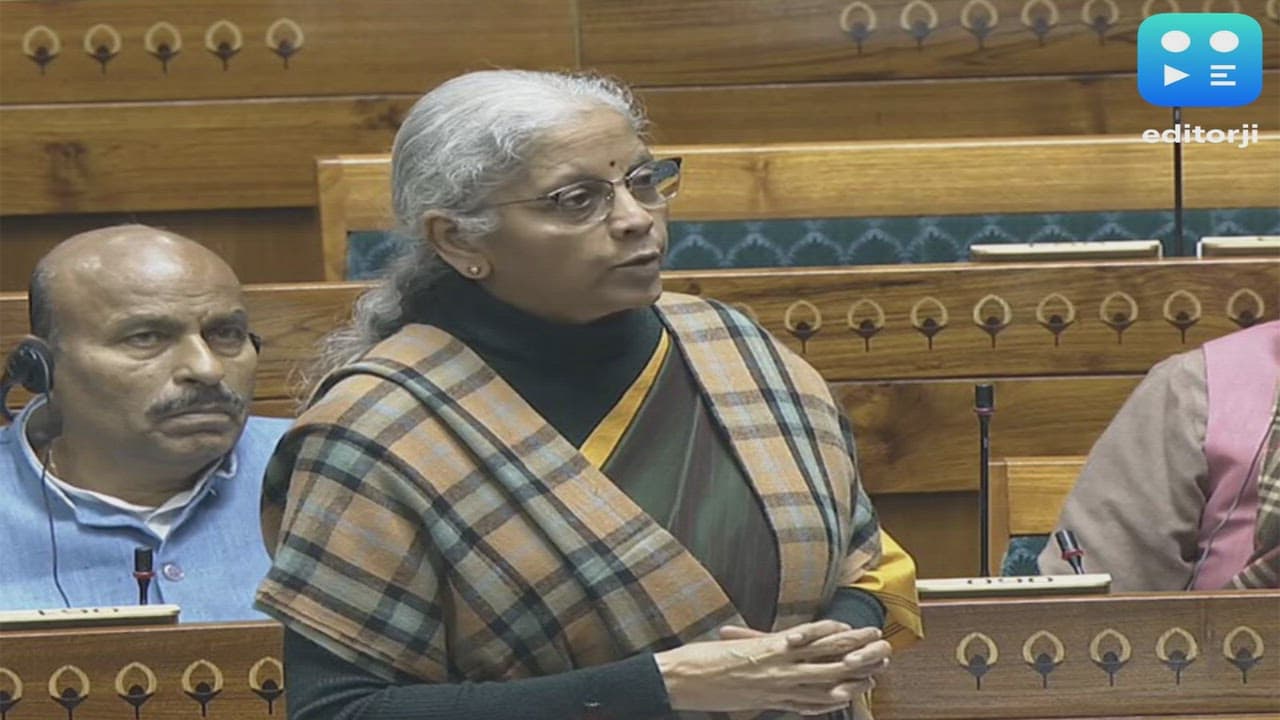
Sitharaman introduced Securities Markets Code Bill in Lok Sabha, proposes to send it to parliamentary committee

Sitharaman introduced Securities Markets Code Bill in Lok Sabha, proposes to send it to parliamentary committee

OnePlus 15R review: A clear shift in what the R-series stands for

OnePlus 15R review: A clear shift in what the R-series stands for

PM Modi departs for Oman on last leg of three-nation visit

PM Modi departs for Oman on last leg of three-nation visit

India closes visa application centre in Bangladesh capital due to security situation

India closes visa application centre in Bangladesh capital due to security situation

Exploring the Monty Hall Problem and Decision-Making Insights

The Monty Hall Problem illustrates decision-making and metacognition. Research highlights benefits of switching choices, linking to improved decisions and effective strategies under time pressure.

Exploring the Monty Hall Problem and Decision-Making Insights

Melbourne, Sep 5 (The Conversation) Consider a game show scenario where a contestant is asked to pick one out of three options: A, B, or C. After selecting, say, option B, the host reveals that one of the unchosen options, let's say C, does not have the prize. The contestant then faces a choice: stick with B or switch to A.

This scenario, known as the Monty Hall problem – named after a famous American game show host – has intrigued mathematicians for decades. But it also offers insights into the workings of the human mind and decision-making processes.

Why do some individuals change their initial choice while others remain firm? What would you do, and what does that reveal about your thinking? Research into changing one’s mind uses the idea of "metacognition" to explore when and why these changes happen. Metacognition generally refers to the awareness of one's own thought processes.

It acts as an internal guide, suggesting whether you’re on the right path or if more effort is needed. It might seem natural that changes of mind stem from low confidence in the original decision. However, our research found that people change their minds less frequently than expected, despite often feeling uncertain.

Interestingly, when individuals do switch choices, it's often a wise decision. This is linked to "metacognitive sensitivity" – the skill to accurately judge whether changing one’s decision is beneficial. Our studies suggest that under time pressure, people make better decisions regarding whether to change their minds.

Gaining a better understanding of this can lead to training methods helping people make improved decisions. However, what prompts mind changes? Although it seems obvious, as you can only change your mind post-choice, our laboratory tests discovered something fascinating. By examining brain activity before the initial decision, we could predict changes of mind seconds before they occurred.

This suggests that brain activity linked to mind-changing can enhance initial decision-making quality, possibly preventing the need to alter choices later. Such insights could be extremely beneficial in fields like healthcare or defense for enhancing decision-making quality.

Why, then, don’t we change our minds more often? Despite evidence supporting that changes tend to improve choices, people are often hesitant to do so. One reason may be the cognitive effort involved in reassessing initial decisions. Not every choice justifies this effort, as many everyday decisions suffice even if not perfect.

Choosing the wrong brand of an orange-flavored drink likely won’t greatly impact one’s wellbeing. Consumer research indicates that people express greater satisfaction with fewer available options – a phenomenon known as the “paradox of choice.” Thus, more options and chances to change one's mind can be mentally taxing.

Furthermore, frequent mind changing might reflect socially undesirable traits. Successful relationships rely on predictability in each other's actions. Regular changes could hinder this, pushing individuals to remain consistent for better social interactions.

The future of understanding decision changes is a rapidly progressing research area. Future advancements may focus on pinpointing specific brain activity markers forecasting correct decision changes. Such markers, once verified, could be leveraged to guide people on when mind changes are beneficial for social and professional success.

And regarding the Monty Hall problem: if ever faced with this choice, remember that switching selections mathematically doubles your winning chances.

(Only the headline of this report may have been reworked by Editorji; the rest of the content is auto-generated from a syndicated feed.)

ADVERTISEMENT

Up Next

Exploring the Monty Hall Problem and Decision-Making Insights

Exploring the Monty Hall Problem and Decision-Making Insights

India closes visa application centre in Bangladesh capital due to security situation

India closes visa application centre in Bangladesh capital due to security situation

Pakistan to sell 100 pc stake in PIA after bidders demand complete control post-privatisation

Pakistan to sell 100 pc stake in PIA after bidders demand complete control post-privatisation

India, Oman to sign free trade agreement in Muscat on Thursday
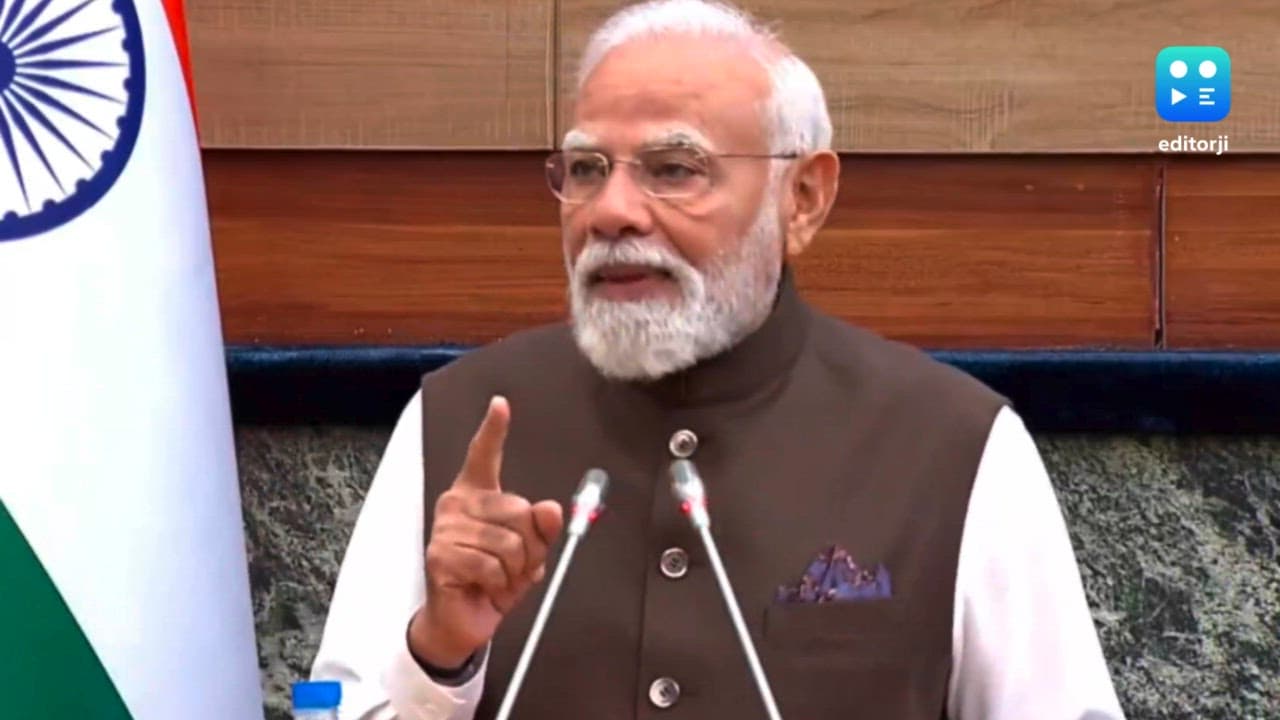
India, Oman to sign free trade agreement in Muscat on Thursday

India and Ethiopia are natural partners, says PM Modi in Ethiopian Parliament

India and Ethiopia are natural partners, says PM Modi in Ethiopian Parliament

Trump calls for global unity against radical Islamic terrorism after Bondi attack

Trump calls for global unity against radical Islamic terrorism after Bondi attack

ADVERTISEMENT

editorji-whatsApp

More videos

India, Ethiopia elevate ties to strategic partnership as PM Modi holds talks with his counterpart

India, Ethiopia elevate ties to strategic partnership as PM Modi holds talks with his counterpart

PM Modi conferred Ethiopia’s highest civilian honour in Addis Ababa

PM Modi conferred Ethiopia’s highest civilian honour in Addis Ababa

Trump imposes full travel bans on seven more countries, Palestinians

Trump imposes full travel bans on seven more countries, Palestinians

EAM S. Jaishankar arrives in Israel on two-day visit; to hold talks with top leadership

EAM S. Jaishankar arrives in Israel on two-day visit; to hold talks with top leadership

Prime Minister Narendra Modi departed for Ethiopia from Jordan

Prime Minister Narendra Modi departed for Ethiopia from Jordan

Magnitude 5.2 earthquake shakes Karachi and Balochistan, no casualty reported

Magnitude 5.2 earthquake shakes Karachi and Balochistan, no casualty reported

Crown Prince drives PM Modi to Jordan Museum in special gesture

Crown Prince drives PM Modi to Jordan Museum in special gesture

PM Modi highlights substantive outcomes of Jordan visit, says ties expanded across key sectors

PM Modi highlights substantive outcomes of Jordan visit, says ties expanded across key sectors

Trump sues BBC for $10 billion over documentary speech edit

Trump sues BBC for $10 billion over documentary speech edit

Goa nightclub fire: Thai authorities deport Luthra brothers to India

Goa nightclub fire: Thai authorities deport Luthra brothers to India

Editorji Technologies Pvt. Ltd. © 2022 All Rights Reserved.