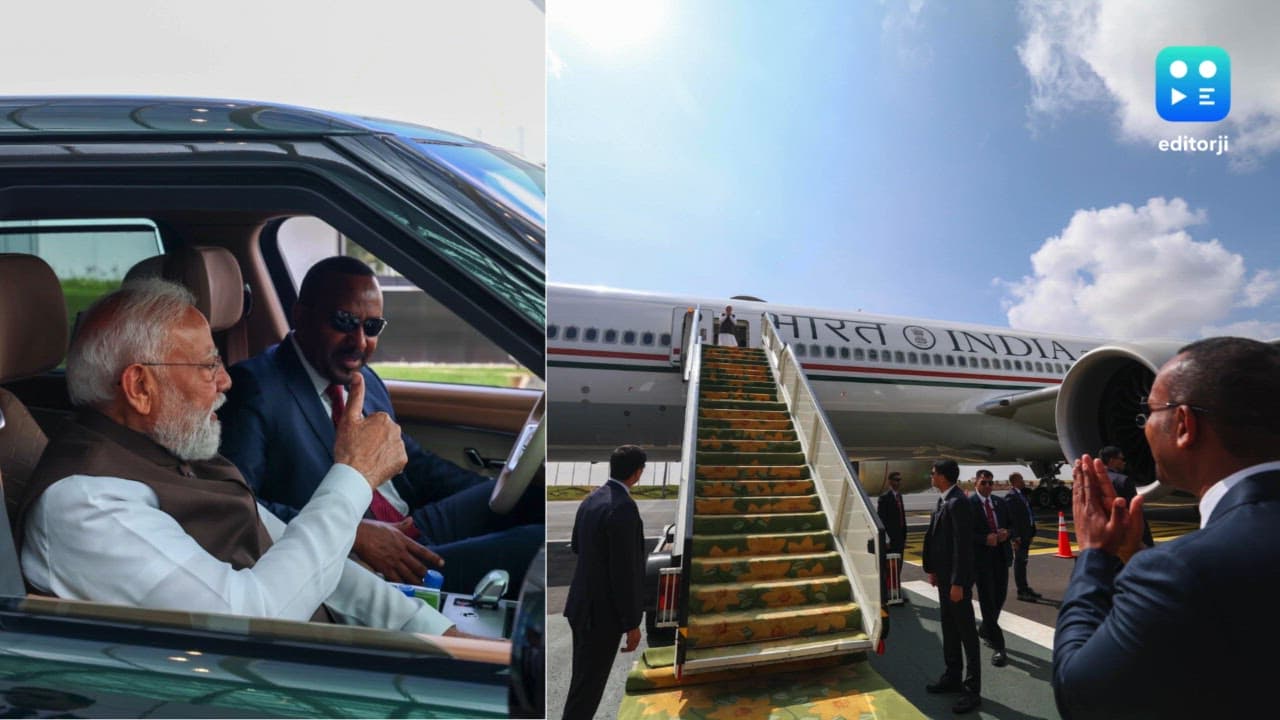
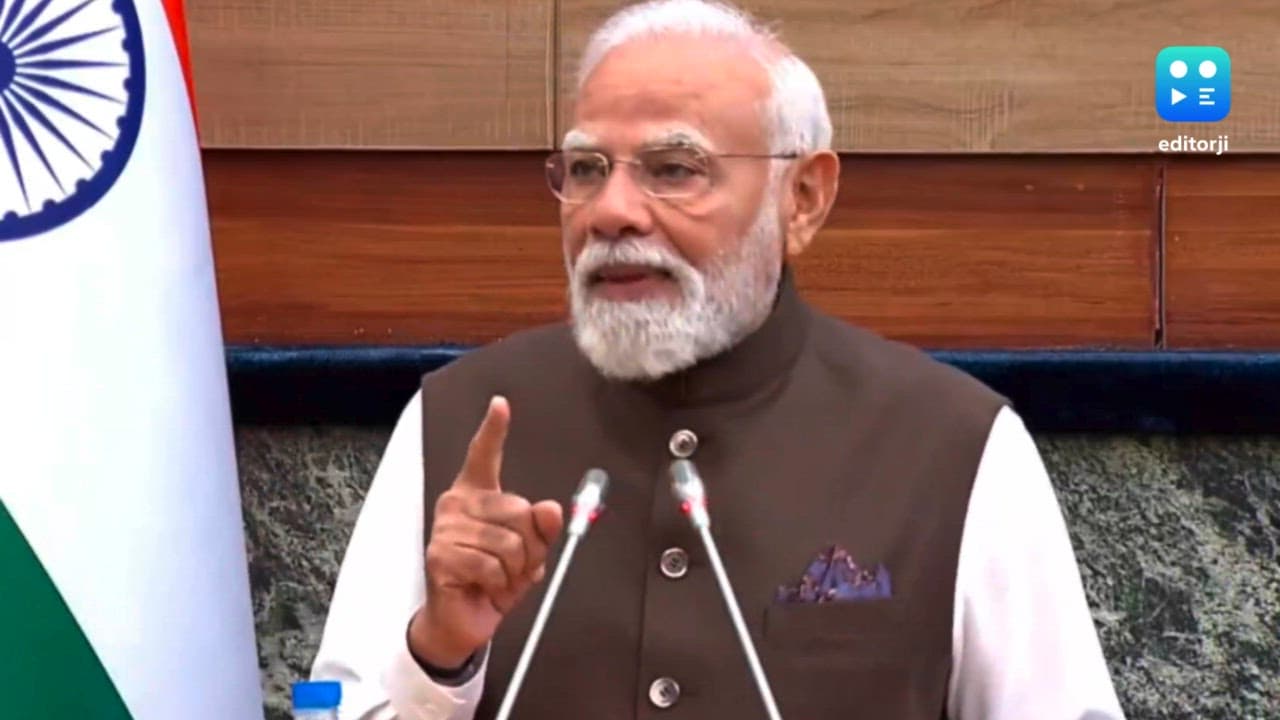
London, Oct 7 (PTI) - Keir Starmer is set to embark on his inaugural official visit to India as the British Prime Minister this Wednesday. Discussions between the two nations will span the full scope of the bilateral relationship, addressing areas like trade, investment, and technology. The visit, spanning two days, is hosted at the invitation of Indian Prime Minister Narendra Modi, where both leaders will evaluate progress across the India-UK Comprehensive Strategic Partnership. This aligns with the “Vision 2035,” a 10-year roadmap established along with the India-UK Free Trade Agreement (FTA) in July focusing on the key pillars of the partnership.
The focal point of the Modi-Starmer bilateral discussions will be the potential benefits derived from the India-UK Comprehensive Economic and Trade Agreement (CETA), where the FTA is anticipated to eliminate tariffs on more than 90 percent of goods pending approval by the UK Parliament. Richard Heald, a part of the prime ministerial delegation, remarked, “The UK Prime Minister’s visit to India occurs at a crucial juncture in our evolving bilateral ties, increasingly marked by partnership, shared prosperity, and mutual respect.”
Heald, Chair of the UK India Business Council (UKIBC) and scheduled to speak on Indian entry strategies for UK SMEs, commented, “The UK-India corridor represents one of the most promising economic relationships globally. We eagerly support its ongoing growth, grounded in innovation, opportunity, and mutual ambition.” Accompanying the British PM is a group exceeding 100 business leaders, university vice-chancellors, and cultural leaders, a clear signal of a mission to enhance trade, investment, technology, and education ties.
Lord Karan Bilimoria, Chair of the International Chamber of Commerce (ICC) UK, expressed his delight, stating, "Such a comprehensive PM delegation comes nearly nine years after the last and sends an unequivocal message: ‘Britain means business when it comes to India.’ The timing is impeccable, with the meeting happening within three months of the FTA's signing at Chequers in July.”
This visit not only aligns with both nations' navies conducting Exercise Konkan in the Arabian Sea, symbolizing significant defence technological and industrial partnership opportunities between Indian and UK companies, particularly in naval electric propulsion, as noted by Rahul Roy-Chaudhury, Senior Fellow for South Asia at the International Institute for Strategic Studies (IISS) in London. He noted, “Starmer's first official India visit is strategically significant for both countries. For India, facing high tariffs from the Trump administration and wary of shifting towards Russia or China, it serves as a diversification of its foreign and security alliances towards the UK and the EU.”
For the UK, this visit signals a long-term partnership commitment with India, an emerging super economy host to nearly 2 million British Indians. Notably, Starmer’s visit occurs before a China trip. Both Starmer and Modi will address the Global Fintech Fest in Mumbai, highlighting the India-UK Technology Security Initiative (TSI) sealed last year to boost cooperation in critical and emerging technologies such as telecoms, AI, quantum computing, biotechnology, and critical minerals.
Jyoti Vij, Director General of the Federation of Indian Chambers of Commerce and Industry, emphasized that Starmer's visit happens at a pivotal moment where the CETA's promise could result in tangible business outcomes. She added, “We anticipate that this engagement will unlock new opportunities in advanced manufacturing, green finance, digital innovation, and skilled professional mobility—creating a future-ready partnership that supports growth, sustainability, and shared prosperity across both economies.”
British Airways CEO Sean Doyle, part of the British PM’s delegation, highlighted plans in ‘The Sunday Times’ for expanding services to India as a “critical enabler of UK-India trade.” Doyle stated, “Currently, we operate 56 flights weekly to and from five major Indian cities—Delhi, Mumbai, Bengaluru, Hyderabad, and Chennai—and we are keen to extend our network within the country.”
According to recent statistics from the UK Department for Business and Trade (DBT), total trade in goods and services between India and the UK is estimated around 44.1 billion pounds. The trade agreement signed during Modi’s UK visit on July 24 is expected to substantially increase these numbers, with a target to double bilateral trade by 2030.
(Only the headline of this report may have been reworked by Editorji; the rest of the content is auto-generated from a syndicated feed.)