President Donald Trump's recent tariff changes on U.S. imports from numerous countries took effect Thursday, marking another step in his ongoing transformation of global trade. Yet, significant uncertainties persist.
Trump has threatened imposing tariffs as high as 200% on pharmaceutical imports and has instigated a 100% import tax on computer chips. Additionally, most U.S. imports of copper, steel, and aluminum now face a 50% tariff.
The specifics of tariffs on products from China remain undecided. Similarly, India, lacking a trade agreement, might face a potential 50% tariff as Trump calls on it to cease oil purchases from Russia.
Recent data indicates that uncertainty is muddling the export market outlook worldwide, with the initial rush to outpace tariffs during negotiation pauses subsiding. Companies report billions in increased costs or losses due to heightened import duties.
Despite the tariff adjustments on Thursday, global financial markets remained stable, with most Asian shares and U.S. futures seeing gains.
Here's a closer look at the current state of this rapidly evolving policy landscape.
The Tariffs Now in Effect
The tariffs announced on August 1 target 66 countries, plus Taiwan and the Falkland Islands. These are a modified version of what Trump dubbed "reciprocal tariffs," initially revealed on April 2. They include import taxes of up to 50% on goods from nations with a trade surplus with the U.S., and a baseline 10% tax on nearly all others. That announcement initially incited financial market sell-offs, prompting Trump to pause and allow trade talks.
Circumventing Congress, which holds taxation authority, Trump invoked a 1977 law to declare the trade deficit a national emergency. Though challenged in court, these revised tariffs were implemented.
Many key trading partners secured agreements with Trump to maintain access to the vast U.S. market. The UK accepted 10% tariffs, while the EU, South Korea, and Japan agreed to 15% U.S. tariffs. These rates, though significantly higher than the single-digit rates they previously faced last year, were reduced from Trump's initial orders of 30% for the EU and 25% for Japan.
African and Asian countries generally face lower rates than Trump initially dictated in April. Thailand, Pakistan, South Korea, Vietnam, Indonesia, and the Philippines reached agreements, resulting in tariffs around 20%.
Indonesia regards its 19% tariff as advantageous compared to higher tariffs imposed on exporters from other countries like Vietnam, India, Bangladesh, Sri Lanka, and China, noted Fithra Faisal Hastiadi, an official spokesperson for the Indonesian president.
“We were competing against Vietnam, India, Bangladesh, Sri Lanka and China ... and they are all subject to higher reciprocal tariffs,” Hastiadi remarked. “We believe we will stay competitive.”
Developments Concerning China and India
Trump has not yet confirmed if he will extend the August 12 deadline for crafting a trade agreement with China, which might prevent previously threatened tariffs of up to 245%.
Treasury Secretary Scott Bessent indicated that the president is considering a further 90-day delay to finalize an accord that sets most product tariffs at 50%, alongside extra duties related to illicit fentanyl trade.
Increased import taxes on small parcels from China have adversely affected smaller factories, leading to job cuts. Consequently, the government estimates about 200 million workers are reliant on gig economy jobs for sustenance.
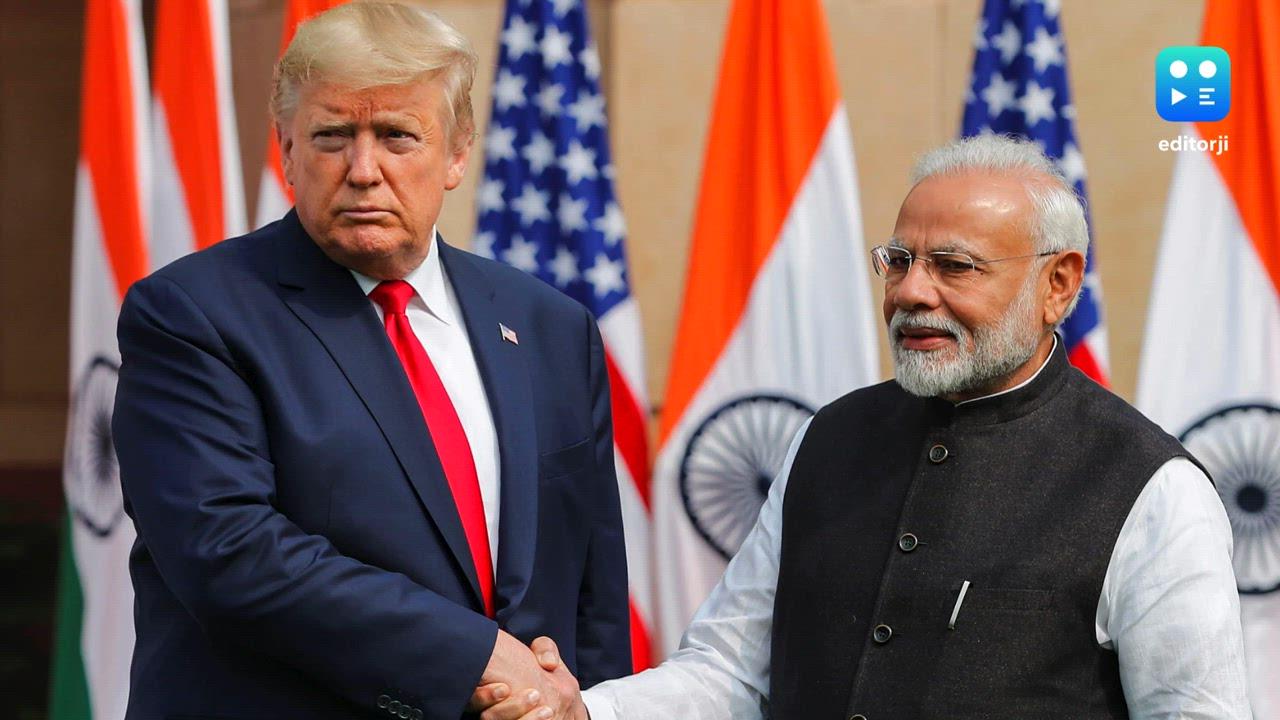
India similarly lacks a comprehensive trade agreement with Trump. On Wednesday, Trump signed an executive order imposing an additional 25% tariff on its Russian oil purchases, raising total U.S. tariffs to 50%.
India’s Foreign Ministry has maintained that it began importing oil from Russia as traditional supplies were diverted to Europe due to the Ukraine conflict, a situation driven by global market dynamics.
Countries Most Affected
Economically strained Laos and conflict-ridden Myanmar and Syria face tariffs of 40-41%.
Trump levied a 50% import tax on Brazil, largely due to dissatisfaction with its handling of former Brazilian President Jair Bolsonaro.
South Africa criticized the 30% tariff imposed on its precious gems and metals, putting 30,000 jobs at risk, forcing the country to explore new markets beyond the U.S.
Even prosperous Switzerland is confronting potential difficulties. Swiss authorities are negotiating in Washington to avoid a hefty 39% tariff on U.S. imports of chocolate, watches, and other products—exceeding the 15% tariff on EU goods.
Canada and Mexico's Unique Arrangements
Products conforming to the 2020 United States-Mexico-Canada Agreement (USMCA), negotiated by Trump, are exempt from these tariffs.
While neighboring ally Canada faced a 35% tariff after differing with Trump regarding the recognition of a Palestinian state, nearly all its U.S. exports remain duty-free.
The Canadian central bank acknowledges that 100% of energy exports and 95% of other exports comply with the agreement. Regional regulations allow Canadian and Mexican entities preferential treatment.
Portions of Mexican exports outside USMCA-covered categories are subject to a reduced 25% tariff, dropping from a previous 30% rate during a 90-day negotiation period initiated last week.
Implications for Businesses
Factory manager surveys provide monthly perspectives on export orders, hiring, and other business health indicators. Recent U.S. and global data reflect predominantly worsening conditions.
In Japan, manufacturing output fell in July, purchasing decreased, and hiring slowed, per the S&P Global Manufacturing PMI. However, this data was collected before a recently signed trade deal lowered tariffs on Japanese exports from 25% to 15%.
Similar surveys reveal declining global manufacturing conditions as initial "front-loading" to bypass higher tariffs waned, according to S&P Global. Conversely, service industries have demonstrated resilience, bolstered by domestic activity recovery. In Asia, regional tourism resurgence also contributed to this.
Corporate financial results are similarly impacted. Honda Motor disclosed Wednesday an estimated $3 billion cost from higher tariffs.
In addition to this, Trump's key strength—the U.S. market as the world's largest—begins to exhibit strain from prolonged tariff disputes.
(Only the headline of this report may have been reworked by Editorji; the rest of the content is auto-generated from a syndicated feed.)