Highlights

Research contests echo chamber theory. Platforms profit from outrage. User behavior fuels affective polarization.

Latest news

AAP holds protest in Ahmedabad’s Naroda after demolition of houses, alleges lack of rehabilitation

AAP holds protest in Ahmedabad’s Naroda after demolition of houses, alleges lack of rehabilitation

AAP claims major win in Punjab local body polls; Gujarat unit sees momentum ahead of state elections
AAP claims major win in Punjab local body polls; Gujarat unit sees momentum ahead of state elections

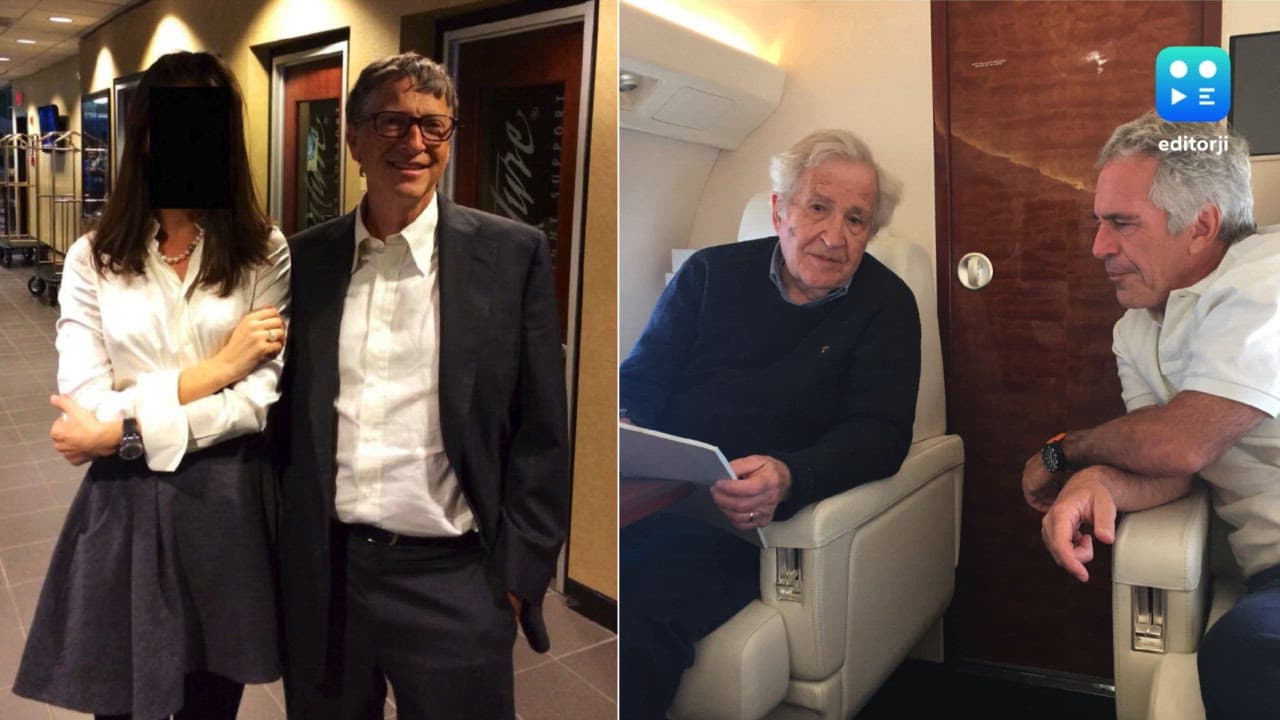
US Democrats release Epstein photos showing Bill Gates, Noam Chomsky

US Democrats release Epstein photos showing Bill Gates, Noam Chomsky

Arsonists target Bangladesh newspapers after student leader's death
Arsonists target Bangladesh newspapers after student leader's death

Govt actively considering industry demands to deal with surplus sugar stock: Food secretary

Govt actively considering industry demands to deal with surplus sugar stock: Food secretary

Winter Session of Lok Sabha ends; key bills passed, debates see politically-charged attacks
Winter Session of Lok Sabha ends; key bills passed, debates see politically-charged attacks

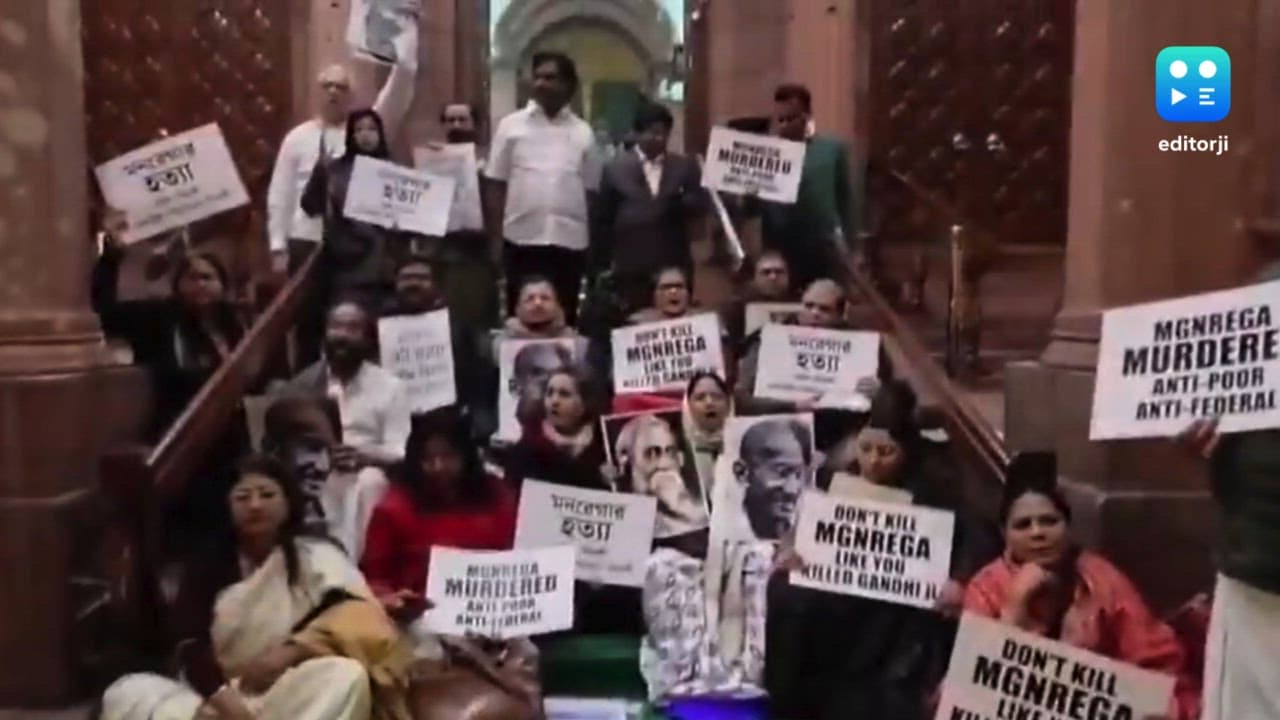
Opposition sits on overnight protest in parliament against passage of G RAM G bill
Opposition sits on overnight protest in parliament against passage of G RAM G bill

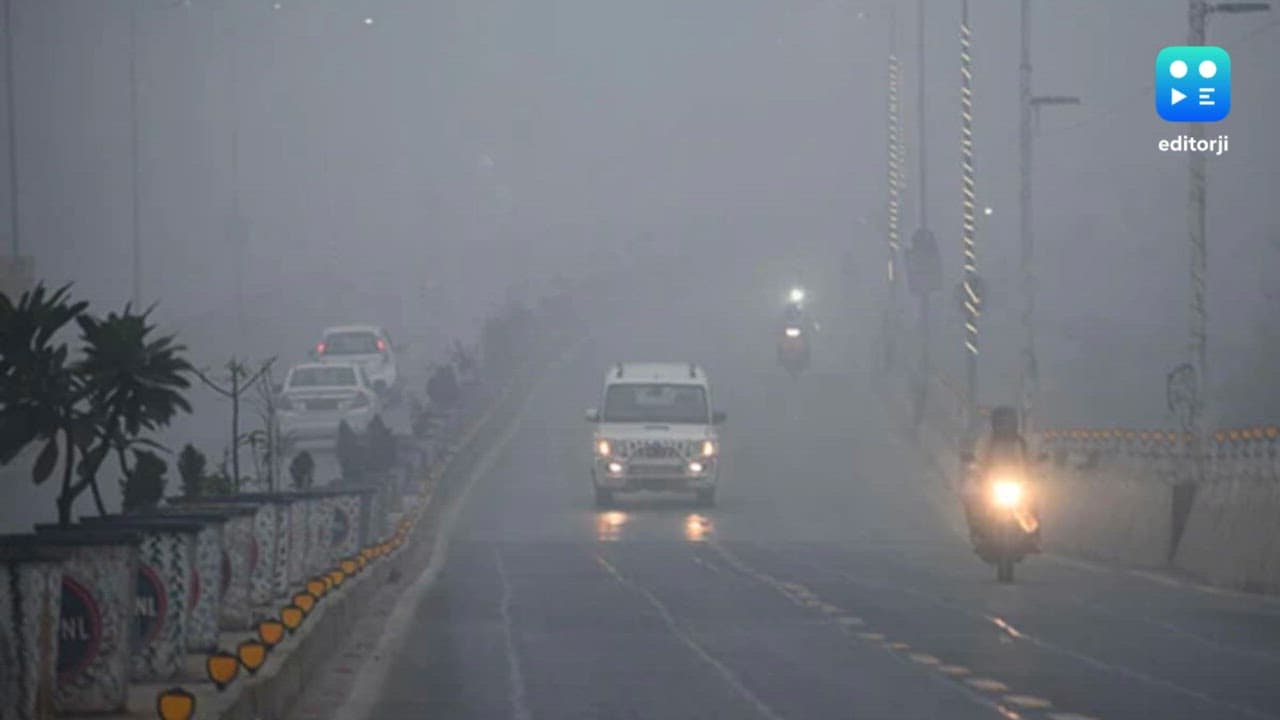
Dense fog blankets north India, IMD issues red alert for Delhi

Dense fog blankets north India, IMD issues red alert for Delhi

Social Media Platforms Are Driving Affective Polarization Globally

Social media splinters users into factions, despite users engaging with opposing views. Platforms profit from divisive content, fostering polarization. Reducing this may require structural incentives shifts.

Social Media Platforms Are Driving Affective Polarization Globally

Melbourne, Oct 17 (The Conversation) Tim Berners-Lee envisioned the world wide web as a tool for easier communication, widespread knowledge access, and reinforced democracy and connection. Unfortunately, rather than uniting us, it seems to be splintering societies into smaller, often hostile, factions. The prevalent blame rests on online echo chambers and filter bubbles, which highlight content aligned with users' existing beliefs.

Nevertheless, recent research contests these ideas. A 2022 study led by Dana demonstrated that social media users frequently interact with opposing content, even deliberately seeking it out. This tendency to engage with disagreeable posts, such as "rage bait," may boost the platform's income, but socially, it incites negative outcomes like "affective polarisation." This form of polarization makes us favor those with similar views and harbor resentment for those with differing opinions, a global phenomenon on the rise.

To curb this polarisation, altering social media platforms' financial structures is imperative, though it requires governmental intervention alongside societal shifts.

Reinforcement of Online Views Social media use has been linked with growing affective polarisation. Online interactions can influence one's opinions, even on previously neutral topics. Admired influencers, for example, can sway views on unfamiliar issues, gradually dividing users into ideologically opposing "partisan sorting" groups.

Research shows that social media encounters can form new opinions and searches for additional information often reinforce these new views through similar language. Heightened emotional states have been associated with increased susceptibility to false or misleading content.

The Economics of Polarising Content Divisive and emotionally charged posts garner significant engagement on social platforms, fueling the platforms' revenue through increased shares, likes, and comments. This cycle is exacerbated by how platforms prioritize such content, a strategy designed to boost advertising income. Reports have indicated that certain reactions, like emoji responses indicating anger, have historically been weighted more heavily than simple "likes". Studies suggest that platforms thrive financially from promoting such engaging yet divisive content.

Charting a New Course The trajectory of social media is not fixed. Users are spending less time on social media; a Financial Times report noted a 10% reduction in user engagement by users aged 16 and older since 2022. Moreover, there's a shift from mainstream platforms to those aligning more closely with individual political views, such as BlueSky and Truth Social. While this migration might not resolve polarization, it indicates a discontent with current platforms.

Social media-induced polarization bears real costs, affecting governmental spending on mental health and policing. In Australia, the influence of online hate and misinformation has been evident in events like neo-Nazi marches and cancellations concerning the LGBTQIA+ community due to threats.

Individuals maintaining a presence on social media can work toward reducing polarization by fostering tolerance for diverse views. Users should avoid promoting content likely to provoke outrage, thereby minimizing platform algorithms' signals.

The primary issue, however, is structural, necessitating a fundamental shift in how online activities are economically incentivized. Encouraging balanced conversations and discouraging rage baiting requires likely governmental action. Historically, harmful products have prompted regulation and taxation. Applying similar strategies to social media platforms could reshape this digital landscape, fostering a world where diverse opinions coexist without ostracization. (The Conversation)

(Only the headline of this report may have been reworked by Editorji; the rest of the content is auto-generated from a syndicated feed.)

ADVERTISEMENT

Up Next

Social Media Platforms Are Driving Affective Polarization Globally

Social Media Platforms Are Driving Affective Polarization Globally

US Democrats release Epstein photos showing Bill Gates, Noam Chomsky
US Democrats release Epstein photos showing Bill Gates, Noam Chomsky

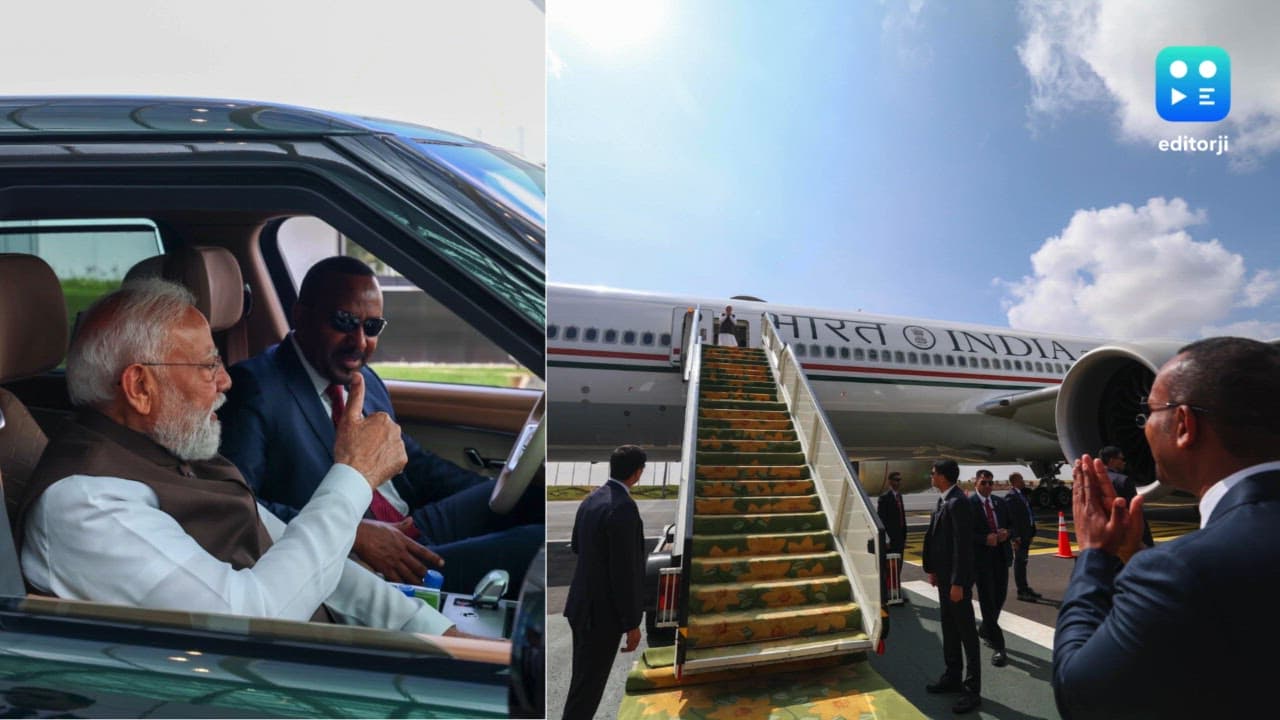
PM Modi departs for Oman on last leg of three-nation visit

PM Modi departs for Oman on last leg of three-nation visit

India closes visa application centre in Bangladesh capital due to security situation

India closes visa application centre in Bangladesh capital due to security situation

Pakistan to sell 100 pc stake in PIA after bidders demand complete control post-privatisation
Pakistan to sell 100 pc stake in PIA after bidders demand complete control post-privatisation

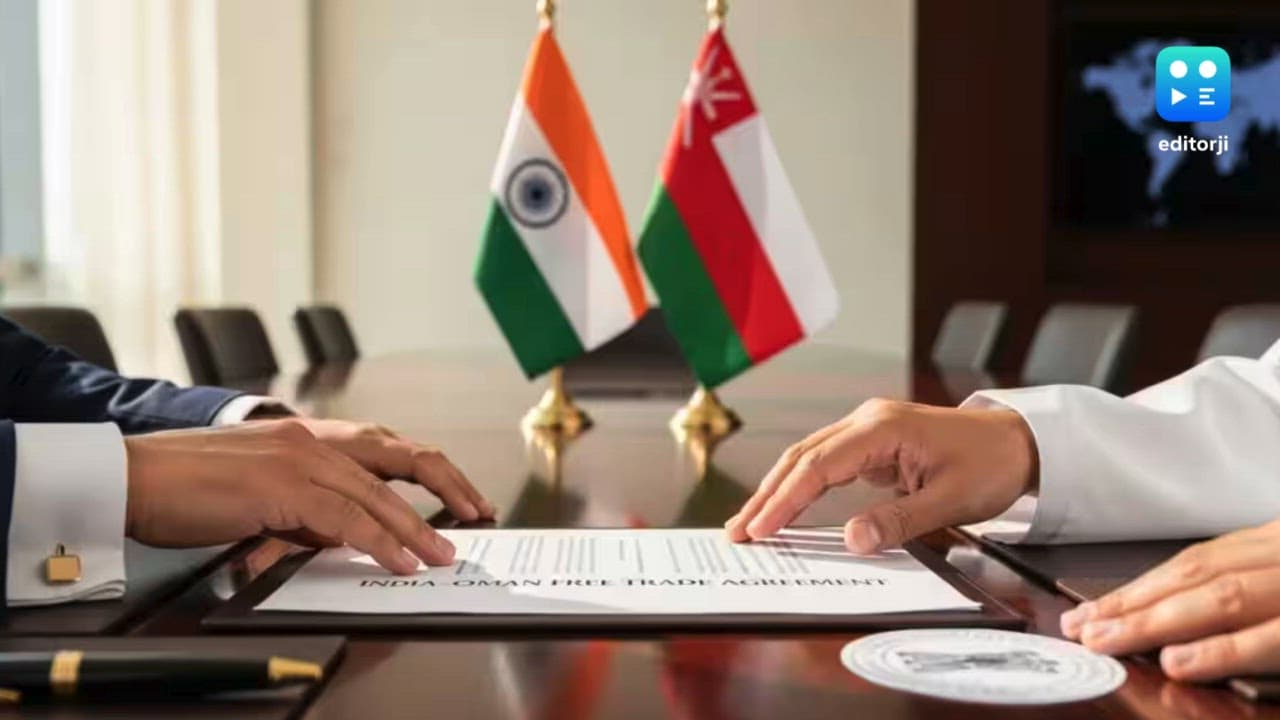
India, Oman to sign free trade agreement in Muscat on Thursday

India, Oman to sign free trade agreement in Muscat on Thursday

ADVERTISEMENT

editorji-whatsApp

More videos

India and Ethiopia are natural partners, says PM Modi in Ethiopian Parliament

India and Ethiopia are natural partners, says PM Modi in Ethiopian Parliament

Trump calls for global unity against radical Islamic terrorism after Bondi attack

Trump calls for global unity against radical Islamic terrorism after Bondi attack

India, Ethiopia elevate ties to strategic partnership as PM Modi holds talks with his counterpart

India, Ethiopia elevate ties to strategic partnership as PM Modi holds talks with his counterpart

PM Modi conferred Ethiopia’s highest civilian honour in Addis Ababa

PM Modi conferred Ethiopia’s highest civilian honour in Addis Ababa

Trump imposes full travel bans on seven more countries, Palestinians
Trump imposes full travel bans on seven more countries, Palestinians

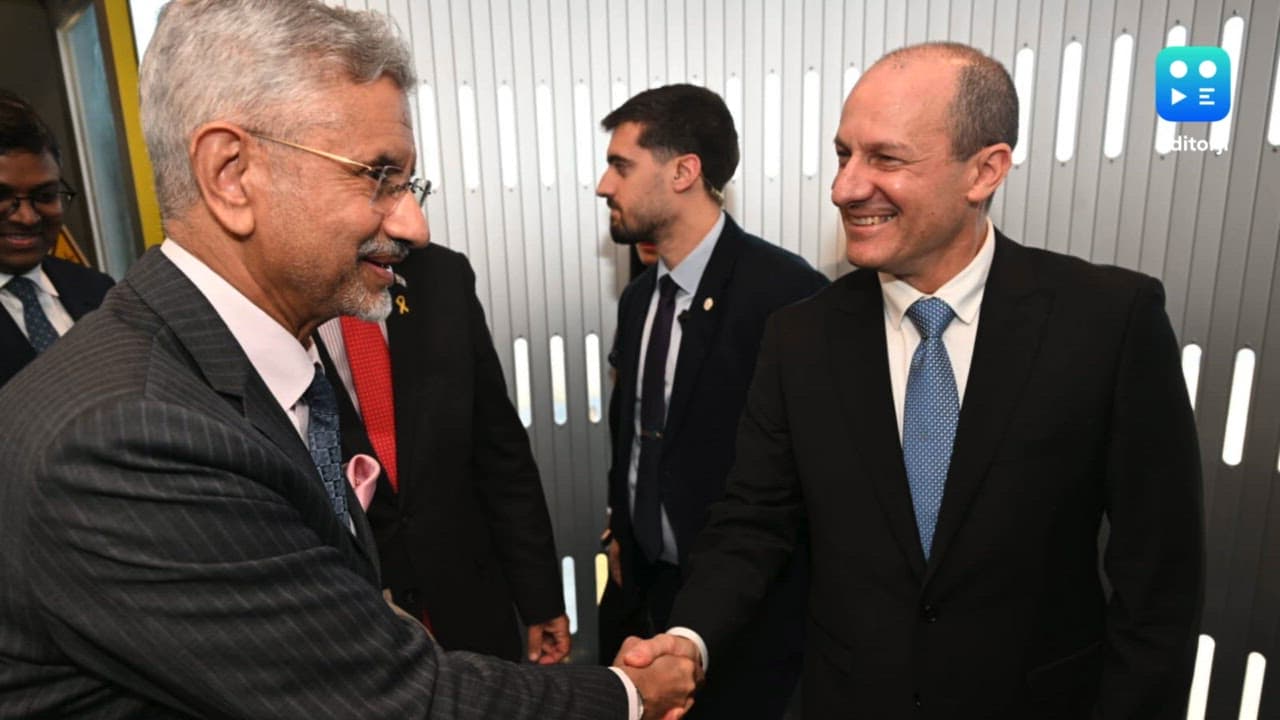
EAM S. Jaishankar arrives in Israel on two-day visit; to hold talks with top leadership
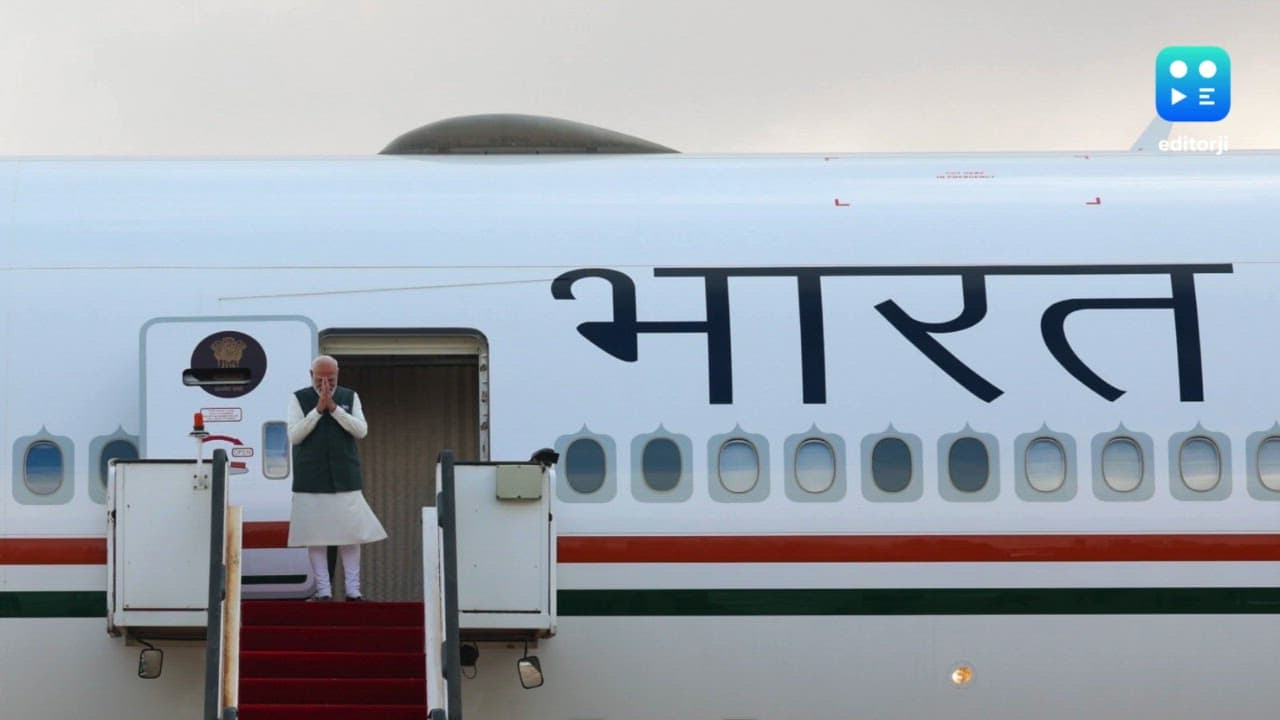
EAM S. Jaishankar arrives in Israel on two-day visit; to hold talks with top leadership

Prime Minister Narendra Modi departed for Ethiopia from Jordan

Prime Minister Narendra Modi departed for Ethiopia from Jordan

Magnitude 5.2 earthquake shakes Karachi and Balochistan, no casualty reported

Magnitude 5.2 earthquake shakes Karachi and Balochistan, no casualty reported

Crown Prince drives PM Modi to Jordan Museum in special gesture
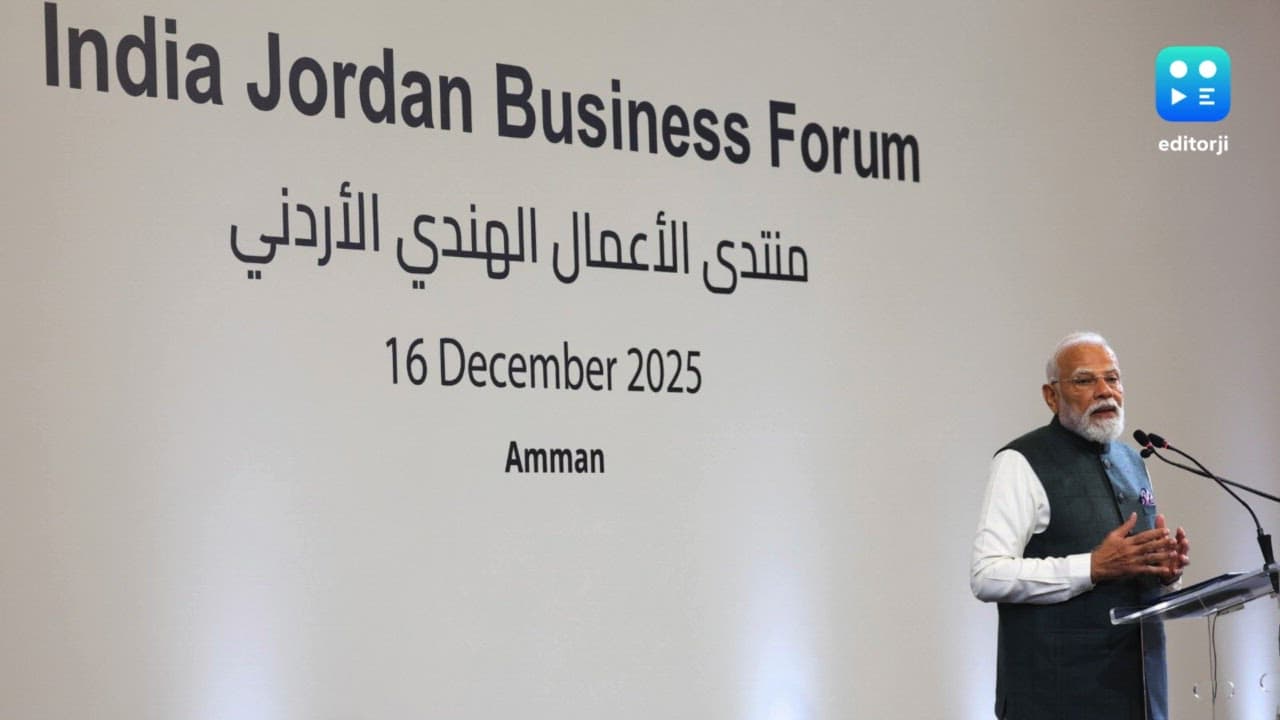
Crown Prince drives PM Modi to Jordan Museum in special gesture

PM Modi highlights substantive outcomes of Jordan visit, says ties expanded across key sectors

PM Modi highlights substantive outcomes of Jordan visit, says ties expanded across key sectors

Editorji Technologies Pvt. Ltd. © 2022 All Rights Reserved.