Highlights

Commoners crafted khipus. Hair served as a signature. Broadened khipu literacy.

Latest news
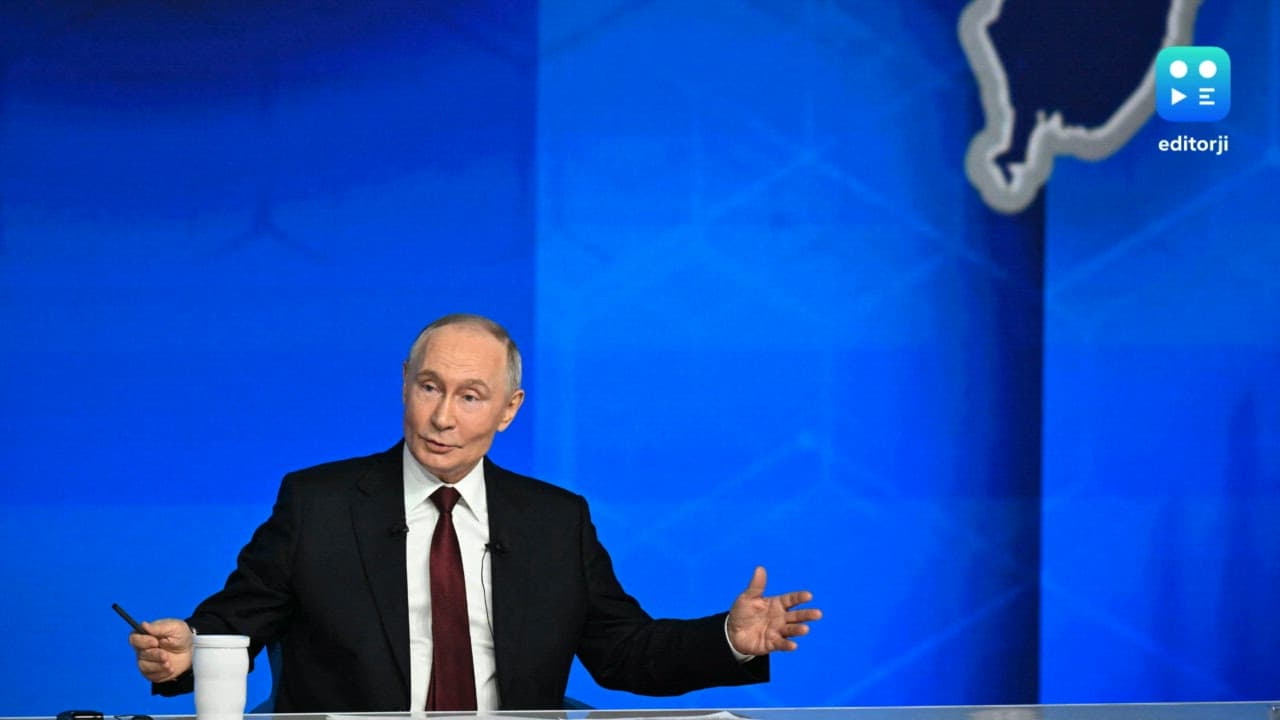
Putin hails Ukraine gains, threatens more, in annual press conference

Putin hails Ukraine gains, threatens more, in annual press conference

OnePlus Pad Go 2 Review: No drama, just a good tablet  
OnePlus Pad Go 2 Review: No drama, just a good tablet  

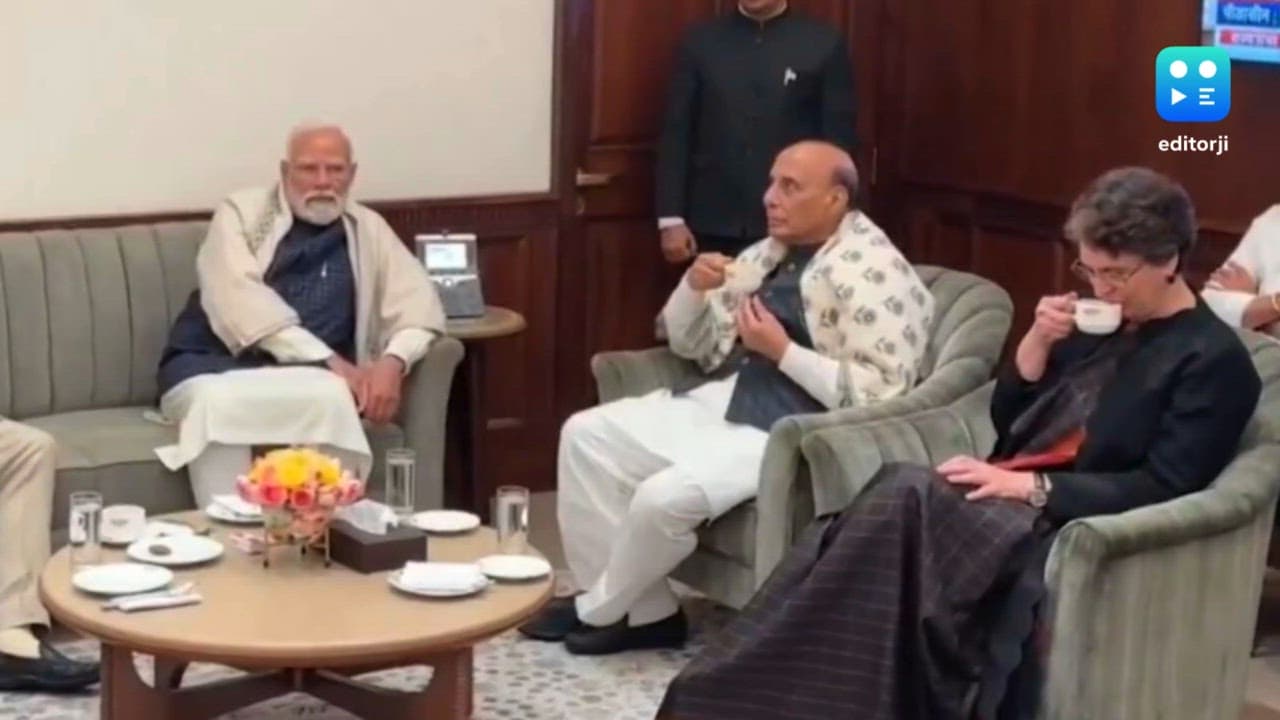
Parliament Moment: Priyanka Gandhi shares tea with Rajnath Singh. PM Modi and Om Birla

Parliament Moment: Priyanka Gandhi shares tea with Rajnath Singh. PM Modi and Om Birla

Cold wave deepens in Kashmir as Chillai-Kalan nears, temperatures dip below freezing
Cold wave deepens in Kashmir as Chillai-Kalan nears, temperatures dip below freezing

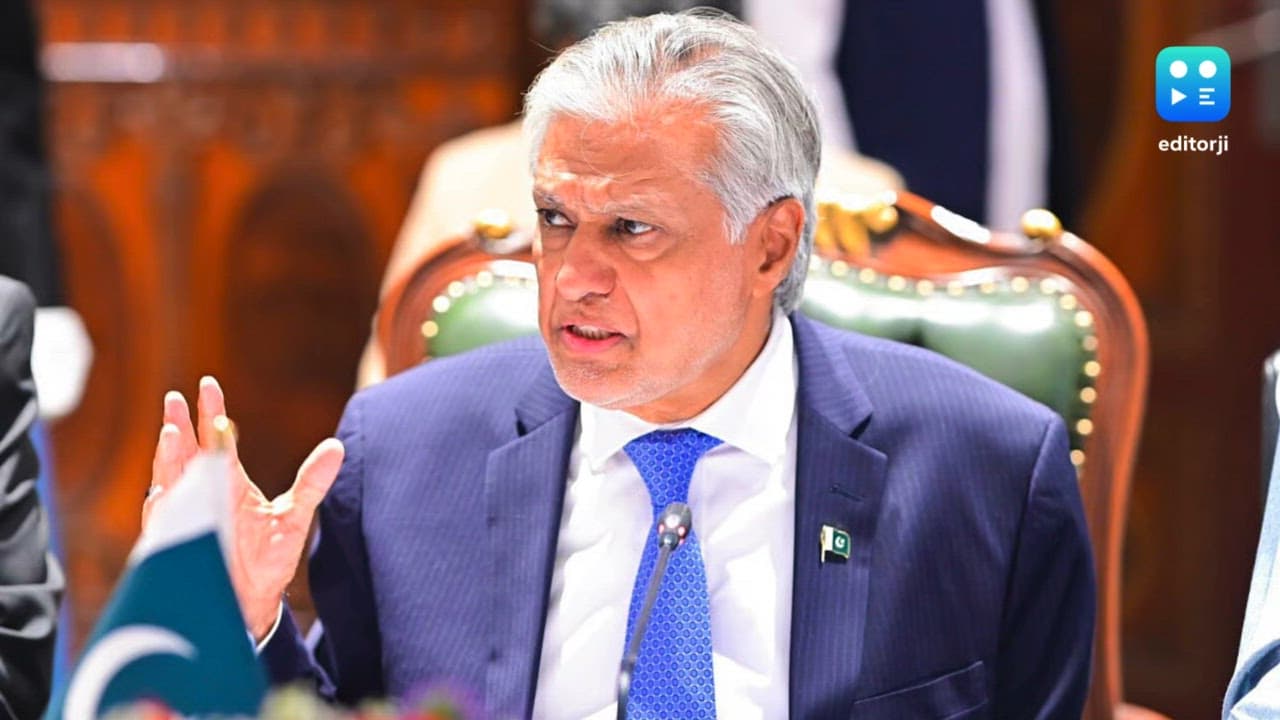
Pakistan accuses India of attempting to undermine Indus treaty
Pakistan accuses India of attempting to undermine Indus treaty

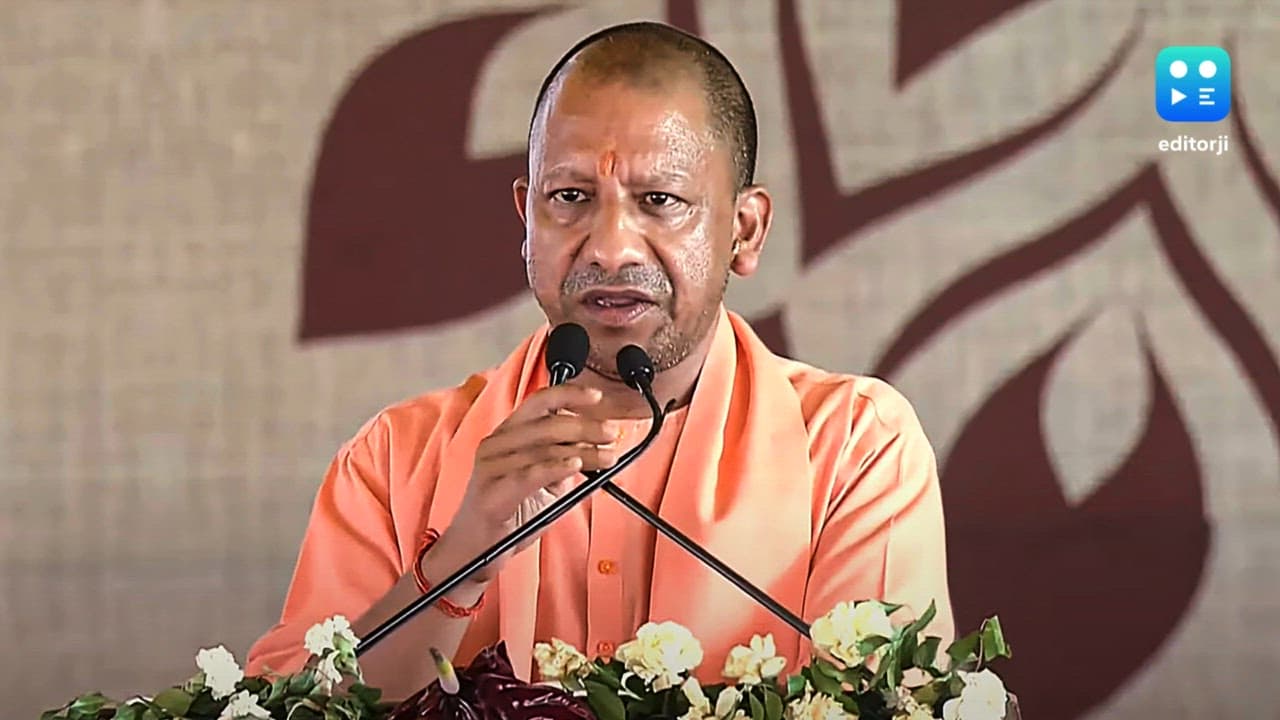
Vande Mataram discussion in UP legislature to mark 150th anniversary: Yogi Adityanath

Vande Mataram discussion in UP legislature to mark 150th anniversary: Yogi Adityanath

Ashes 2025: Travis Head slams unbeaten 142 to crush England's Ashes hopes

Ashes 2025: Travis Head slams unbeaten 142 to crush England's Ashes hopes

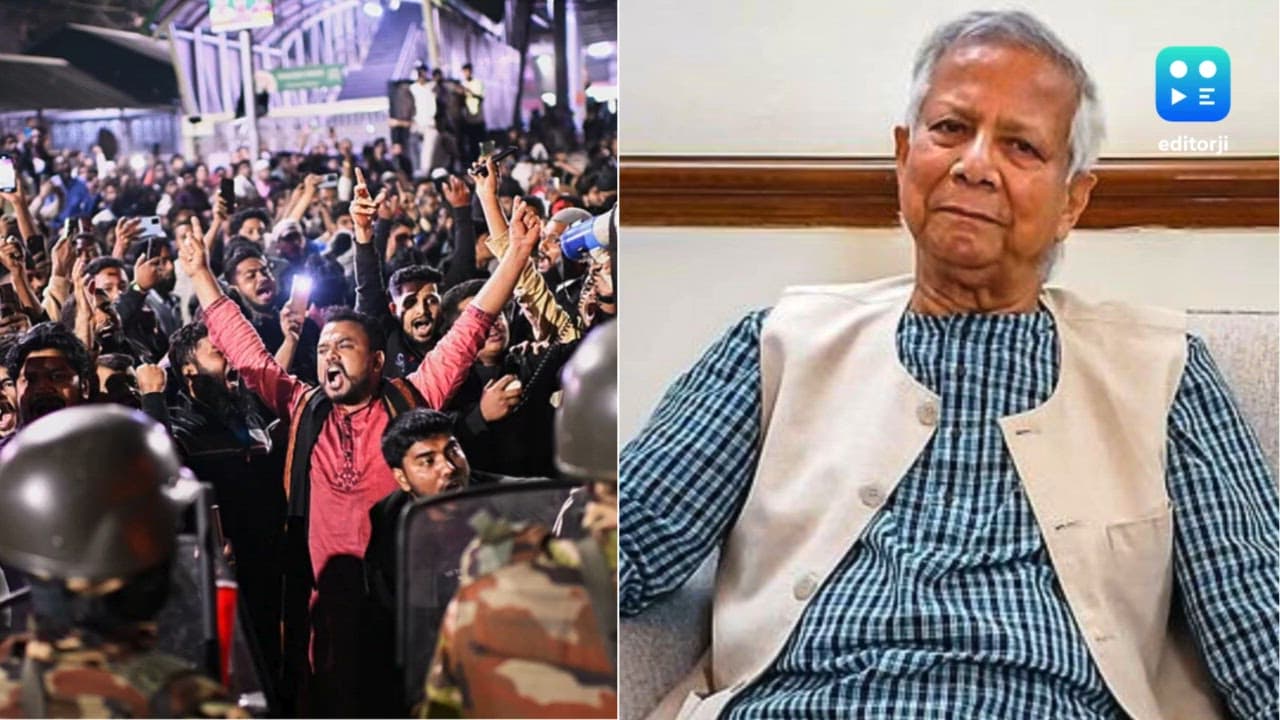
Tipra Motha youth wing protests Bangladesh leader's anti-India remarks in Agartala

Tipra Motha youth wing protests Bangladesh leader's anti-India remarks in Agartala

Ancient Inca Khipus: Unveiling New Perspectives on Craftsmanship
New evidence suggests that both commoners and elites in the Inca empire crafted khipus, expanding the understanding of khipu literacy beyond the elite. Khipus bore 'signatures' in the form of human hair, revealing the broader participation in record-keeping.

Ancient Inca Khipus: Unveiling New Perspectives on Craftsmanship

St Andrews (UK), Aug 14 (The Conversation) — The ancient Inca empire had a unique method of record-keeping: knotted cords known as khipus. These cords documented various aspects of Incan life, such as economics, religion, demographics, and history. Until recently, researchers believed that only elite officials, who lived lavishly, had the knowledge to create these khipus. The absence of direct evidence about these khipu experts led researchers to depend on descriptions from Spanish colonial chroniclers.

In the Inca tradition, there was no distinction between "author" and "scribe"; the two roles were unified. The term for an Inca khipu maker, "khipu kamayuq," originates from the verb "kamay," which means to create or energize matter. These experts, called "kamayuq," were thought to imbue their vitality into the khipus they crafted.

However, my research team has uncovered evidence suggesting that commoners also crafted khipus in the Inca empire. This discovery implies that khipu literacy extended beyond previously thought boundaries. Our breakthrough realization was that khipu experts would "sign" their khipus with locks of their hair. In Inca cosmology, hair contained a person's essence, retaining identity even when separated from the individual. A child's first haircut was a significant rite, with the hair offered to the gods or kept as sacred. An Inca emperor's hair, preserved during his lifetime, was fashioned into a simulacrum after his death and revered as the emperor himself.

When human hair appeared on khipus, it served as the "signature" of the khipu maker. Our team witnessed this in Jucul, a Peruvian highland village, where villagers have over 90 ancestral khipus, some several centuries old. On these khipus, hair on the primary cord signifies who crafted each section. Past findings indicate highland Peruvian herders also tied hair to khipus to denote responsibility for the encoded information. Other items, such as insignia strips tied to the cord, can represent the khipu's creator, infusing it with their authority.

In khipus containing data from multiple people, information was marked using pendant bands of uniform color or included hair from various individuals. Analyzing a specific Inca-era khipu, designated KH0631, we discovered its primary cord was entirely made from one person's hair. Since khipus hadn't previously been checked for human hair, the frequency of this practice remains unknown.

The KH0631 hair, representing over eight years of growth, was folded and twisted into the khipu. We conducted isotopic analysis on a hair sample to determine the creator's life and diet. A diet rich in meat and maize often signified high status, while tubers and greens indicated a commoner. Results showed the KH0631 creator followed the latter diet, suggesting their status as a commoner living in the highlands with minimal seafood intake.

While the exact location within the Andes remains undetermined, the oxygen and hydrogen isotopes indicate a residence at high altitudes in southern Peru or northern Chile. This isotopic analysis of khipu fibers, illuminating the maker's identity, allows us to re-evaluate previous assumptions about khipu creation. Our evidence suggests that not only elites but commoners too crafted khipus, revealing a broader scope of khipu literacy than once believed.

(The Conversation) NPK NPK

(Only the headline of this report may have been reworked by Editorji; the rest of the content is auto-generated from a syndicated feed.)

ADVERTISEMENT

Up Next

Ancient Inca Khipus: Unveiling New Perspectives on Craftsmanship

Ancient Inca Khipus: Unveiling New Perspectives on Craftsmanship

Bangladesh interim government condemns violence amid nationwide unrest

Bangladesh interim government condemns violence amid nationwide unrest

Arsonists target Bangladesh newspapers after student leader's death

Arsonists target Bangladesh newspapers after student leader's death

US Democrats release Epstein photos showing Bill Gates, Noam Chomsky
US Democrats release Epstein photos showing Bill Gates, Noam Chomsky

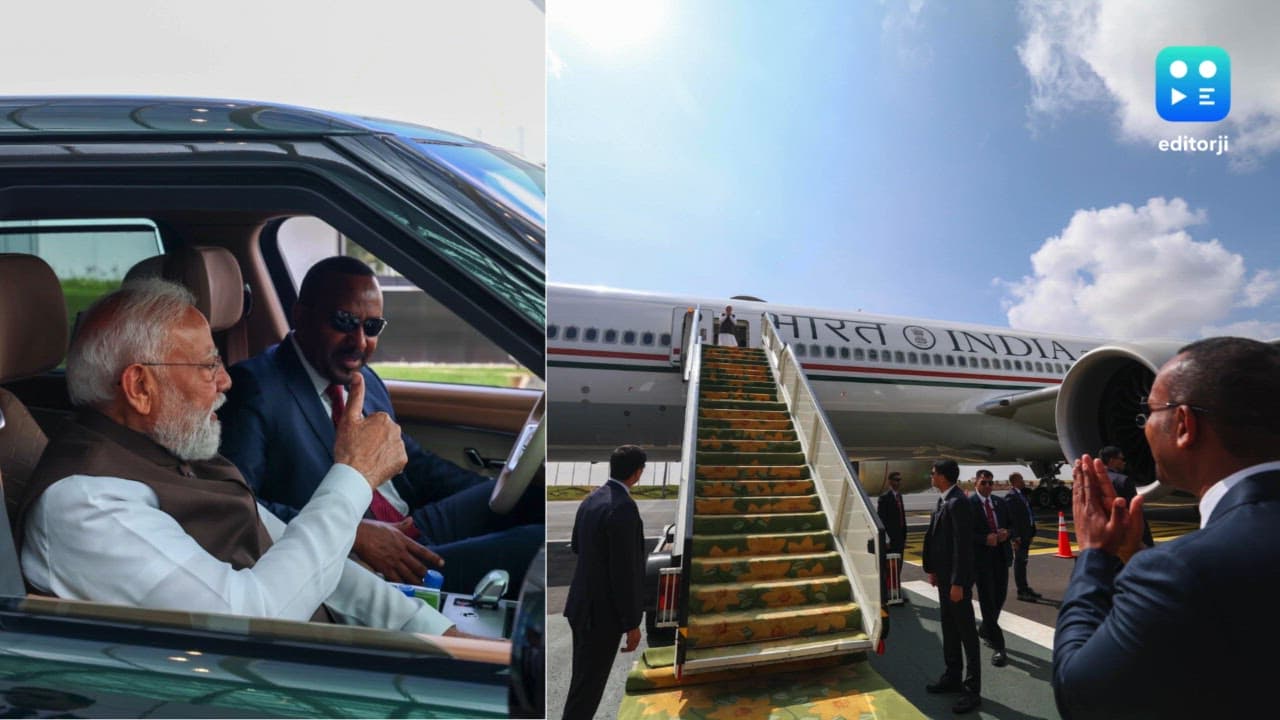
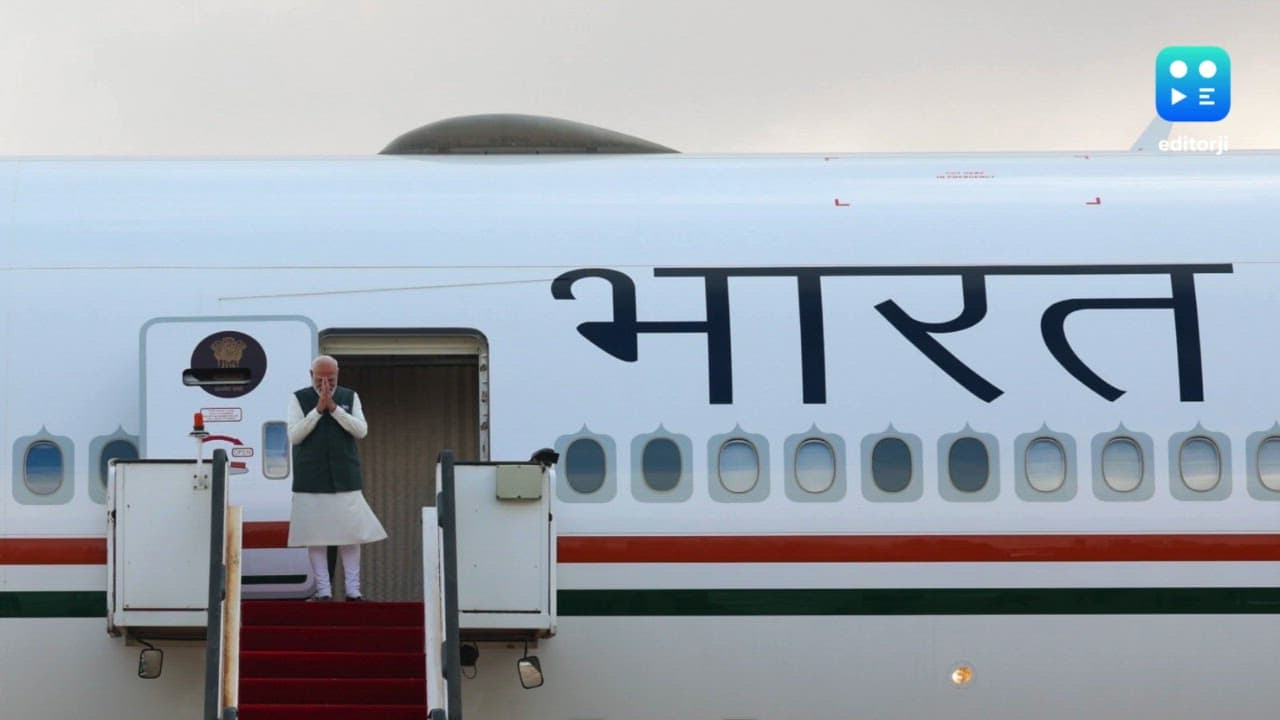
PM Modi departs for Oman on last leg of three-nation visit

PM Modi departs for Oman on last leg of three-nation visit

India closes visa application centre in Bangladesh capital due to security situation

India closes visa application centre in Bangladesh capital due to security situation

ADVERTISEMENT

editorji-whatsApp

More videos

Pakistan to sell 100 pc stake in PIA after bidders demand complete control post-privatisation

Pakistan to sell 100 pc stake in PIA after bidders demand complete control post-privatisation

India, Oman to sign free trade agreement in Muscat on Thursday
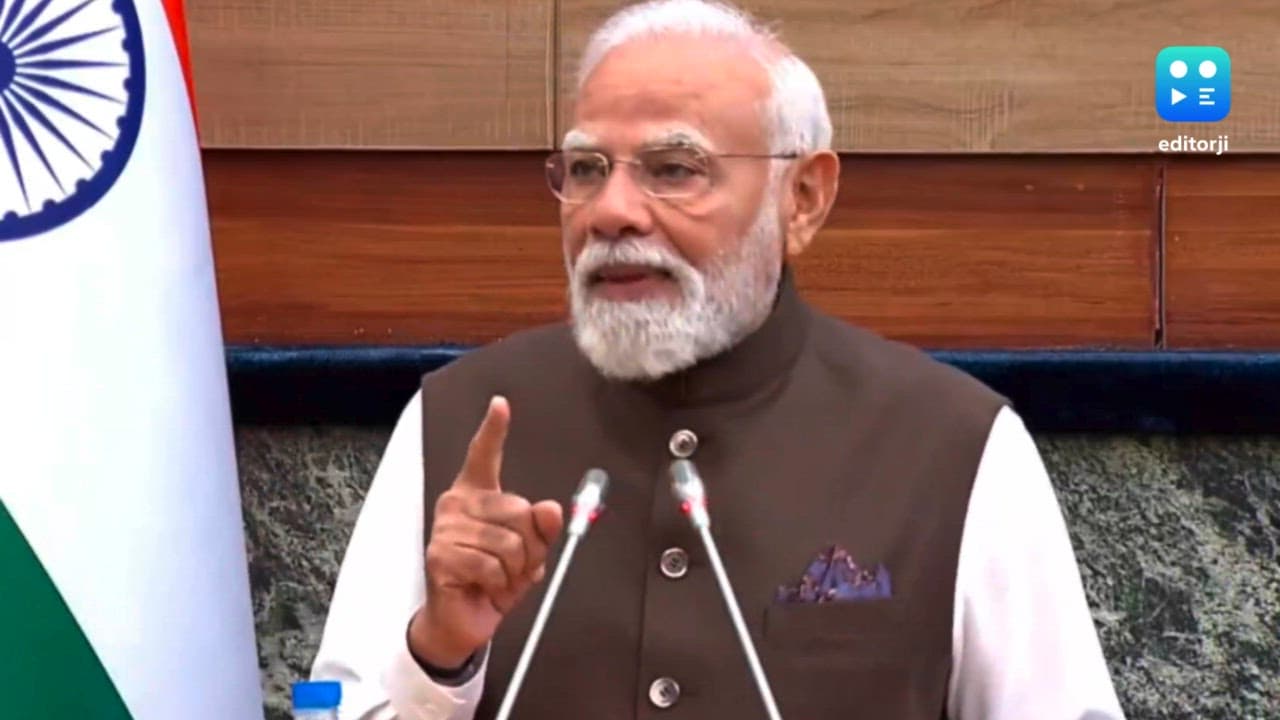
India, Oman to sign free trade agreement in Muscat on Thursday

India and Ethiopia are natural partners, says PM Modi in Ethiopian Parliament

India and Ethiopia are natural partners, says PM Modi in Ethiopian Parliament

Trump calls for global unity against radical Islamic terrorism after Bondi attack

Trump calls for global unity against radical Islamic terrorism after Bondi attack

India, Ethiopia elevate ties to strategic partnership as PM Modi holds talks with his counterpart

India, Ethiopia elevate ties to strategic partnership as PM Modi holds talks with his counterpart

PM Modi conferred Ethiopia’s highest civilian honour in Addis Ababa

PM Modi conferred Ethiopia’s highest civilian honour in Addis Ababa

Trump imposes full travel bans on seven more countries, Palestinians
Trump imposes full travel bans on seven more countries, Palestinians

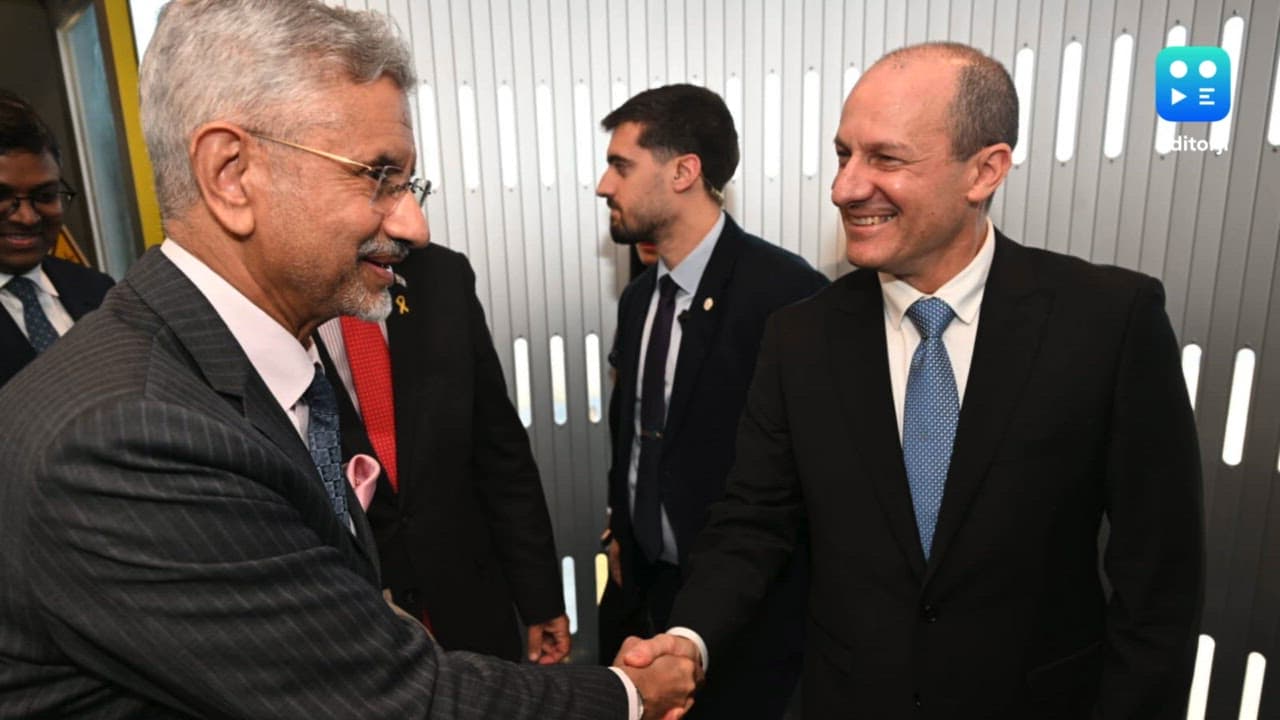
EAM S. Jaishankar arrives in Israel on two-day visit; to hold talks with top leadership
EAM S. Jaishankar arrives in Israel on two-day visit; to hold talks with top leadership

Prime Minister Narendra Modi departed for Ethiopia from Jordan

Prime Minister Narendra Modi departed for Ethiopia from Jordan

Magnitude 5.2 earthquake shakes Karachi and Balochistan, no casualty reported

Magnitude 5.2 earthquake shakes Karachi and Balochistan, no casualty reported

Editorji Technologies Pvt. Ltd. © 2022 All Rights Reserved.