Highlights

New research calls for policy change. Promotes 'food care' perspective. Challenges parental blame narrative.

Latest news

Putin hails Ukraine gains, threatens more, in annual press conference

Putin hails Ukraine gains, threatens more, in annual press conference

OnePlus Pad Go 2 Review: No drama, just a good tablet  
OnePlus Pad Go 2 Review: No drama, just a good tablet  

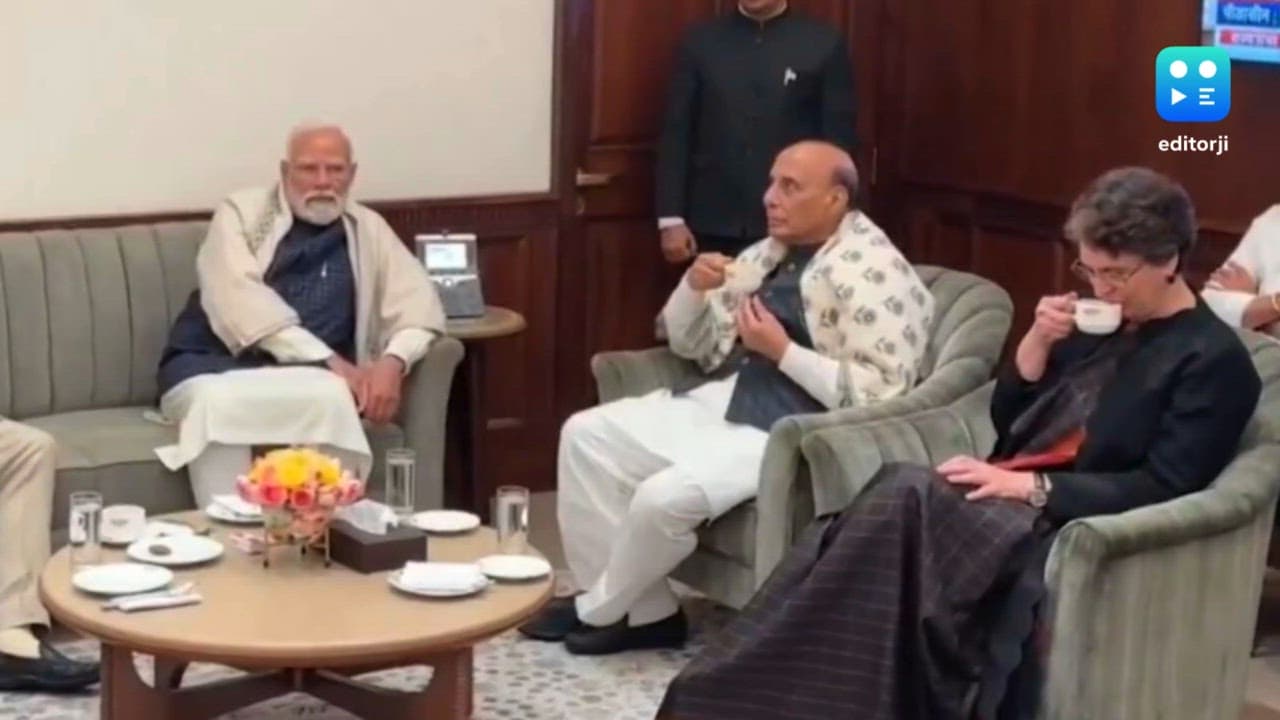
Parliament Moment: Priyanka Gandhi shares tea with Rajnath Singh. PM Modi and Om Birla
Parliament Moment: Priyanka Gandhi shares tea with Rajnath Singh. PM Modi and Om Birla

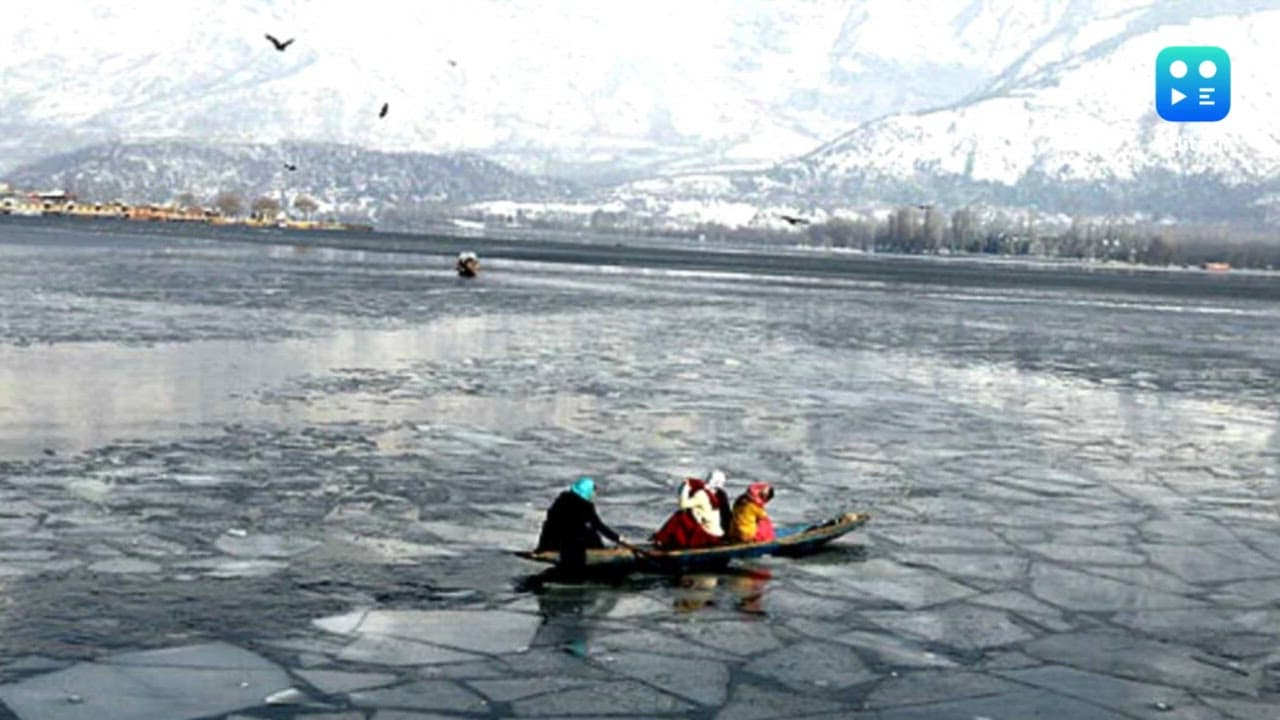
Cold wave deepens in Kashmir as Chillai-Kalan nears, temperatures dip below freezing
Cold wave deepens in Kashmir as Chillai-Kalan nears, temperatures dip below freezing

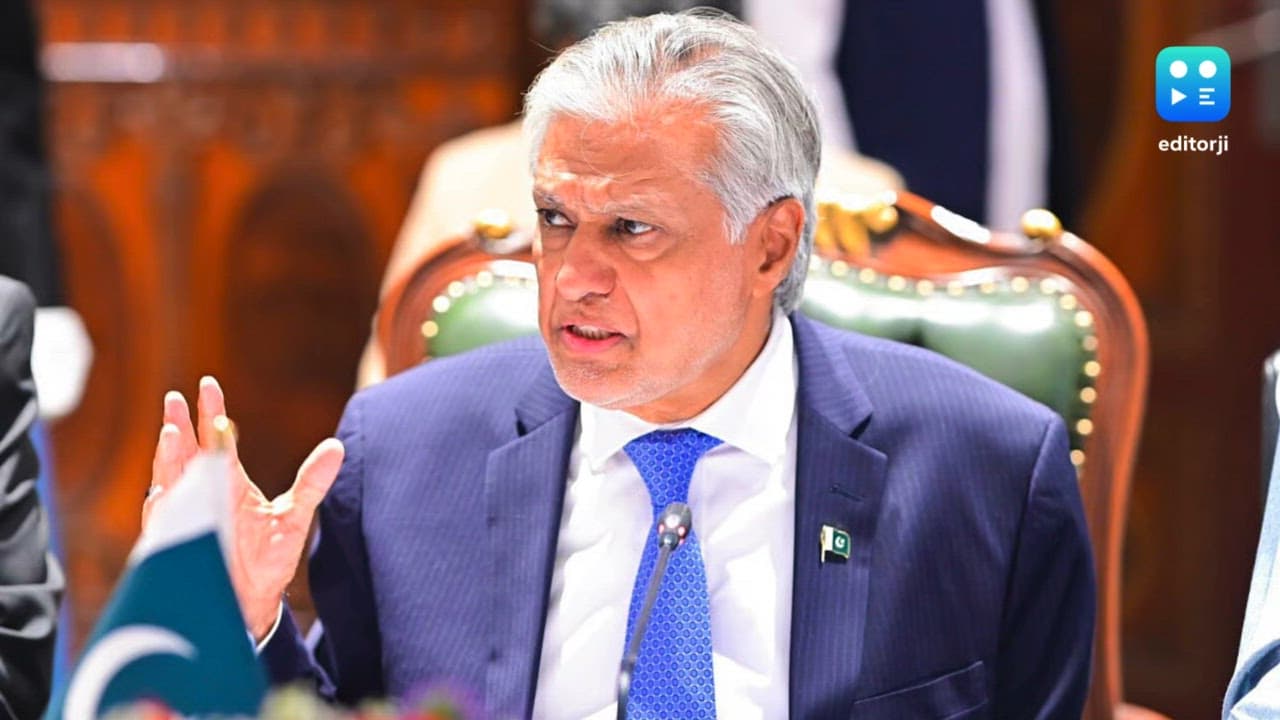
Pakistan accuses India of attempting to undermine Indus treaty
Pakistan accuses India of attempting to undermine Indus treaty

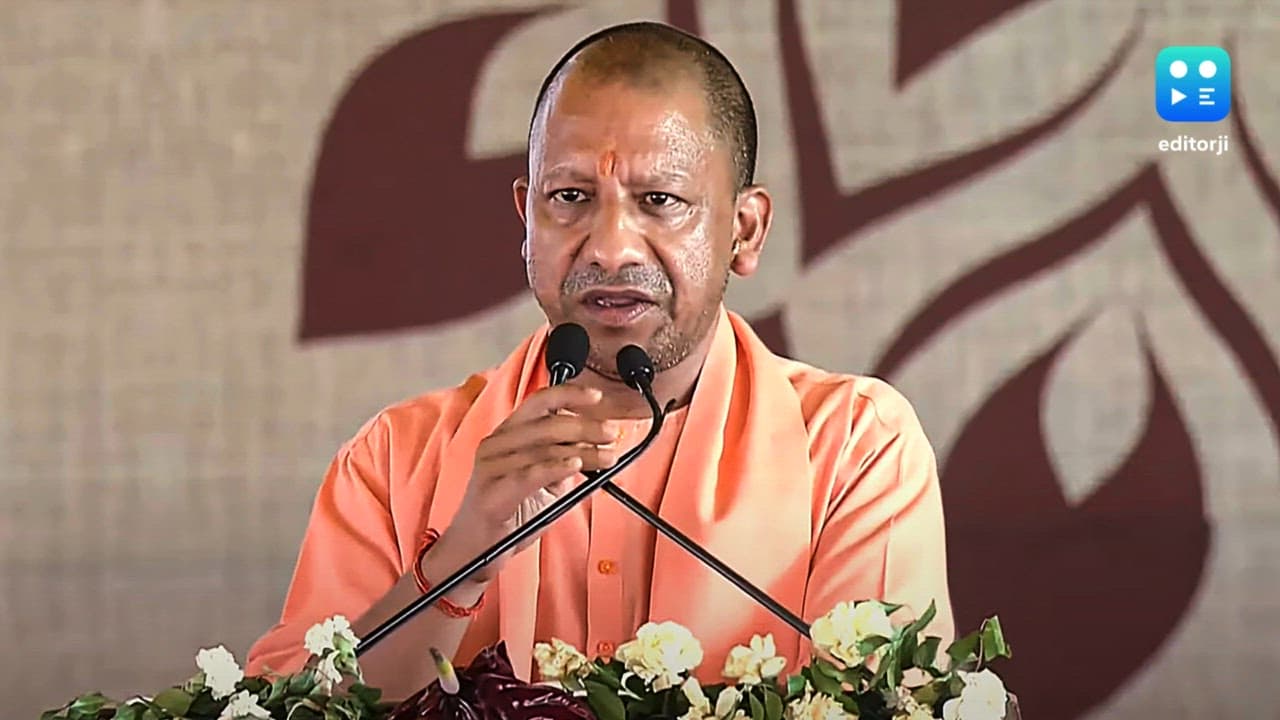
Vande Mataram discussion in UP legislature to mark 150th anniversary: Yogi Adityanath

Vande Mataram discussion in UP legislature to mark 150th anniversary: Yogi Adityanath

Ashes 2025: Travis Head slams unbeaten 142 to crush England's Ashes hopes

Ashes 2025: Travis Head slams unbeaten 142 to crush England's Ashes hopes

Tipra Motha youth wing protests Bangladesh leader's anti-India remarks in Agartala

Tipra Motha youth wing protests Bangladesh leader's anti-India remarks in Agartala

Rethinking Child Nutrition: Beyond Parental Blame
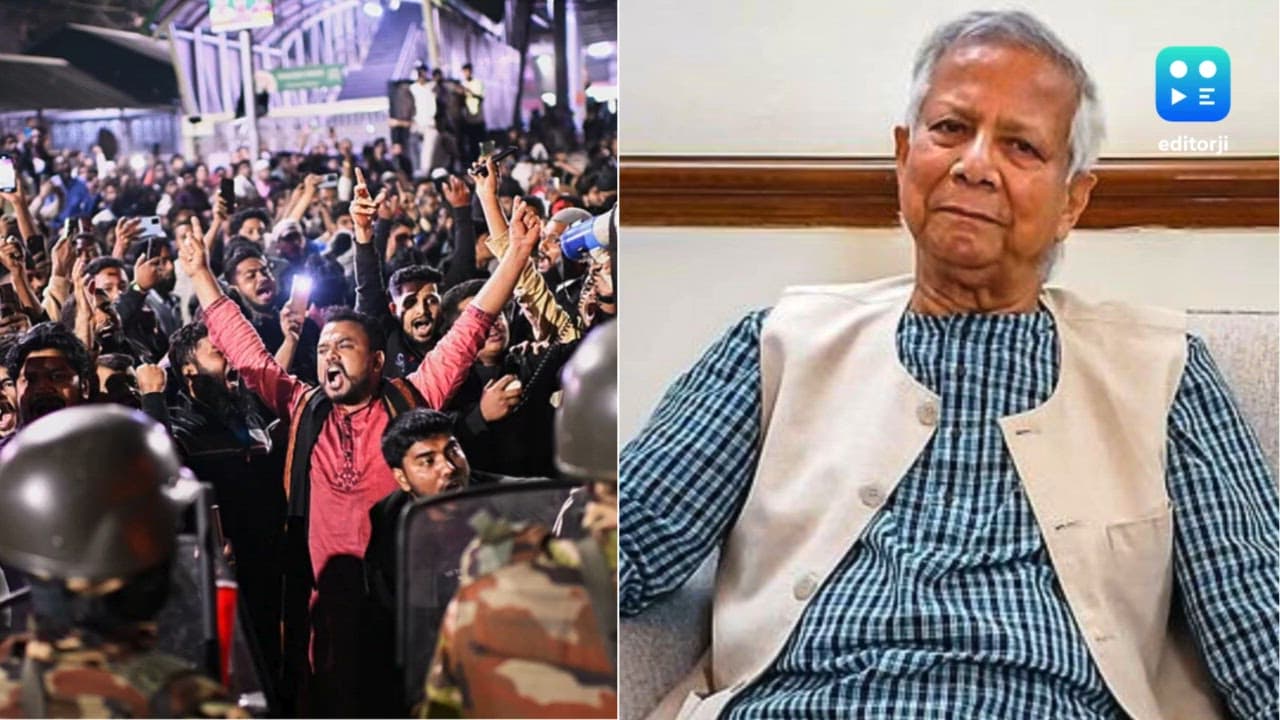
Research urges a shift from parental blame to a 'food care' perspective, emphasizing social and political influences on children's nutrition.

Rethinking Child Nutrition: Beyond Parental Blame

Adelaide, Aug 21 (The Conversation) — If raising a child takes a village, so does meeting their nutritional needs. While family caregivers directly nurture children’s health and nutrition, a broader "village," including policymakers, governments, health and education systems, social services, and civil-society groups, plays a critical role. Insights from research help these multi-sector villages enhance health policies and prevent food-related issues in children. Yet, much medical research focuses more on parental errors than on the societal conditions and resources families need to better children’s nutrition.

In our recent study, we found that medical journals often repeat outdated stereotypes and assumptions. There’s a need to refresh the approach to addressing school-aged children’s food needs.

As nutrition researchers and dietitians, we reviewed numerous studies on food and nutrition, authoring critical analyses on childhood nutrition and family food practices. We examined two major medical research databases to identify common research questions, theories, and measurements pertaining to caring for school-aged children’s nutritional needs.

Finding no existing term to encapsulate our focus, we proposed a research framework called "food care." This concept refers to the concern, interest, or action taken to provide necessary food for oneself or others. While we found valuable studies about children’s diets and risk factors, important elements of the food care framework, such as social and political factors, remain largely unexamined in health research.

Most studies focus on family-centered care, often blaming parents for children’s nutritional challenges. Three-quarters of the analyzed studies linked parental actions to increased risks of feeding problems, disordered eating, or poor mental health. The research spotlighted caregivers’ feeding practices, parental focus on body weight, promotion of healthy eating, and mealtime interactions. These studies frequently portrayed parental actions as wrong—even when their impact was minimal—and inadvertently fostered a "parent-blaming" narrative.

Rarely did researchers assess how parental food care fosters healthy relationships, psychological attachment, or community benefits. In an era dominated by intensive parenting ideologies, many studies unintentionally embed assumptions that push for more extensive parental effort in children’s health outcomes.

Recommendations often lack perspective, ignoring broader conditions affecting family food dynamics, and overlook structural supports like policies and resources that aid parents. While researchers suggest offering more guidance on healthy eating, they fail to address the complex social realities families face.

Though medical research contributes to pediatric nutrition improvements, its disconnection from family life’s complexities calls for a shift. Critical elements like access to nutritious food, food preparation resources, food literacy, and community food environments need more exploration in these studies. It’s time to challenge embedded assumptions and ensure research doesn’t perpetuate narrow narratives about parental fault.

Health researchers should reflect on assumptions about gender roles, parenting, and family feeding dynamics to ensure a richer understanding of childcare’s nutritional aspects. Despite awareness raised by family food scholars decades ago, much work remains to elevate the vital daily work of feeding families.

(Only the headline of this report may have been reworked by Editorji; the rest of the content is auto-generated from a syndicated feed.)

ADVERTISEMENT

Up Next

Rethinking Child Nutrition: Beyond Parental Blame

Rethinking Child Nutrition: Beyond Parental Blame

Bangladesh interim government condemns violence amid nationwide unrest

Bangladesh interim government condemns violence amid nationwide unrest

Arsonists target Bangladesh newspapers after student leader's death

Arsonists target Bangladesh newspapers after student leader's death

US Democrats release Epstein photos showing Bill Gates, Noam Chomsky

US Democrats release Epstein photos showing Bill Gates, Noam Chomsky

PM Modi departs for Oman on last leg of three-nation visit

PM Modi departs for Oman on last leg of three-nation visit

India closes visa application centre in Bangladesh capital due to security situation

India closes visa application centre in Bangladesh capital due to security situation

ADVERTISEMENT

editorji-whatsApp

More videos

Pakistan to sell 100 pc stake in PIA after bidders demand complete control post-privatisation

Pakistan to sell 100 pc stake in PIA after bidders demand complete control post-privatisation

India, Oman to sign free trade agreement in Muscat on Thursday
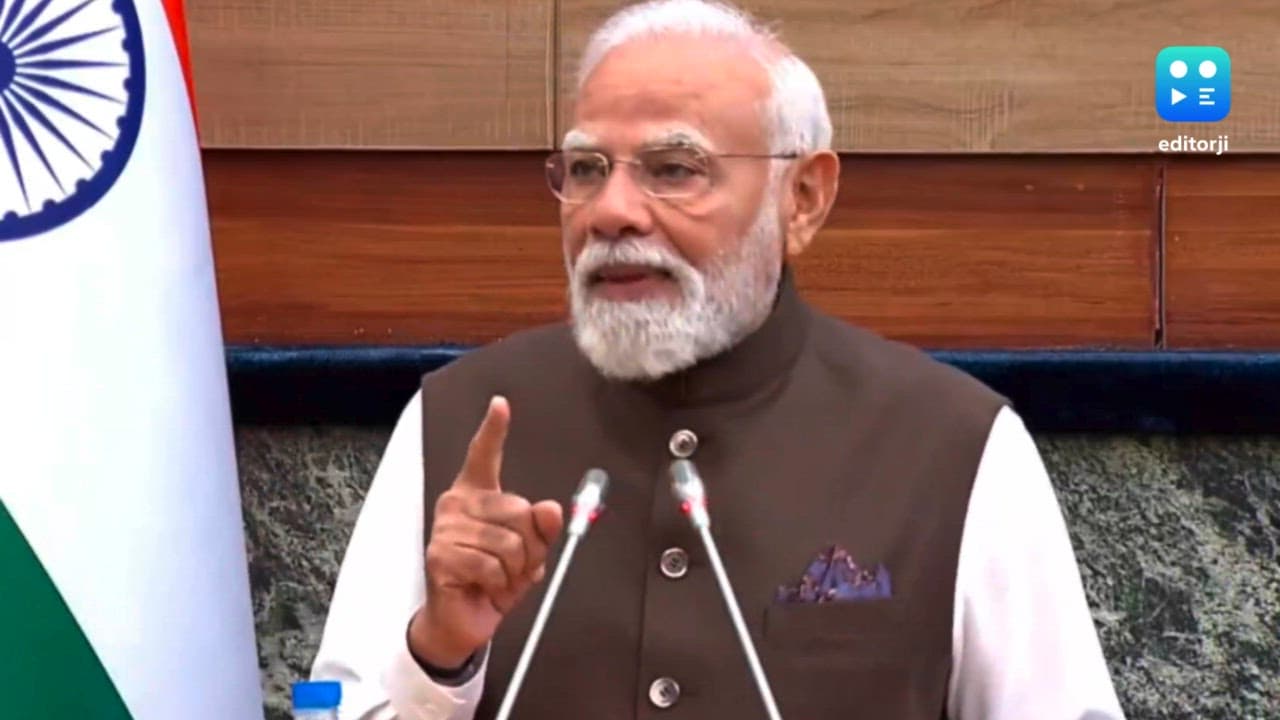
India, Oman to sign free trade agreement in Muscat on Thursday

India and Ethiopia are natural partners, says PM Modi in Ethiopian Parliament

India and Ethiopia are natural partners, says PM Modi in Ethiopian Parliament

Trump calls for global unity against radical Islamic terrorism after Bondi attack

Trump calls for global unity against radical Islamic terrorism after Bondi attack

India, Ethiopia elevate ties to strategic partnership as PM Modi holds talks with his counterpart

India, Ethiopia elevate ties to strategic partnership as PM Modi holds talks with his counterpart

PM Modi conferred Ethiopia’s highest civilian honour in Addis Ababa

PM Modi conferred Ethiopia’s highest civilian honour in Addis Ababa

Trump imposes full travel bans on seven more countries, Palestinians

Trump imposes full travel bans on seven more countries, Palestinians

EAM S. Jaishankar arrives in Israel on two-day visit; to hold talks with top leadership

EAM S. Jaishankar arrives in Israel on two-day visit; to hold talks with top leadership

Prime Minister Narendra Modi departed for Ethiopia from Jordan

Prime Minister Narendra Modi departed for Ethiopia from Jordan

Magnitude 5.2 earthquake shakes Karachi and Balochistan, no casualty reported

Magnitude 5.2 earthquake shakes Karachi and Balochistan, no casualty reported

Editorji Technologies Pvt. Ltd. © 2022 All Rights Reserved.