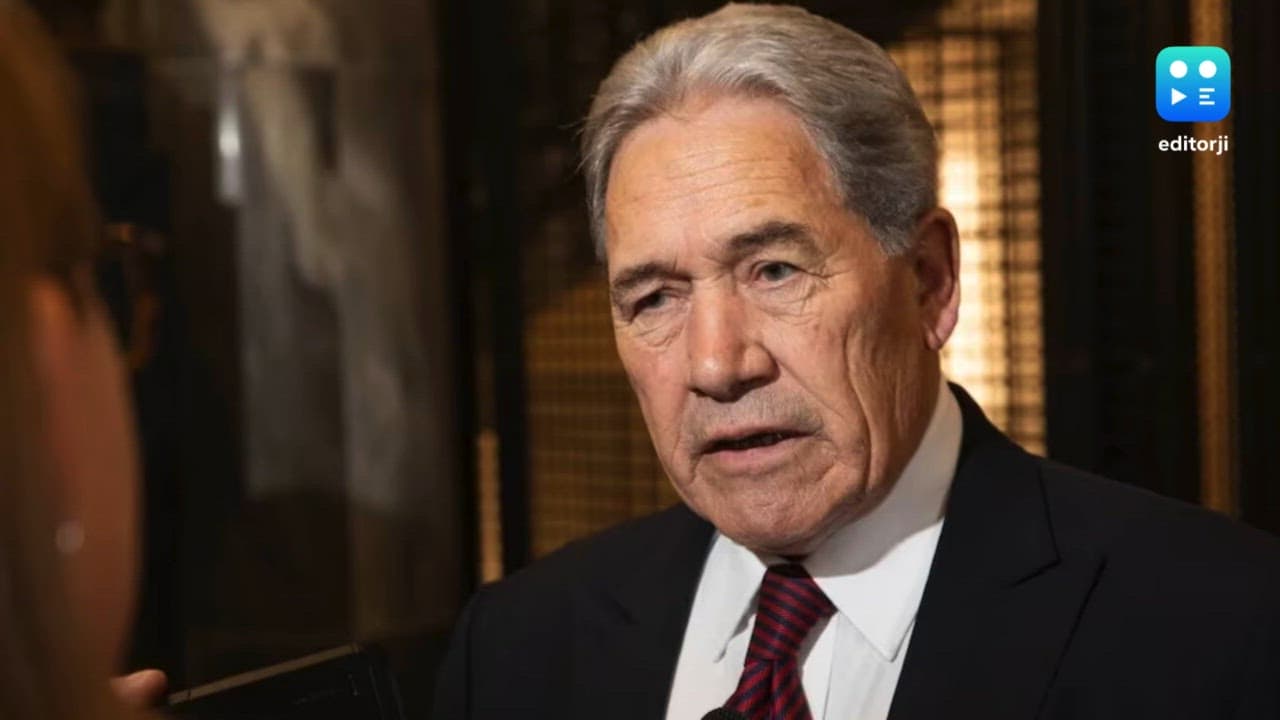
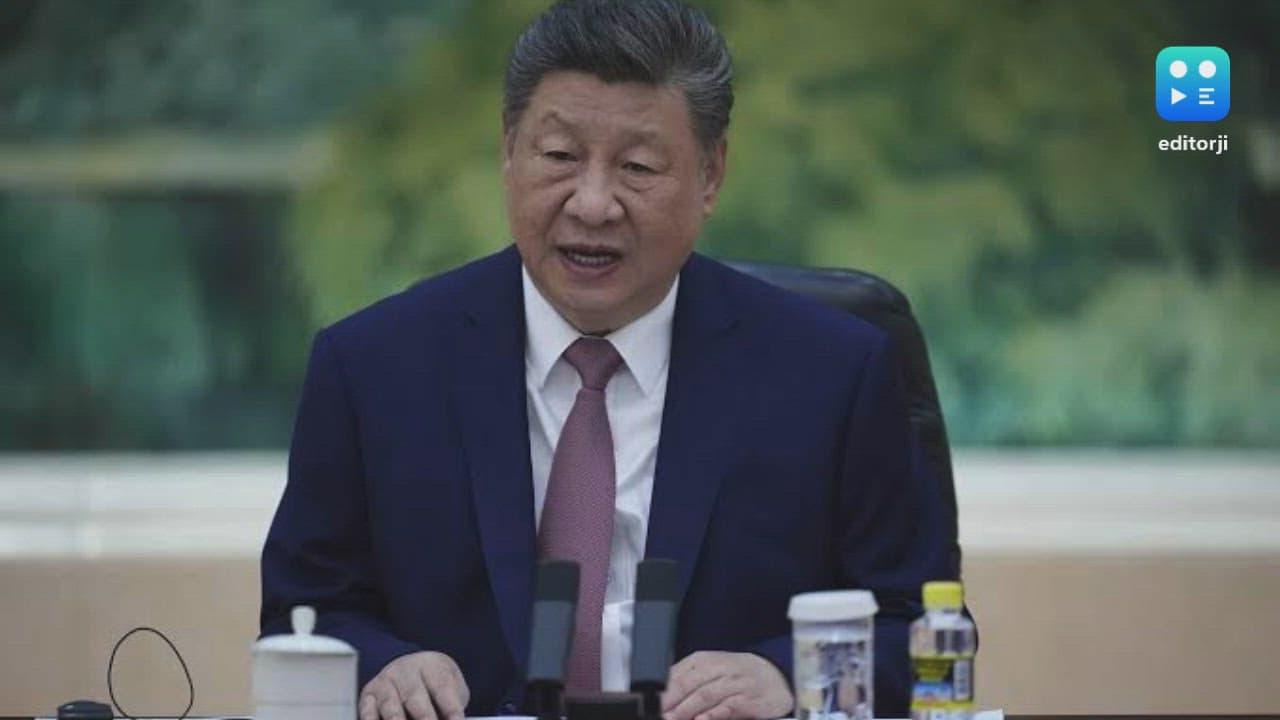
New Zealand Foreign Minister Winston Peters has openly criticised the India–New Zealand Free Trade Agreement (FTA), describing it as “neither free nor fair” and warning that it represents a “bad deal for New Zealand” that sacrifices too much for limited gains.
In a post on X, Peters said his party, New Zealand First, was “regrettably opposed” to the pact, arguing that it makes “serious concessions” in areas such as immigration and investment while failing to deliver meaningful benefits for New Zealand’s exporters. Dairy farmers, he said, stand to gain little from the agreement. “This is not a good deal for New Zealand farmers and is impossible to defend to our rural communities,” he said.
“We consider the India-New Zealand Free Trade Agreement to be neither free nor fair. Regrettably, this is a bad deal for New Zealand. It gives too much away, especially on immigration, and does not get enough in return for New Zealanders, including on dairy,” Winston Peters, leader of New Zealand First, a nationalist political party and a key partner in the country’s ruling coalition, said on X.
The remarks contrast sharply with the tone adopted by the governments of both countries, which recently announced the conclusion of negotiations on the FTA. Officials say the agreement could help double bilateral trade over the next five years. According to New Zealand government estimates, tariffs would be eliminated or reduced on 95% of New Zealand’s exports to India, with more than half becoming duty-free from the first day. Indian goods, in turn, would receive duty-free access to the New Zealand market.
Alongside the trade pact, New Zealand has committed to invest around $20 billion in India over a 15-year period.
Prime Minister Christopher Luxon has defended the agreement, saying it delivers broad-based economic benefits. “The gains are wide-ranging and significant,” Luxon said in a statement, citing opportunities for “jobs for Kiwis, exports and growth” driven by India’s scale and fast-growing economy. He also noted that the deal fulfils a 2022 election pledge by his National Party to conclude an FTA with India in its first term.
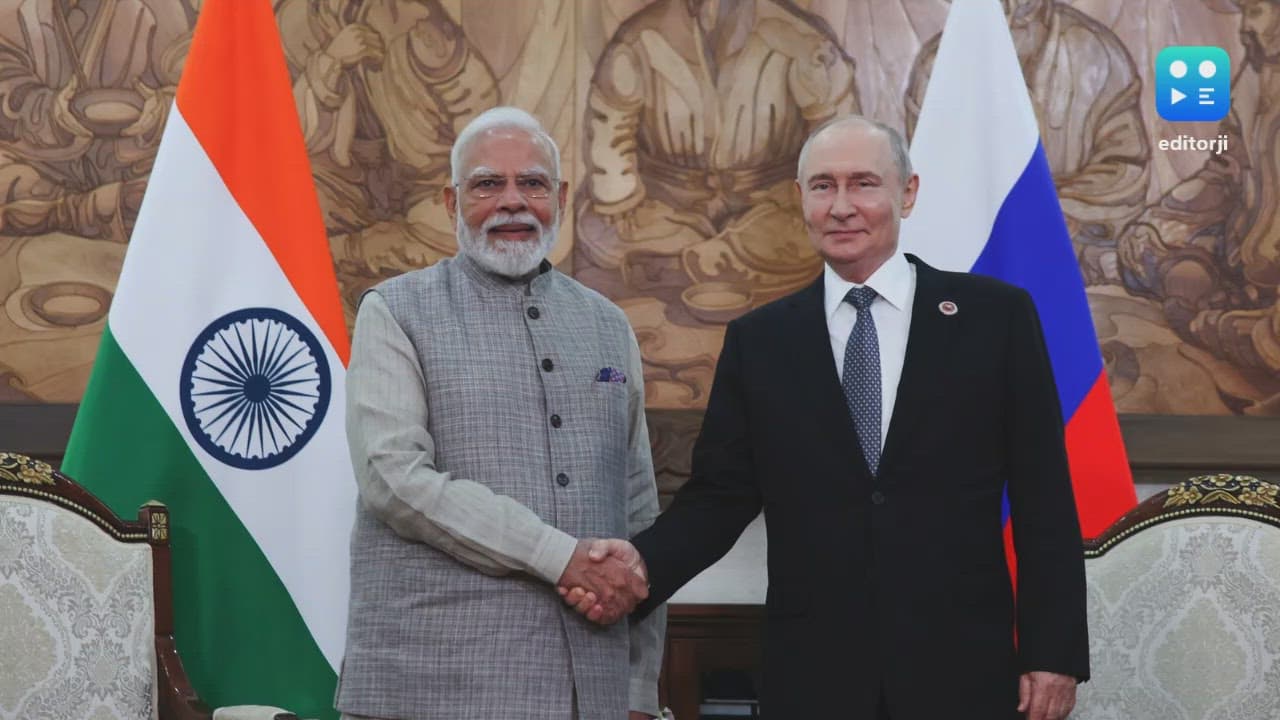
Indian Prime Minister Narendra Modi echoed that optimism, calling the agreement a “historic milestone” achieved in just nine months. In a social media post, PM Modi said the FTA “sets the stage for doubling bilateral trade in the coming five years” and said India welcomes over $20 billion in investment from New Zealand across multiple sectors. He also highlighted potential benefits for innovators, entrepreneurs, farmers, MSMEs, students and youth, while pointing to growing cooperation in sports, education and culture.
Peters, however, has questioned both how quickly the deal was finalised and what it ultimately delivers.
He said New Zealand First had urged its coalition partner to avoid “rushing into concluding a low-quality deal with India” and instead use the full parliamentary term to negotiate stronger outcomes. “Unfortunately, these pleas went unheeded,” Peters said, accusing National of favouring “doing a quick, low-quality deal over doing the hard work necessary to get a fair deal that delivers for both New Zealanders and Indians.”
Dairy has emerged as one of the most contentious issues. Peters pointed out that New Zealand would be “completely opening its market to Indian products under this deal,” while India would retain “significant tariff barriers” on New Zealand’s major dairy exports. He noted that this would be New Zealand’s first trade agreement to exclude core dairy products such as milk, cheese and butter. In the year to November 2025, exports of these items were worth about $24 billion, accounting for roughly 30% of the country’s total goods exports.
India has said the FTA excludes market access for dairy and several other sensitive products — including coffee, milk, cream, cheese, yoghurt, whey, sugar, spices, edible oils and rubber — in order to protect its farmers and domestic industry. Two-way trade between India and New Zealand stood at around $1.81 billion in 2024, dominated by Indian pharmaceutical exports and New Zealand forestry and agricultural products. This remains small compared with India’s total goods trade of more than $1 trillion in the 2024–25 financial year.
Immigration-related provisions have also drawn strong objections from Peters. He said National had made “serious concessions” that “have nothing to do with two-way trade” but instead encourage increased movement of people from India to New Zealand. On a per capita basis, he argued, New Zealand has offered far greater labour market access than Australia or the United Kingdom did in their FTAs with India.
“This is deeply unwise given New Zealand’s current labour market conditions, with too many New Zealanders in unemployment or doing it tough economically,” he said.
New Zealand First has also raised concerns about a proposed new employment visa specifically for Indian citizens, warning it could attract significantly higher levels of migration “at a time when we have a very tight labour market.” Peters added that provisions allowing Indian students to work during and after their studies could “tie the hands of future New Zealand Governments” and limit flexibility in responding to changing labour market conditions.
Despite his criticism, Peters stressed that his party’s opposition is not directed at India or its leadership. He said New Zealand First remains “deeply committed to the advancement of the India–New Zealand relationship,” which he described as strategically important for New Zealand. Peters noted that his first overseas visit as foreign minister outside Australia and the Pacific was to India, and that the Ministry of Foreign Affairs and Trade has since increased resources aimed at strengthening ties with New Delhi.
He also said he has “the utmost respect” for External Affairs Minister S Jaishankar and that New Zealand First has communicated its position clearly. “We have made clear to him that our opposition to the deal is not a critique of the Government of India or its negotiators – but rather the reflection of a difference of opinion between the parties that comprise New Zealand’s Coalition Government,” Peters said.