


Highlights
Takaichi: Japan's first female PM. Coalition lacks majority; seeks stability. Continues Abe's legacy amid challenges.
Latest news

Asus Pad T3201 Review: OLED Brilliance Meets Everyday Mid-Range Power

Qualcomm Showcases Snapdragon 8 Elite Gen 6 Chips At IMC 2026, Teases New Flagships

Shokz Diwali Sale Brings Discounts On Open-Ear Headphones Across Amazon And Flipkart

iQOO 16 Confirmed For India With Snapdragon 8 Elite Extreme Gen 6 And OriginOS 7

ASUS Announces Festive Discounts Across Laptops, Gaming PCs And Tablets

Priyanka Gandhi lies on ground, Rahul detained as Delhi Police stop INDIA bloc MPs' Jantar Mantar march

Emotion, tears as Messi retires from Argentina national team

Rajpal Yadav tells CJI Surya Kant his legal troubles inspired film title ‘Solah Sawan Jhel Ke’
Sanae Takaichi Becomes Japan's First Female Prime Minister


Frequently Asked Questions
Up Next

Sanae Takaichi Becomes Japan's First Female Prime Minister

Israel marks 3rd October 7 anniversary with tributes, Gaza strikes and election battle

Heavy casualties in Ukraine after Russian strikes

Israel puts military on alert for Oct 7 anniversary, warns Gazans

US-German trio wins medicine Nobel for work on optogenetics

Passenger on rerouted Flydubai flight says pilot tried to crash plane

More videos

Flydubai Dubai-Tel Aviv Flight Diverted After Pilots Injured In Mid-Air Fight

Trump offered to sell arms to Xi: US ambassador to Fox News

CNN, MS NOW, Politico allowed back in White House after judge's order
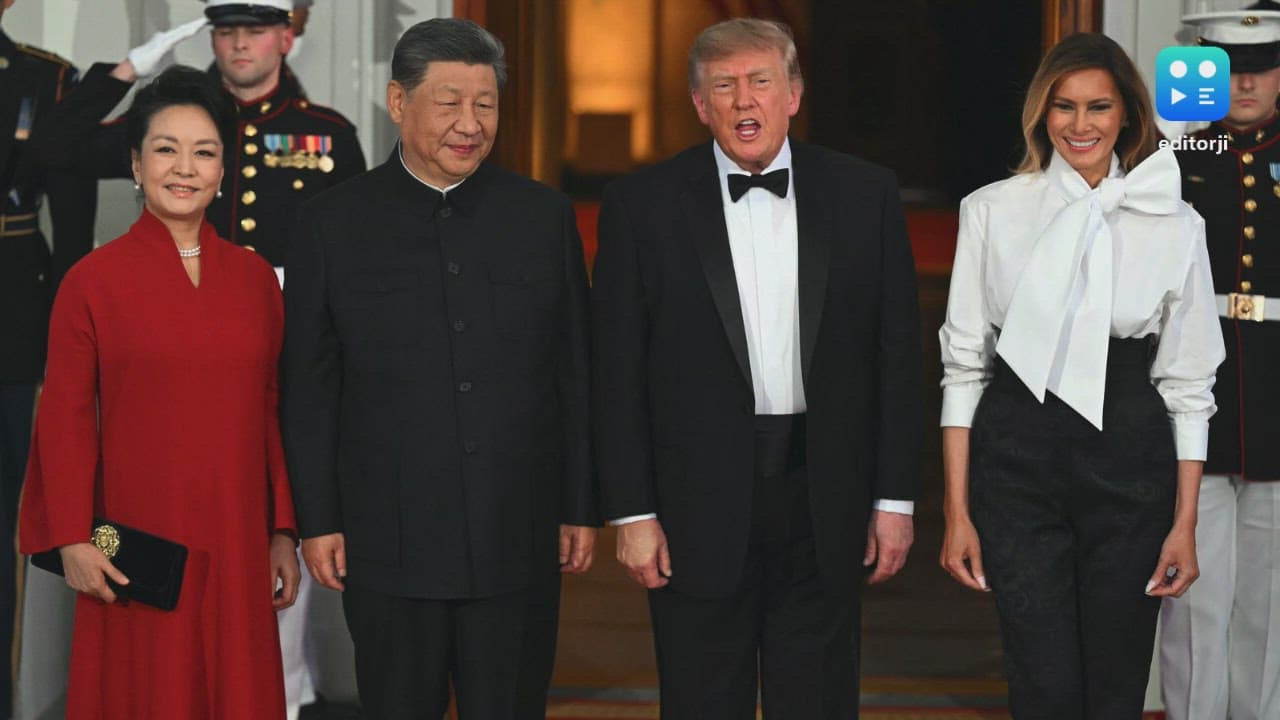
Trump hosts Xi Jinping for state dinner as pomp masks tensions
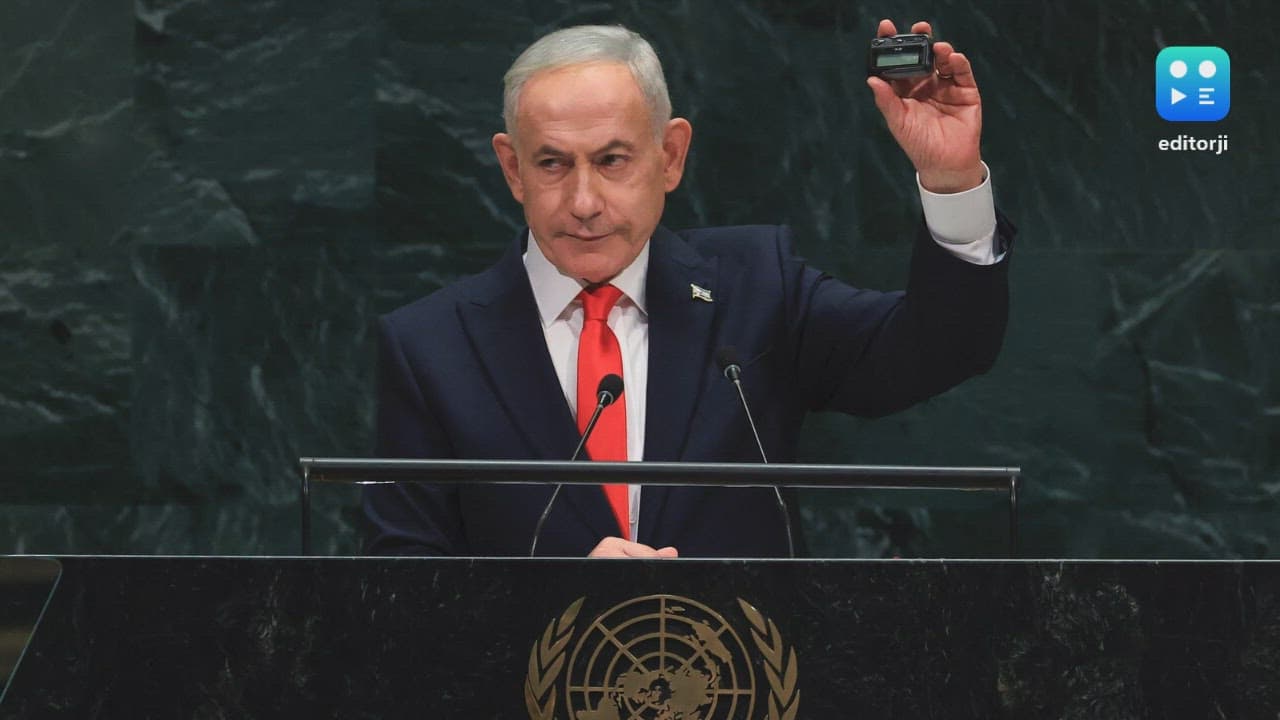
Israel's Netanyahu denounces enemies, allies in fiery UN speech

US judge blocks White House ban on CNN, MS NOW, Politico

Israel Says Hamas Finance Chief Muhammad Abu Alwan Killed In Khan Younis Strike
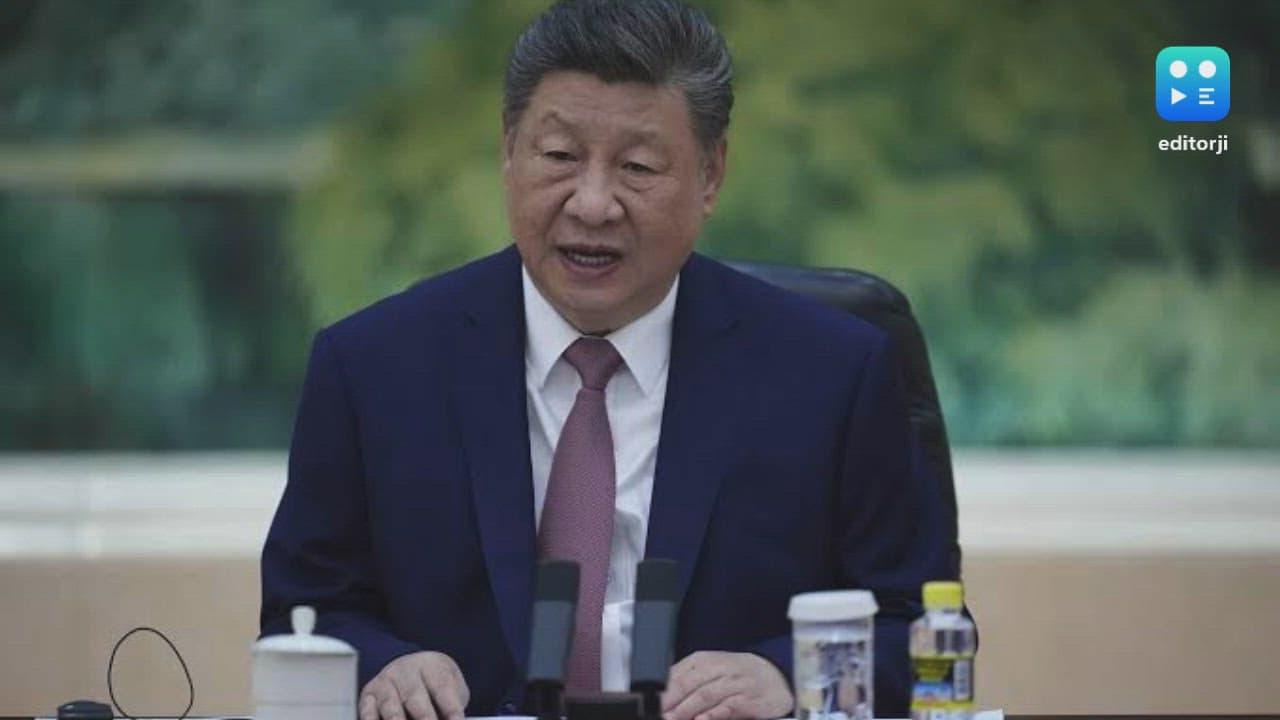
Xi Jinping Heads To Washington For Trump Talks As US-China Trade, AI And Taiwan Tensions Loom
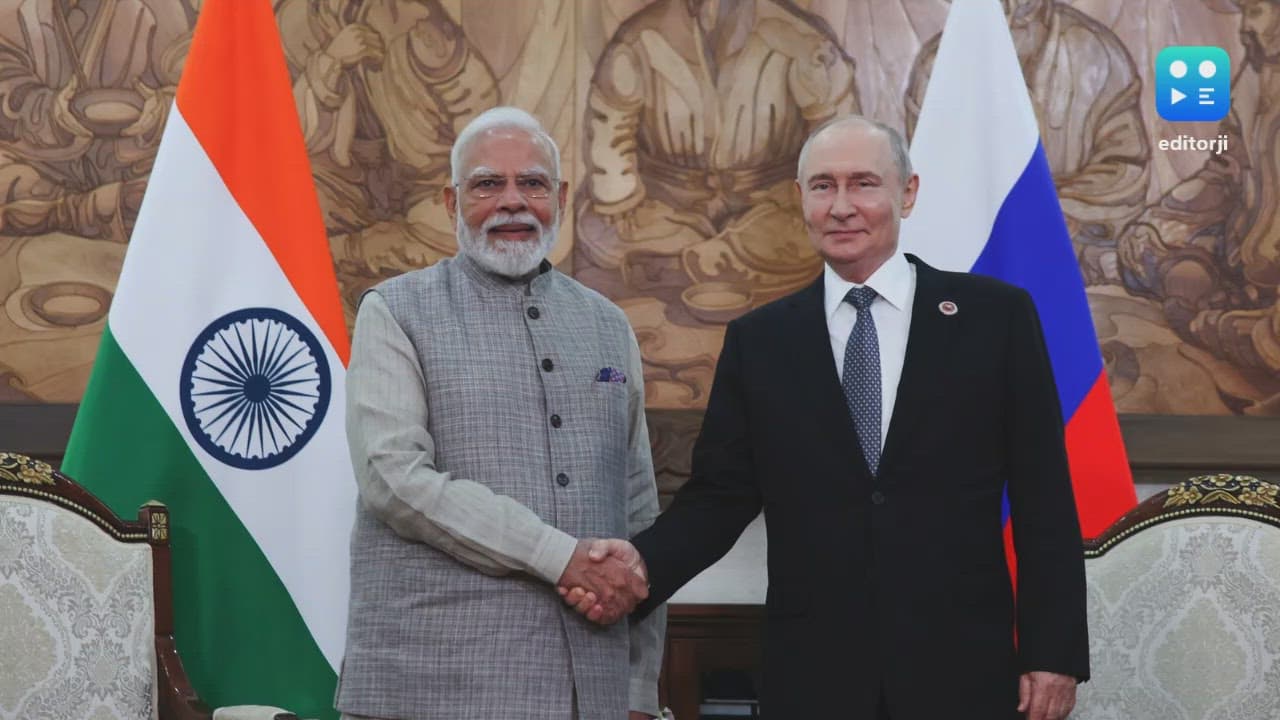
PM Modi, Putin Discuss Global Issues, India-Russia Ties At Bishkek Meeting

India’s Tunnel Rescue Team Joins Nepal Army In Flood Search Operation