Highlights

Japan and China commemorate WWII end. Japan holds somber ceremonies. China stages military parade.

Latest news
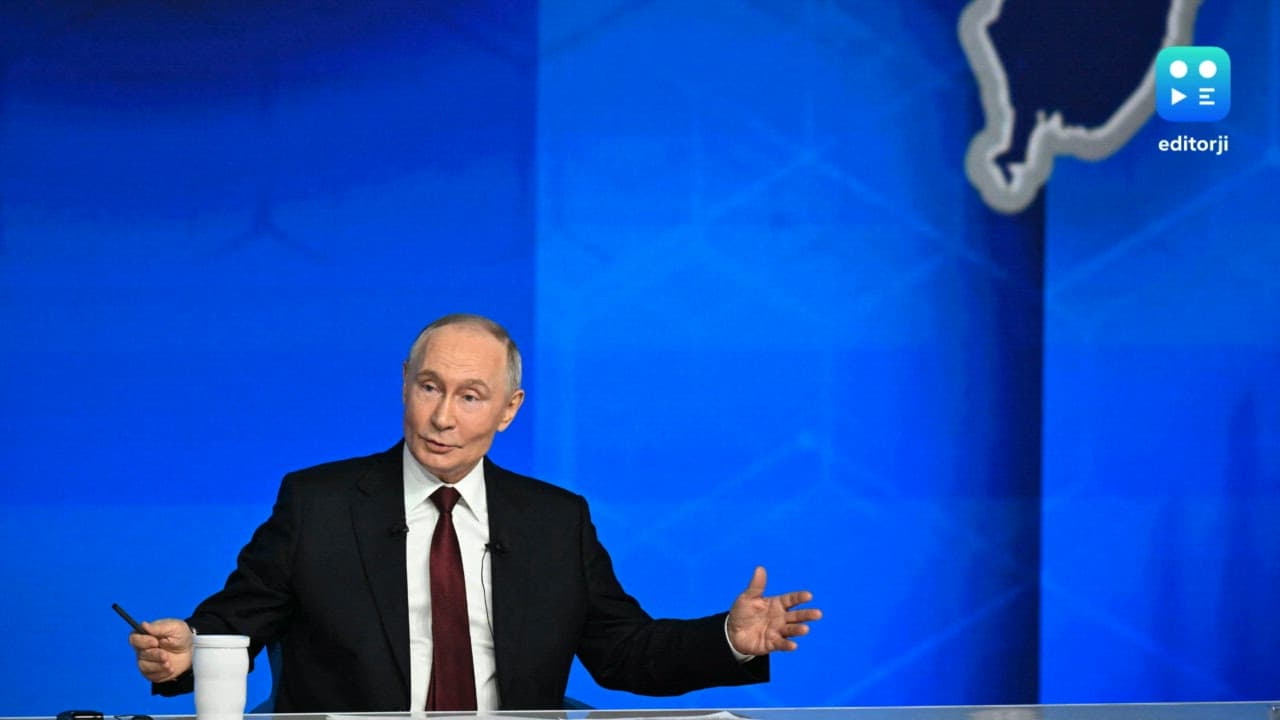
Putin hails Ukraine gains, threatens more, in annual press conference

Putin hails Ukraine gains, threatens more, in annual press conference

OnePlus Pad Go 2 Review: No drama, just a good tablet  
OnePlus Pad Go 2 Review: No drama, just a good tablet  

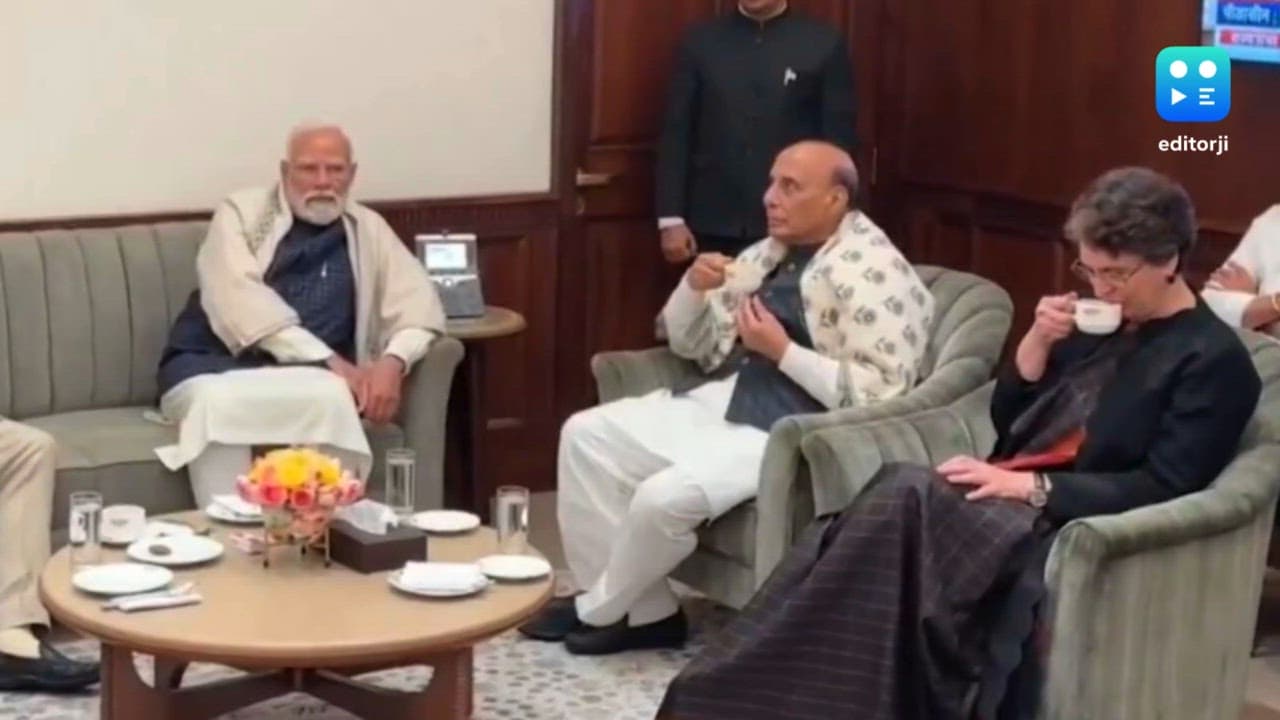
Parliament Moment: Priyanka Gandhi shares tea with Rajnath Singh. PM Modi and Om Birla
Parliament Moment: Priyanka Gandhi shares tea with Rajnath Singh. PM Modi and Om Birla

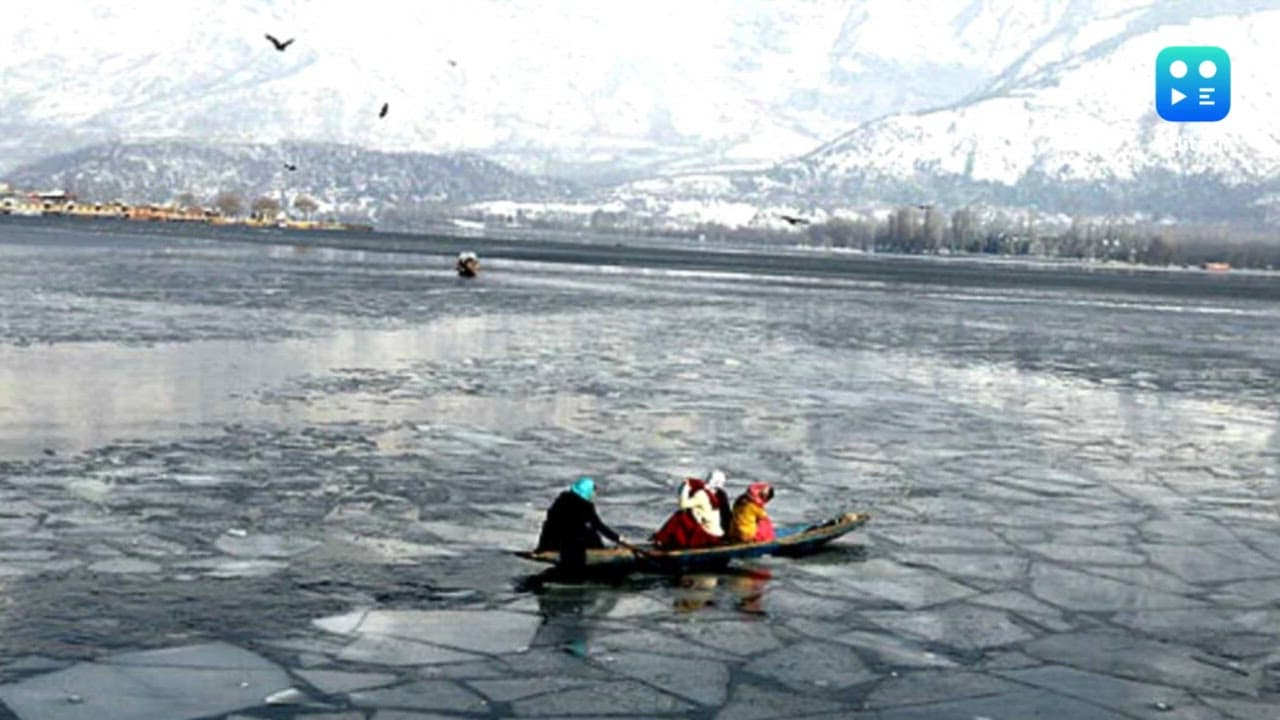
Cold wave deepens in Kashmir as Chillai-Kalan nears, temperatures dip below freezing
Cold wave deepens in Kashmir as Chillai-Kalan nears, temperatures dip below freezing

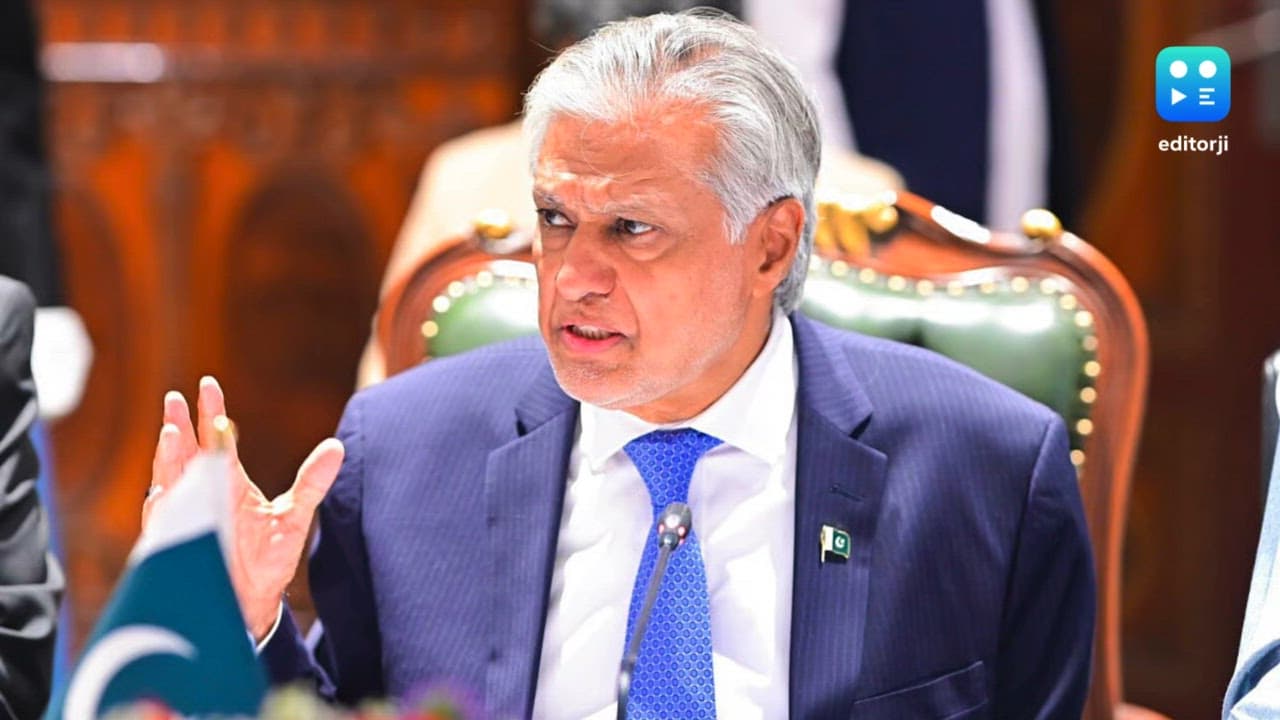
Pakistan accuses India of attempting to undermine Indus treaty
Pakistan accuses India of attempting to undermine Indus treaty

Vande Mataram discussion in UP legislature to mark 150th anniversary: Yogi Adityanath
Vande Mataram discussion in UP legislature to mark 150th anniversary: Yogi Adityanath

Ashes 2025: Travis Head slams unbeaten 142 to crush England's Ashes hopes

Ashes 2025: Travis Head slams unbeaten 142 to crush England's Ashes hopes

Tipra Motha youth wing protests Bangladesh leader's anti-India remarks in Agartala

Tipra Motha youth wing protests Bangladesh leader's anti-India remarks in Agartala

Japan and China Mark WWII End with Divergent Commemorations
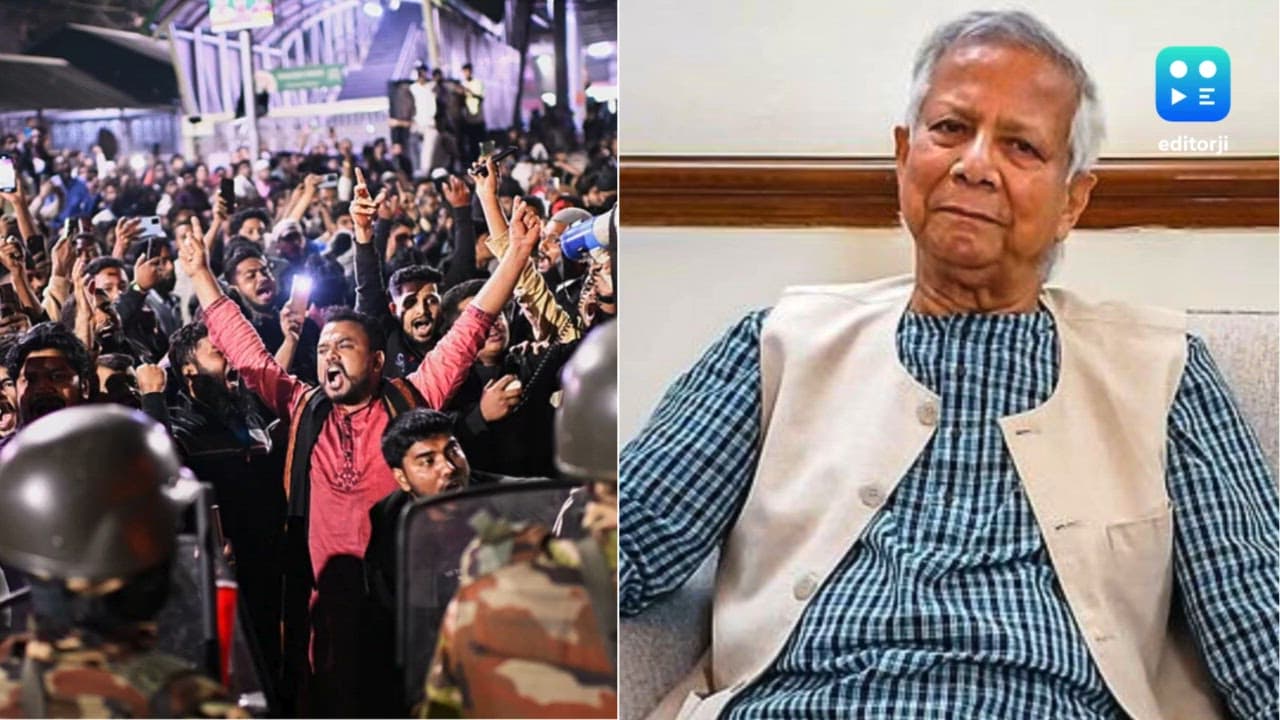
Japan and China mark WWII's end differently. Japan holds a somber ceremony, while China plans a military parade. Historical tensions persist.

Japan and China Mark WWII End with Divergent Commemorations

Benxi, China, Aug 14 (AP) Eight decades have passed since the conclusion of World War II, and Japan and China are observing the anniversary through significant events on distinct dates and in contrasting manners.

Japan commemorates the day with a somber ceremony on August 15, marking when then-Emperor Hirohito announced Japan's surrender via a crackling radio message. Conversely, China plans a military parade on September 3, a day after Japan's formal surrender ceremony on an American battleship in Tokyo Bay.

Japan's invasion of China before and during WWII left an indelible mark, with estimates of 20 million casualties. These wartime experiences continue to strain the bilateral relations between the two nations.

In the city of Benxi, a museum pays tribute to the anti-Japanese resistance fighters who took refuge in log cabins in the harsh winters of Manchuria before retreating to Russia. They later returned following the Soviet Union's declaration of war on Japan and its subsequent offensive in Manchuria on August 9, 1945—the same day as the atomic bombing of Nagasaki by the US—adding pressure on Japan to surrender.

Today, China's growing military capabilities raise concerns as it seeks to assert territorial claims in the Pacific. In response, Japan's discussions of enhancing its defense provoke references to its militaristic history from China.

“We urge Japan to deeply reflect on its historical culpability, earnestly draw lessons from history and stop using hype over regional tensions and China-related issues to conceal its true intent of military expansion,” expressed Chinese Foreign Ministry spokesperson Guo Jiakun last month.

Japan's surrender broadcast Hirohito's pre-recorded surrender message on August 15, 1945, was delivered in an archaic style and poor audio quality, rendering it incomprehensible to many Japanese. However, historians emphasize that the message's significance lay in its delivery by the emperor, considered a living deity at the time. Most Japanese had never previously heard his voice.

As Nihon University's Professor Takahisa Furukawa noted in 2015, "The speech is a reminder of what it took to end the wrong war." This year, Hirohito's grandson, Emperor Naruhito, and the Prime Minister will make televised remarks during Tokyo's annual August 15 ceremony, as broadcasted by public broadcaster NHK.

During last year's event, Emperor Naruhito conveyed deep remorse for Japan's wartime actions. Yet, on the same day, the controversial visits by three Japanese cabinet ministers to Tokyo's Yasukuni shrine sparked critiques from China and South Korea, who view the shrine as a militarism symbol.

China marks Victory Day Japan's surrender was formalized on September 2, 1945, aboard the USS Missouri. Signing for Japan were the foreign minister, dressed in top hat and tails, and the army chief. Representing the other side were US Gen. Douglas MacArthur and delegates from China and other Allied nations.

Following the event, China designated September 3 as Victory Day.

In response to rising tensions with Japan over divergent wartime historical perspectives and ongoing territorial disputes in the East China Sea, the Communist Party intensified China's anniversary commemorations eleven years ago, with top leaders like President Xi Jinping attending the celebratory event.

The following year, China marked the war's 70th anniversary with a military parade. One decade later, extensive preparations are underway for another grand display featuring missiles, tanks, and fighter jets.

Among the anticipated attendees is Russian President Vladimir Putin. (AP) NPK NPK

(Only the headline of this report may have been reworked by Editorji; the rest of the content is auto-generated from a syndicated feed.)

ADVERTISEMENT

Up Next

Japan and China Mark WWII End with Divergent Commemorations

Japan and China Mark WWII End with Divergent Commemorations

Bangladesh interim government condemns violence amid nationwide unrest
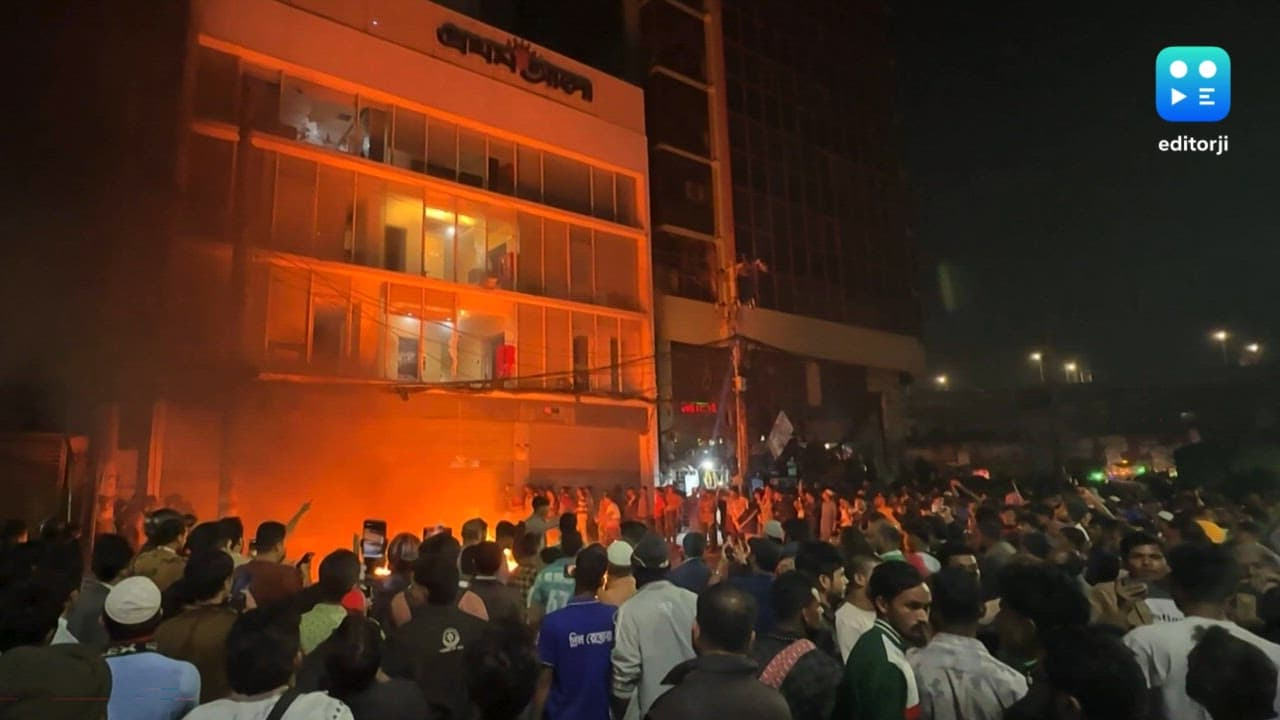
Bangladesh interim government condemns violence amid nationwide unrest

Arsonists target Bangladesh newspapers after student leader's death

Arsonists target Bangladesh newspapers after student leader's death

US Democrats release Epstein photos showing Bill Gates, Noam Chomsky
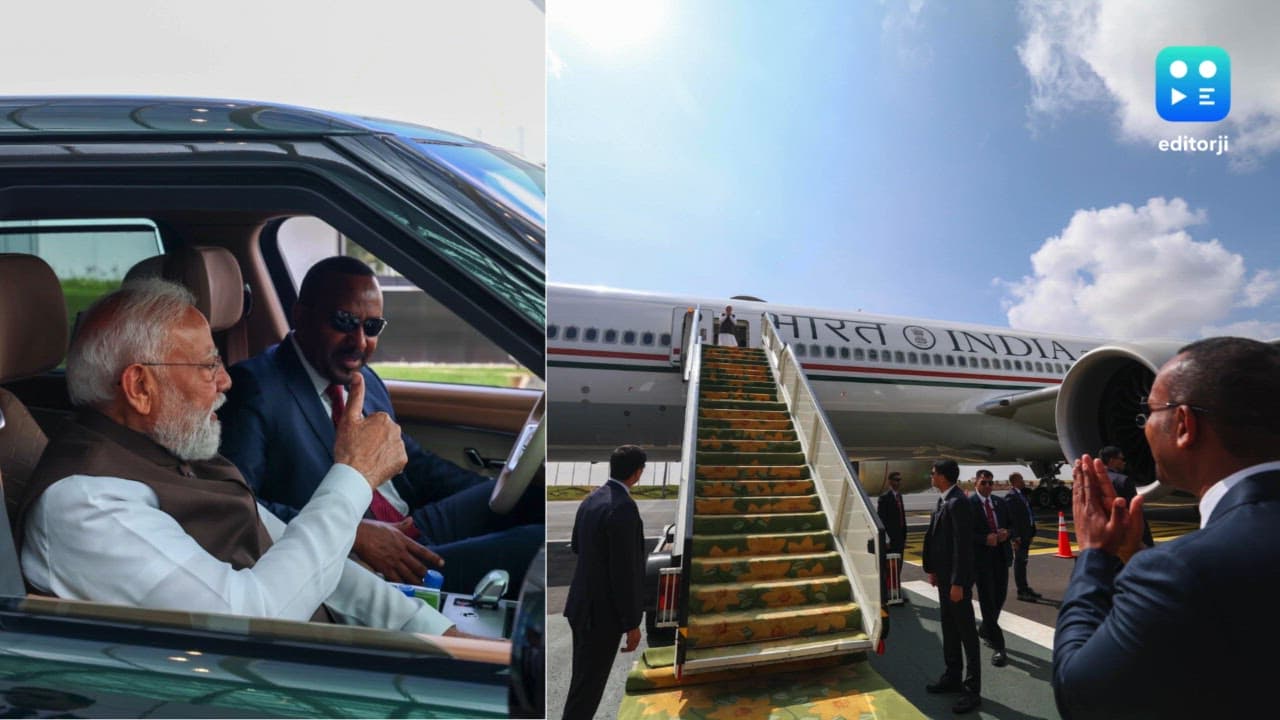
US Democrats release Epstein photos showing Bill Gates, Noam Chomsky

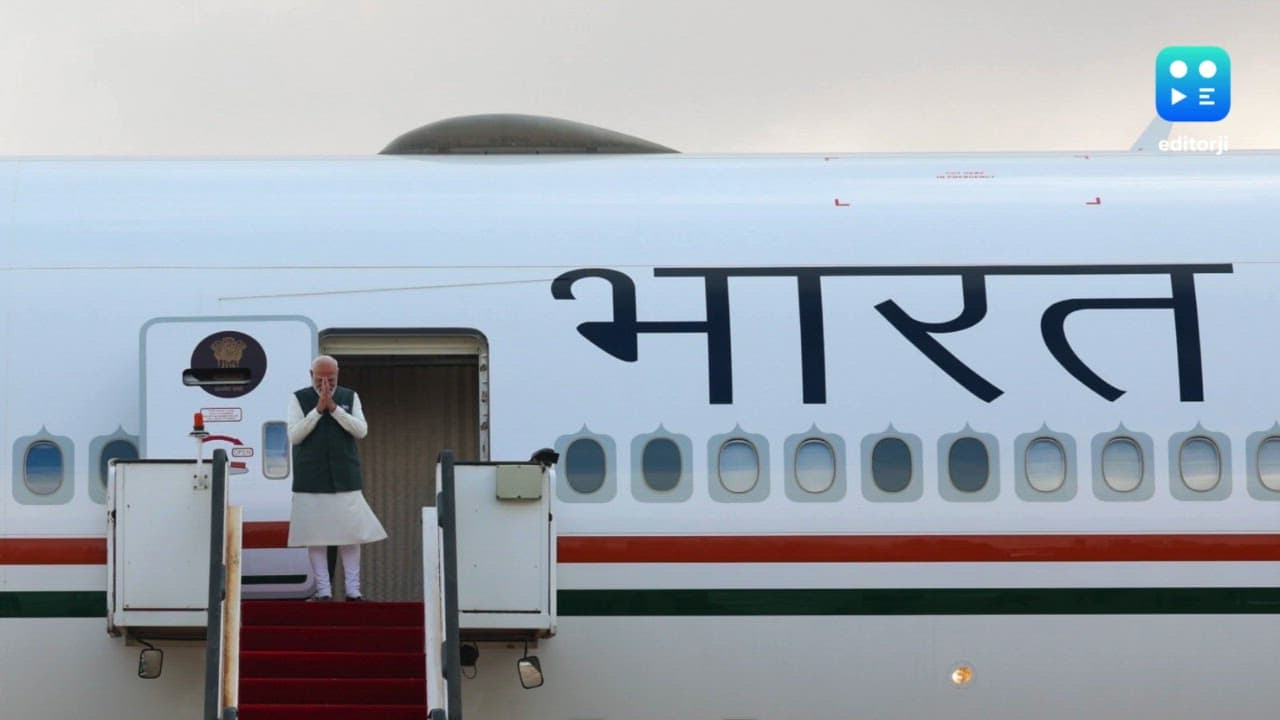
PM Modi departs for Oman on last leg of three-nation visit

PM Modi departs for Oman on last leg of three-nation visit

India closes visa application centre in Bangladesh capital due to security situation

India closes visa application centre in Bangladesh capital due to security situation

ADVERTISEMENT

editorji-whatsApp

More videos

Pakistan to sell 100 pc stake in PIA after bidders demand complete control post-privatisation
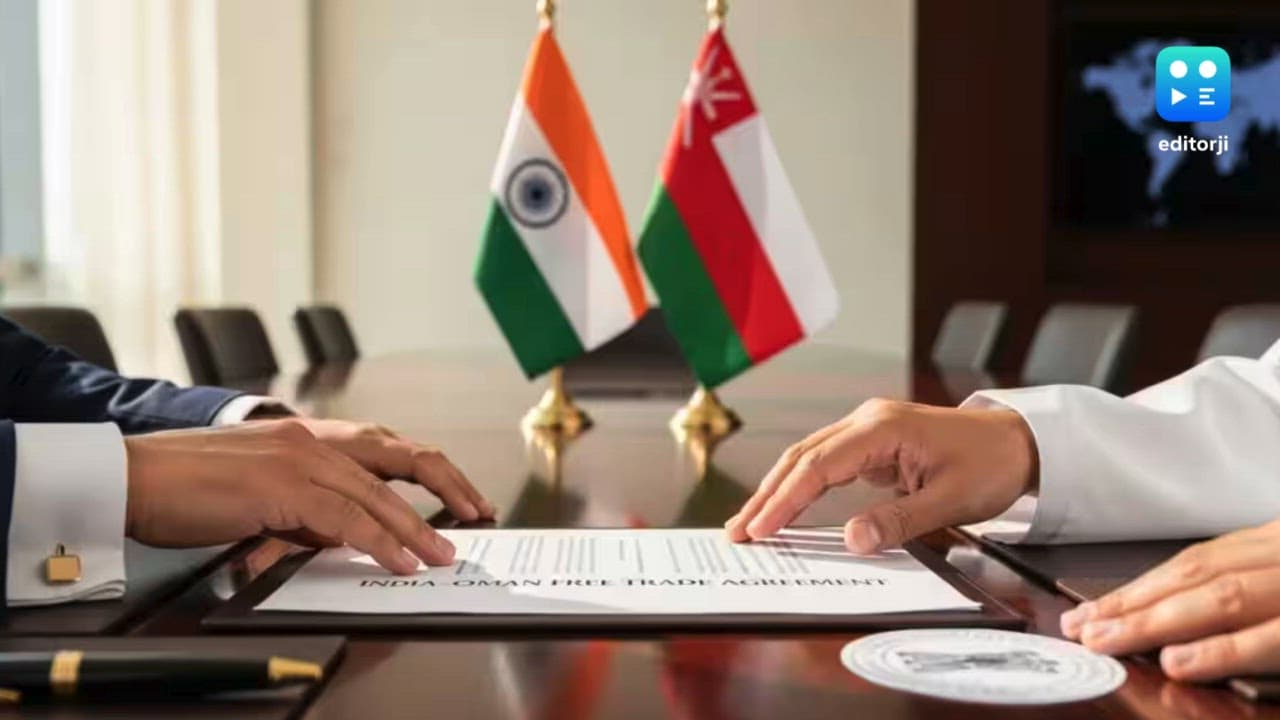
Pakistan to sell 100 pc stake in PIA after bidders demand complete control post-privatisation

India, Oman to sign free trade agreement in Muscat on Thursday
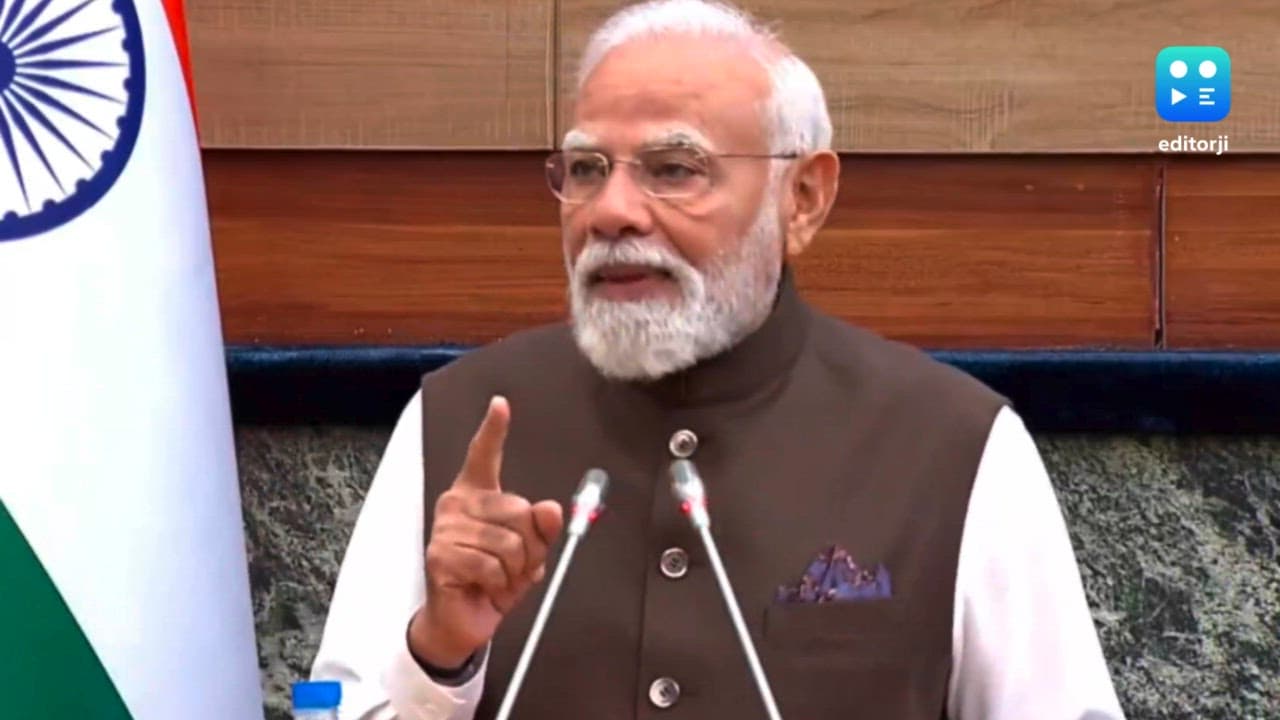
India, Oman to sign free trade agreement in Muscat on Thursday

India and Ethiopia are natural partners, says PM Modi in Ethiopian Parliament

India and Ethiopia are natural partners, says PM Modi in Ethiopian Parliament

Trump calls for global unity against radical Islamic terrorism after Bondi attack

Trump calls for global unity against radical Islamic terrorism after Bondi attack

India, Ethiopia elevate ties to strategic partnership as PM Modi holds talks with his counterpart

India, Ethiopia elevate ties to strategic partnership as PM Modi holds talks with his counterpart

PM Modi conferred Ethiopia’s highest civilian honour in Addis Ababa

PM Modi conferred Ethiopia’s highest civilian honour in Addis Ababa

Trump imposes full travel bans on seven more countries, Palestinians
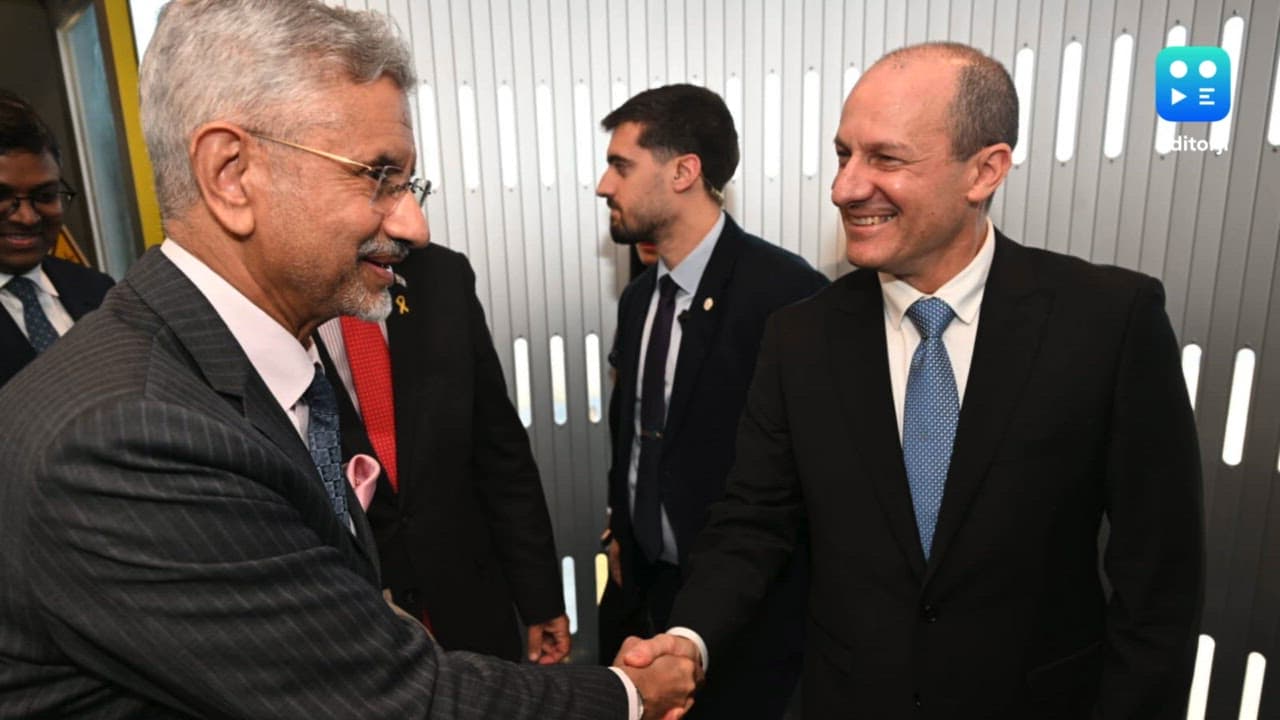
Trump imposes full travel bans on seven more countries, Palestinians

EAM S. Jaishankar arrives in Israel on two-day visit; to hold talks with top leadership
EAM S. Jaishankar arrives in Israel on two-day visit; to hold talks with top leadership

Prime Minister Narendra Modi departed for Ethiopia from Jordan

Prime Minister Narendra Modi departed for Ethiopia from Jordan

Magnitude 5.2 earthquake shakes Karachi and Balochistan, no casualty reported

Magnitude 5.2 earthquake shakes Karachi and Balochistan, no casualty reported

Editorji Technologies Pvt. Ltd. © 2022 All Rights Reserved.