European nations are finding themselves in a challenging position as a coalition of countries assembles in Paris to deliberate on security guarantees for Ukraine once the ongoing conflict ends. Despite the relentless progression of the war and the absence of a ceasefire, the pivotal role of the United States in securing Ukraine's future remains uncertain.
For months, the aptly named "coalition of the willing" has been meeting to strategize on aid for Ukraine, including potential military backing post-ceasefire to prevent further Russian aggression. Coalition leaders, French President Emmanuel Macron and UK Prime Minister Keir Starmer, have emphasized that any European "reassurance" force in Ukraine requires US backing. However, while US President Donald Trump has indicated some level of involvement, he has noticeably shied away from advocating for a ceasefire and has not applied stringent economic sanctions against Moscow.
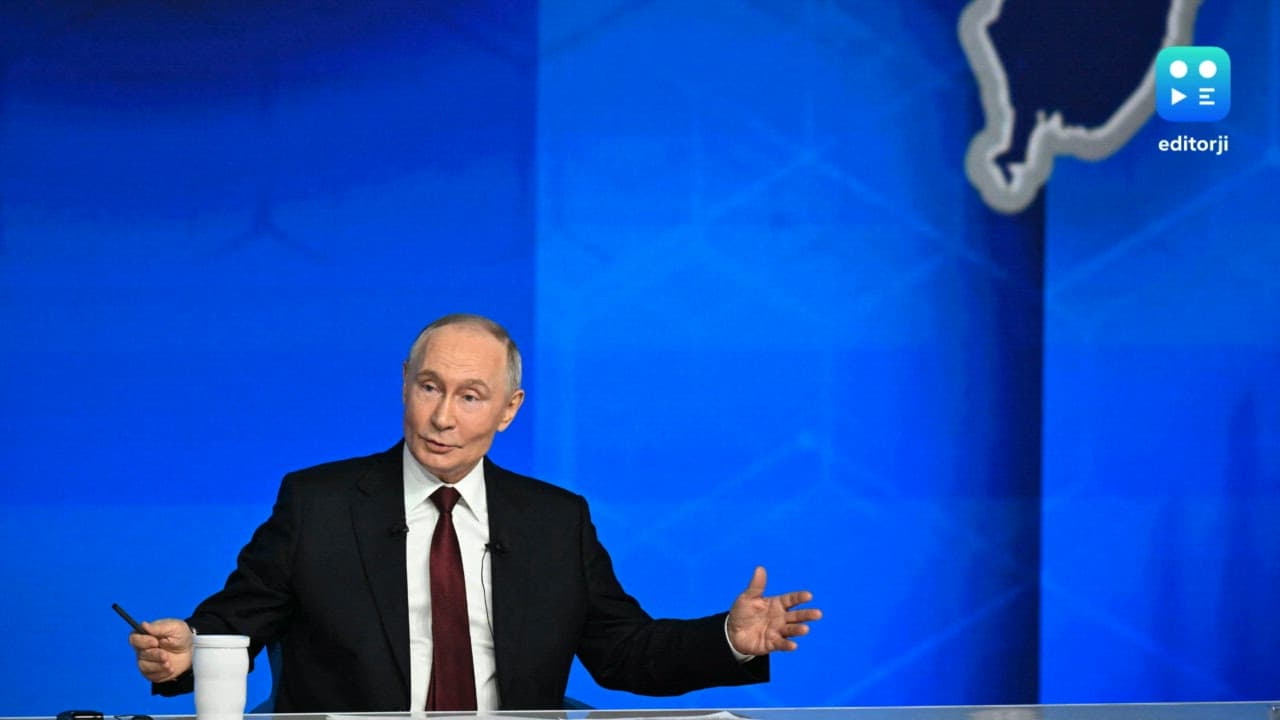
Trump expressed disappointment with Russian President Vladimir Putin and has issued threats to coax him into negotiating an end to hostilities, but without success. In an August meeting in Alaska with Putin, Trump was unable to persuade the Russian leader to cease fighting and has not secured discussions between Putin and Ukraine's President Volodymyr Zelenskyy. Although Trump and European leaders subsequently met in Washington, with further deliberations by US, European, and NATO military officials, no solid details have surfaced regarding security assurances to deter Moscow from future conflicts.
Experts such as Ed Arnold from the Royal United Services Institute in London suggest that Europe is stuck in this predicament without clarity on the level of support the US is ready to offer, the nature of any potential ceasefire, or the reliability of US commitments. Putin's willingness to cease hostilities remains highly uncertain, as Russian officials consistently downplay this prospect.
The term "coalition of the willing" encompasses about 30 nations supporting Ukraine; however, the "reassurance force" offering security guarantees to Kyiv represents a subset. The UK, France, and Estonia have expressed readiness to deploy troops in Ukraine to prevent future confrontations, while Poland has opted out, choosing instead to strengthen NATO's eastern flank. However, François Heisbourg, an advisor at the Foundation for Strategic Research in Paris, notes the risk of deploying any troops without an established ceasefire.
Despite an openness from Zelenskyy to engage in dialogue, the potential for a ceasefire remains unlikely, partly due to the positions of the US and Russian presidents. During a meeting with European leaders at the White House following conversations with Putin, Trump retracted earlier statements demanding a Ukrainian ceasefire, suggesting a peace agreement would be more suitable. This stance aligns more closely with the Russian position, allowing ongoing conflict in Ukraine amid negotiations. Posturing from Russian Foreign Minister Sergey Lavrov indicated a cessation was distant, as Russia views Zelenskyy as an illegitimate president.
Arnold from RUSI voiced concerns that even with a ceasefire or peace deal, deterring Putin may still be risky for Europe. Such efforts depend on US intelligence support and deterrence through airpower outside Ukraine. The Western resolve to intercept Russian missiles violating a ceasefire or target Russian launch sites is minimal. According to Heisbourg, any reaction to a ceasefire breach would hinge on Western casualties, a prospect many are hesitant to contemplate.
Keir Starmer, discussing Ukraine's defense needs in March, advocated for a deployment of at least 10,000 troops, increasing to 30,000 when accounting for rotations and rest. Arnold projected that the UK could contribute 5,000 troops, expanding to 15,000 with rotations, representing a significant portion of the British Army’s deployable strength, challenging the UK's commitments to NATO allies like Estonia. Training Ukrainian soldiers and stationing forces away from battle lines, however, poses risks from Russian missiles and drones without a clear operational mandate, which would lack credibility, explained Ben Hodges, former US Army Europe commanding general.
The trustworthiness of Trump's administration as a dependable partner remains questionable. Rising populist sentiments in the UK, France, and Germany cast doubt on consistent support for Ukraine. Heisbourg points out the fragility of any guarantees for Kyiv, noting Trump's previous withdrawals from international agreements. Therefore, Europe cannot depend on US intervention during ceasefire breaches due to Trump's fluctuating responses.
Considering NATO membership for Kyiv has been dismissed and numerous obstacles impede security guarantees, European leaders might instead bolster Kyiv’s military capabilities as Heisbourg suggests. Arnold concurs, stating the best option might be supplying Kyiv with substantial weaponry, noting that none of the available paths present favorable outcomes, particularly for Europe. (AP)
(Only the headline of this report may have been reworked by Editorji; the rest of the content is auto-generated from a syndicated feed.)