Highlights

Manufacturers mislead with healthy claims. Packaging often misrepresents ingredients. Regulatory changes underway in Australia and New Zealand.

Latest news

Putin hails Ukraine gains, threatens more, in annual press conference

Putin hails Ukraine gains, threatens more, in annual press conference

OnePlus Pad Go 2 Review: No drama, just a good tablet  

OnePlus Pad Go 2 Review: No drama, just a good tablet  

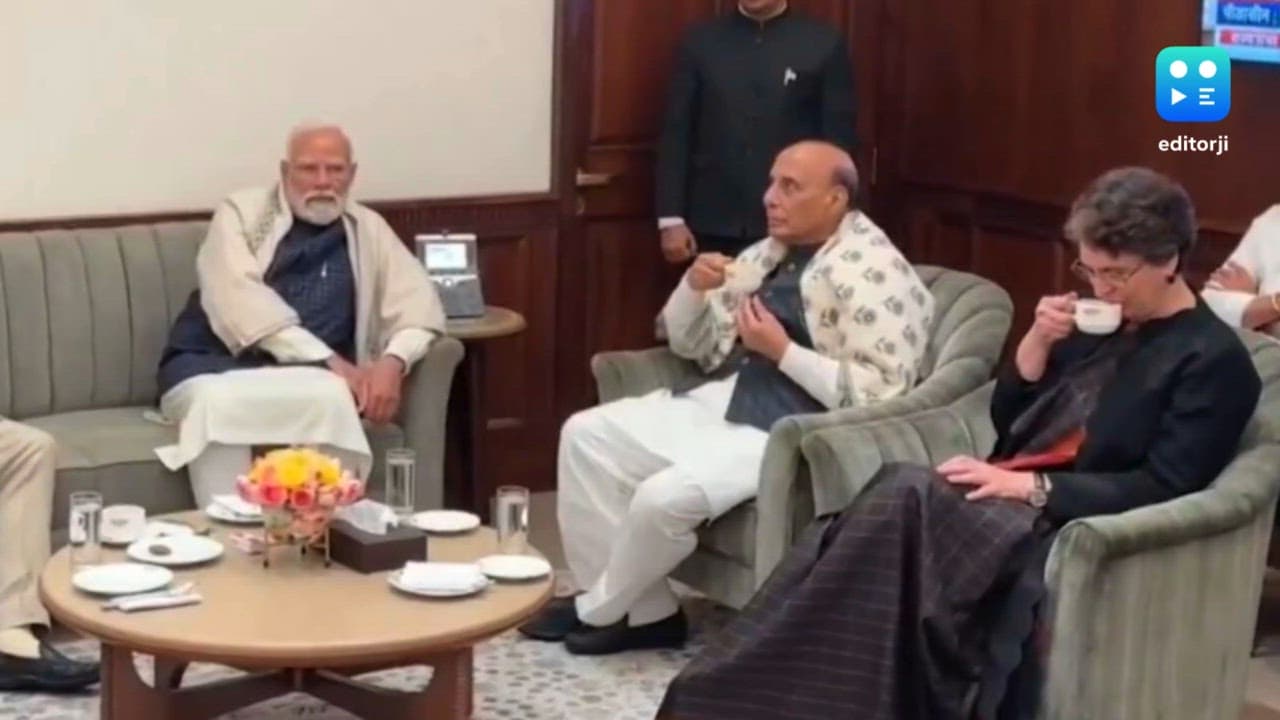
Parliament Moment: Priyanka Gandhi shares tea with Rajnath Singh. PM Modi and Om Birla

Parliament Moment: Priyanka Gandhi shares tea with Rajnath Singh. PM Modi and Om Birla

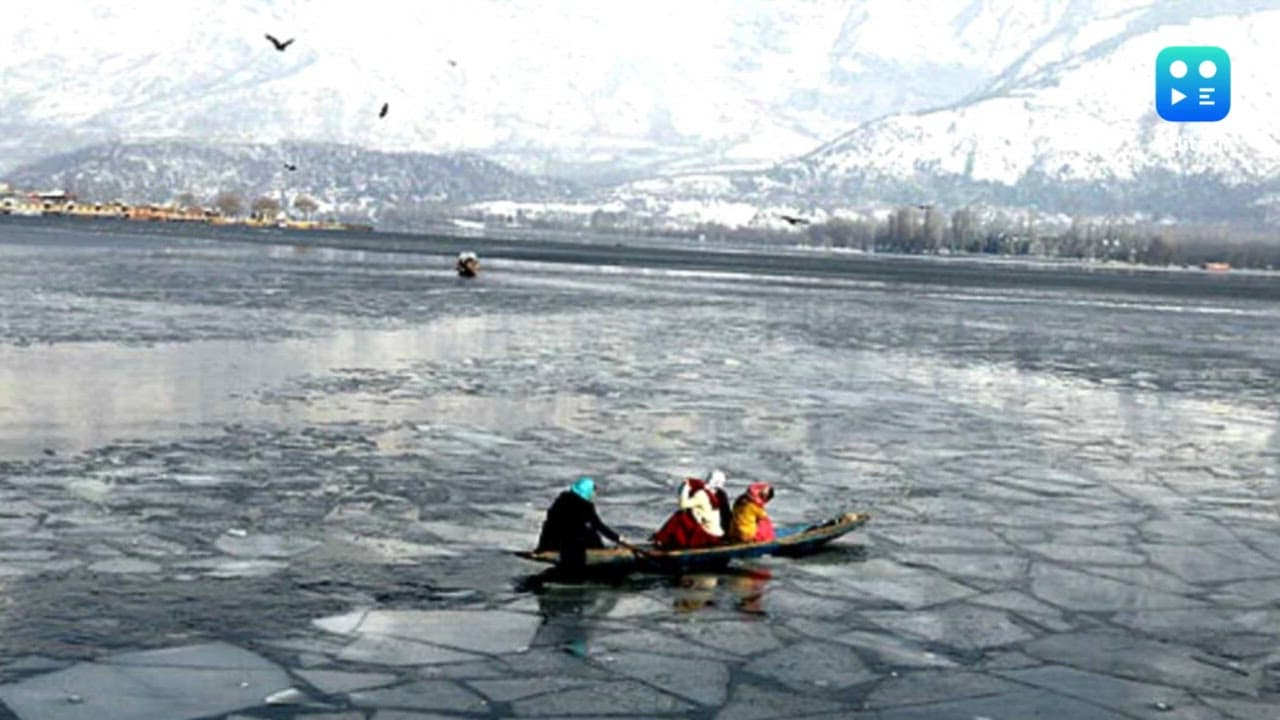
Cold wave deepens in Kashmir as Chillai-Kalan nears, temperatures dip below freezing

Cold wave deepens in Kashmir as Chillai-Kalan nears, temperatures dip below freezing

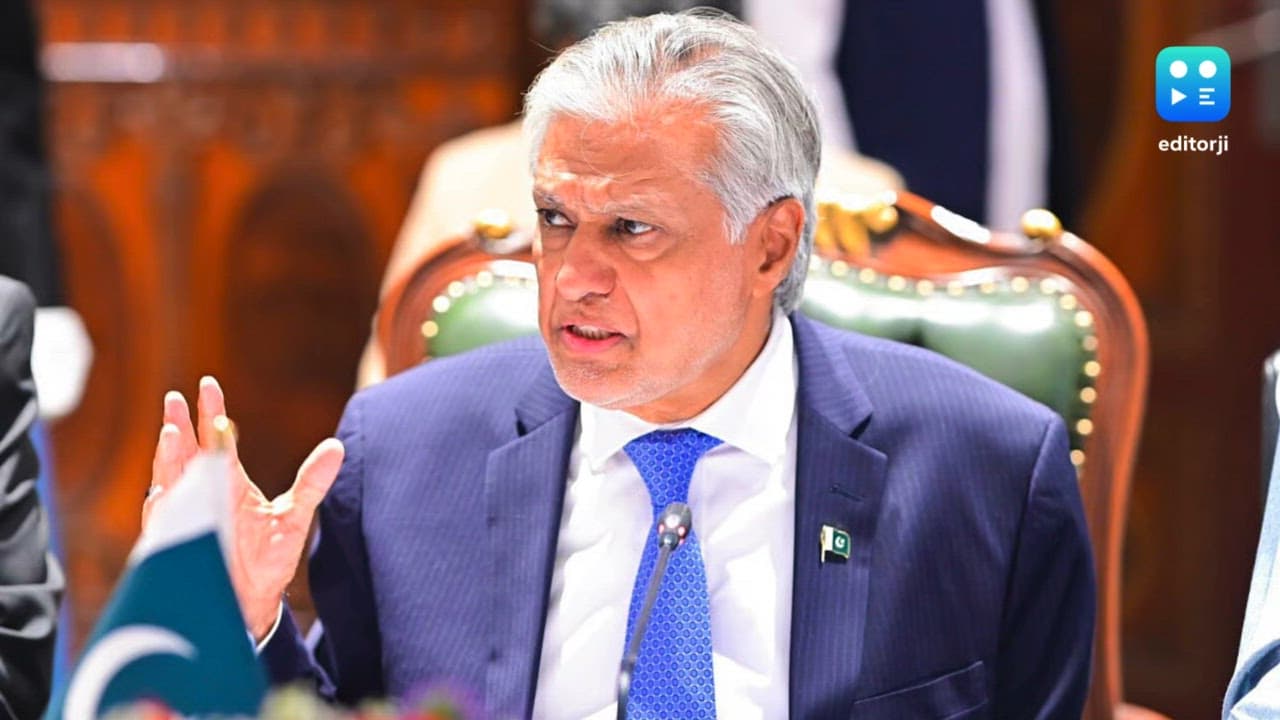
Pakistan accuses India of attempting to undermine Indus treaty

Pakistan accuses India of attempting to undermine Indus treaty

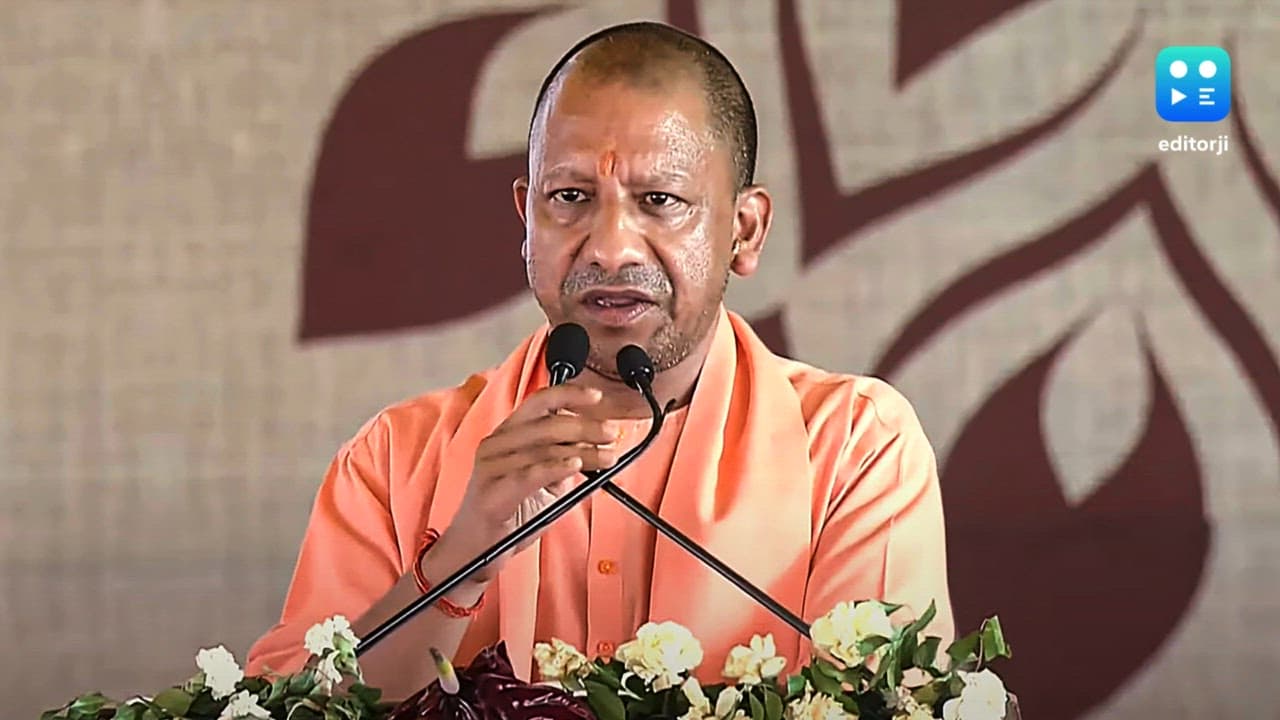
Vande Mataram discussion in UP legislature to mark 150th anniversary: Yogi Adityanath

Vande Mataram discussion in UP legislature to mark 150th anniversary: Yogi Adityanath

Ashes 2025: Travis Head slams unbeaten 142 to crush England's Ashes hopes

Ashes 2025: Travis Head slams unbeaten 142 to crush England's Ashes hopes

Tipra Motha youth wing protests Bangladesh leader's anti-India remarks in Agartala

Tipra Motha youth wing protests Bangladesh leader's anti-India remarks in Agartala

Misleading Claims in Baby Food Marketing: A New Zealand Study

A New Zealand study reveals misleading claims in baby food marketing, highlighting deceptive labels and images. Manufacturers use claims to mislead consumers. Regulatory change is urged to ensure accurate marketing and informed consumer choices.

Misleading Claims in Baby Food Marketing: A New Zealand Study

Auckland, Aug 29 (The Conversation) Manufacturers of baby and toddler foods employ a variety of tactics to market their products as being healthy, using imagery and promises like “sugar-free” to attract parents. However, recent research reveals that many of these claims are misleading.

The study examined 210 food products for infants and toddlers available in New Zealand supermarkets. Packaging frequently featured claims and depicted images of fruits and vegetables, which often misrepresented the primary ingredients.

The significance of the first thousand days of a child’s life cannot be overstated; it's a period when optimal nutrition is crucial for growth, health, and lifelong eating habits. However, manufacturers exploit parents' desire for convenience, often using claims that falsely promote products as nutritious.

On-package claims are influential marketing tools that significantly affect consumer perceptions and buying choices, often creating a misleading health image around nutrient-poor products.

Cluttered with Claims Foods analyzed in the study contained an average of seven to eight claims, with some boasting up to 15. These often centered on what the products lacked, like “additive-free” or “color-free,” drawing attention away from the actual contents which may include high sugar levels or highly processed ingredients.

Other claims suggested the foods were beneficial for development or were an easy parenting choice, targeting parents intent on providing the best for their children amidst busy routines. This means parents are burdened with the task of discerning these claims to find genuinely healthy options.

Images of fruit adorned 60% of the packages, and 40% had vegetable images, yet most contained little or no whole fruits and vegetables. Products that showcased vegetables often included merely vegetable juice or powder, and the fruit images generally corresponded to processed sugars such as fruit pastes and concentrates.

Disturbingly, one in five products contained less than 5% fruit. These images mislead caregivers into perceiving health benefits and can heavily influence purchasing decisions. Allowing industries to use such deceptive packaging when their products include no substantial fruit or vegetable content raises ethical questions.

Product Names vs. Ingredients The investigation also uncovered misleading product names. Over half of the savory meals studied had names that did not accurately represent the primary ingredients, often highlighting meats or nutrient-rich ingredients like spinach or legumes that were only present in minimal quantities.

A similar issue persists in Australia, where research assessed 330 products, discovering widespread claims and misleading names. On average, Australian products featured eight claims, with a third having misleading names. The current bi-national regulations by Food Standards Australia New Zealand (FSANZ) concerning packaging claims appear insufficient.

Many packaged infant and toddler foods in Australia and New Zealand fail to promote healthy eating habits. In Australia, only about 25% of these products meet World Health Organization nutritional recommendations. Unpublished research suggests only a third of New Zealand products meet these standards. Such findings highlight the need to reevaluate how these products are marketed.

There is now an opportunity for change. Earlier this year, food ministers from Australia and New Zealand tasked FSANZ with reviewing product marketing regulations to prevent misleading claims and empower consumers to make informed decisions. This initiative is a promising step forward, and FSANZ must now establish appropriate rules. Essential measures include prohibiting health and nutrition claims on infant and toddler foods, using fruit and vegetable imagery only if these constitute a substantial product portion, and ensuring product names accurately represent their ingredients.

(Only the headline of this report may have been reworked by Editorji; the rest of the content is auto-generated from a syndicated feed.)

ADVERTISEMENT

Up Next

Misleading Claims in Baby Food Marketing: A New Zealand Study

Misleading Claims in Baby Food Marketing: A New Zealand Study

Bangladesh interim government condemns violence amid nationwide unrest

Bangladesh interim government condemns violence amid nationwide unrest

Arsonists target Bangladesh newspapers after student leader's death

Arsonists target Bangladesh newspapers after student leader's death

US Democrats release Epstein photos showing Bill Gates, Noam Chomsky

US Democrats release Epstein photos showing Bill Gates, Noam Chomsky

PM Modi departs for Oman on last leg of three-nation visit

PM Modi departs for Oman on last leg of three-nation visit

India closes visa application centre in Bangladesh capital due to security situation

India closes visa application centre in Bangladesh capital due to security situation

ADVERTISEMENT

editorji-whatsApp

More videos

Pakistan to sell 100 pc stake in PIA after bidders demand complete control post-privatisation

Pakistan to sell 100 pc stake in PIA after bidders demand complete control post-privatisation

India, Oman to sign free trade agreement in Muscat on Thursday

India, Oman to sign free trade agreement in Muscat on Thursday

India and Ethiopia are natural partners, says PM Modi in Ethiopian Parliament

India and Ethiopia are natural partners, says PM Modi in Ethiopian Parliament

Trump calls for global unity against radical Islamic terrorism after Bondi attack

Trump calls for global unity against radical Islamic terrorism after Bondi attack

India, Ethiopia elevate ties to strategic partnership as PM Modi holds talks with his counterpart

India, Ethiopia elevate ties to strategic partnership as PM Modi holds talks with his counterpart

PM Modi conferred Ethiopia’s highest civilian honour in Addis Ababa

PM Modi conferred Ethiopia’s highest civilian honour in Addis Ababa

Trump imposes full travel bans on seven more countries, Palestinians

Trump imposes full travel bans on seven more countries, Palestinians

EAM S. Jaishankar arrives in Israel on two-day visit; to hold talks with top leadership

EAM S. Jaishankar arrives in Israel on two-day visit; to hold talks with top leadership

Prime Minister Narendra Modi departed for Ethiopia from Jordan

Prime Minister Narendra Modi departed for Ethiopia from Jordan

Magnitude 5.2 earthquake shakes Karachi and Balochistan, no casualty reported

Magnitude 5.2 earthquake shakes Karachi and Balochistan, no casualty reported

Editorji Technologies Pvt. Ltd. © 2022 All Rights Reserved.