Highlights

US court rules tariffs illegal. Trading partners face uncertainty. Supreme Court appeal likely.

Latest news
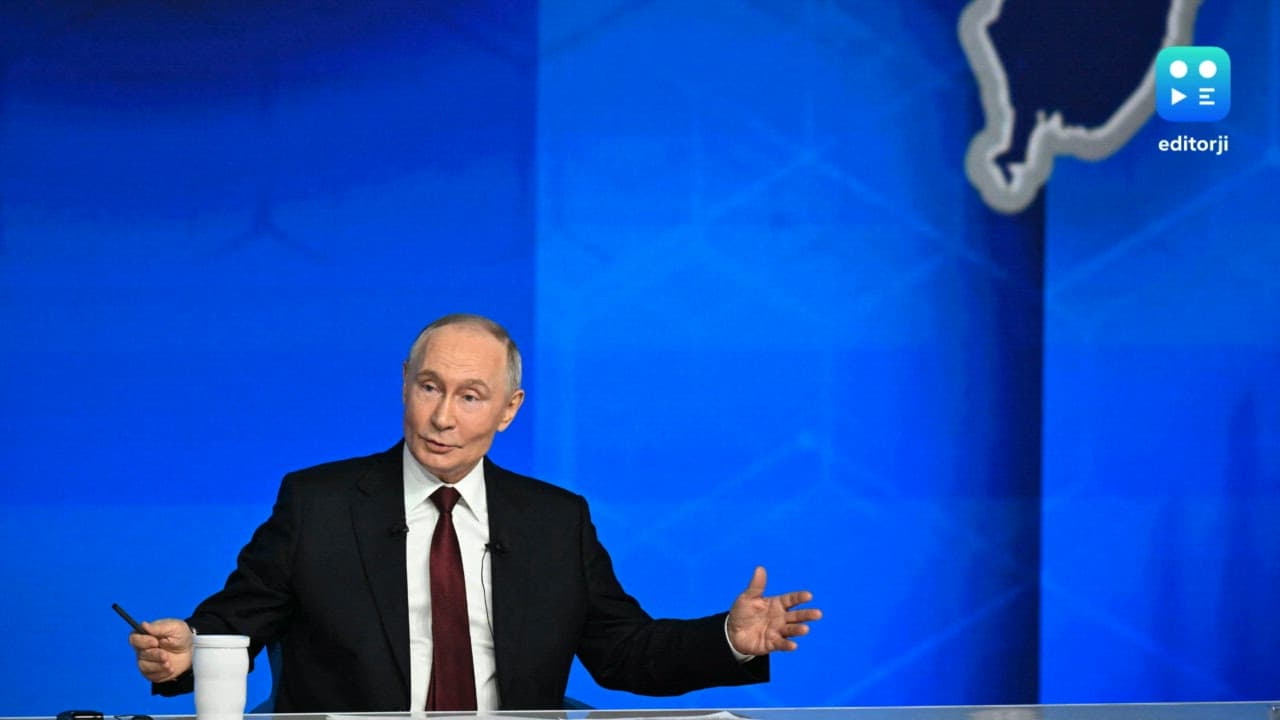
Putin hails Ukraine gains, threatens more, in annual press conference

Putin hails Ukraine gains, threatens more, in annual press conference

OnePlus Pad Go 2 Review: No drama, just a good tablet  
OnePlus Pad Go 2 Review: No drama, just a good tablet  

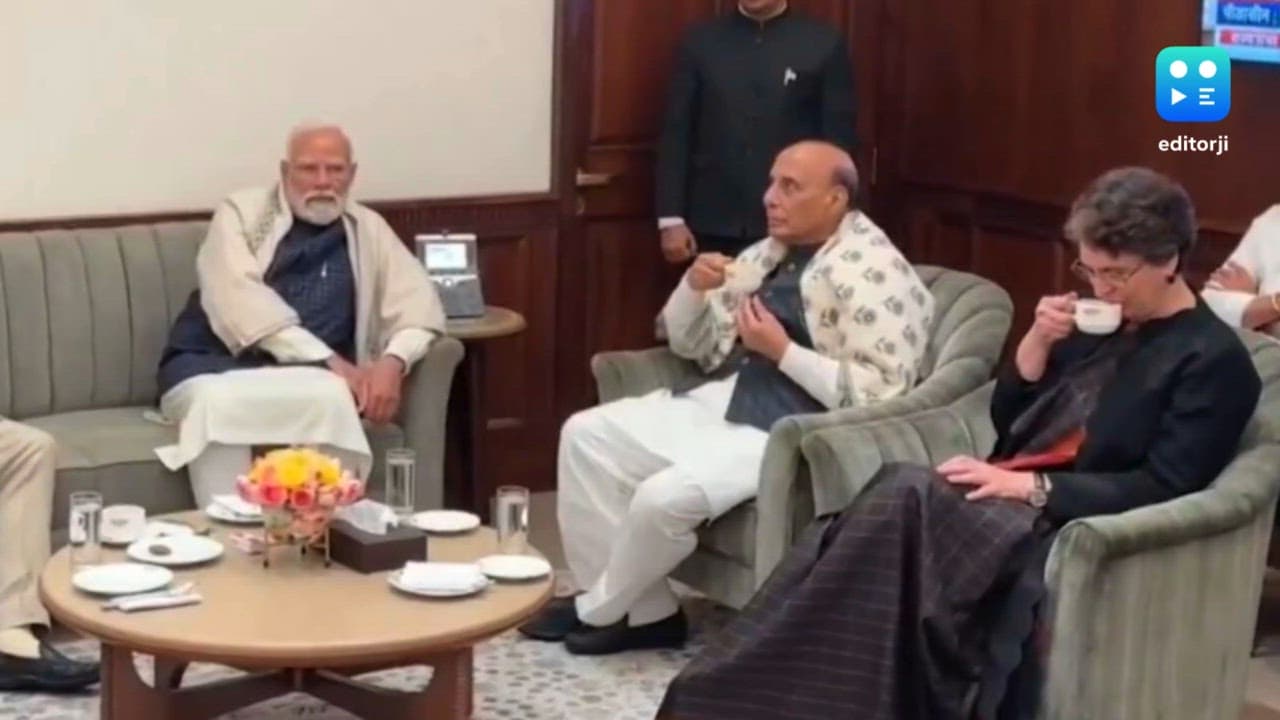
Parliament Moment: Priyanka Gandhi shares tea with Rajnath Singh. PM Modi and Om Birla

Parliament Moment: Priyanka Gandhi shares tea with Rajnath Singh. PM Modi and Om Birla

Cold wave deepens in Kashmir as Chillai-Kalan nears, temperatures dip below freezing
Cold wave deepens in Kashmir as Chillai-Kalan nears, temperatures dip below freezing

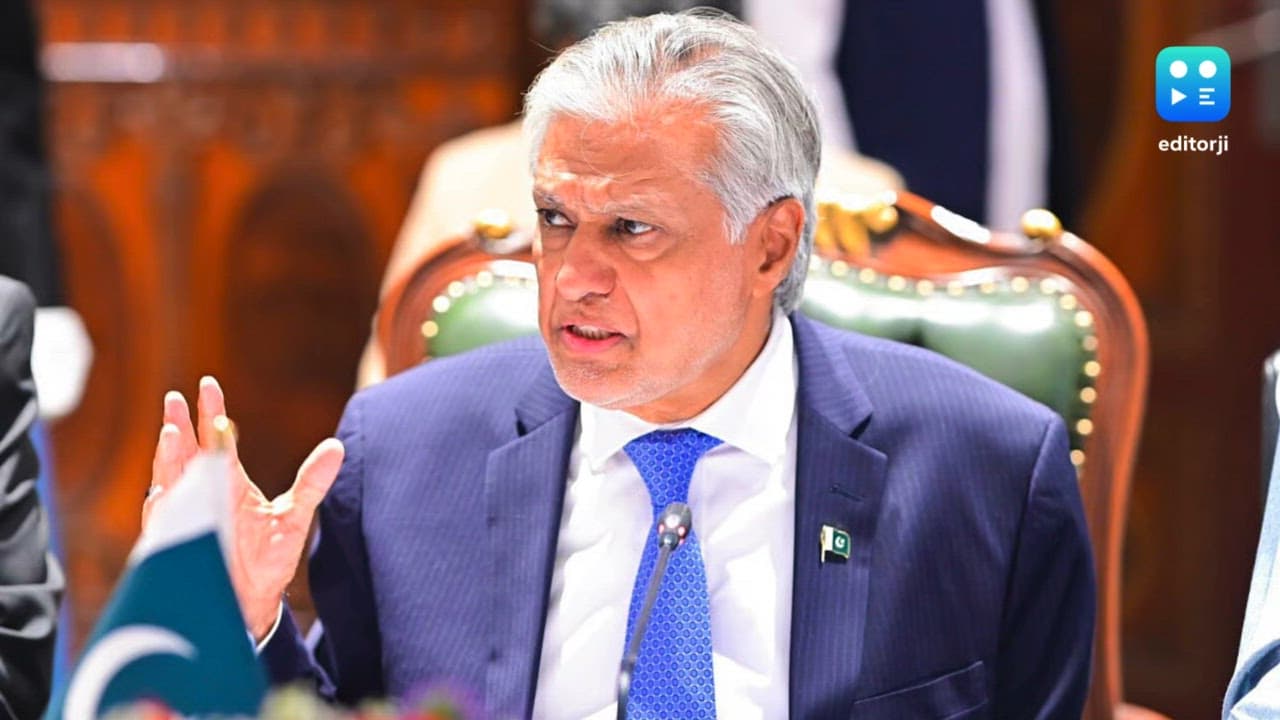
Pakistan accuses India of attempting to undermine Indus treaty
Pakistan accuses India of attempting to undermine Indus treaty

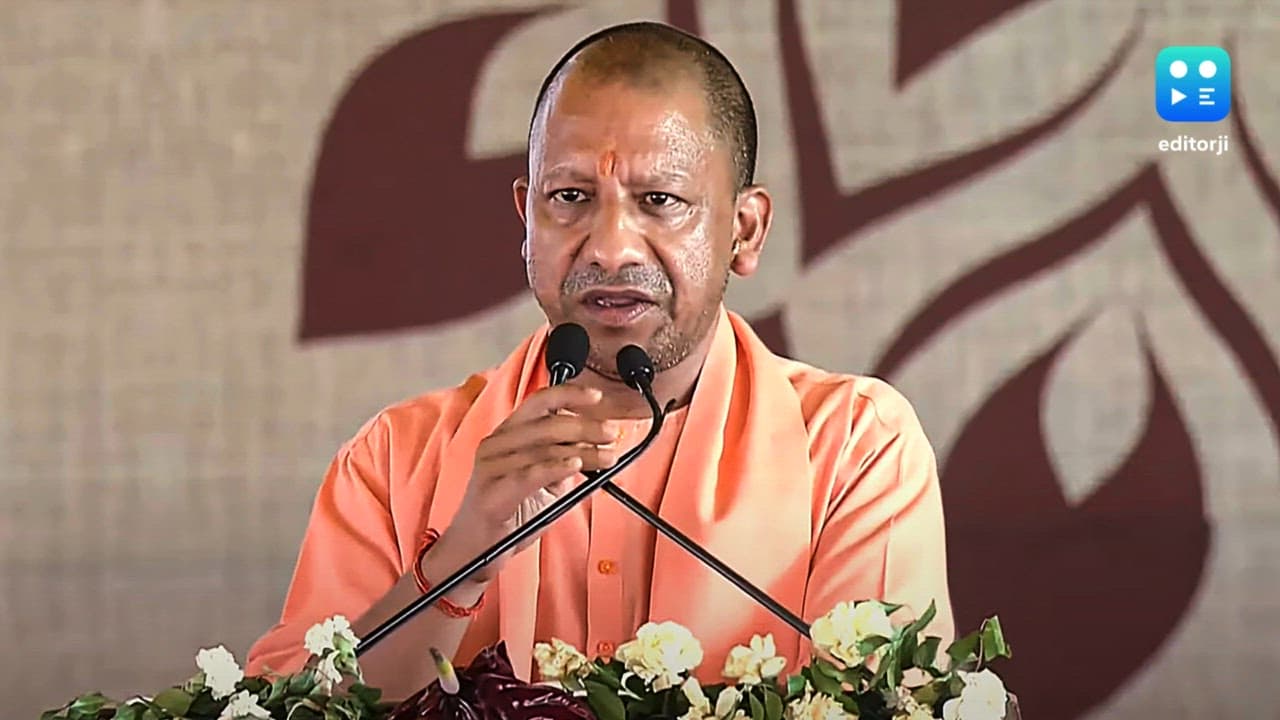
Vande Mataram discussion in UP legislature to mark 150th anniversary: Yogi Adityanath

Vande Mataram discussion in UP legislature to mark 150th anniversary: Yogi Adityanath

Ashes 2025: Travis Head slams unbeaten 142 to crush England's Ashes hopes

Ashes 2025: Travis Head slams unbeaten 142 to crush England's Ashes hopes

Tipra Motha youth wing protests Bangladesh leader's anti-India remarks in Agartala

Tipra Motha youth wing protests Bangladesh leader's anti-India remarks in Agartala

US Appeals Court Rules Against Trump's Reciprocal Tariffs

A US federal appeals court ruled President Trump's tariffs illegal, noting he overstepped powers delegated by Congress. This impacts trade strategy and may head to the Supreme Court, questioning executive power limits.

US Appeals Court Rules Against Trump's Reciprocal Tariffs

Brisbane, Sep 2 (The Conversation) Trading partners of the United States are now grappling with a fresh wave of uncertainty following a ruling from a US federal appeals court, which deemed President Donald Trump’s “reciprocal” tariffs as illegal. In a 7-4 decision, the judges concluded that Trump exceeded his powers by using emergency powers to impose indefinite tariffs on almost all goods from nearly every country. This decision upholds an earlier court ruling and could disrupt strategies for trading partners still in negotiations with the US, likely causing them to adopt a wait-and-see approach regarding the legal proceedings.

The next step is the Supreme Court, according to Trump. The US Court of Appeals for the Federal Circuit allowed the tariffs to remain in effect until October 14 to permit further appeals. The ruling has also highlighted the testing of executive powers under the 1977 International Emergency Economic Powers Act (IEEPA). Trump’s use of this act to levy tariffs has raised questions about executive authority. For now, it appears the administration has overstepped, as the judges emphasized that taxation powers reside with Congress, invoking Article 1, Section 8, of the US Constitution. The judges highlighted that allowing such power to the President could effectively diminish Congressional control over taxation.

Currently, the “liberation day” tariffs, although declared illegal, will temporarily remain in place. Revenue continues to be collected based on the challenged executive orders, and if the tariffs are ultimately deemed unlawful, those funds might need to be returned. This ruling does not encompass all tariffs, specifically excluding those on aluminium and steel sectors. Various tariffs implemented during Trump’s first term have also been ruled illegal under World Trade Organisation guidelines and are in the appeal process through the multilateral dispute settlement system.

The ruling won’t change the suspension of the de minimis exception, which caused global shipping disruptions. However, should the decision be upheld, tariffs on low-value goods will revert to pre-“liberation day” levels, often returning to zero.

Initially, trading partners reacted with alarm to Trump’s erratic tariff policies. Many rushed to reach deals with his administration. However, with the legal status of these tariffs uncertain, it may be pragmatic for governments to await the outcome of the US legal processes before entering any new agreements. Businesses face continued uncertainty as the courts might invalidate the tariffs, compelling their revocation. Nevertheless, Congress could opt to reimpose them through new legislation, or Trump could explore alternate legal strategies.

As the administration considers an appeal to the Supreme Court, the critical issue isn’t solely about tariffs but rather the enduring support of the separation of powers enshrined in the US Constitution. The appeals court’s decision challenges the claim that the IEEPA supports extensive tariffs akin to those introduced as “liberation day” tariffs. While the act permits the president to “regulate importation,” the court saw this as insufficient to justify such extensive authority. Though prior arguments of this nature have been dismissed by the Supreme Court, it remains to be seen if this will establish a precedent.

The Supreme Court's conservative majority comprises six Republican-appointed justices, including three appointed during Trump’s presidency. With precedents already set granting presidential immunity under certain conditions, a decision favoring these broad tariffs could edge the US closer to resembling a monarchy in terms of executive power. (The Conversation) GRS GRS

(Only the headline of this report may have been reworked by Editorji; the rest of the content is auto-generated from a syndicated feed.)

ADVERTISEMENT

Up Next

US Appeals Court Rules Against Trump's Reciprocal Tariffs

US Appeals Court Rules Against Trump's Reciprocal Tariffs

Bangladesh interim government condemns violence amid nationwide unrest

Bangladesh interim government condemns violence amid nationwide unrest

Arsonists target Bangladesh newspapers after student leader's death

Arsonists target Bangladesh newspapers after student leader's death

US Democrats release Epstein photos showing Bill Gates, Noam Chomsky
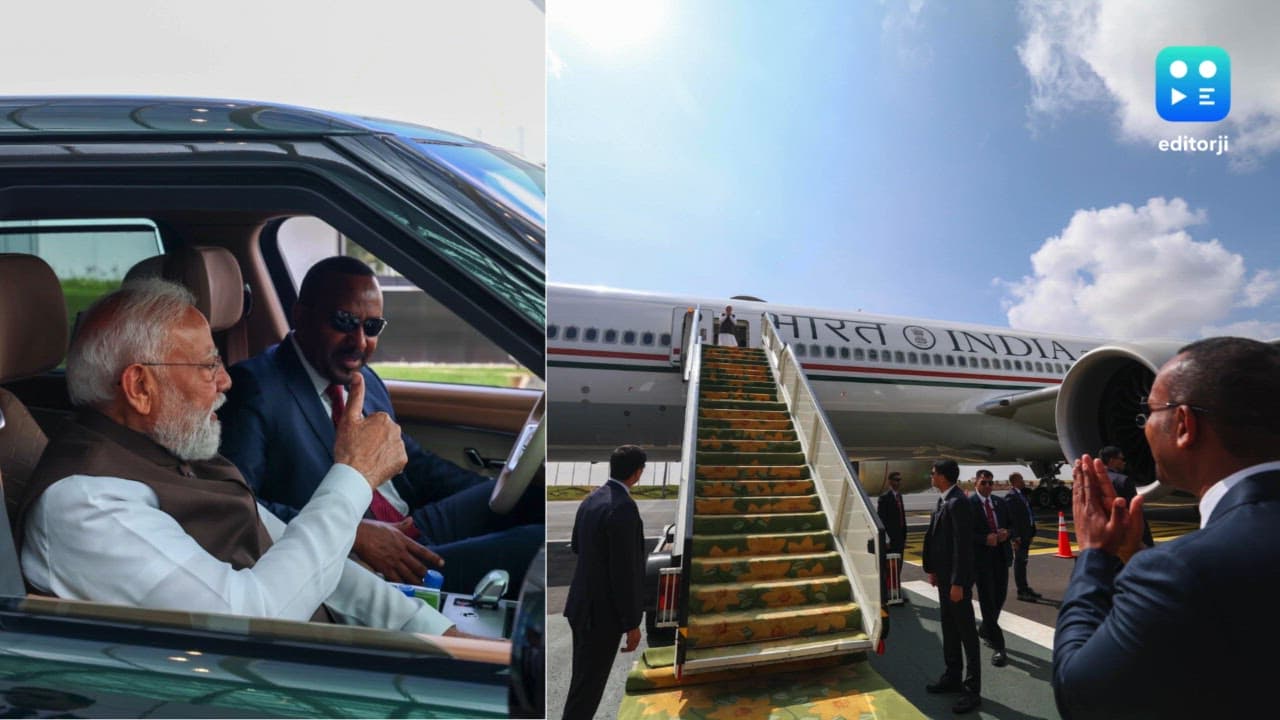
US Democrats release Epstein photos showing Bill Gates, Noam Chomsky

PM Modi departs for Oman on last leg of three-nation visit

PM Modi departs for Oman on last leg of three-nation visit

India closes visa application centre in Bangladesh capital due to security situation

India closes visa application centre in Bangladesh capital due to security situation

ADVERTISEMENT

editorji-whatsApp

More videos

Pakistan to sell 100 pc stake in PIA after bidders demand complete control post-privatisation

Pakistan to sell 100 pc stake in PIA after bidders demand complete control post-privatisation

India, Oman to sign free trade agreement in Muscat on Thursday
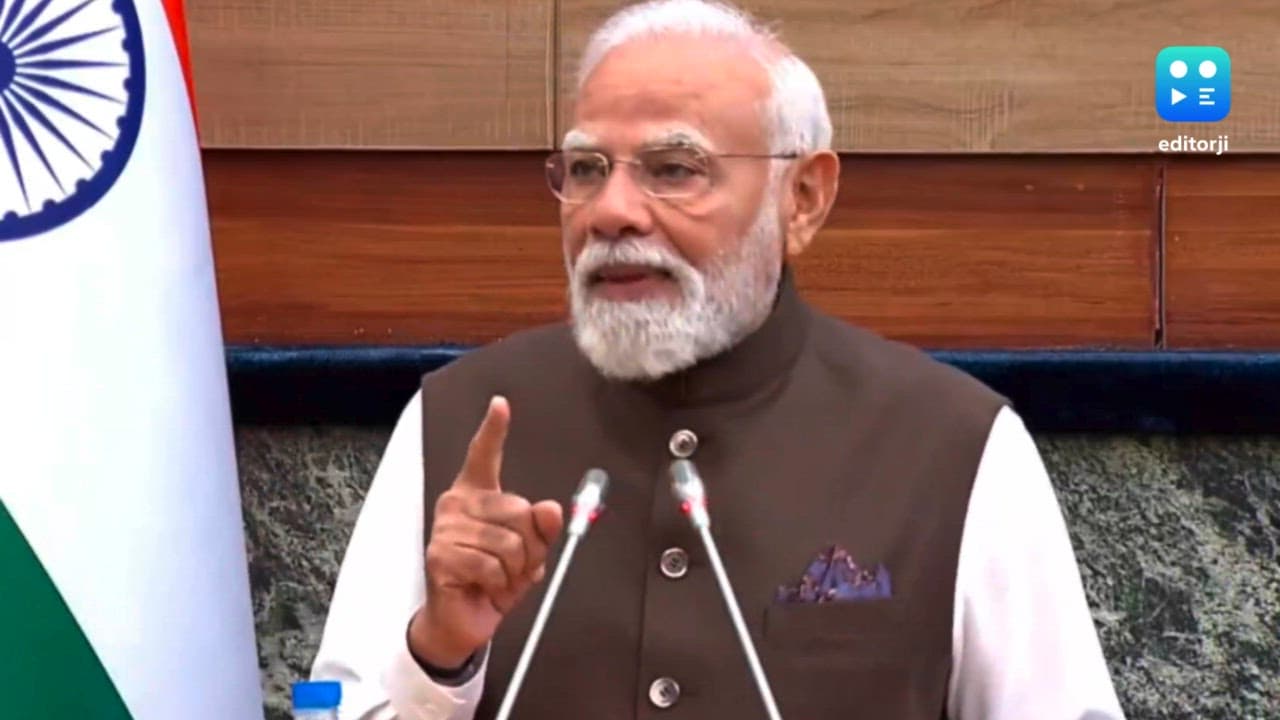
India, Oman to sign free trade agreement in Muscat on Thursday

India and Ethiopia are natural partners, says PM Modi in Ethiopian Parliament

India and Ethiopia are natural partners, says PM Modi in Ethiopian Parliament

Trump calls for global unity against radical Islamic terrorism after Bondi attack

Trump calls for global unity against radical Islamic terrorism after Bondi attack

India, Ethiopia elevate ties to strategic partnership as PM Modi holds talks with his counterpart

India, Ethiopia elevate ties to strategic partnership as PM Modi holds talks with his counterpart

PM Modi conferred Ethiopia’s highest civilian honour in Addis Ababa

PM Modi conferred Ethiopia’s highest civilian honour in Addis Ababa

Trump imposes full travel bans on seven more countries, Palestinians

Trump imposes full travel bans on seven more countries, Palestinians

EAM S. Jaishankar arrives in Israel on two-day visit; to hold talks with top leadership
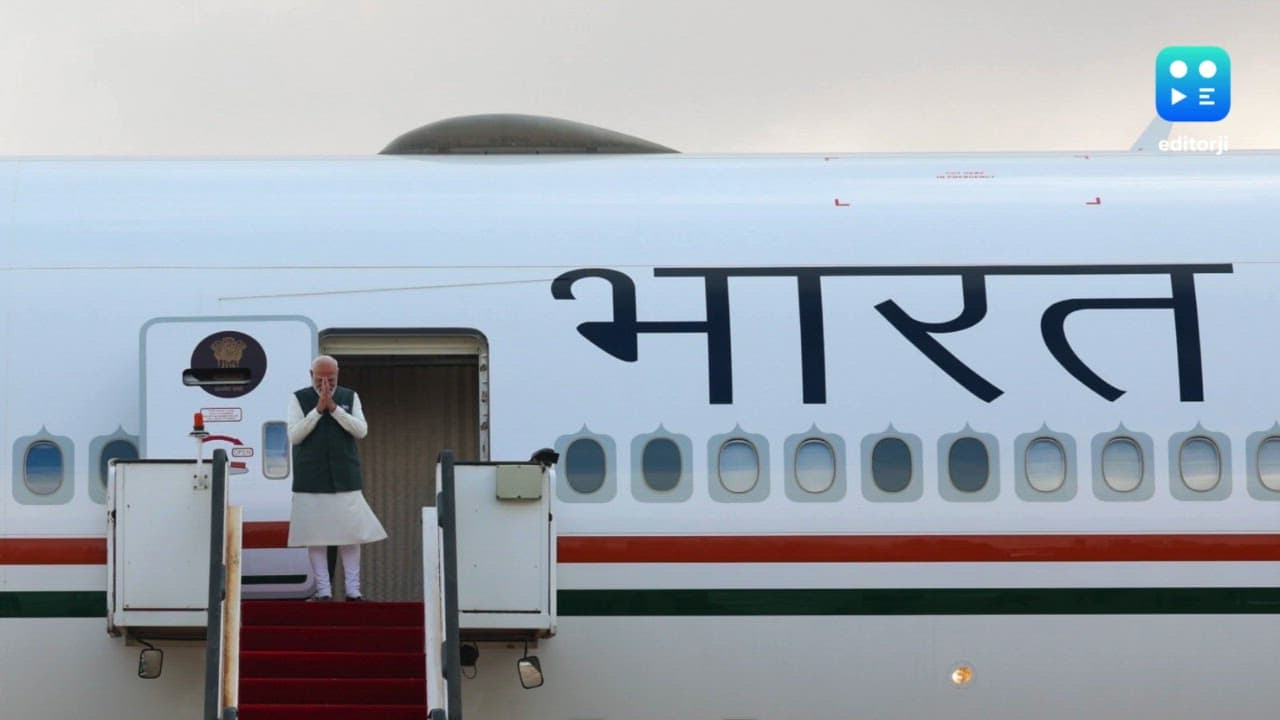
EAM S. Jaishankar arrives in Israel on two-day visit; to hold talks with top leadership

Prime Minister Narendra Modi departed for Ethiopia from Jordan

Prime Minister Narendra Modi departed for Ethiopia from Jordan

Magnitude 5.2 earthquake shakes Karachi and Balochistan, no casualty reported

Magnitude 5.2 earthquake shakes Karachi and Balochistan, no casualty reported

Editorji Technologies Pvt. Ltd. © 2022 All Rights Reserved.