Highlights

Climate change boosts arsenic in rice. Cancer risks rising by 2050. Urgent health policy action needed.

Latest news

Putin hails Ukraine gains, threatens more, in annual press conference

Putin hails Ukraine gains, threatens more, in annual press conference

OnePlus Pad Go 2 Review: No drama, just a good tablet  

OnePlus Pad Go 2 Review: No drama, just a good tablet  

Parliament Moment: Priyanka Gandhi shares tea with Rajnath Singh. PM Modi and Om Birla

Parliament Moment: Priyanka Gandhi shares tea with Rajnath Singh. PM Modi and Om Birla

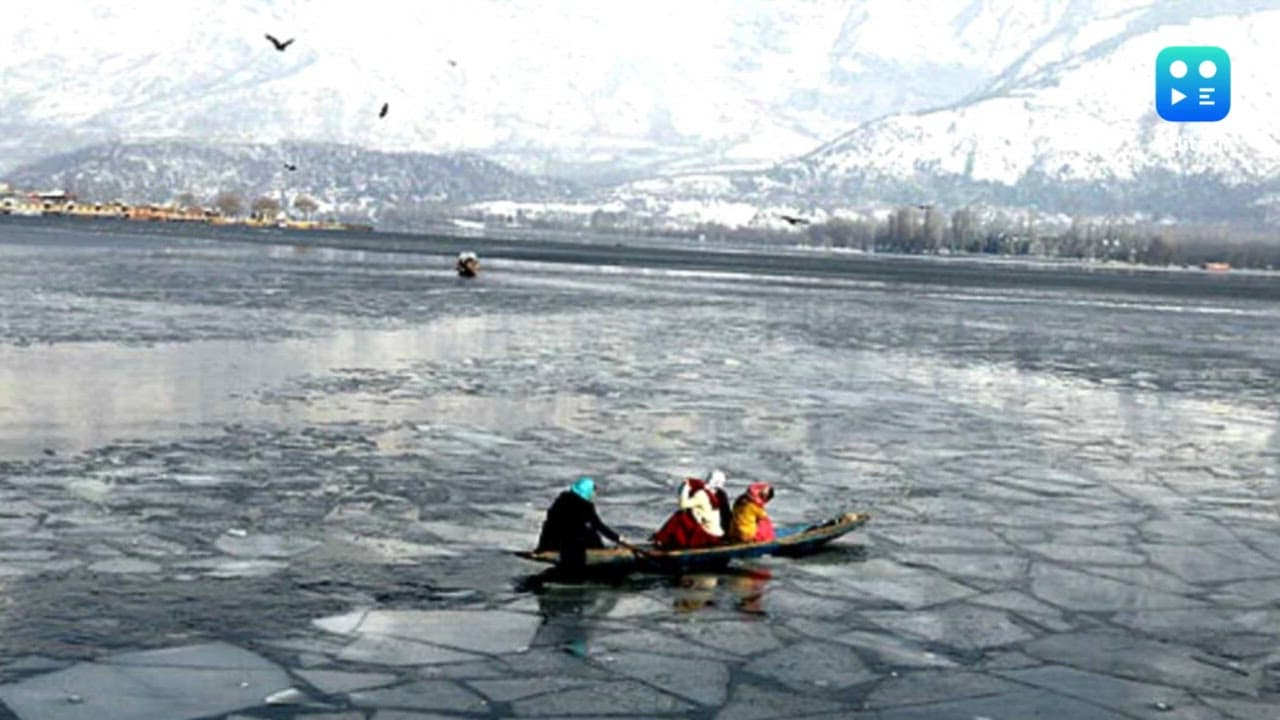
Cold wave deepens in Kashmir as Chillai-Kalan nears, temperatures dip below freezing

Cold wave deepens in Kashmir as Chillai-Kalan nears, temperatures dip below freezing

Pakistan accuses India of attempting to undermine Indus treaty

Pakistan accuses India of attempting to undermine Indus treaty

Vande Mataram discussion in UP legislature to mark 150th anniversary: Yogi Adityanath

Vande Mataram discussion in UP legislature to mark 150th anniversary: Yogi Adityanath

Ashes 2025: Travis Head slams unbeaten 142 to crush England's Ashes hopes

Ashes 2025: Travis Head slams unbeaten 142 to crush England's Ashes hopes

Tipra Motha youth wing protests Bangladesh leader's anti-India remarks in Agartala

Tipra Motha youth wing protests Bangladesh leader's anti-India remarks in Agartala

Climate Change Raises Arsenic in Rice and Cancer Risks

A groundbreaking study from Columbia University reveals a dire warning: climate change is exacerbating arsenic levels in rice, significantly increasing health risks, including cancer, for populations in Asia. Researchers found that a rise in global temperatures over 2 degrees Celsius, combined with higher carbon dioxide levels, alters soil chemistry, enabling rice to absorb more arsenic. This issue is critical for South and Southeast Asian countries such as India, Bangladesh, and Vietnam, where rice is a dietary staple. The study evaluated 28 rice varieties, predicting a significant rise in cancer cases, including lung and bladder cancers, due to elevated arsenic exposure. Solutions proposed include breeding rice varieties with lower arsenic absorption, improving paddy soil management, and initiating public health strategies. With the possibility of tens of millions of cancer cases by 2050, this study underscores an urgent need for action against climate-induced health risks linked to arsenic in rice.
Climate Change Raises Arsenic in Rice and Cancer Risks
A new study published in The Lancet Planetary Health journal warns that climate change may be exacerbating arsenic levels in rice, thus increasing long-term cancer and health risks for populations in Asian countries by 2050. Researchers from Columbia University in the United States have found that an increase in global temperatures exceeding 2 degrees Celsius, along with rising carbon dioxide levels, may alter soil chemistry in a way that favors arsenic absorption by rice grains. Both contaminated soil and water used for irrigation are known to elevate inorganic arsenic levels in rice, and cooking with arsenic-laden water further exacerbates the problem. Heightened arsenic exposure is associated with an increased risk of lung, bladder, and skin cancers, among others. "Our findings indicate that rising arsenic levels could significantly escalate the incidence of heart disease, diabetes, and other non-cancerous health effects," said Lewis Ziska, associate professor of environmental health sciences at Columbia University. Ziska emphasized that, "As rice is a dietary staple in many parts of the world, these changes could lead to a substantial rise in the global burden of cancer, cardiovascular diseases, and other arsenic-related health issues." The study highlights rice consumption as a major health concern in South and Southeast Asia—regions including India, Bangladesh, Nepal, Thailand, and Vietnam, where rice is essential to daily diets. The combined effects of increasing CO2 and temperatures on arsenic levels in rice were not thoroughly investigated until this study. Conducted over a decade, the research evaluated 28 varieties of rice under these changing conditions. Using sophisticated models, the researchers estimated inorganic arsenic doses and associated health risks for seven Asian countries: Bangladesh, China, India, Indonesia, Myanmar, the Philippines, and Vietnam. The study found that rising temperatures and CO2 levels interact synergistically to increase arsenic concentrations in rice, predicting cancer cases in the tens of millions across Asian countries by 2050. The risk of bladder and lung cancers is projected to rise in direct proportion to arsenic exposure, with a 44% increase in risk anticipated under worsening climate conditions. China, in particular, may face 13.4 million cancer cases attributable to arsenic in rice by mid-century. Beyond cancer, arsenic exposure is increasingly linked to other serious health issues, including diabetes, adverse pregnancy outcomes, neurodevelopmental challenges, and immune system effects. The study's authors advocated for measures to mitigate arsenic exposure, such as breeding rice strains that absorb less arsenic, improving soil management practices in rice paddies, and launching public health initiatives.

ADVERTISEMENT

Up Next

Climate Change Raises Arsenic in Rice and Cancer Risks

Climate Change Raises Arsenic in Rice and Cancer Risks

Putin hails Ukraine gains, threatens more, in annual press conference

Putin hails Ukraine gains, threatens more, in annual press conference

Pakistan accuses India of attempting to undermine Indus treaty

Pakistan accuses India of attempting to undermine Indus treaty

Bangladesh interim government condemns violence amid nationwide unrest

Bangladesh interim government condemns violence amid nationwide unrest

Arsonists target Bangladesh newspapers after student leader's death

Arsonists target Bangladesh newspapers after student leader's death

US Democrats release Epstein photos showing Bill Gates, Noam Chomsky

US Democrats release Epstein photos showing Bill Gates, Noam Chomsky

ADVERTISEMENT

editorji-whatsApp

More videos

PM Modi departs for Oman on last leg of three-nation visit

PM Modi departs for Oman on last leg of three-nation visit

India closes visa application centre in Bangladesh capital due to security situation

India closes visa application centre in Bangladesh capital due to security situation

Pakistan to sell 100 pc stake in PIA after bidders demand complete control post-privatisation

Pakistan to sell 100 pc stake in PIA after bidders demand complete control post-privatisation

India, Oman to sign free trade agreement in Muscat on Thursday

India, Oman to sign free trade agreement in Muscat on Thursday

India and Ethiopia are natural partners, says PM Modi in Ethiopian Parliament

India and Ethiopia are natural partners, says PM Modi in Ethiopian Parliament

Trump calls for global unity against radical Islamic terrorism after Bondi attack

Trump calls for global unity against radical Islamic terrorism after Bondi attack

India, Ethiopia elevate ties to strategic partnership as PM Modi holds talks with his counterpart

India, Ethiopia elevate ties to strategic partnership as PM Modi holds talks with his counterpart

PM Modi conferred Ethiopia’s highest civilian honour in Addis Ababa

PM Modi conferred Ethiopia’s highest civilian honour in Addis Ababa

Trump imposes full travel bans on seven more countries, Palestinians

Trump imposes full travel bans on seven more countries, Palestinians

EAM S. Jaishankar arrives in Israel on two-day visit; to hold talks with top leadership

EAM S. Jaishankar arrives in Israel on two-day visit; to hold talks with top leadership

Editorji Technologies Pvt. Ltd. © 2022 All Rights Reserved.