Dhaka, August 4 (AP): Abdur Rahman Tarif was deep in conversation with his sister Meherunnesa over the phone when an abrupt silence from her side filled him with dread. Rushing home, Tarif maneuvered through the chaotic streets of Dhaka, where security forces clashed with protesters. Upon arrival, he found his sister wounded, with their parents attending to her.
A stray bullet had struck Meherunnesa in the chest while she stood by her bedroom window, Tarif explained. Despite being rushed to the hospital, doctors pronounced her dead.
Meherunnesa, just 23 years old, lost her life on August 5 last year—the same day Bangladesh’s former Prime Minister Sheikh Hasina fled the country amidst a colossal student-led rebellion that ended her 15-year reign. For many in Bangladesh, Hasina’s departure was a cause for celebration.
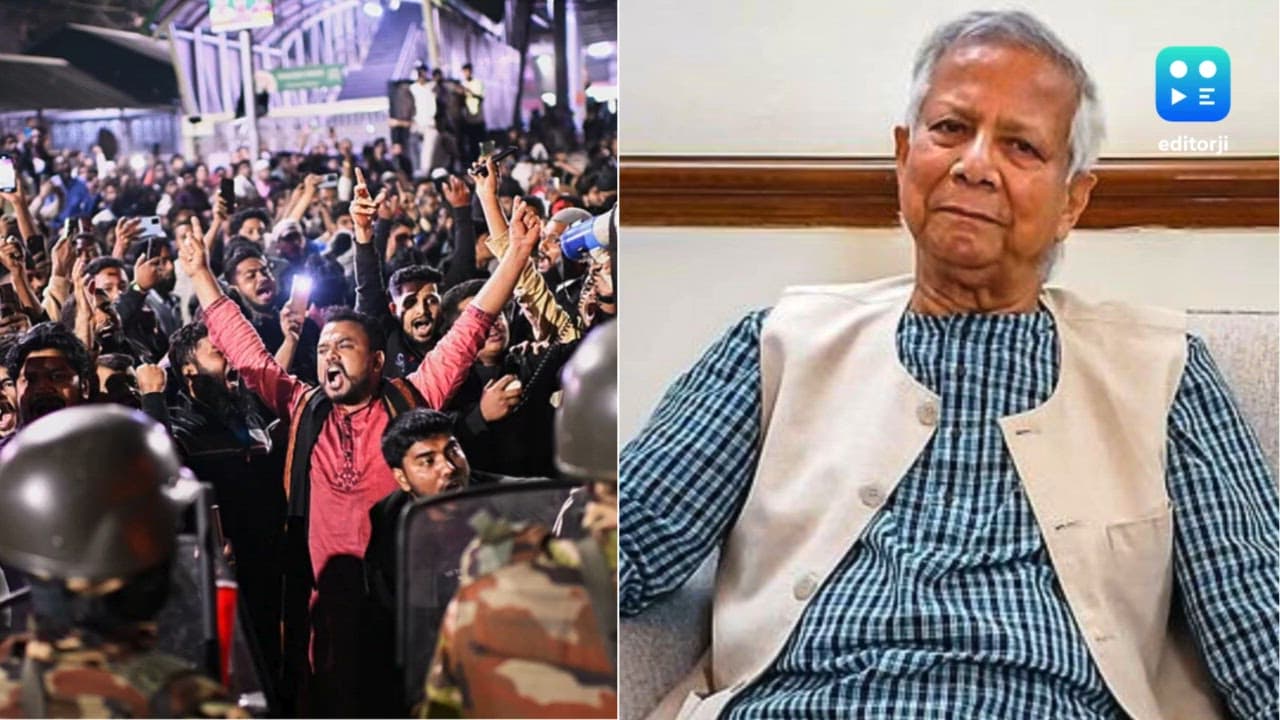
Three days later, Nobel Peace Prize laureate Muhammad Yunus assumed leadership of an interim government, promising to restore order and carry out elections following necessary reforms. Despite this, a year later, Bangladesh continues to grapple with the violence of that period, and Hasina now stands trial for crimes against humanity, albeit in absentia, as she remains exiled in India.
However, the hope of countless people who confronted violence in their fight against Sheikh Hasina’s oppressive regime for the sake of a democratic Bangladesh remains alive yet unachieved.
Stalled Change:
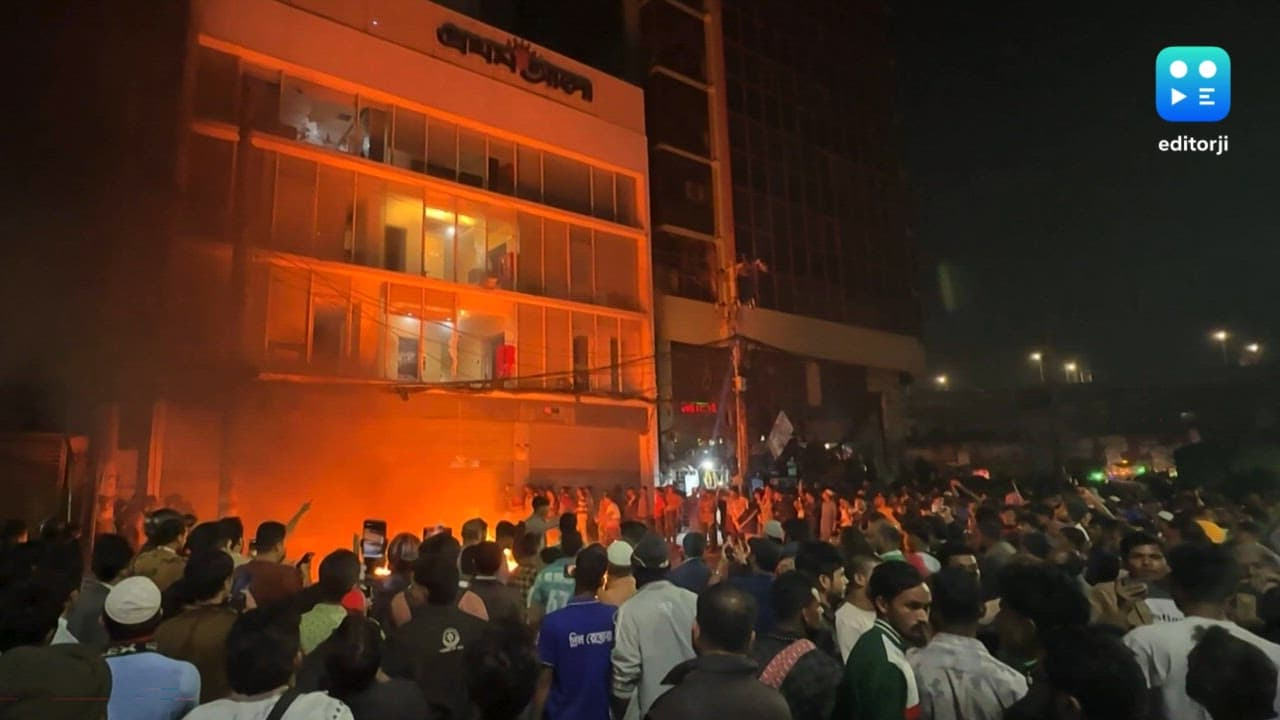
The anti-government protest came at a great cost. Hundreds, mostly students, perished amid the violent protests that saw police stations and government buildings set ablaze. Political rivals frequently clashed, culminating in some gruesome confrontations.
Like many, Tarif and his sister joined the uprising, haunted by the memory of a cousin slain by security forces. "We couldn’t remain idle. We wanted Sheikh Hasina gone," said 20-year-old Tarif. "Ultimately, we sought a nation free from discrimination and injustice." Despite his earlier hopes, Tarif finds himself frustrated.
Yunus' government established 11 reform commissions aimed at fostering national consensus and working with key political parties on governance and electoral issues. Yet, political factions have yet to agree on a timeline or process for elections, with violence, political infighting, and religious hardliners adding turmoil. Rights groups acknowledge that some of the repression under Hasina has dissipated but criticize the government for detaining perceived political opponents, notably Hasina’s followers.
The Awami League, still banned, claims over two dozen supporters have died in custody over the past year. Human Rights Watch criticized the interim government for failing to uphold its human rights agenda and highlighted ongoing violations against minority groups in parts of Bangladesh.
“The interim government seems entangled in managing an unreformed security sector, violent religious hardliners, and political player vendettas more focused on retaliation against Hasina’s supporters than protecting citizens’ rights,” said Meenakshi Ganguly, deputy Asia director at Human Rights Watch. Yunus' administration routinely rejects these criticisms.
Growing Political Uncertainty:
Bangladesh confronts political uncertainty over returning to democratically conducted elections. Clashing with the Bangladesh Nationalist Party, led by former Prime Minister Khaleda Zia, Yunus advocates for April elections, against the BNP’s December or February preference. Meanwhile, the interim government’s policies have allowed Islamist groups, once clamped down under Hasina, to rise.
New political parties formed by students who led the uprising call for constitutional reforms and threaten a boycott of elections unless significant changes occur. Additionally, several unreformed hardline Islamists have been freed or escaped prison, and the Jamaat-e-Islami seeks a role in governance. Critics warn that increased influence from Islamist forces might further fragment the political landscape.
Raised Islamist presence raises concerns over whether the country might drift towards radicalization, with purportedly disciplined Islamist forces acting against liberal and moderate factions,” warned political analyst Nazmul Ahsan Kalimullah. Doubts loom over the government’s ability to enact meaningful reforms.
Kalimullah asserted that the people's expectation was an electoral process reformed under Yunus’ focused leadership—a "missed opportunity" he laments.
A Frustrated Population:
For many, little has changed since the uprising. Meherunnesa’s father, Mosharraf Hossain, emphasized that the uprising symbolized deeper frustrations beyond mere governmental change. “We seek a new Bangladesh. It's been 54 years since independence, yet true freedom remains elusive,” he observed.
Tarif shares his father’s sentiment, expressing dissatisfaction with the state of the nation. “I envision a secure Bangladesh where law enforcement dutifully upholds the law, and the government doesn’t resort to enforced disappearances or killing.”
(Only the headline of this report may have been reworked by Editorji; the rest of the content is auto-generated from a syndicated feed.)