Highlights

Few firms fully use AI. 'Doorman fallacy' simplifies roles. Balancing AI with human tasks is key.

Latest news

RBI announces Rs 30,000 crore G-Sec underwriting auction, releases OMO purchase results

RBI announces Rs 30,000 crore G-Sec underwriting auction, releases OMO purchase results

Sriram Raghavan, Dibakar Banerjee, other filmmakers onboard to judge films at MAMI Mumbai Film Festival 2026

Sriram Raghavan, Dibakar Banerjee, other filmmakers onboard to judge films at MAMI Mumbai Film Festival 2026

Gold should now be seen more as an "insurance policy", SIP route advisable at current levels: Analysts

Gold should now be seen more as an "insurance policy", SIP route advisable at current levels: Analysts

AAP MLA Hemant Khava flags poor road conditions, questions toll tax usage in Gujarat
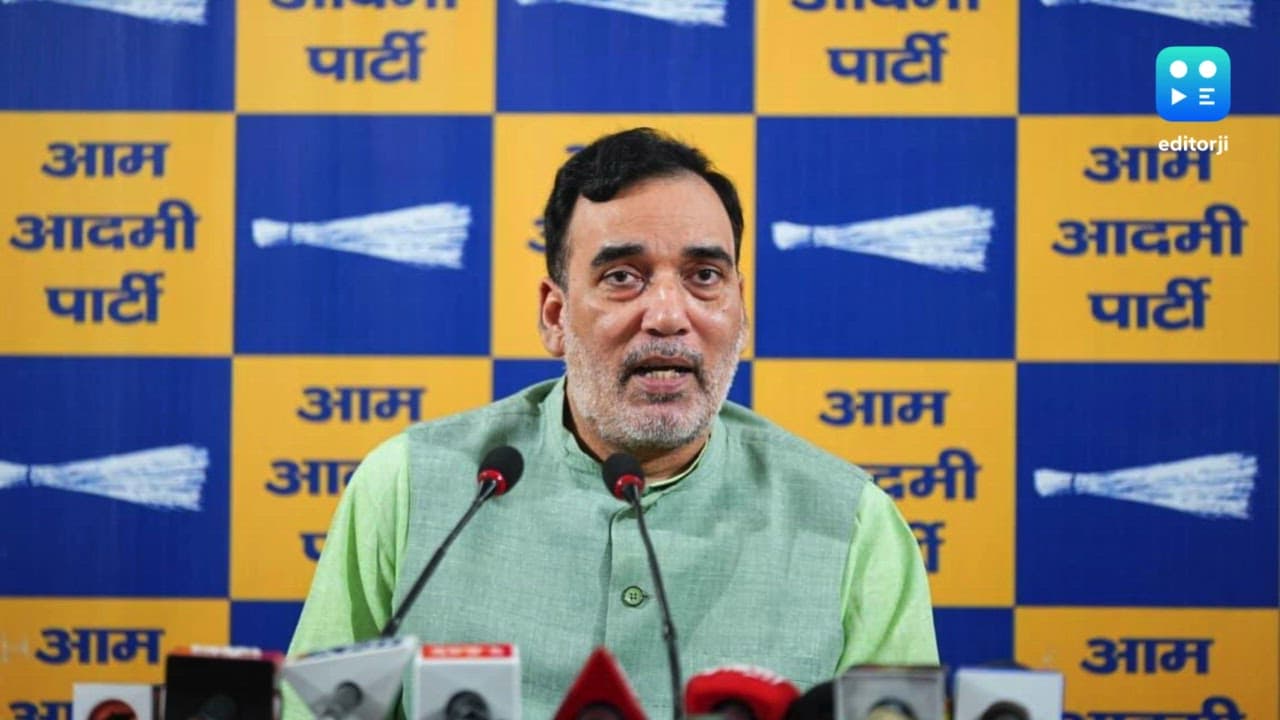
AAP MLA Hemant Khava flags poor road conditions, questions toll tax usage in Gujarat

AAP calls Punjab district panchayat win historic, eyes Gujarat local body polls

AAP calls Punjab district panchayat win historic, eyes Gujarat local body polls

Gujarat AAP MLA Chaitar Vasava questions police action against tribal villagers in Banaskantha

Gujarat AAP MLA Chaitar Vasava questions police action against tribal villagers in Banaskantha

Sitharaman introduced Securities Markets Code Bill in Lok Sabha, proposes to send it to parliamentary committee

Sitharaman introduced Securities Markets Code Bill in Lok Sabha, proposes to send it to parliamentary committee

OnePlus 15R review: A clear shift in what the R-series stands for

OnePlus 15R review: A clear shift in what the R-series stands for

Maximizing AI Adoption: The Balance Between Technology and Human Insight

AI adoption is rising, but human roles are vital. Companies often overlook this, leading to costly issues. Integrating AI smartly enhances efficiency.

Maximizing AI Adoption: The Balance Between Technology and Human Insight

Adelaide, Nov 4 (The Conversation) – The proliferation of artificial intelligence (AI) in business may be accelerating, yet current data shows that only 7 to 13 percent of companies, depending on their size, have fully integrated AI into their workflows. Interestingly, implementation within specific business areas is considerably higher, with up to 78 percent of businesses utilizing AI tools in at least one function. Over 90 percent plan to boost AI investments within the next three years. Businesses are driven by expectations of improved efficiency and reduced costs, though the widespread adoption of AI also brings the challenge of workforce restructuring. While millions of jobs may be reshaped or displaced in the coming decade, many organizations are not seeing the anticipated returns. The productive gains from AI remain ambiguous, and implementation failures are a costly burden for many organizations. A cause of these issues lies in a phenomenon known as the "doorman fallacy," which involves oversimplifying human roles to a singular task and replacing individuals with AI, neglecting the nuanced interactions and adaptability humans offer. Coined by British advertising executive Rory Sutherland in his book "Alchemy," the term illustrates how businesses undervalue the comprehensive role individuals play. Take the example of a hotel doorman: while it may seem their tasks are limited to small talk and operating doors, their true contributions are manifold, enhancing guest experiences, security, and even the hotel's prestige. This fallacy emerges when organizations assess employees solely on observable tasks, potentially missing the broader value provided by their contextual judgment and unseen contributions. This narrow focus can lead to costly mistakes, such as the incident with the Commonwealth Bank of Australia, which reversed its decision to replace customer service staff with AI after realizing it hadn’t fully considered the broader business impact. Taco Bell's rollout of voice AI at its drive-through nannies similarly resulted in customer complaints, suggesting that human staff might outperform AI in settings requiring nuanced interaction. Research highlights that 55 percent of companies replacing staff with AI have recognized they acted prematurely, with some rehiring staff to meet customer expectations, as consumers largely prefer human interaction. For companies hoping to avoid the pitfalls of the doorman fallacy, understanding that jobs entail more than just visible tasks is critical. AI adoption should thoughtfully consider the human elements in roles and expand the notion of "efficiency" to encompass customer experience and long-term benefits. Enterprises must conduct in-depth analyses before automating roles, ensuring that tasks viable for automation do not necessitate human oversight. AI is best applied to roles like data entry, image processing, or predictive maintenance, which are more straightforward, thus permitting human workers to engage in more meaningful tasks. Overall, the most effective AI use integrates technology with human judgment, balancing efficiency with context-sensitive work.

The best practices involve pairing AI with human insight, enabling automation to handle standard tasks and freeing individuals to deliver personalized service where it truly counts.

(Only the headline of this report may have been reworked by Editorji; the rest of the content is auto-generated from a syndicated feed.)

ADVERTISEMENT

Up Next

Maximizing AI Adoption: The Balance Between Technology and Human Insight

Maximizing AI Adoption: The Balance Between Technology and Human Insight

PM Modi departs for Oman on last leg of three-nation visit

PM Modi departs for Oman on last leg of three-nation visit

India closes visa application centre in Bangladesh capital due to security situation

India closes visa application centre in Bangladesh capital due to security situation

Pakistan to sell 100 pc stake in PIA after bidders demand complete control post-privatisation

Pakistan to sell 100 pc stake in PIA after bidders demand complete control post-privatisation

India, Oman to sign free trade agreement in Muscat on Thursday
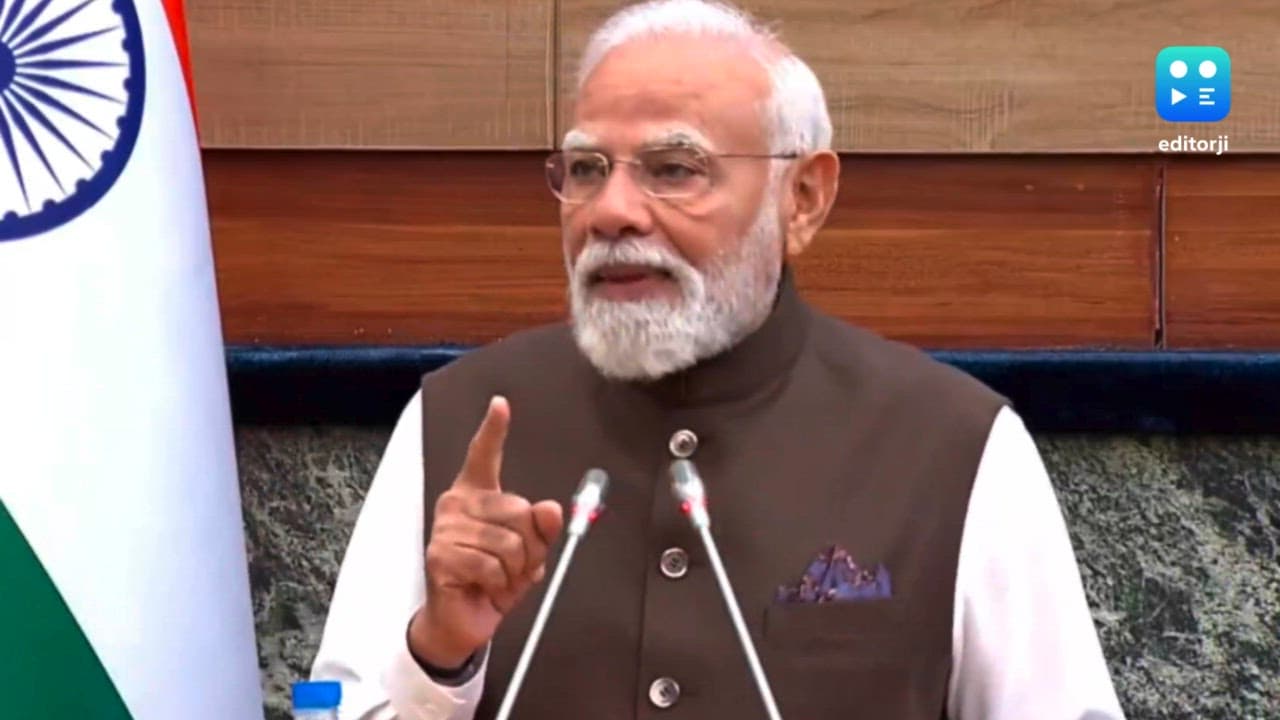
India, Oman to sign free trade agreement in Muscat on Thursday

India and Ethiopia are natural partners, says PM Modi in Ethiopian Parliament

India and Ethiopia are natural partners, says PM Modi in Ethiopian Parliament

ADVERTISEMENT

editorji-whatsApp

More videos

Trump calls for global unity against radical Islamic terrorism after Bondi attack

Trump calls for global unity against radical Islamic terrorism after Bondi attack

India, Ethiopia elevate ties to strategic partnership as PM Modi holds talks with his counterpart

India, Ethiopia elevate ties to strategic partnership as PM Modi holds talks with his counterpart

PM Modi conferred Ethiopia’s highest civilian honour in Addis Ababa

PM Modi conferred Ethiopia’s highest civilian honour in Addis Ababa

Trump imposes full travel bans on seven more countries, Palestinians
Trump imposes full travel bans on seven more countries, Palestinians

EAM S. Jaishankar arrives in Israel on two-day visit; to hold talks with top leadership

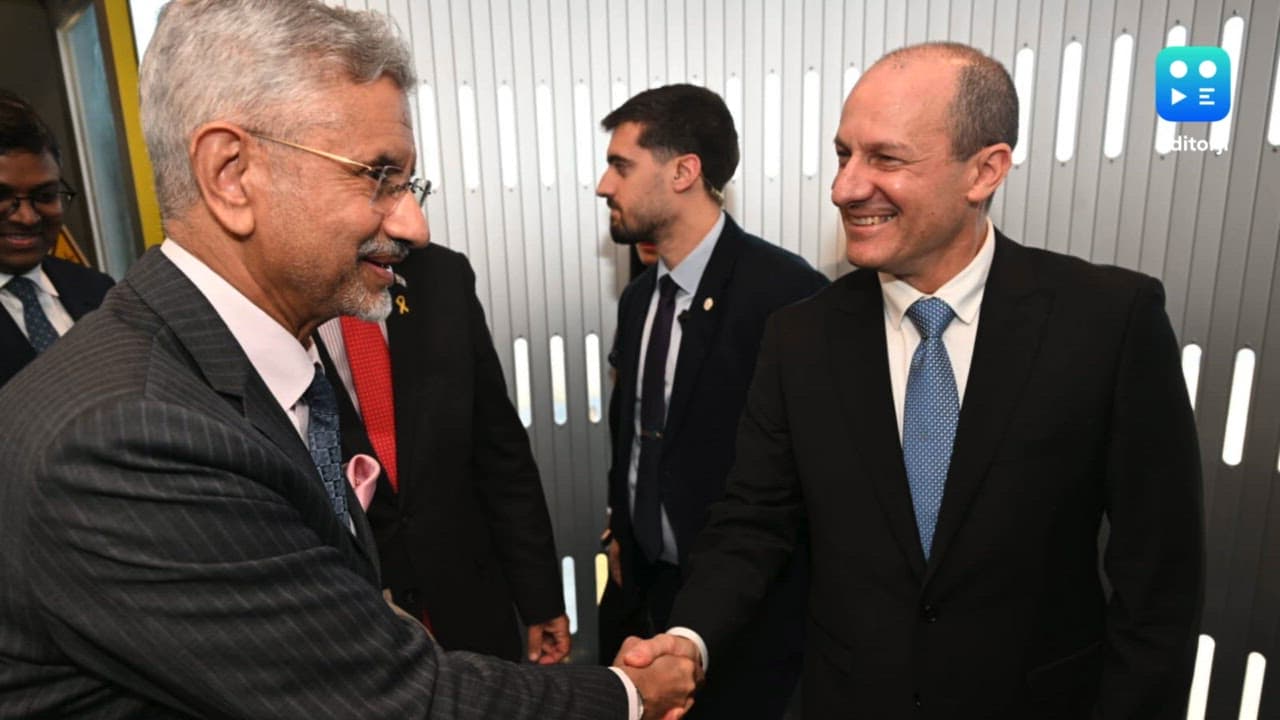
EAM S. Jaishankar arrives in Israel on two-day visit; to hold talks with top leadership

Prime Minister Narendra Modi departed for Ethiopia from Jordan

Prime Minister Narendra Modi departed for Ethiopia from Jordan

Magnitude 5.2 earthquake shakes Karachi and Balochistan, no casualty reported

Magnitude 5.2 earthquake shakes Karachi and Balochistan, no casualty reported

Crown Prince drives PM Modi to Jordan Museum in special gesture
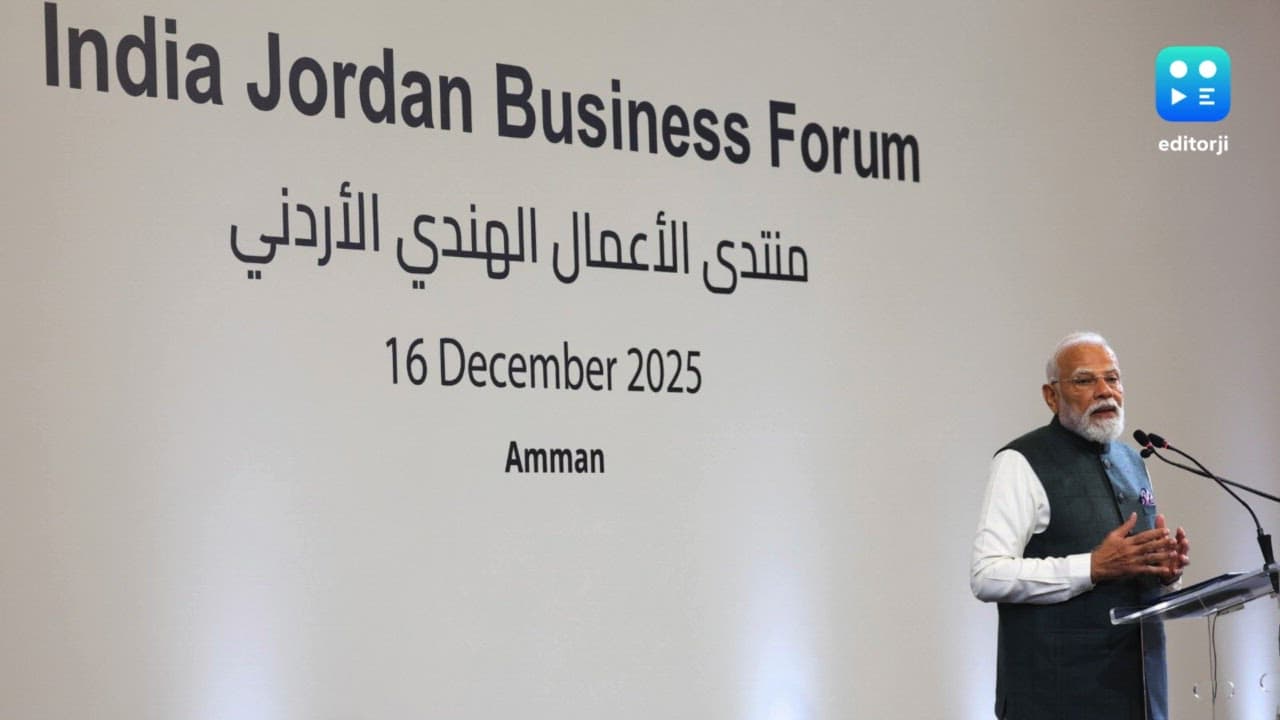
Crown Prince drives PM Modi to Jordan Museum in special gesture

PM Modi highlights substantive outcomes of Jordan visit, says ties expanded across key sectors

PM Modi highlights substantive outcomes of Jordan visit, says ties expanded across key sectors

Trump sues BBC for $10 billion over documentary speech edit

Trump sues BBC for $10 billion over documentary speech edit

Editorji Technologies Pvt. Ltd. © 2022 All Rights Reserved.