Highlights

800+ deaths reported. Lack of resilient buildings. Urgent calls for design changes.

Latest news

Putin hails Ukraine gains, threatens more, in annual press conference

Putin hails Ukraine gains, threatens more, in annual press conference

OnePlus Pad Go 2 Review: No drama, just a good tablet  

OnePlus Pad Go 2 Review: No drama, just a good tablet  

Parliament Moment: Priyanka Gandhi shares tea with Rajnath Singh. PM Modi and Om Birla
Parliament Moment: Priyanka Gandhi shares tea with Rajnath Singh. PM Modi and Om Birla

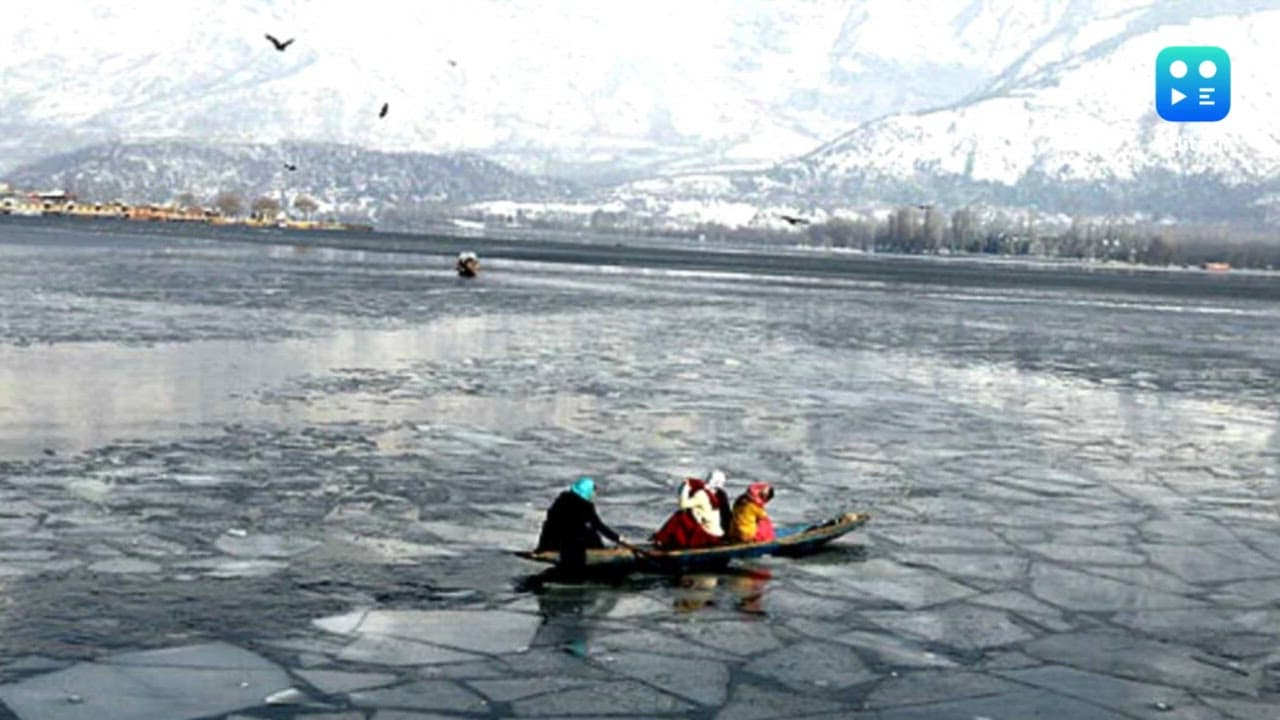
Cold wave deepens in Kashmir as Chillai-Kalan nears, temperatures dip below freezing

Cold wave deepens in Kashmir as Chillai-Kalan nears, temperatures dip below freezing

Pakistan accuses India of attempting to undermine Indus treaty
Pakistan accuses India of attempting to undermine Indus treaty

Vande Mataram discussion in UP legislature to mark 150th anniversary: Yogi Adityanath

Vande Mataram discussion in UP legislature to mark 150th anniversary: Yogi Adityanath

Ashes 2025: Travis Head slams unbeaten 142 to crush England's Ashes hopes

Ashes 2025: Travis Head slams unbeaten 142 to crush England's Ashes hopes

Tipra Motha youth wing protests Bangladesh leader's anti-India remarks in Agartala

Tipra Motha youth wing protests Bangladesh leader's anti-India remarks in Agartala

Recent Afghanistan Earthquake Highlights Urgent Need for Resilient Building Designs

Earthquake in Afghanistan causes significant casualties due to weak building structures. Call for better building practices.

Recent Afghanistan Earthquake Highlights Urgent Need for Resilient Building Designs

Callaghan, Australia, Sep 2 (The Conversation) – The aftermath of a recent earthquake in Afghanistan has seen a rising death toll, currently reported by Taliban-led health officials to be at least 800 lives lost and another 2,000 people injured.

The quake struck shortly before midnight local time on Sunday in a mountainous area near Jalalabad, close to Afghanistan's eastern border with Pakistan. Though its magnitude was a moderate 6.0, the quake's shallow depth of 8km underground caused severe surface shaking and was followed by multiple aftershocks.

Most victims were sleeping indoors at the time and were crushed by collapsing buildings. The area’s remoteness, coupled with landslide-blocked roads, means that determining the true death toll could take time.

A Region Prone to Quakes – The region, nestled within the Himalaya and Hindu Kush ranges, is seismically active due to the ongoing collision of the Eurasian and Indian tectonic plates. This fault line has produced some of the region's most devastating earthquakes, such as the 2015 Gorkha quake in Nepal.

Afghanistan frequently experiences earthquakes, particularly in the area currently impacted. Just last month, a quake in this region claimed more than 1,500 lives. In the previous year, over 1,000 lives were lost to another tremor.

Comparing magnitudes, the 2011 Christchurch earthquake in New Zealand, of similar magnitude and shallowness, resulted in 185 deaths, illustrating a stark contrast with the hundreds of fatalities in Afghanistan's rural hamlets.

Earthquakes Don’t Kill People, Buildings Do – This well-known saying points to factors contributing to Afghanistan's high fatality rate. Rural Afghan communities often construct homes using local materials like earth, stone, and raw lumber, lacking access to sturdy, manufactured building resources. Such constructions generally do not adhere to engineered designs, building codes, or professional standards that prevail in more affluent nations, making them vulnerable to earthquake-induced damage.

Common construction methods in rural Afghan areas involve mud bricks or stone masonry, known as "monolithic" construction, incapable of resisting strong side-to-side shaking during quakes. Consequently, buildings collapse easily, causing significant casualties. Reports consistently highlight collapsed structures in the affected regions, similar to previous earthquake occurrences.

A Call for Design Change – Examples from neighboring countries show that economic constraints do not preclude adopting better earthquake-resilient designs. Following the 2015 Gorkha earthquake, Nepal's government instituted a National Building Code establishing minimum standards for basic earthquake resilience, using straightforward guidelines.

More than 25 years ago, Anand Arya, an Indian earthquake engineer, initiated a method to reduce earthquake risk in “non-engineered” buildings. His techniques involved adding continuous wall bands and reinforcements at building corners and around doors and windows, enhancing the strength of traditional constructions.

These cases prove that significant financial resources are not always necessary for improved earthquake resilience. Technical and institutional guidance can foster safety in economically feasible ways. Although not entirely earthquake-proof, such strengthened buildings could reduce damage and save lives.

Hope persists that this devastating earthquake will spur initiatives in Afghanistan to "build back better," enabling affected communities to be more resilient to future seismic events. (The Conversation) GRS GRS

(Only the headline of this report may have been reworked by Editorji; the rest of the content is auto-generated from a syndicated feed.)

ADVERTISEMENT

Up Next

Recent Afghanistan Earthquake Highlights Urgent Need for Resilient Building Designs

Recent Afghanistan Earthquake Highlights Urgent Need for Resilient Building Designs

Bangladesh interim government condemns violence amid nationwide unrest
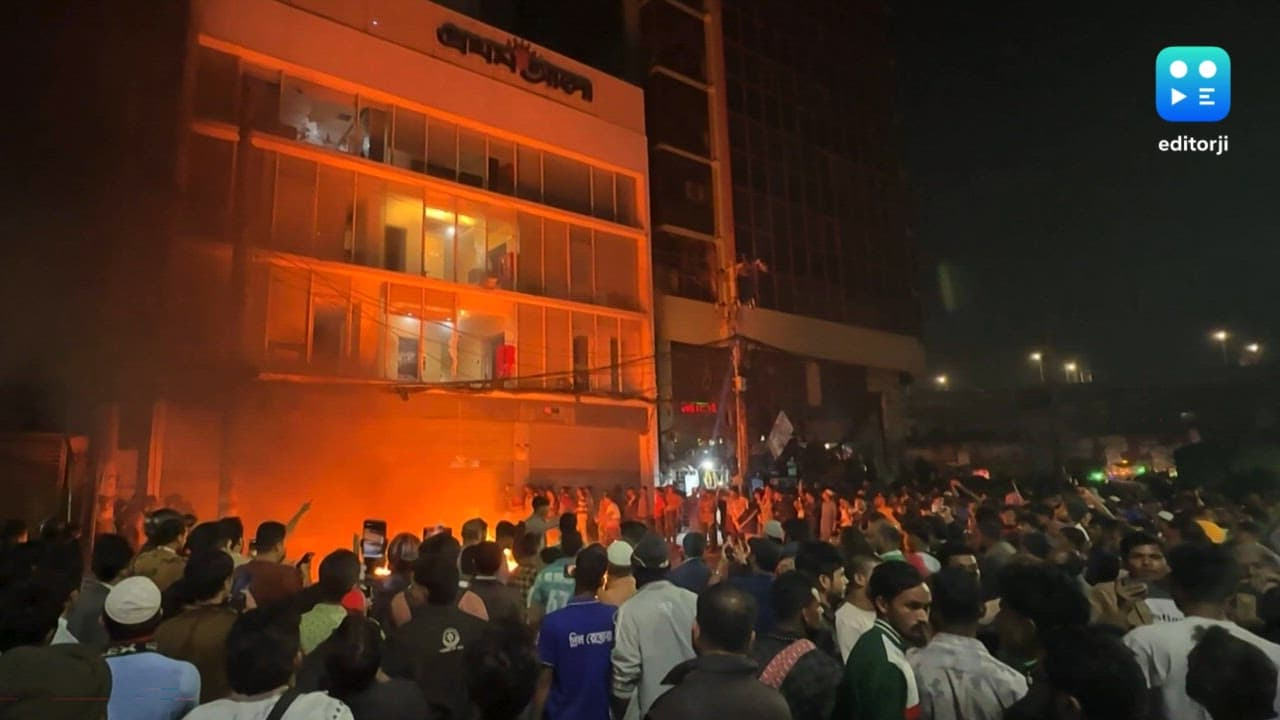
Bangladesh interim government condemns violence amid nationwide unrest

Arsonists target Bangladesh newspapers after student leader's death

Arsonists target Bangladesh newspapers after student leader's death

US Democrats release Epstein photos showing Bill Gates, Noam Chomsky

US Democrats release Epstein photos showing Bill Gates, Noam Chomsky

PM Modi departs for Oman on last leg of three-nation visit

PM Modi departs for Oman on last leg of three-nation visit

India closes visa application centre in Bangladesh capital due to security situation

India closes visa application centre in Bangladesh capital due to security situation

ADVERTISEMENT

editorji-whatsApp

More videos

Pakistan to sell 100 pc stake in PIA after bidders demand complete control post-privatisation

Pakistan to sell 100 pc stake in PIA after bidders demand complete control post-privatisation

India, Oman to sign free trade agreement in Muscat on Thursday

India, Oman to sign free trade agreement in Muscat on Thursday

India and Ethiopia are natural partners, says PM Modi in Ethiopian Parliament

India and Ethiopia are natural partners, says PM Modi in Ethiopian Parliament

Trump calls for global unity against radical Islamic terrorism after Bondi attack

Trump calls for global unity against radical Islamic terrorism after Bondi attack

India, Ethiopia elevate ties to strategic partnership as PM Modi holds talks with his counterpart

India, Ethiopia elevate ties to strategic partnership as PM Modi holds talks with his counterpart

PM Modi conferred Ethiopia’s highest civilian honour in Addis Ababa

PM Modi conferred Ethiopia’s highest civilian honour in Addis Ababa

Trump imposes full travel bans on seven more countries, Palestinians

Trump imposes full travel bans on seven more countries, Palestinians

EAM S. Jaishankar arrives in Israel on two-day visit; to hold talks with top leadership

EAM S. Jaishankar arrives in Israel on two-day visit; to hold talks with top leadership

Prime Minister Narendra Modi departed for Ethiopia from Jordan

Prime Minister Narendra Modi departed for Ethiopia from Jordan

Magnitude 5.2 earthquake shakes Karachi and Balochistan, no casualty reported

Magnitude 5.2 earthquake shakes Karachi and Balochistan, no casualty reported

Editorji Technologies Pvt. Ltd. © 2022 All Rights Reserved.