


Highlights
AAP shifts guidance. Vaccines urged for young kids. Kennedy alters vaccine panel.
Latest news
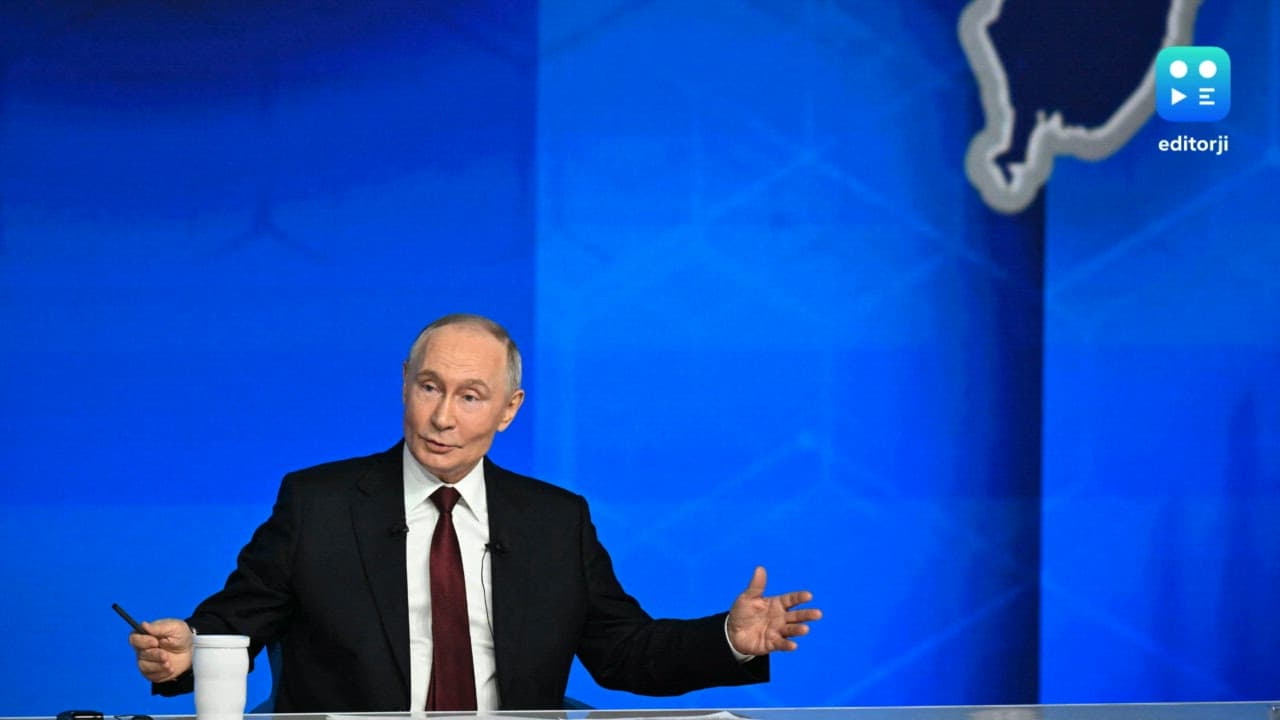
Putin hails Ukraine gains, threatens more, in annual press conference

OnePlus Pad Go 2 Review: No drama, just a good tablet
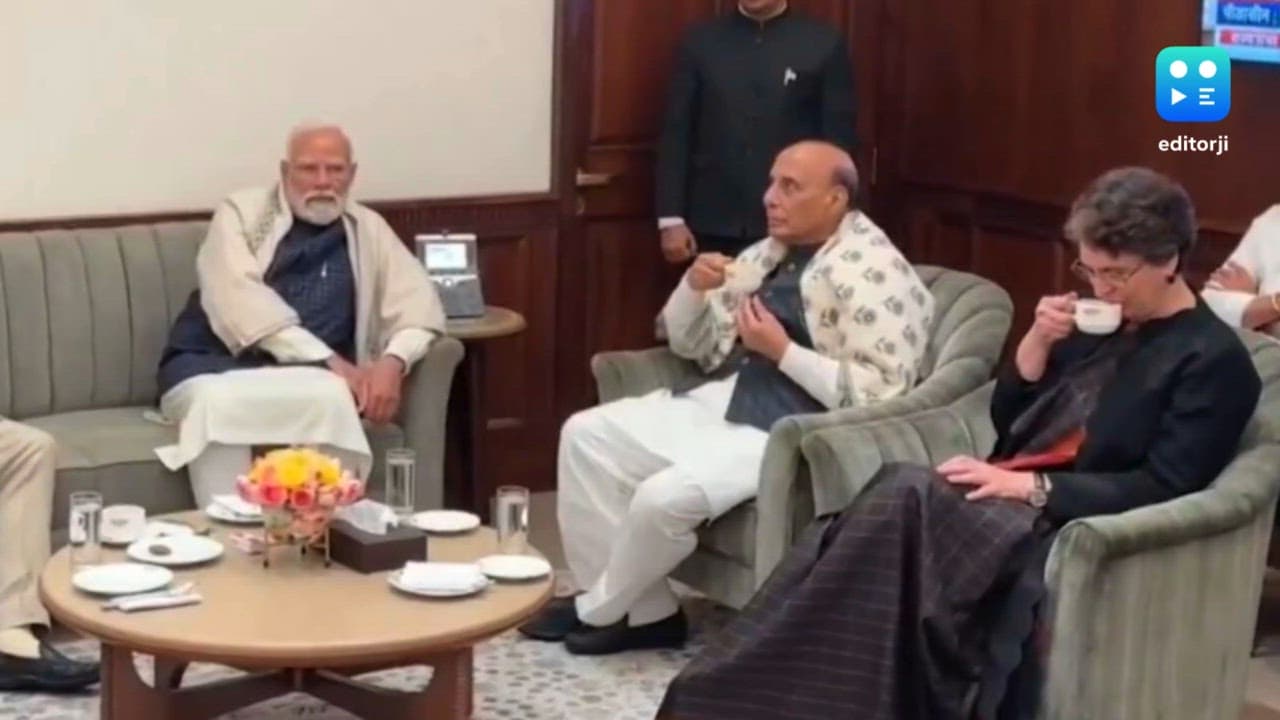
Parliament Moment: Priyanka Gandhi shares tea with Rajnath Singh. PM Modi and Om Birla
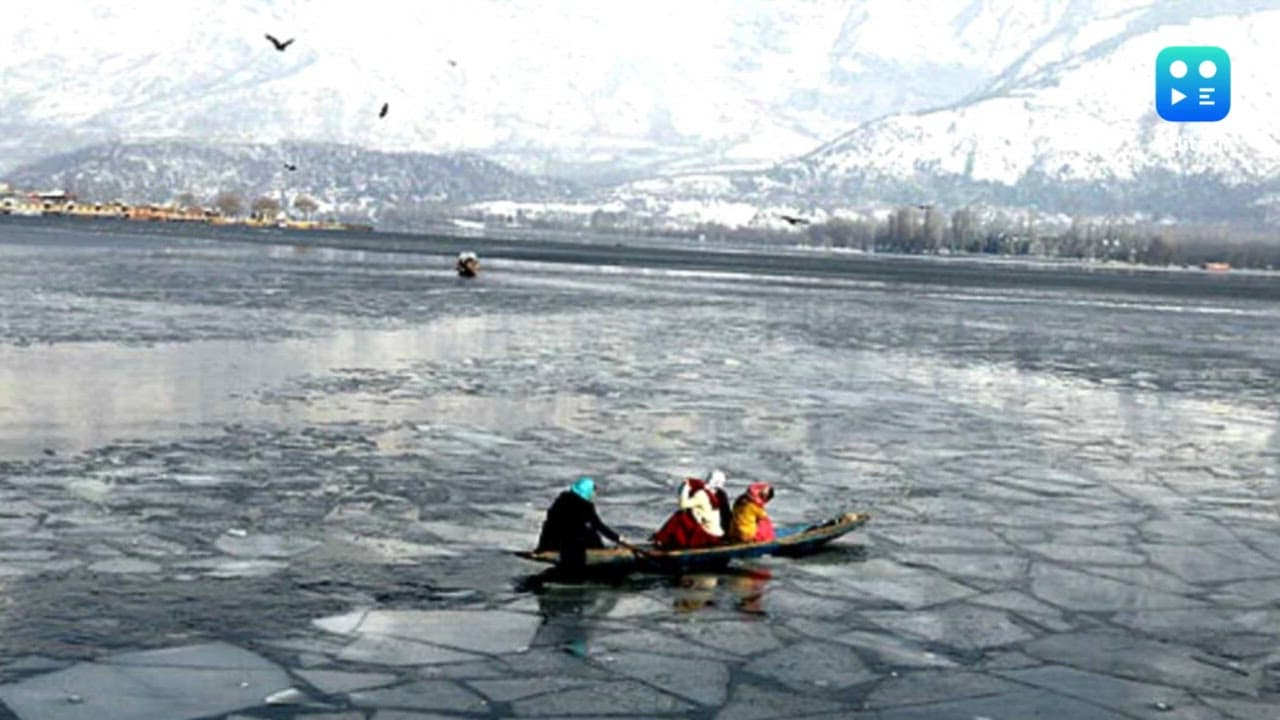
Cold wave deepens in Kashmir as Chillai-Kalan nears, temperatures dip below freezing
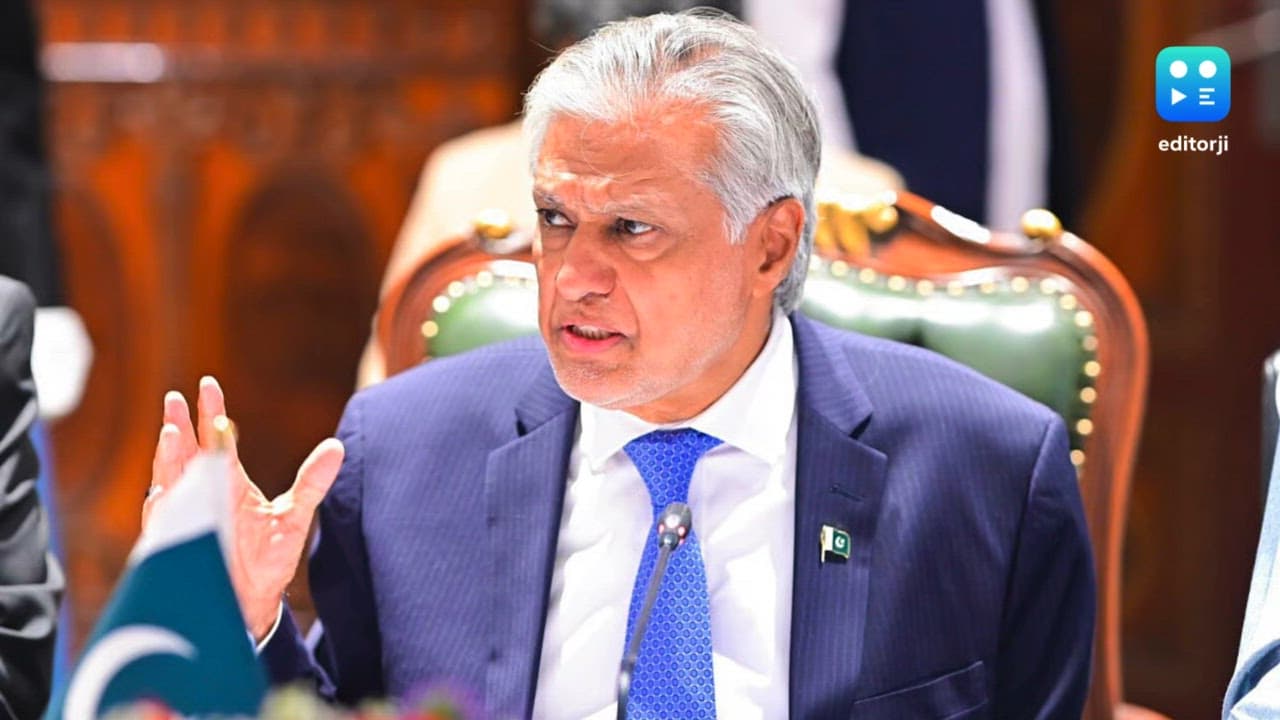
Pakistan accuses India of attempting to undermine Indus treaty
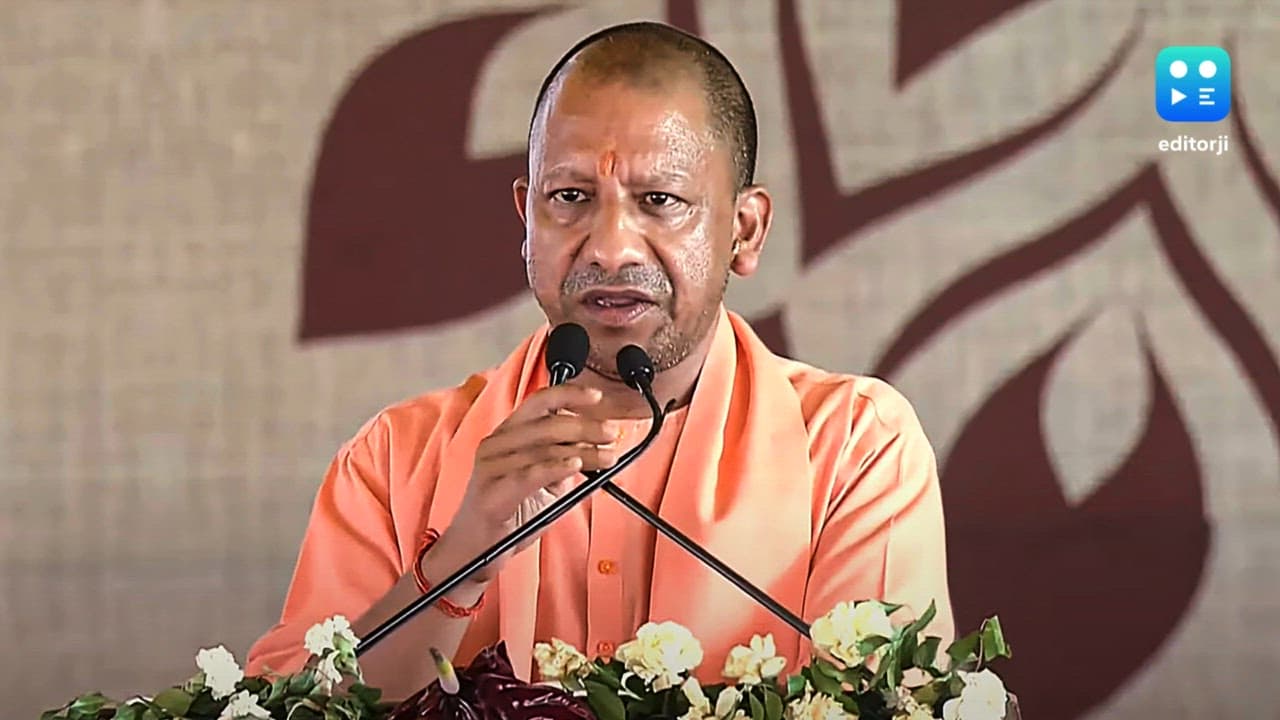
Vande Mataram discussion in UP legislature to mark 150th anniversary: Yogi Adityanath
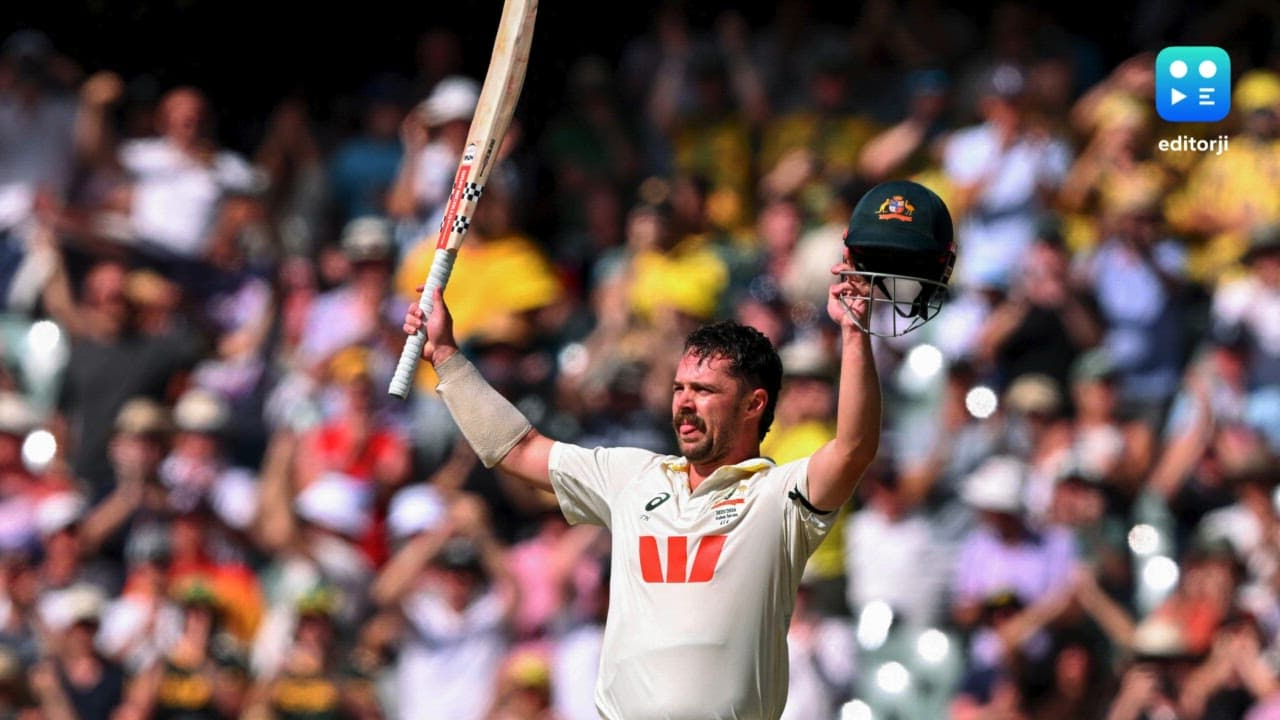
Ashes 2025: Travis Head slams unbeaten 142 to crush England's Ashes hopes

Tipra Motha youth wing protests Bangladesh leader's anti-India remarks in Agartala


Up Next

AAP Diverges from U.S. Vaccine Guidelines on Children's COVID-19 Shots
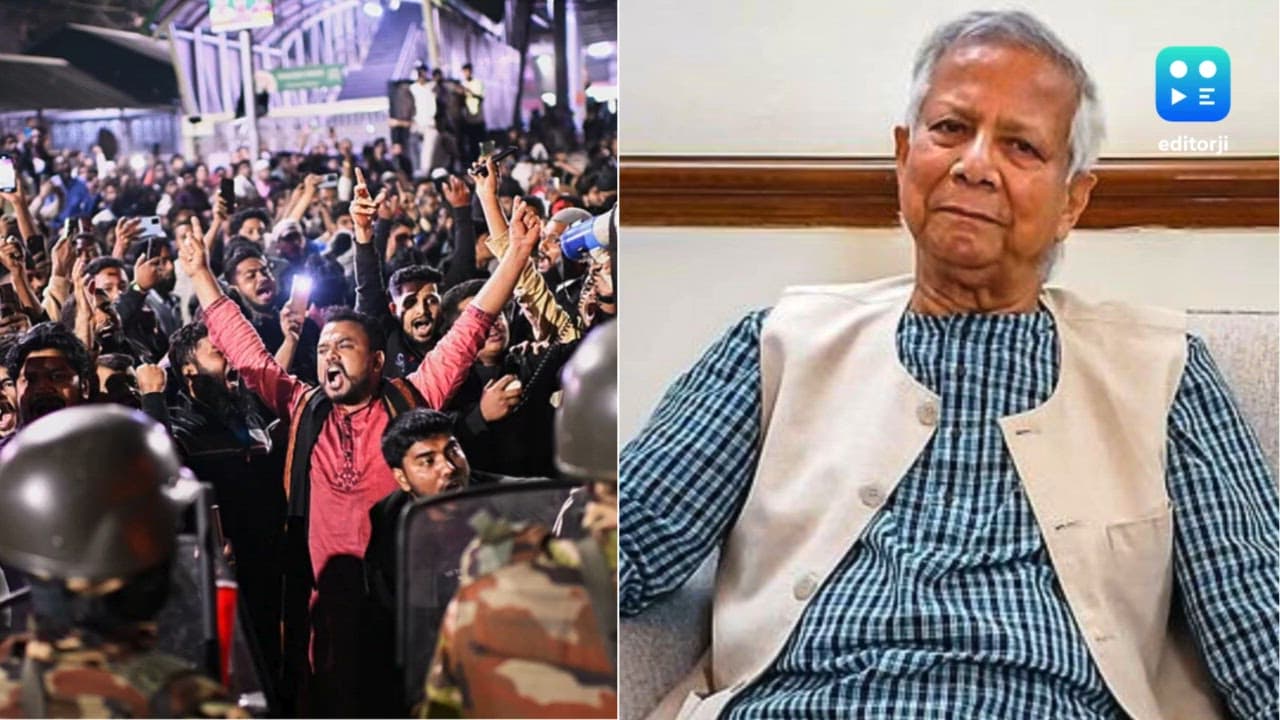
Bangladesh interim government condemns violence amid nationwide unrest
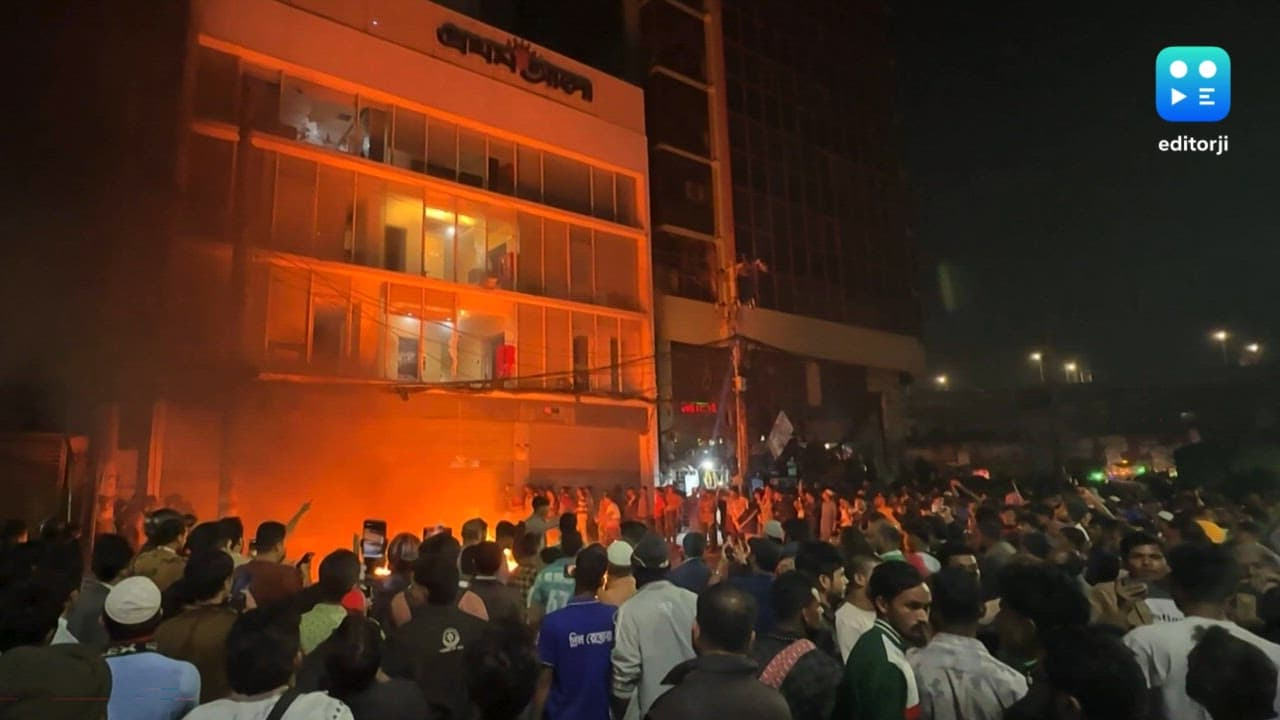
Arsonists target Bangladesh newspapers after student leader's death
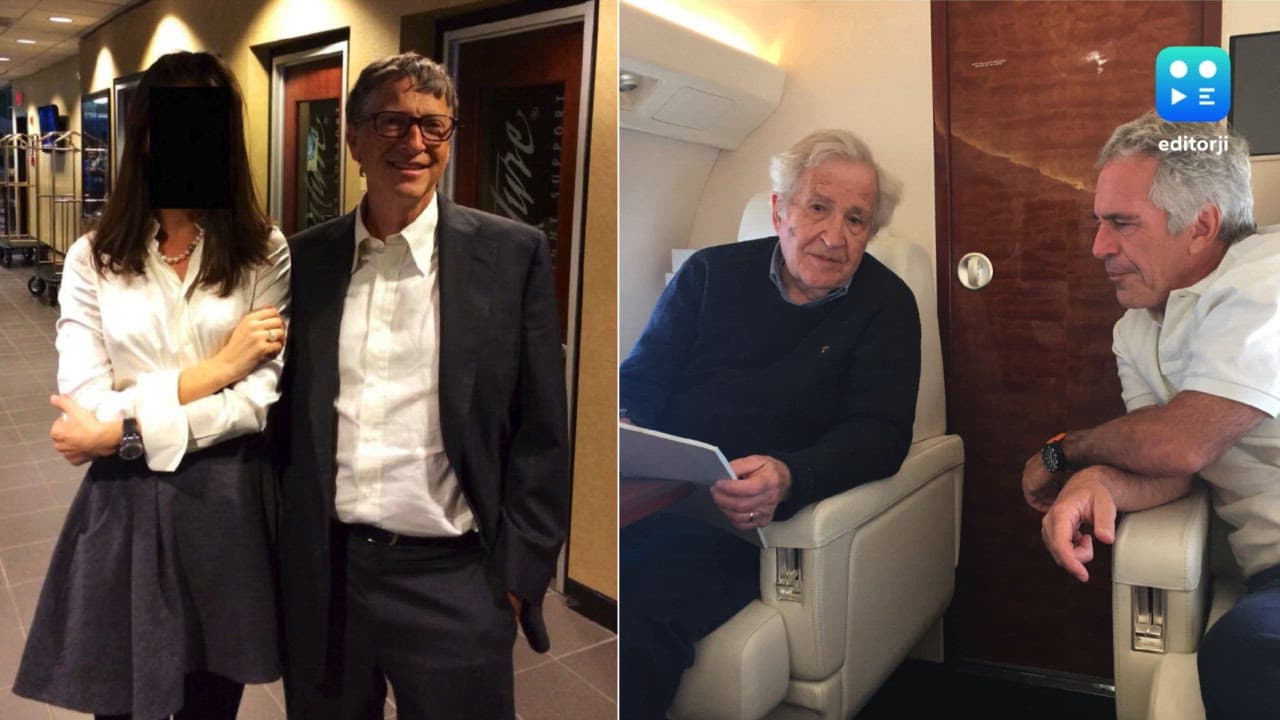
US Democrats release Epstein photos showing Bill Gates, Noam Chomsky
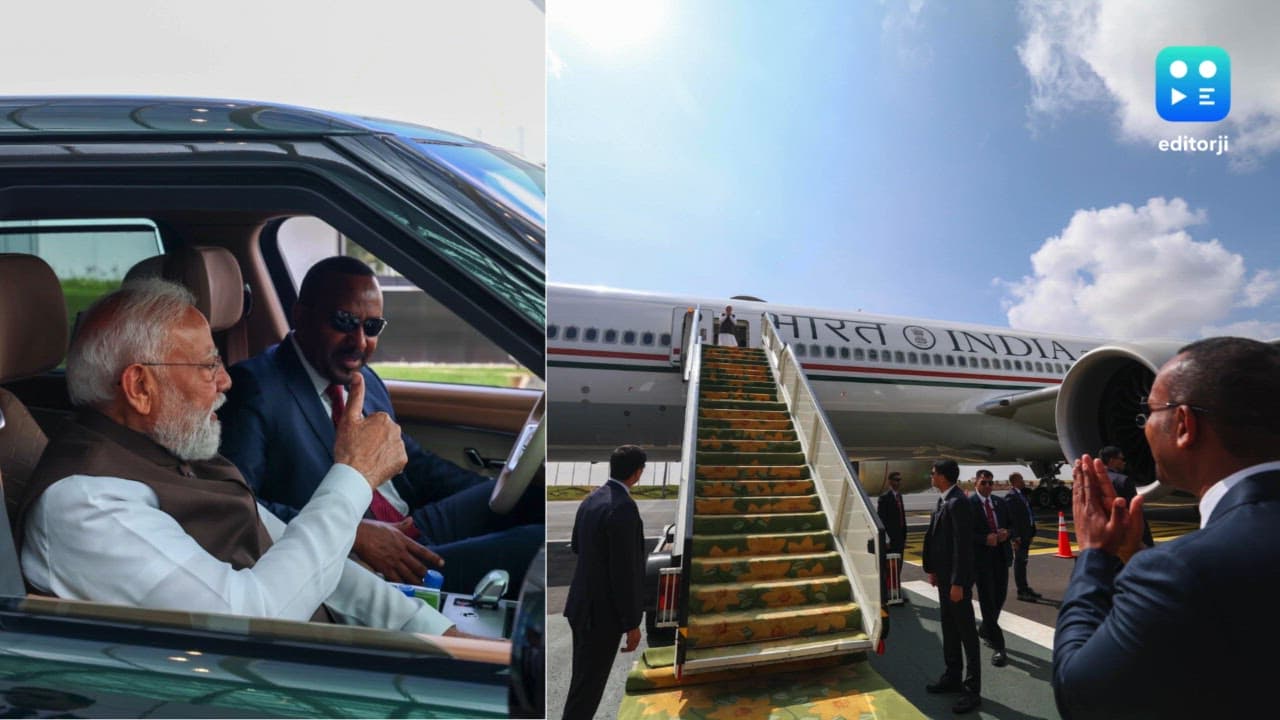
PM Modi departs for Oman on last leg of three-nation visit

India closes visa application centre in Bangladesh capital due to security situation

More videos
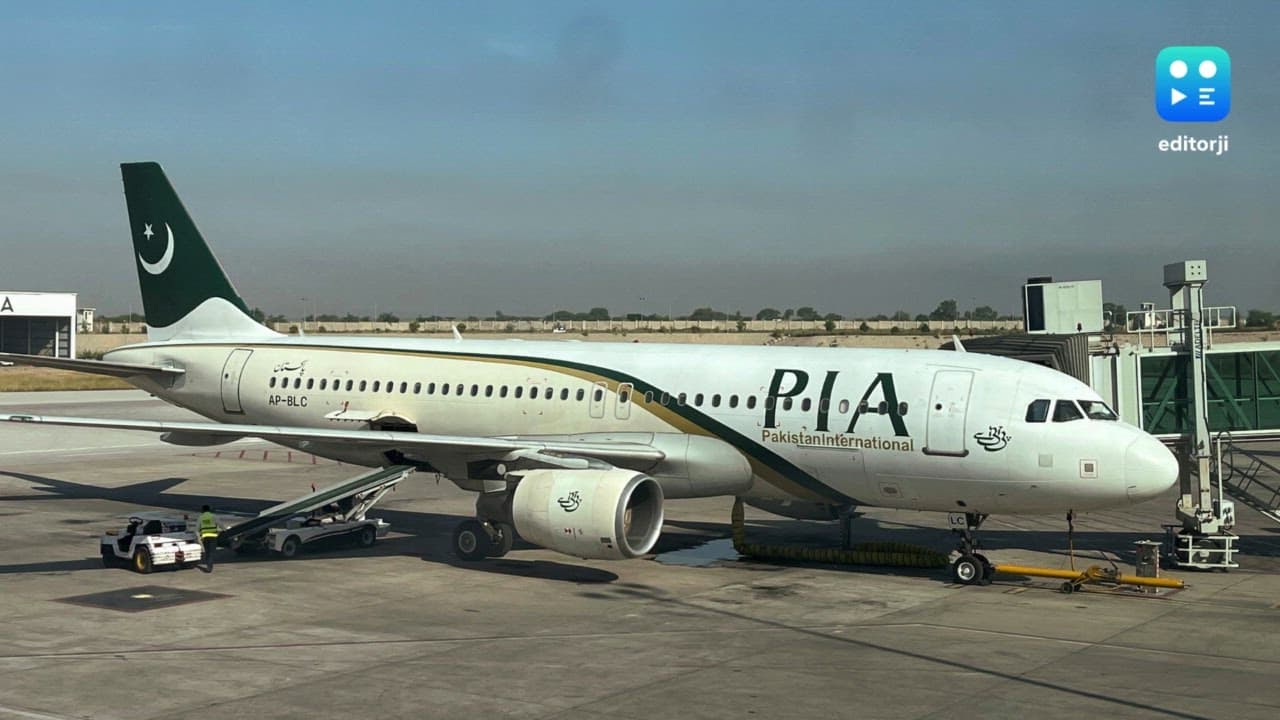
Pakistan to sell 100 pc stake in PIA after bidders demand complete control post-privatisation
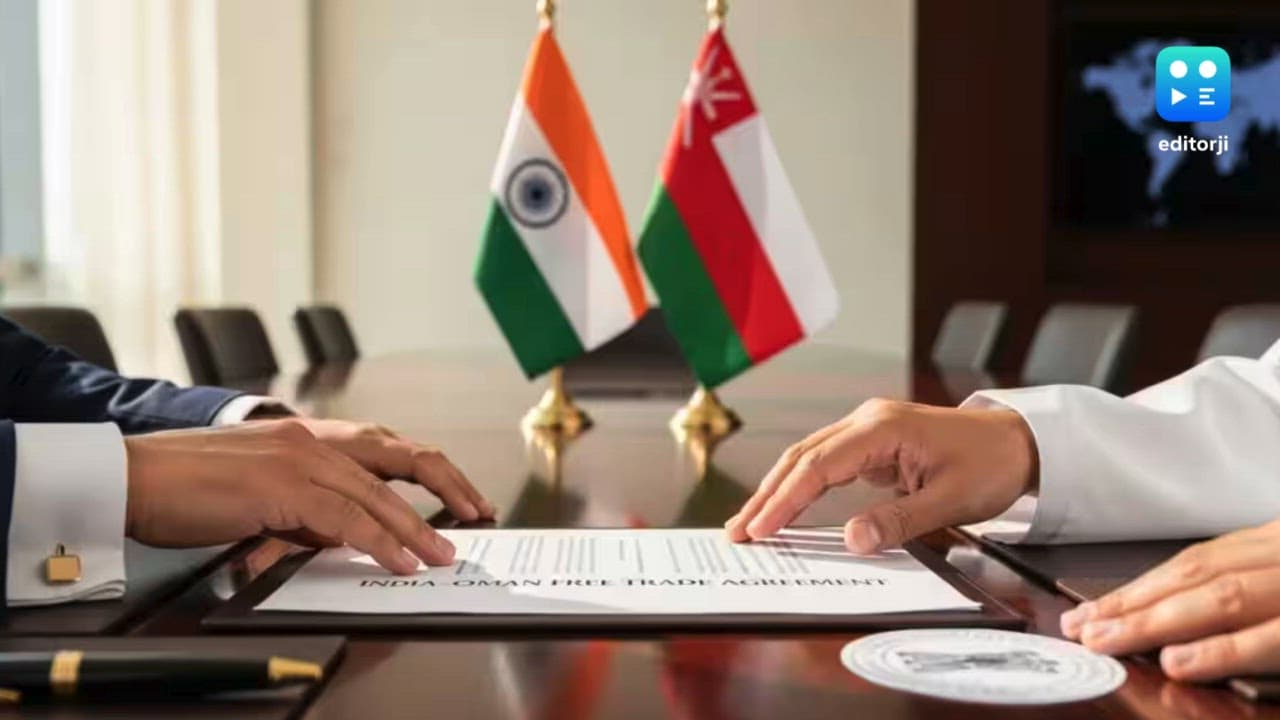
India, Oman to sign free trade agreement in Muscat on Thursday
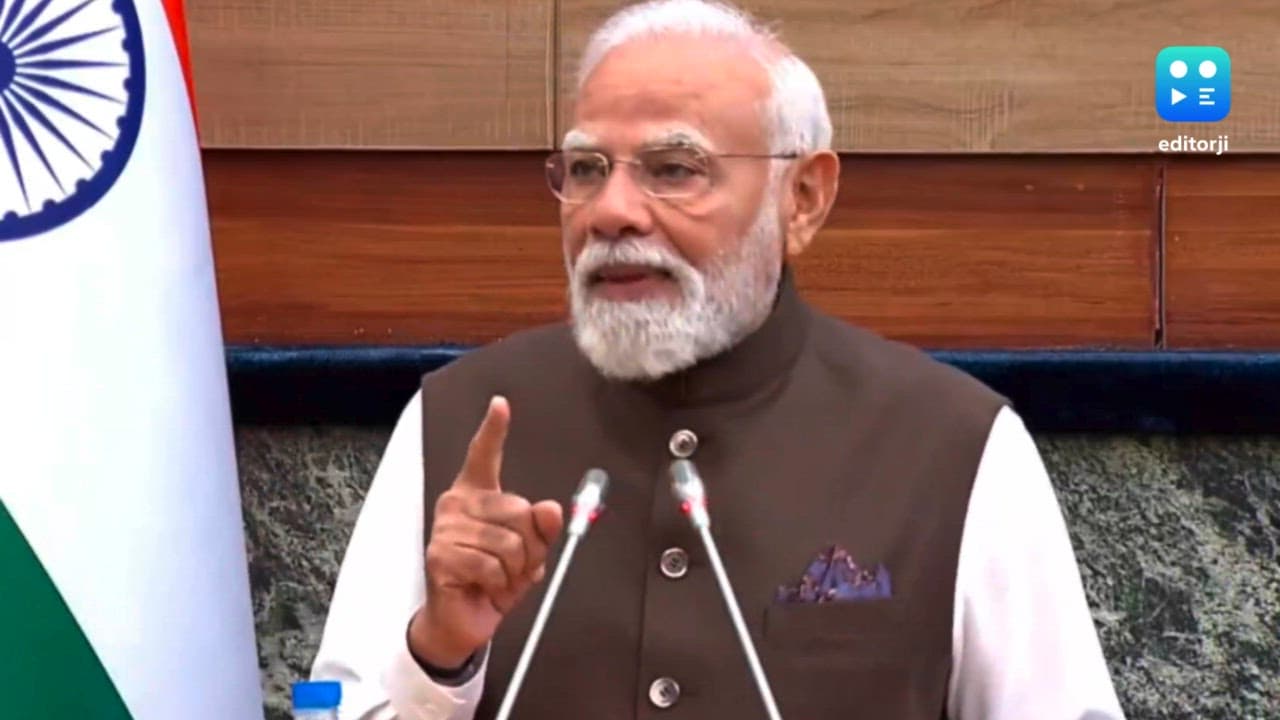
India and Ethiopia are natural partners, says PM Modi in Ethiopian Parliament

Trump calls for global unity against radical Islamic terrorism after Bondi attack

India, Ethiopia elevate ties to strategic partnership as PM Modi holds talks with his counterpart

PM Modi conferred Ethiopia’s highest civilian honour in Addis Ababa

Trump imposes full travel bans on seven more countries, Palestinians
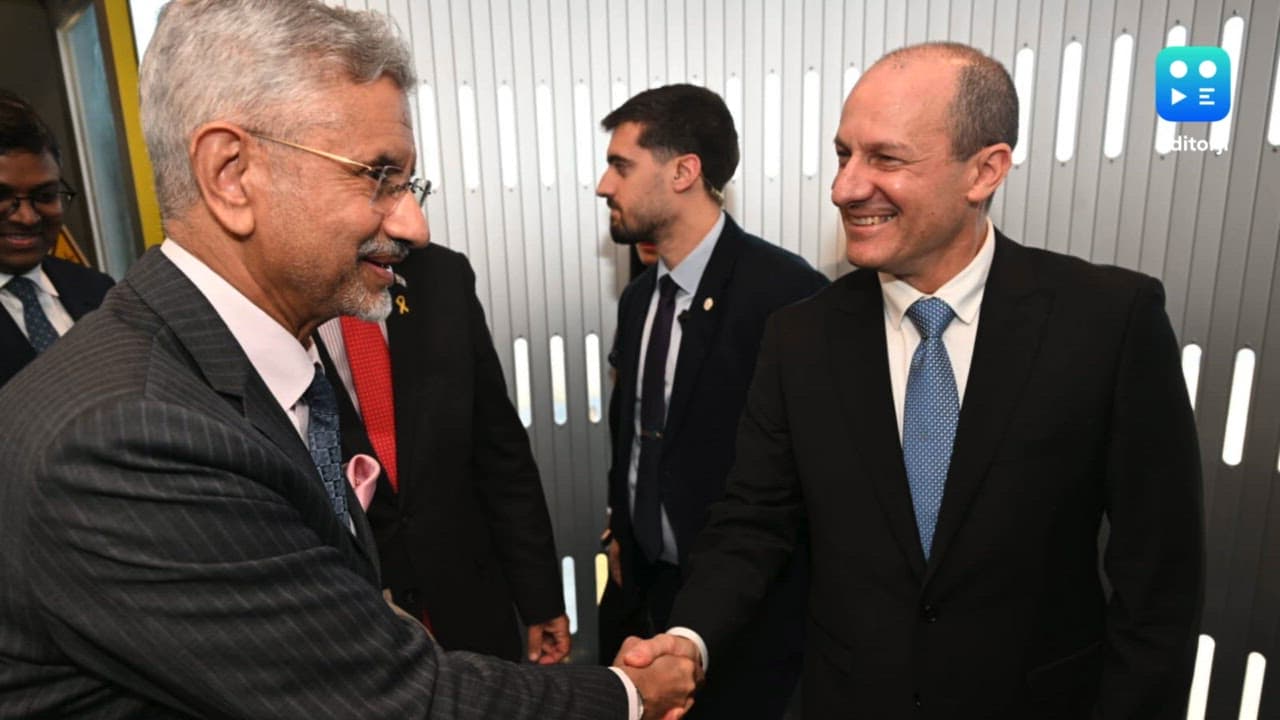
EAM S. Jaishankar arrives in Israel on two-day visit; to hold talks with top leadership
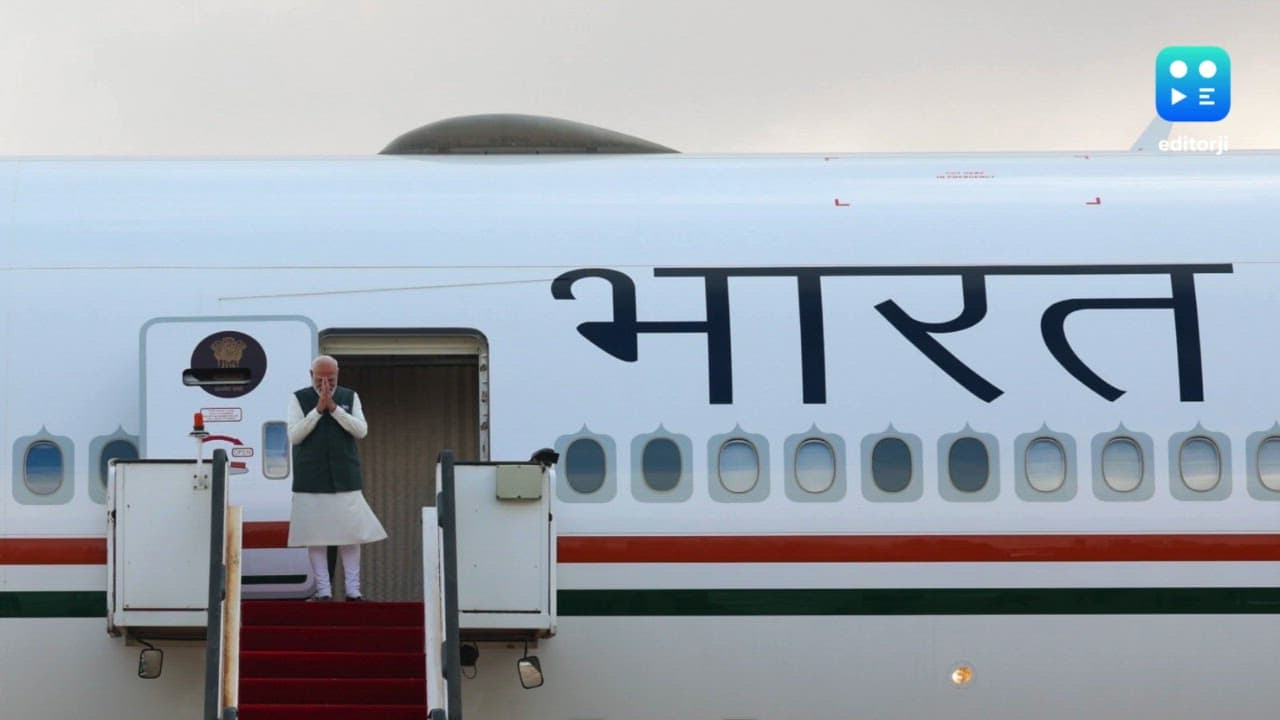
Prime Minister Narendra Modi departed for Ethiopia from Jordan
Magnitude 5.2 earthquake shakes Karachi and Balochistan, no casualty reported